Your Pans Are Boring. Let's Fix That.
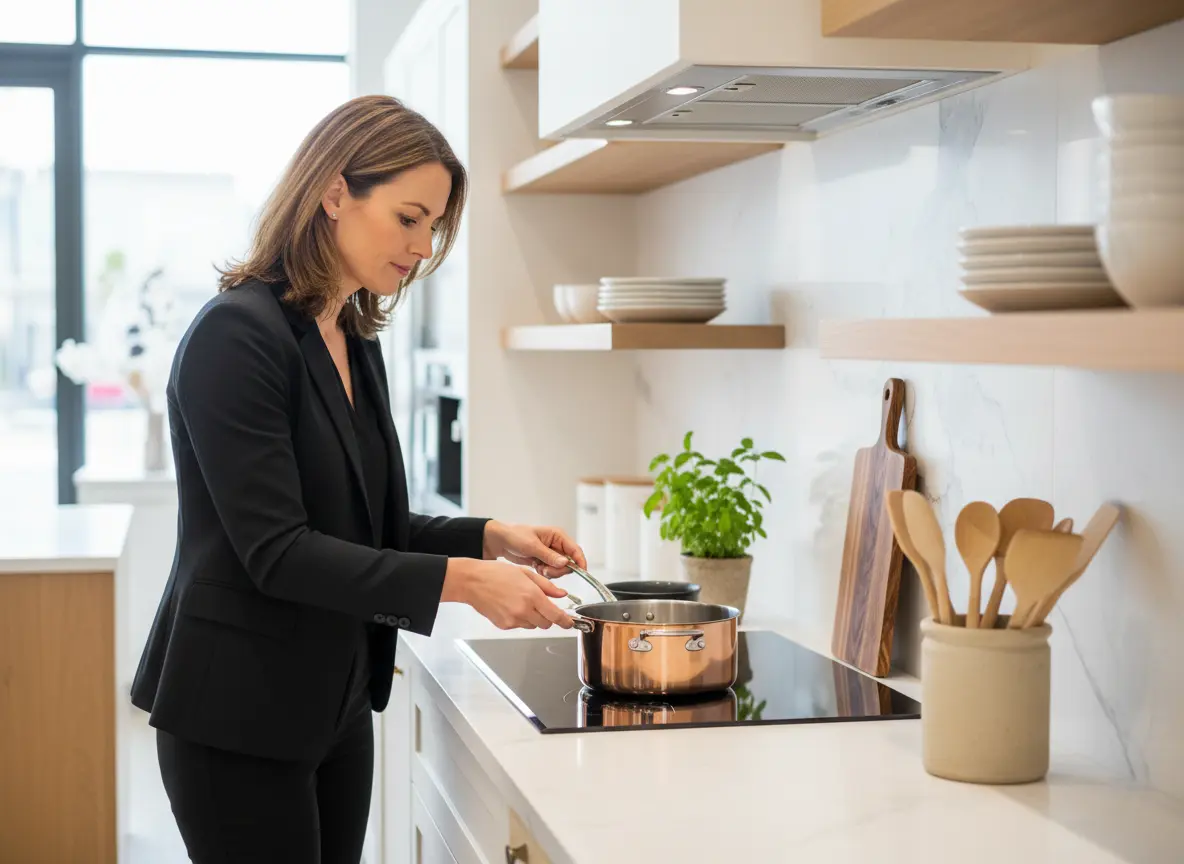
Let’s be honest. You sell beautiful, high-quality, potentially life-changing cookware. That gleaming, eight-quart Dutch oven isn’t just a pot; it’s the vessel for a decade of Sunday family dinners. That sleek carbon steel skillet isn’t just a pan; it’s the key to perfectly seared steaks and a newfound sense of culinary godhood. But when it’s sitting on a sterile metal shelf under harsh fluorescent lighting, it’s… well, it’s just a pot.
Shoppers walk in, see a wall of metal and ceramic, and their eyes glaze over. They can’t see the potential. They can’t imagine the lifestyle. And you, my friend, are not just selling cookware. You are selling an aspiration. You’re selling the dream of a less chaotic, more delicious life. The solution? Stop stacking and start storytelling with aspirational kitchen vignettes. These aren't just product displays; they're curated, Instagram-worthy scenes that make customers stop, dream, and—most importantly—buy.
The Art and Science of the Vignette
Creating a compelling vignette is part art, part psychology, and part blatant manipulation of your customers’ desire to live in a Nancy Meyers film. It’s about creating a scene so inviting that people want to buy the entire thing, not just the whisk. Here’s how to stop being a stockroom and start being a showroom.
It’s a Story, Not a Warehouse Shelf
Every great vignette tells a story. Before you place a single item, ask yourself: what is the narrative? Are we celebrating "The Perfect Weekend Brunch," complete with a waffle iron, a beautiful ceramic syrup dispenser, and high-end coffee maker? Or perhaps it’s "An Evening in Tuscany," featuring a pasta roller, a rustic wooden board for a charcuterie spread, and robust, oversized wine glasses. Think of yourself as a set designer for your customers' future culinary triumphs. A 2018 study on consumer behavior found that emotional connection is a massive driver of purchasing decisions. A pan is a tool; a story about a family pasta night is an emotion.
- Action Tip: Brainstorm 3-5 distinct "stories" you can tell in your store. Examples: "The Aspiring Baker," "Taco Tuesday Fiesta," "Healthy Weeknight Hero," or "The Ultimate Grill Master." Assign a corner or display table to each theme.
The Rule of Threes (and Other Compositional Cheats)
You don't need an art degree, but a few basic design principles will elevate your display from "piled up" to "perfectly curated." The most powerful is the rule of threes. Grouping items in odd numbers—three, five, seven—is inherently more dynamic and pleasing to the human eye. Don't ask why; it's just brain magic.
Next, think about layers and texture. Use vertical space. Prop a cookbook on an easel behind a mixing bowl. Place a small ramekin on top of a stack of plates. Use a cake stand to elevate a key item. Mix materials: the cool smoothness of stainless steel against the rough grain of a wooden cutting board, a crisp linen napkin draped over a glossy ceramic bowl. Unless you're going for the "I just moved and dumped all my boxes here" look, a little intentional structure goes a very long way.
Lighting: Your Secret Ingredient
You could create the most stunning tablescape in retail history, but if it’s lit by a single, sad, flickering fluorescent tube, it will look like a crime scene. Lighting is everything. It creates mood, directs focus, and makes your products look expensive (which, let’s face it, some of them are). Use warm, focused spotlights to highlight your "hero" products within the vignette. A well-placed light can make a copper pan gleam and a knife set sparkle. It tells the customer, "Hey! Look at this amazing thing!" without you having to shout it.
Pro Tip: You don’t need to hire an electrician. Affordable, battery-operated LED puck lights or small clip-on spotlights can be strategically hidden to add a touch of drama and sophistication to any display.
Engaging the Senses (and the Wallet)
A great vignette looks fantastic, but an unforgettable one is interactive. You need to bridge the gap between your beautiful display and the customer’s credit card. This is where you turn passive browsing into an active shopping experience.
From Static Display to Interactive Experience
Give your customers permission to engage. A small, elegant sign that says, "Feel the perfect balance of this chef's knife" or "Go ahead, lift our lightweight cast iron" can make all the difference. Add a QR code that links to a video of a chef using that exact pan, or a downloadable PDF of the perfect recipe to make with it. You're not just showing them a product; you're giving them the tools to imagine it in their own hands.
This is also a perfect place for your tireless assistant to shine. Imagine a customer is admiring your "Artisanal Bread" vignette. Instead of them wondering if they could actually bake sourdough, Stella can proactively engage them. "Baking your own bread is one of the most rewarding things you can do in the kitchen," she might say. "We have a special on our proofing baskets and Dutch ovens this week, and I can send a no-fail starter recipe right to your phone." Suddenly, an intimidating hobby feels accessible and exciting.
Upsell Without Being Pushy
The beauty of a vignette is that it’s an organic upselling machine. The pasta maker is surrounded by the drying rack, the flour scoop, and the fancy Italian flour. The steak pan is next to the instant-read thermometer and the steak knives. The customer came in for one thing, but the story you’ve told them makes them realize they *need* the whole ensemble.
Your digital assistant, Stella, can amplify this effect with zero awkwardness. She can be programmed with all the logical pairings. When a customer asks her where the French presses are, she can direct them and add, "And if you want the perfect cup, our burr grinders are 15% off today. They're right next to the presses!" It’s the perfect, helpful, non-commission-based sales associate.
Vignette Do's and Don'ts: A Cheatsheet
Feeling inspired? Excellent. Before you start rearranging your entire store, let's go over a few ground rules to ensure your vignettes are aspirational, not disastrous.
The "Do's": Embrace the Aspiration
- Do Refresh Regularly: A vignette featuring a pumpkin-shaped casserole dish in April just looks lazy. Keep things fresh by updating your stories seasonally, monthly, or to coincide with holidays. It gives regulars a reason to see what's new.
- Do Use Props: The best vignettes feel lived-in. Use non-saleable props to complete the picture: a bowl of faux lemons, a bottle of nice olive oil, a bundle of dried herbs, or an artfully messy dusting of flour on a wooden board.
- Do Cross-Merchandise: Think beyond your own inventory. Partner with a local gourmet shop to include their olive oils or spices in a display. It adds authenticity and builds community goodwill. You're selling a lifestyle, and that lifestyle includes more than just pots and pans.
The "Don'ts": Avoiding the Clutter Catastrophe
- Don't Overstuff It: This is a curated collection, not a hoarder's pantry. Negative space is your friend. Let key pieces breathe. If customers have to play a high-stakes game of Jenga to pick something up, you’ve gone too far.
- Don't Make It Unapproachable: It needs to look amazing, but not like a museum exhibit. Customers should feel invited to touch and interact. Avoid anything that feels too precious or fragile. No velvet ropes, please.
- Don't Forget the Price: Aspiration is wonderful, but reality involves a budget. Make sure every item for sale in the vignette is clearly and cleanly priced. Nothing kills a purchase dream faster than having to hunt down a staff member to ask, "How much is this?"
A Quick Reminder About Stella
While you’re busy being the creative director of your store's new look, who's greeting customers at the door? Stella is your ever-present, always-friendly brand ambassador, ensuring every shopper feels welcomed, informed about your promotions, and gently guided toward your stunning new vignettes.
Conclusion: Stop Stacking, Start Selling
Your products have stories to tell. It’s your job to give them a stage. By shifting your merchandising strategy from simple stacking to thoughtful storytelling, you do more than just organize your inventory. You create an experience. You transform passive browsers into engaged buyers and one-time shoppers into loyal fans.
So take a hard look at your sales floor tomorrow. Find that one sad, lonely shelf of saucepans and ask yourself what story it’s dying to tell. Is it a story about quick weeknight meals for a busy family? Or is it about the slow, meditative process of crafting a perfect béchamel? Go on, give it a voice. Your bottom line—and your customers' kitchens—will thank you for it.