So, You Want to Host an In-Store Performance? Bless Your Heart.
Let’s be honest. The romance of running a record store is occasionally interrupted by the cold, hard reality of, you know, paying the bills. You spend your days surrounded by glorious vinyl, curating a haven for music lovers, and explaining to teenagers what a B-side is. But in an age where entire music catalogs live in the cloud, getting people to walk through your door—and actually buy something—requires more than just having the new Taylor Swift variant in stock.
You need to create an experience. A reason for them to leave their couch. And nothing screams "experience" quite like a live band crammed into a corner next to your alphabetized jazz section. In-store performances can be a godsend for driving traffic and sales. They can also be a chaotic, profitless nightmare that ends with a noise complaint and a blown-out speaker. The difference is all in the execution. So, let’s talk about how to do it right, without losing your mind or your money.
The Art of the Performance: Setting the Stage for Success
Before you hand a microphone to the first local musician with a guitar case and a dream, you need a plan. A real one. Not one scribbled on a napkin five minutes before they show up. Success is born from preparation, not desperation.
Finding the Right Act (Without Selling a Kidney)
Unless you have the budget of a small nation, you’re probably not booking U2 for an acoustic set. Good. Focus on local and emerging artists. They are the lifeblood of a healthy music scene and, more importantly, they have a built-in local audience they’ll bring with them. Look for artists whose vibe matches your store’s aesthetic. A thrash metal band might be a tough sell in your all-folk and ambient shop. Or maybe it’s brilliant. You know your customers.
Once you find them, treat it like a business deal, because it is. Even for a “free” show, get the details in writing. An email is fine. Cover the essentials:
- Set Length: How long will they play? 45 minutes is a sweet spot.
- Compensation: Are you paying them a flat fee, a percentage of their album/merch sales, or are they playing for "exposure"? (Be careful with that last one; exposure doesn't pay their rent.) A common arrangement is letting the artist keep 100% of their merch sales.
- Promotion: Both parties need to promote. Agree on a timeline for social media posts and in-store signage.
Your Store Isn't a Stadium (And That's a Good Thing)
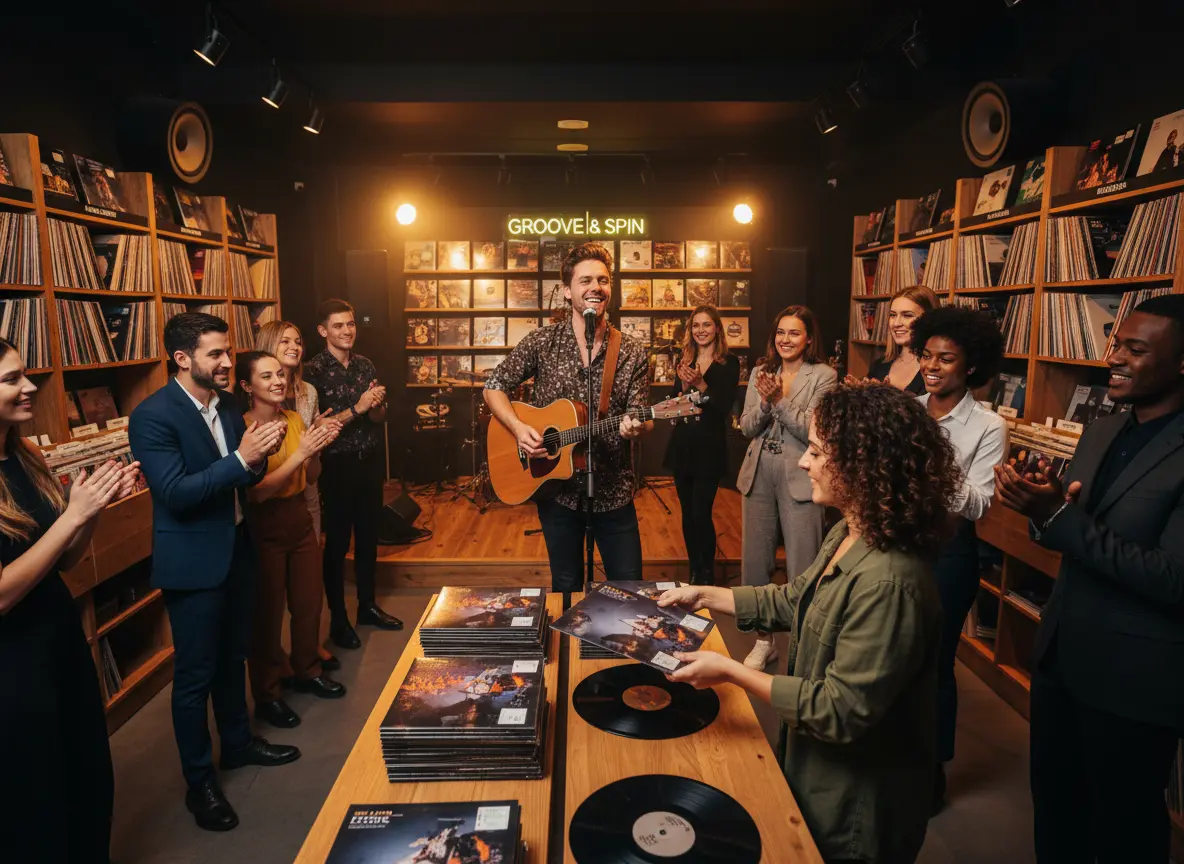
The intimacy of a record store show is its biggest selling point. But "intimate" should not mean "a fire hazard." Think through the logistics. Where will the artist set up? Ideally, in a spot that’s visible but doesn’t block your most valuable inventory or the only path to the restroom. A simple, small riser can do wonders.
And for the love of all that is holy, do a sound check. A small PA system can sound surprisingly deafening in a space designed for quiet browsing. Test the levels before you open the doors. Your goal is a pleasant musical experience, not a city-wide noise ordinance violation. A few well-placed string lights and a clear, designated performance area can transform a section of your shop into a genuine venue, making the event feel intentional and special.
Turning Foot Traffic into Cold, Hard Cash (And Data)
An in-store is not a charity concert. The point is to create an event that translates directly into sales. This requires a bit of strategy beyond just hoping people feel inspired to buy something on their way out.
The Art of the In-Event Upsell
This is where the magic happens. The artist just finished a killer set, the crowd is buzzing, and emotions are high. Now is the time to strike. Make it ridiculously easy for people to buy the artist's music. Create a prominent display featuring their LPs, CDs, and any other merch, located right next to the performance area. Don’t make people hunt for it.
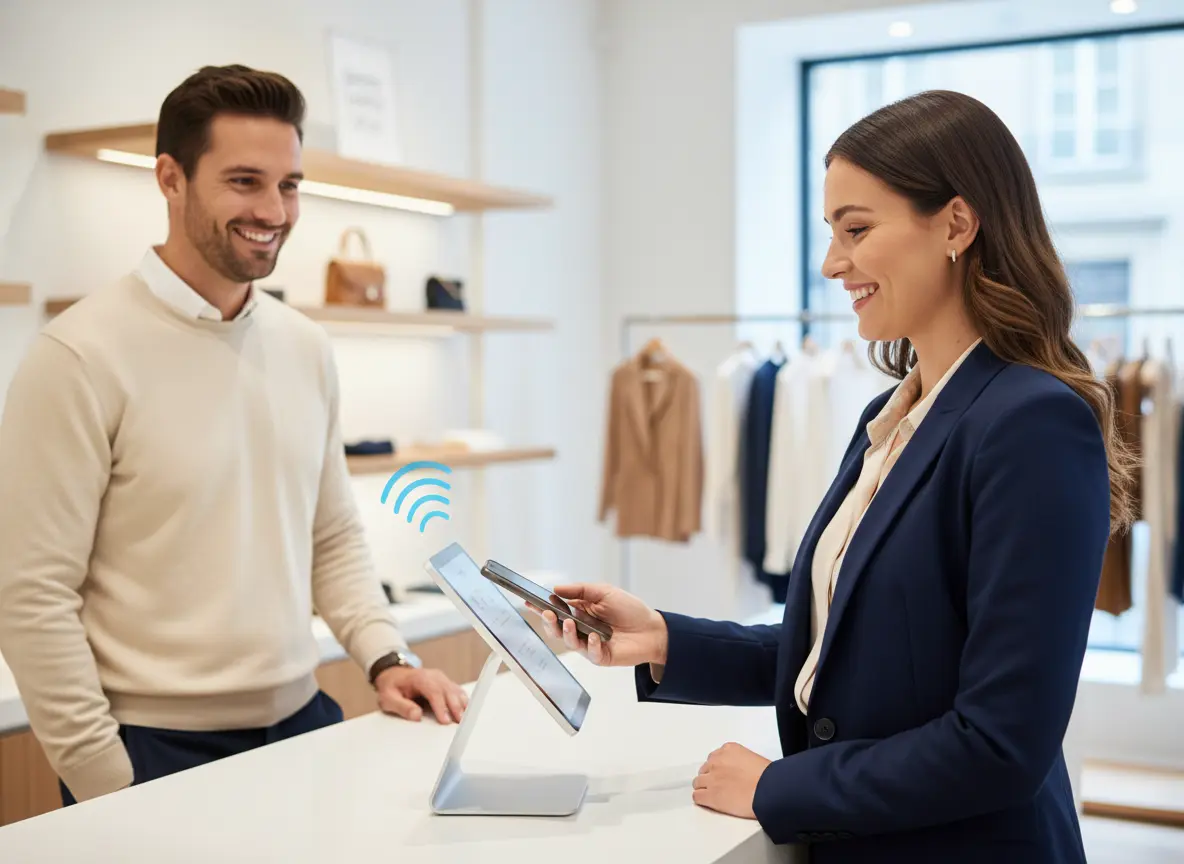
This is also the perfect moment to deploy your secret weapon. While your staff is manning the register and making sure the artist has water, an assistant like Stella can be a massive help. Positioned near the merch table or the front door, Stella can greet everyone who came for the show, announce the special "show-only" bundle deals ("Get the new vinyl and a signed poster for just $35!"), and even answer questions about the artist. She ensures that your sales messaging cuts through the noise, engaging customers while your human team focuses on high-touch interactions and closing sales. It’s like having a dedicated, tireless hype-person who never needs a bathroom break.
The Aftermath: Keeping the Momentum Going
The band has packed up, the last fan has trickled out, and a suspicious sticky spot has appeared on the floor. You're done, right? Wrong. The post-show phase is just as crucial as the event itself if you want to build long-term value.
The Post-Show Digital High-Five
The buzz doesn't end when the music stops. Get on your social media channels within 24 hours. Post photos and short video clips from the event. Tag the artist, their label, and any fans you saw posting. This extends the life of the event and creates a serious case of FOMO (Fear Of Missing Out) for everyone who wasn’t there, making them more likely to attend the next one.
If you have an email list (and you absolutely should), send out a recap. Thank everyone for coming, include a great photo, and link directly to the artist’s album on your website. This is a great way to capture sales from people who were on the fence or had to leave early.
Nurturing Your Newfound Fans
The people who attended the show aren't just customers; they're qualified leads. They've proven they're willing to show up. During the event, have a simple email sign-up sheet at the counter—maybe tie it to a raffle for a free record to encourage participation. This is gold. You’ve now segmented your audience and can target them directly with announcements for future in-stores. You’re building a community, not just a customer list. According to Nielsen, 52% of consumers are more likely to purchase from a brand after attending a live event. You've done the hard part; now nurture that connection.
A Quick Reminder About Stella
While you’re busy curating vinyl and orchestrating live music magic, a retail assistant like Stella can handle the frontline. She greets every customer, promotes your events and deals, and frees up your staff to do what they do best—share their love of music and create authentic connections with shoppers.
Conclusion: Go Make Some Noise
Let's be real: hosting in-store performances is work. It takes time, planning, and a willingness to deal with the occasional amp feedback. But the payoff is huge. You’re not just selling records; you’re selling an experience. You’re building a culture and a community around your brand that can't be replicated by a faceless online algorithm.
So, here’s your homework:
- Identify one local artist you think would be a great fit for your store.
- Reach out to them with a clear, professional proposal.
- Pick a date and start promoting it like your business depends on it.
Stop being a passive retailer and start being an active destination. Stop being just a store where people buy things. Be the place where things happen.