The Door Chimes. Hope Soars. They Leave. What Gives?
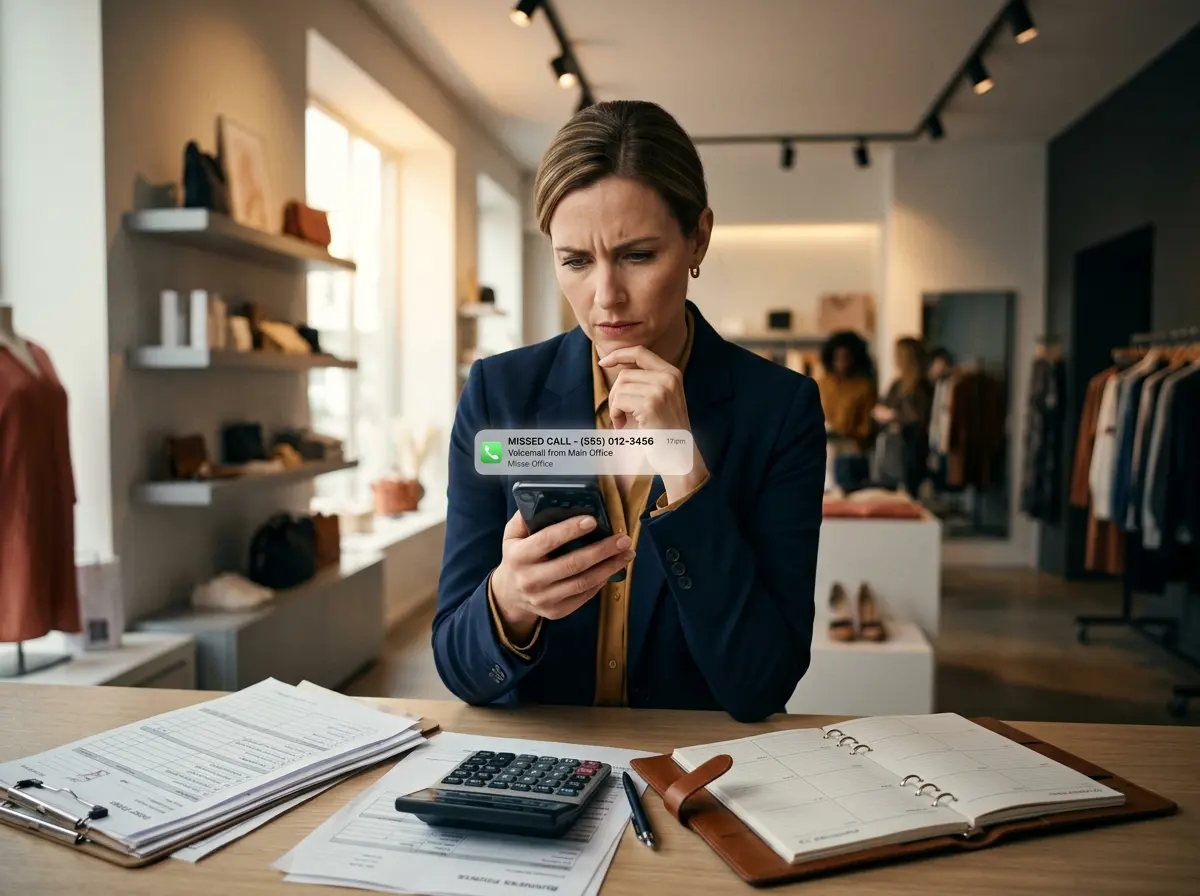
You know the sound. That cheerful little ding-dong that announces a potential sale has just walked through your door. For a fleeting moment, all is right with the world. This could be the one! The customer who finally buys that slightly-too-quirky ceramic llama you’ve had in stock for six months. But then, 90 seconds later, the chime sounds again—this time, on their way out. They did a quick lap, touched nothing, made zero eye contact, and vanished, leaving only a faint trail of shattered dreams and the scent of "just looking."
If this scene feels painfully familiar, you're not alone. In the brutal world of brick-and-mortar, foot traffic is a vanity metric if it doesn’t convert. The hard truth is that you have an incredibly short window—often less than five minutes—to turn a casual browser into a committed buyer. This isn't about deploying aggressive, commission-hungry sales tactics that make people want to flee. It’s about mastering the subtle art of the first impression and creating an experience that makes people want to stay, explore, and ultimately, open their wallets. Let’s break down how to stop the revolving door and start making sales from the moment a customer steps inside.
The Psychology of the First Five Minutes
Before you can sell anything, you have to understand the mindset of a person entering a new retail space. They are cautious, slightly defensive, and have their "Browser's Defense Shield" fully activated. Your first job is to gently lower it without setting off any alarms.
De-escalating the "Browser's Defense Shield"
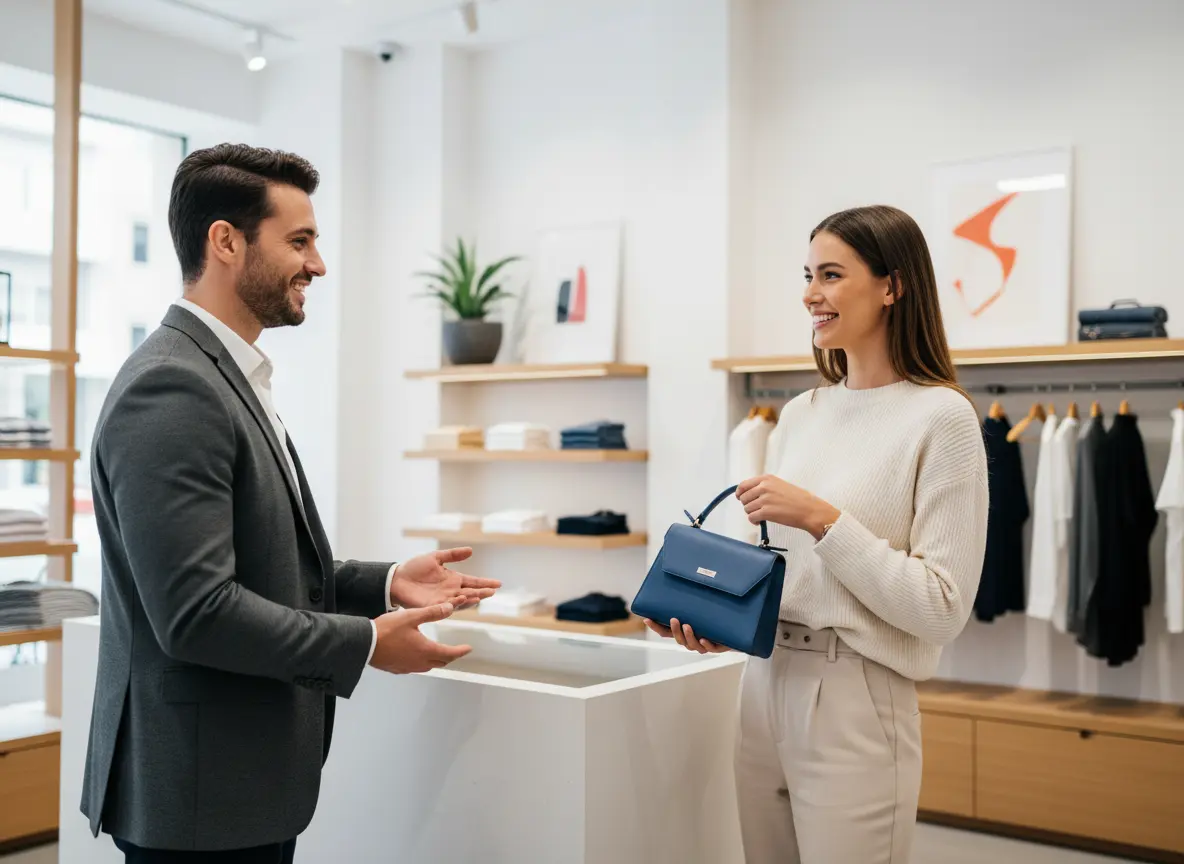
Most shoppers walk into a store expecting to be pounced on. Their default response to the dreaded, "Can I help you find anything?" is a reflexive "Nope, just looking!"—even if they are, in fact, looking for something specific. This phrase is a polite defense mechanism. To get past it, you have to change the script. The goal of your initial greeting is to acknowledge their presence, offer value, and then give them space. It’s a delicate dance of being helpful without being *too* helpful.
Instead of the tired, closed-ended question, try a warm, observational opening:
- "Welcome in! Feel free to look around. The new fall collection just arrived and it's over by the window."
- "Hi there! Just so you know, all our candles are buy-one-get-one-free today."
- "So glad you stopped in. If you have any questions, my name is Dave. Otherwise, happy browsing!"
These greetings work because they aren’t asking for anything. They are giving—information, a promotion, a friendly face. You’ve successfully made contact without making the customer feel like a target.
The Power of a Purposeful Welcome
A customer forms their first impression of your store in about 7 seconds. Seven. In that time, they've subconsciously decided if your store is friendly, expensive, messy, cool, or not for them. A purposeful welcome does more than just say "hello"; it sets the entire tone. It communicates that you are attentive, professional, and genuinely happy they are there. An employee staring at their phone or, worse, nowhere to be found, communicates the exact opposite. Every person who walks through that door should feel seen and welcomed, even if they don't intend to buy a thing. That positive feeling is what brings them back.
Sensory Overload vs. A Curated Sensory Experience
What does your store feel like in those first few moments? Is the music blaring an obscure death metal track, or is it creating a pleasant ambiance? Is the lighting harsh and clinical, or warm and inviting? Does it smell like last night's takeout or a pleasant, signature scent? These sensory details are processed instantly and have a massive impact on a shopper's mood. The front of your store—often called the "decompression zone"—should be your masterpiece. It must be clean, well-lit, organized, and representative of your brand. A cluttered, chaotic entrance screams disorganization and subconsciously tells a customer that their shopping experience will be just as stressful.
Engineering the Perfect, Consistent Welcome
Okay, so we’ve established that the initial greeting is mission-critical. It needs to be timely, warm, and informative. Now for the million-dollar question: how do you deliver that perfect greeting to every single customer, every single time, especially when you’re short-staffed, helping another person, or stuck in the stockroom wrestling with a box of those ceramic llamas?
The Impossible Task of Consistent Engagement
Let's be honest. It's virtually impossible for human staff to achieve 100% greeting perfection. During the Saturday afternoon rush, customers can flow in faster than your team can acknowledge them. When that happens, some shoppers inevitably feel ignored. And an ignored customer is a lost customer. A 2021 survey found that 68% of customers will leave a store due to poor or non-existent customer service. Inconsistency is the silent killer of conversions. The warm welcome one customer gets and another one misses creates a jarringly different brand experience.
Automating the Welcome Mat (Without Being Creepy)
This is where technology can bridge the gap between ideal and reality. Imagine having a team member who stands tirelessly by the entrance, never needs a lunch break, and has a perfectly cheerful and professional demeanor 24/7. That's the role of an in-store assistant like Stella. She ensures that no one walks in unnoticed. The moment the door opens, she can offer a friendly welcome, immediately mention the day's key promotion ("Welcome to The Gilded Leaf! Just so you know, all our summer dresses are 30% off today."), and answer basic questions about store hours or return policies.
This isn't about replacing your amazing human staff. It's about empowering them. By having Stella handle the initial, repetitive touchpoint, your team is freed up to engage in more meaningful, high-value conversations with shoppers who are ready for help. She’s the ultimate ice-breaker, ensuring every single person gets that crucial, positive first impression, consistently and reliably.
Turning Acknowledgment into Lasting Engagement
You’ve nailed the welcome. The customer’s "Defense Shield" is down, and they're comfortably browsing. The next phase of the 5-minute window is about transforming that initial acknowledgment into a genuine, sales-driving interaction.
The Art of the Strategic Follow-Up
After the initial greeting, grant the customer a few minutes of breathing room. Let them explore on their own. Then, when you re-engage, do it with an intelligent observation, not a lazy question. As we've established, "Finding everything okay?" is a conversation-ender. Instead, lead with something that shows you've been paying attention.
For example: "I see you're checking out our selection of Japanese denim. The fit on that particular pair is incredible; we have a hard time keeping it in stock." This approach works because it's specific, it offers valuable social proof ("other people love this"), and it opens the door for a real conversation about the product. You've moved from a generic clerk to a knowledgeable guide.
Planting the "Deal Seed" Early
One of the biggest mistakes retailers make is saving a promotion for the checkout counter. By then, it's too late. The customer has already made their purchasing decisions. The most effective time to mention a deal is within that first five minutes. By "planting the seed" early, you influence their entire browsing journey. If they know all sweaters are on sale, they're going to spend more time looking at sweaters. If they know there's a "buy 2, get 1 free" deal on soaps, they'll be mentally curating their trio as they browse. This proactive approach feels like a helpful tip, whereas a last-minute mention at the register can feel like a desperate upsell.
Creating "Discovery Zones" to Capture Attention
Your store layout is your silent salesperson. The area just inside the entrance is prime real estate. Don't waste it. This space should feature a "Discovery Zone"—a compelling, eye-catching display that immediately draws people in and encourages them to slow down. This could be:
- A "New Arrivals" table with your freshest inventory.
- A "Staff Picks" shelf showcasing items your team genuinely loves.
- A display that tells a story, like "Our Top 5 Gifts for Dads Who Have Everything."
These zones act as a hook. They give the "just looking" customer a clear, low-commitment starting point, preventing them from doing a quick, dismissive scan of the store and walking out.
A Quick Reminder About Stella
Remember, achieving that perfect, consistent welcome for every single customer is the foundation of this entire strategy. An AI retail assistant like Stella is designed to be your store's perfect greeter and promoter, ensuring no shopper ever feels ignored and every key promotion is heard. She handles the front door so you and your team can handle the sales floor.
Conclusion: Your 5-Minute Mandate
The difference between a browser and a buyer is often decided in the time it takes to brew a cup of coffee. Those first five minutes are your golden opportunity to define the customer's entire experience. It's not about magic tricks; it's about a thoughtful strategy built on a disarming welcome, a pleasant store environment, and timely, valuable information. By mastering this initial window, you stop bleeding potential revenue and start building a loyal customer base.
Here’s your homework: Spend one hour this week standing near your store’s entrance. Just watch and listen. Who gets greeted? Who doesn't? How long do people stay? Test a new, low-pressure opening line. The insights you gain will be invaluable. Now go on—turn those "just lookers" into "just-bought-it-ers." Your bottom line will thank you.