The Phone Is Ringing — and Your Leads Are Leaving
You lost that lead. Not because your prices were too high, not because your reviews were worse, and not because your trucks aren't shiny enough. You lost it because nobody answered the phone.
Research consistently shows that nearly 80% of callers who reach voicemail will not leave a message — they'll simply move on to the next option. For service businesses like plumbing companies, where the need is urgent and the competition is one Google scroll away, how you answer the phone isn't a minor operational detail. It's a revenue strategy. This post breaks down exactly how one plumbing company turned their phone answering approach into a 40% lead capture increase — and what you can steal from their playbook.
What Was Actually Going Wrong (Hint: It Wasn't the Plumbing)
The Missed Call Problem Is Bigger Than You Think
In the case of our plumbing company (let's call them RiverCity Plumbing, a mid-sized operation with five technicians), an audit of their call data revealed that over 30% of inbound calls went unanswered during peak hours and evenings. Of the calls that were answered, a significant portion were handled by whoever happened to pick up — which sometimes meant a technician who was distracted, a front-office person juggling three other tasks, or a hold situation that lasted long enough to make the caller hang up and try someone else. The greeting was inconsistent, the qualification questions weren't being asked, and there was zero follow-up process for missed calls.
The Hidden Cost of an Inconsistent First Impression
Beyond missed calls, RiverCity had another problem: the experience of actually getting through wasn't great. Calls were answered with a mumbled company name, no warmth, and a "what do you need?" energy that felt more like an inconvenience than a welcome. In a service industry where trust is everything, that first 10 seconds on the phone is doing enormous work. Customers are making snap judgments — are these people professional? Do they actually want my business?
Studies on customer experience show that first impressions form within 7 seconds, and phone interactions are no exception. A fumbled greeting doesn't just feel unprofessional — it signals to the potential customer that the rest of the experience might be equally disorganized. For high-ticket services like plumbing, HVAC, or legal work, that's enough to send someone back to Google.
Not Collecting the Right Information at the Right Time
The third issue — and arguably the most fixable — was that when calls were answered, nobody was capturing lead information consistently. No address. No description of the issue. No preferred time for a callback or visit. Just a name and a vague promise that "someone will get back to you." That's not a lead. That's a prayer.
How Technology (Like Stella) Can Fix This Fast
An AI Receptionist That Actually Shows Up Every Time
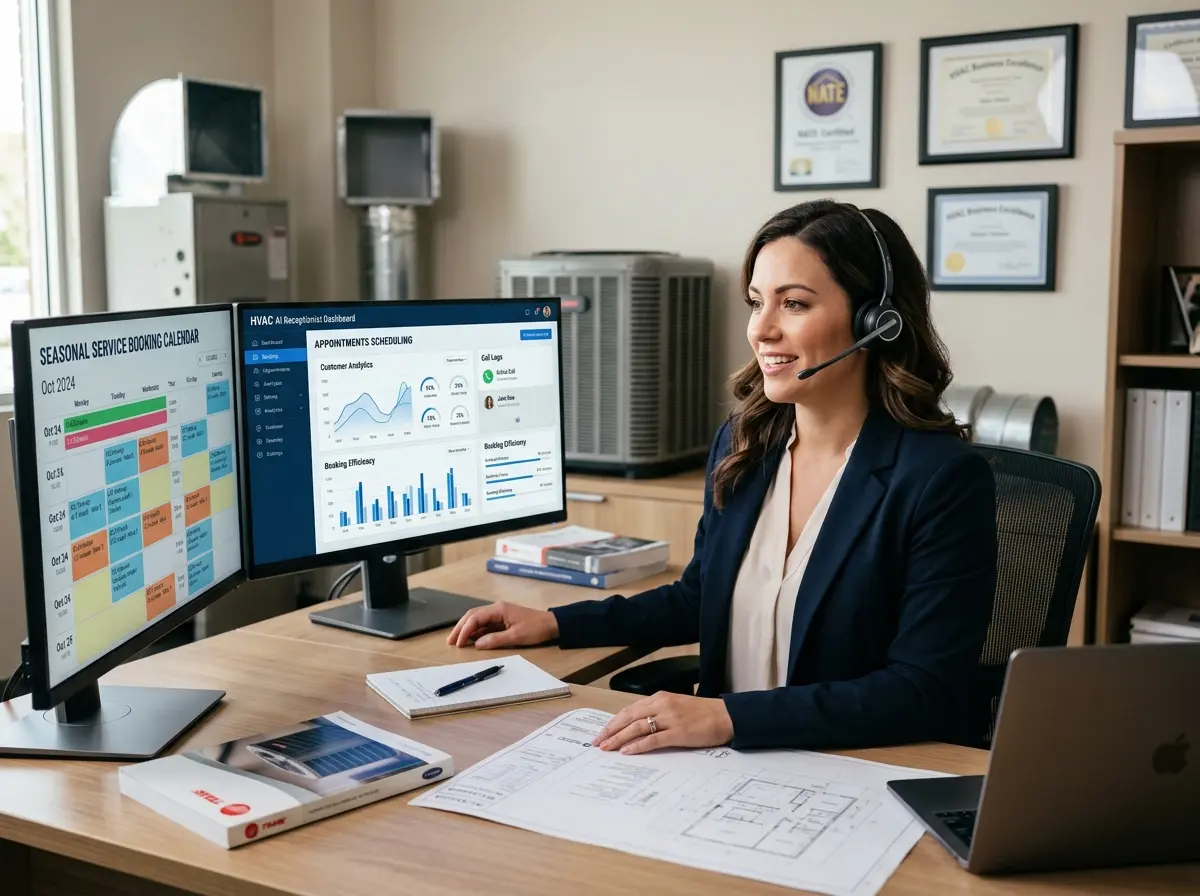
One of the most impactful changes RiverCity made was deploying an AI phone receptionist to handle after-hours calls, overflow during busy periods, and any call that would otherwise go to voicemail. Stella, an AI robot employee and phone receptionist, answers every call with a consistent, friendly, professional greeting — 24 hours a day, 7 days a week — and actually knows what she's talking about. She can answer questions about services, pricing ranges, service areas, and availability, and she collects structured intake information through a conversational process that feels natural rather than robotic.
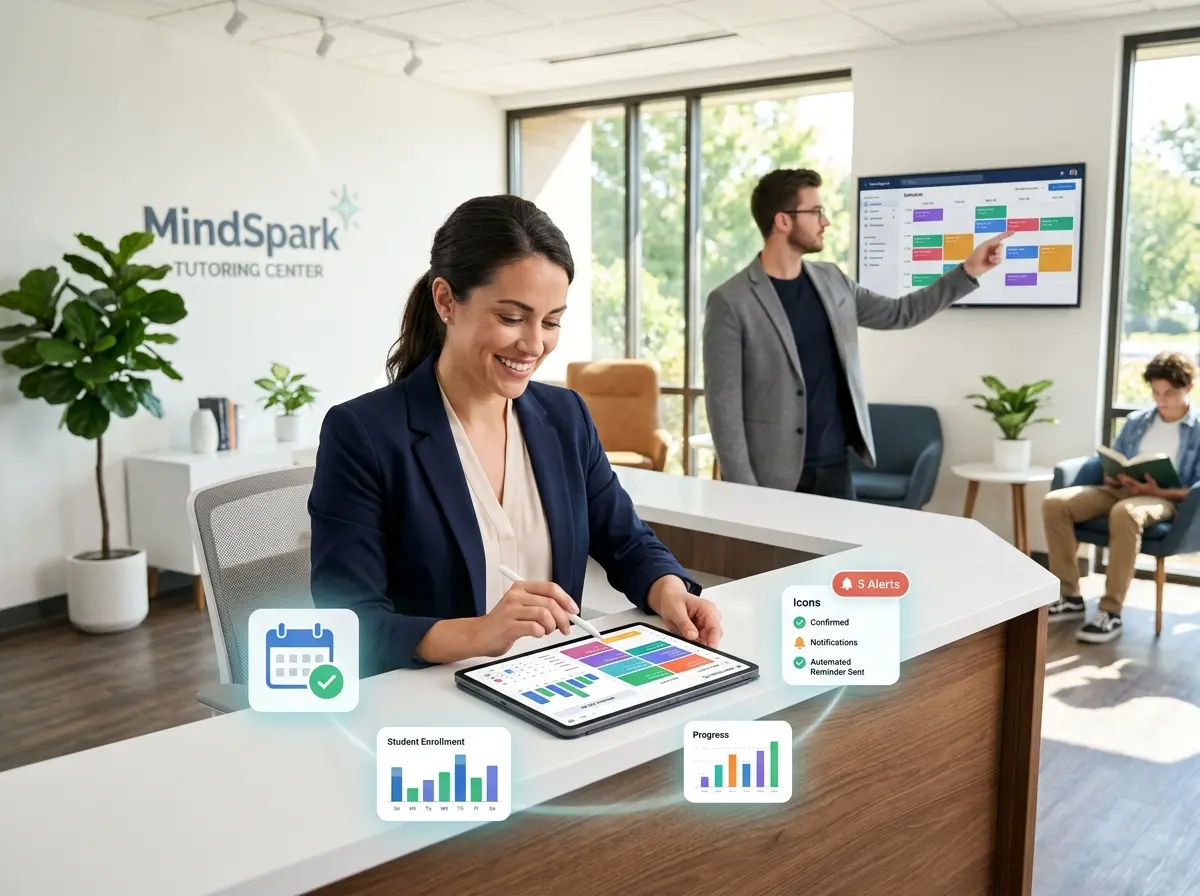
What makes Stella especially useful for a business like a plumbing company is that she doesn't just take a message and disappear. She generates AI-summarized voicemails with push notifications sent directly to the manager's phone, so urgent calls get flagged immediately. She can also forward calls to human staff based on configurable conditions — so if it's a plumbing emergency and a technician is available, the call goes through live. If it's a routine estimate request at 9 PM, she handles it herself and logs everything in her built-in CRM. For businesses that also have a physical location, she can even greet walk-in customers at the front as a human-sized kiosk — but for service businesses, the phone capability alone pays for itself quickly.
The Three Changes That Actually Moved the Needle
Change #1 — A Scripted, Consistent Opening That Built Instant Trust
They also trained their human staff on active listening cues — phrases that signal to the caller that their problem is being taken seriously. Words like "absolutely," "we can definitely help with that," and "let me make sure we get this right for you" create a sense of competence and care in the first 30 seconds.
Change #2 — Structured Intake Questions That Converted Browsers Into Booked Jobs
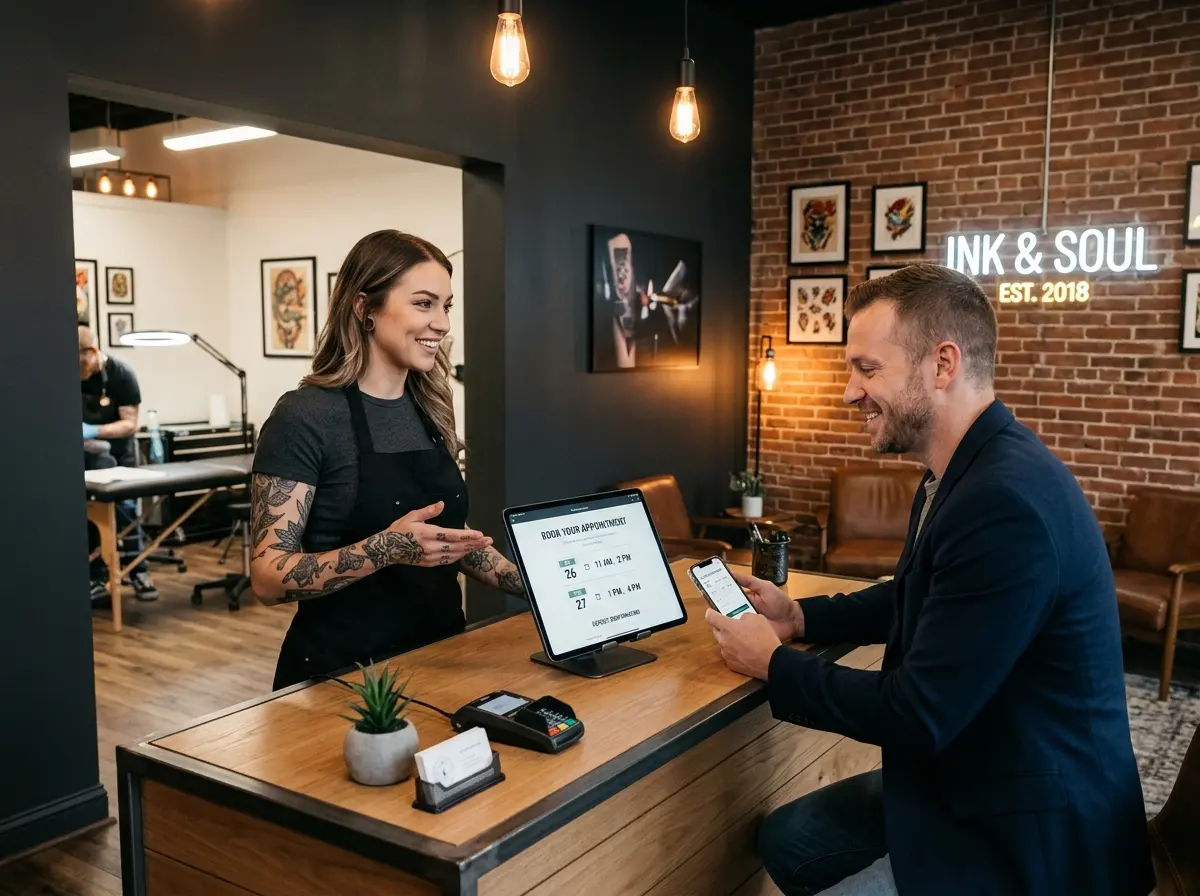
The second change was implementing a standardized intake flow for every inbound call. Five questions, every time: What's the issue? Where are you located? Is this urgent or can it wait? What's the best way to reach you? And — critically — when are you available for us to come out? That last question is a closer. It assumes the booking is happening and invites the customer to participate in scheduling, which dramatically increases conversion compared to ending a call with a vague "we'll reach out soon."
Change #3 — Following Up With Missed Calls Within 5 Minutes
The final piece of the puzzle was speed. RiverCity committed to a 5-minute callback window for any missed call during business hours, and same-night follow-up for after-hours contacts. The data on this is striking: leads contacted within 5 minutes are up to 100 times more likely to convert than those reached after 30 minutes. In a service business where urgency is often the primary motivator for the call, being first to respond isn't just helpful — it's the whole game.
Quick Reminder About Stella
Stella is an AI robot employee and phone receptionist that answers calls 24/7, collects lead information through conversational intake, manages contacts in a built-in CRM, and keeps your business running professionally even when your team can't pick up. For businesses with a physical location, she also greets customers in person as a human-sized kiosk — all for $99/month with no upfront hardware costs. She doesn't call in sick, she doesn't put people on hold to go find someone, and she never mumbles your company name.
Your Next Steps Start With a Single Phone Call (Yours)
RiverCity's 40% increase in captured leads didn't come from a massive marketing budget or a rebrand. It came from taking seriously something most businesses treat as an afterthought: what happens when someone actually tries to reach you. The leads were already there. They just weren't being caught.
- Audit your missed call rate. Pull your call logs for the last 30 days and count how many went unanswered or to voicemail. The number will probably surprise you.
- Rewrite your greeting. Make it warm, consistent, and structured. Train every person who answers the phone — human or AI — to use it every single time.
- Build a 5-question intake form. Use it on every call. Make "when are you available?" the closing question.
- Set a 5-minute callback standard for missed calls during business hours and same-evening for after-hours.
- Consider AI reinforcement for the gaps your team can't cover — evenings, weekends, and those chaos moments when everyone is slammed at once.