Your Spa's Retail Shelf Is Lonely — Let's Fix That
You've invested in a beautiful retail display. You've stocked it with premium serums, luxurious body butters, and that one face mist that smells like a vacation you deserve but haven't taken. And yet — your clients walk out the door after their treatments, glowing and relaxed, without a single product in hand. The shelf sits there. Waiting. Judging you quietly.
Here's the thing: your spa is sitting on a cross-sell goldmine. Your clients have just experienced the best version of their skin, their muscles, or their overall sense of well-being. They are literally in the most receptive state possible to hear about the products that created those results. And yet, most spas leave that conversation to chance — or worse, leave it to a tired esthetician at the end of a long shift who just wants to go home.
A well-built cross-sell funnel between your treatment menu and retail products doesn't just boost revenue. It deepens client relationships, extends the results of your services, and turns one-time visitors into loyal regulars who trust your recommendations. So let's build one — strategically, intentionally, and without being that pushy sales person nobody wants to become.
Mapping Your Treatments to Your Products (Before You Do Anything Else)
The foundation of every effective cross-sell funnel is relevance. Clients don't want to be sold to — but they absolutely want solutions to problems they already have. Your job is to create clear, logical bridges between what just happened to their body or skin and what they can take home to keep that magic going.
Create a Treatment-to-Product Matrix
Start with a simple spreadsheet. List every service you offer down one side — facials, massages, body wraps, lash treatments, whatever your menu includes. Across the top, list your retail products. Then, honestly and specifically, map which products directly support, extend, or complement each service. A hydrating facial pairs naturally with a hyaluronic acid serum and a gentle cleanser. A deep tissue massage pairs with a magnesium muscle recovery oil. A scalp treatment pairs with a nourishing leave-in conditioner.
Be ruthless about relevance here. If the connection between a service and a product isn't immediately obvious, it's not a strong cross-sell — and your clients will sense the stretch. The tighter the relationship between service and product, the more natural the recommendation feels, and the higher your conversion rate will be.
Develop Tiered Recommendations for Every Service
Once your matrix is built, develop a tiered recommendation structure for each treatment. Think of it in three levels: the essential (one must-have product that directly extends results), the enhancement (a secondary product that adds value), and the experience upgrade (a premium or bundled option for clients who want the full-home-routine treatment). This approach lets your staff meet clients at different spending comfort levels without awkwardness. A client on a budget can grab the essential. A client who's already in love with their results might happily bundle all three.
Train Your Team to Tell the Story, Not Make the Sale
There's a significant difference between recommending and pitching. Pitching feels transactional. Recommending feels like your esthetician is looking out for you. Train your team to explain the why behind every recommendation — what the product does, how it connects to what was just done during the treatment, and what results the client can expect at home. Scripts help, but the goal is for recommendations to feel natural and conversational, not rehearsed. Role-play the conversations in team meetings. Make it normal. Make it comfortable. Your retail numbers will thank you.
Using Technology to Automate and Scale Your Cross-Sell Funnel
Even the most enthusiastic team has bandwidth limits. That's where smart tools — including the right front-desk technology — can keep your funnel working even when your staff is elbow-deep in an aromatherapy massage.
Let Your Check-In and Check-Out Process Do the Heavy Lifting
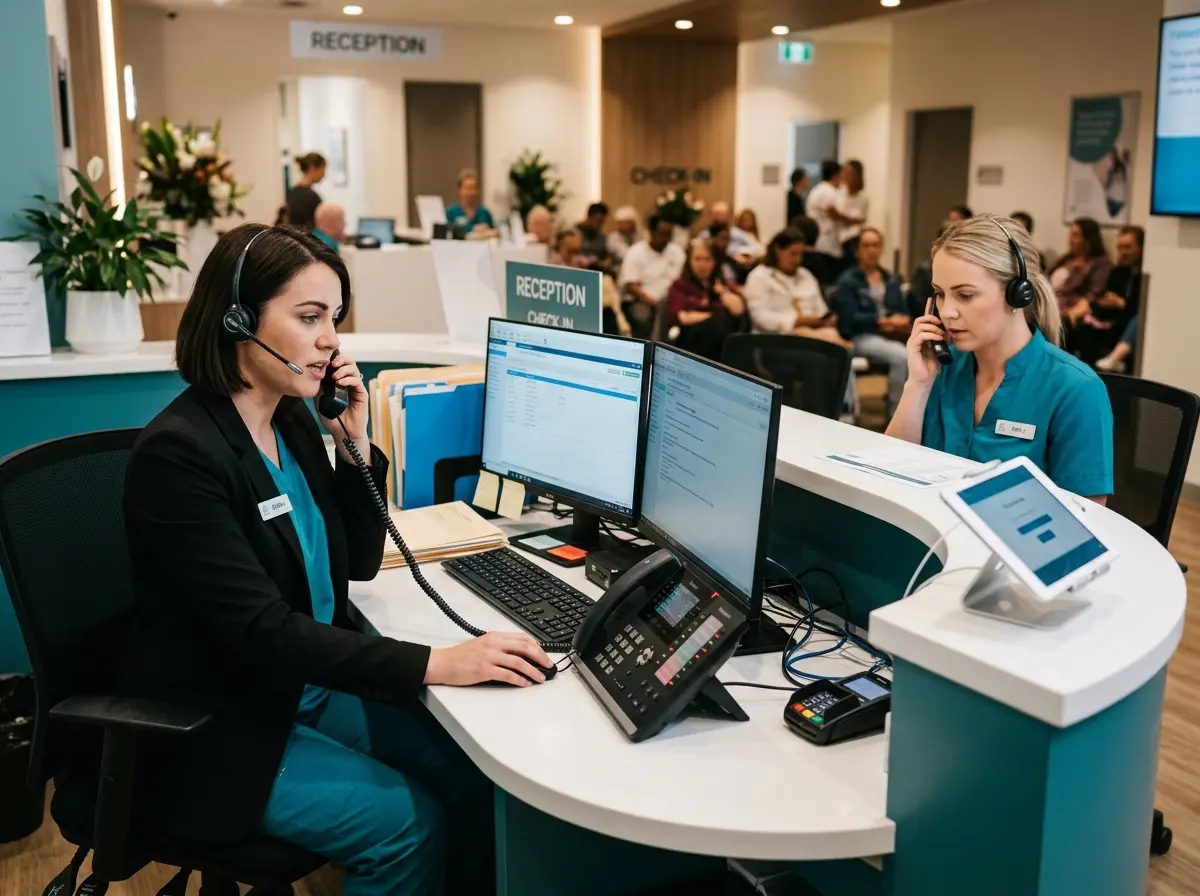
Stella, the AI robot employee and phone receptionist, is built for exactly this kind of proactive engagement. As a physical kiosk presence inside your spa, Stella can greet clients when they arrive, tell them about current retail promotions, and even highlight products related to the service they're about to receive — before they ever sit down in the treatment room. On the back end, after a visit, she can answer phone calls from clients asking follow-up questions, remind them of the products their esthetician recommended, and guide them toward a purchase or rebooking. That's a cross-sell funnel that literally never clocks out.
Stella's built-in CRM also lets you tag clients by treatment history, track which products have been recommended, and build a profile over time that makes every future interaction more personalized. When a client calls to rebook their monthly facial, Stella already knows what they've had done before — and can mention that their recommended serum is back in stock or that there's a current bundle promotion. That's not pushy. That's genuinely helpful service.
Structuring Your Funnel Across the Entire Client Journey
Cross-selling isn't a single moment — it's a sequence of touchpoints across the entire client experience. The spas that do it best think about the funnel in stages: before the appointment, during the service, at checkout, and after the visit. Miss any stage and you're leaving conversions on the table.
Before the Appointment: Prime the Pump
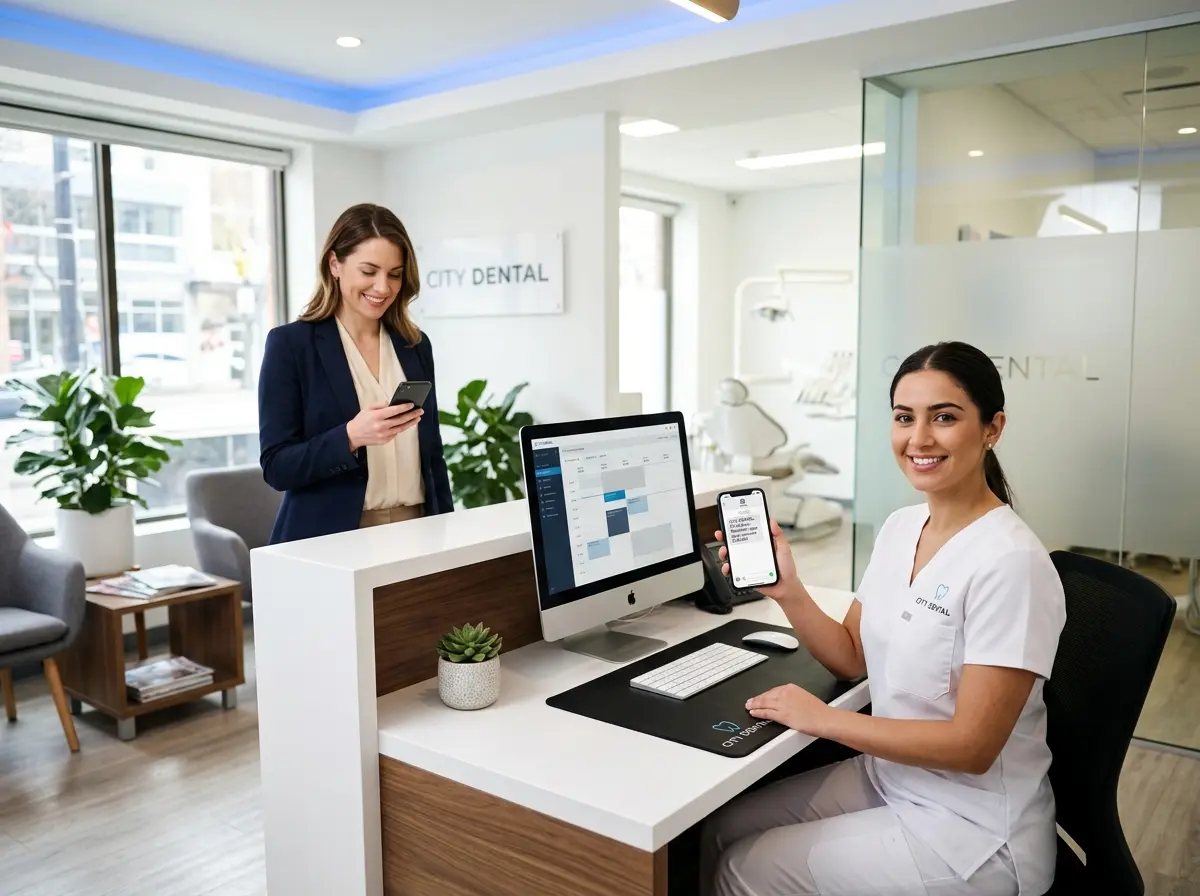
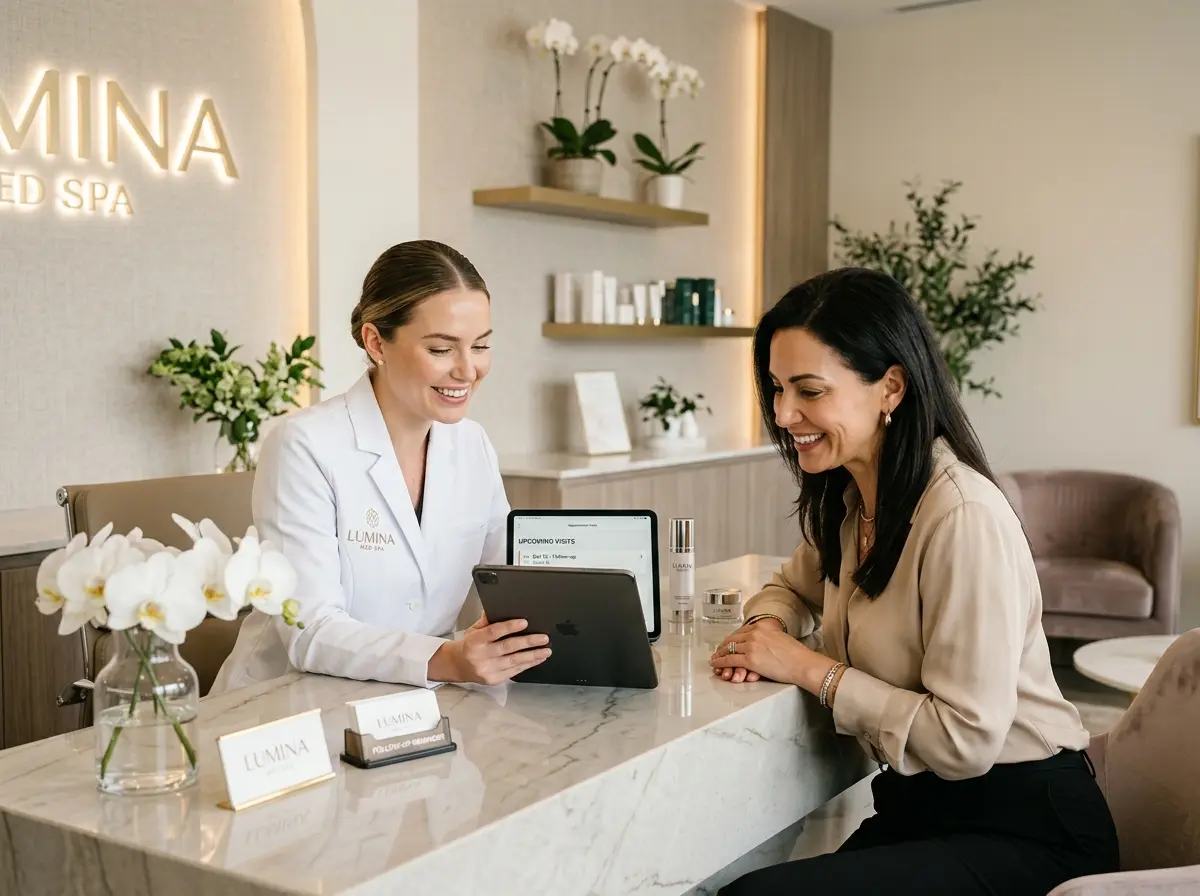
Your pre-visit communication is an underused asset. Confirmation emails and texts aren't just logistics — they're marketing real estate. Use them to briefly mention retail products that pair with the booked service. A simple line like, "Did you know we carry the exact post-treatment moisturizer we use in your upcoming facial? Ask your esthetician about it during your visit," plants a seed without feeling aggressive. You're not selling — you're building anticipation and awareness. Studies consistently show that familiarity increases purchase likelihood, so even a single mention before the visit materially improves your in-spa conversion rate.
During and After the Service: The Warm Handoff
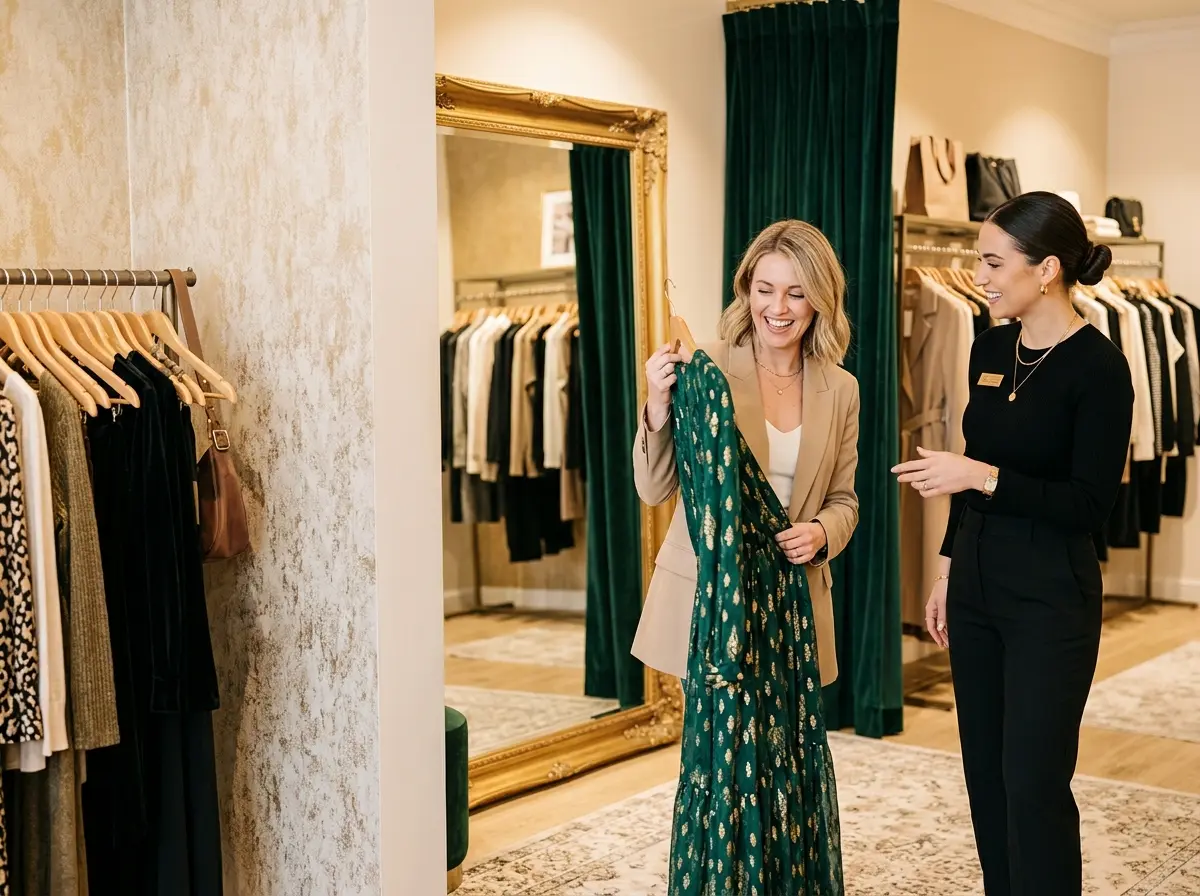
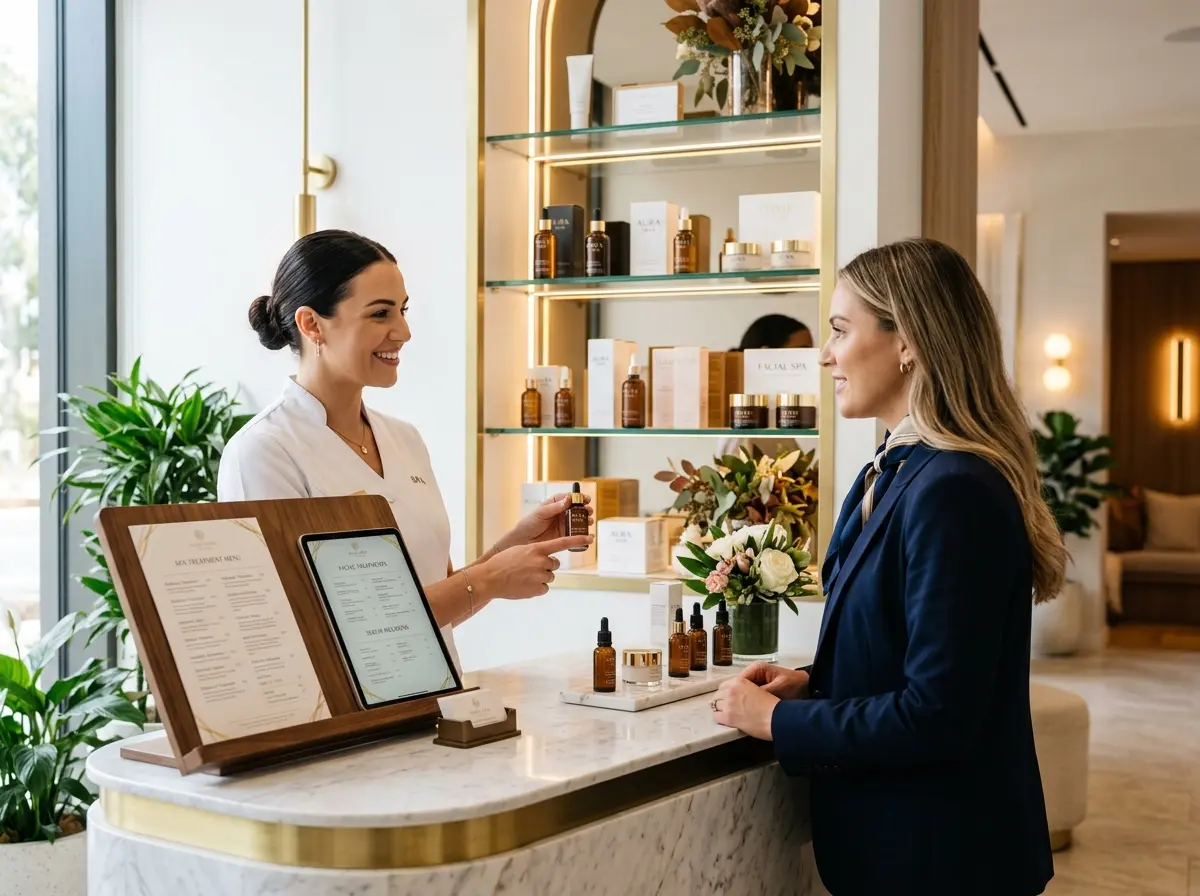
During the treatment, the recommendation should happen naturally — ideally as the esthetician explains what they're applying and why. At checkout, the front desk or kiosk should be ready to make the product visible, accessible, and easy to purchase. Physical product placement near your checkout counter matters more than most spa owners realize. If clients have to walk across the room or ask for something to be retrieved from a back shelf, friction kills the sale. Keep your top cross-sell products front and center, with clear signage that ties them back to specific services.
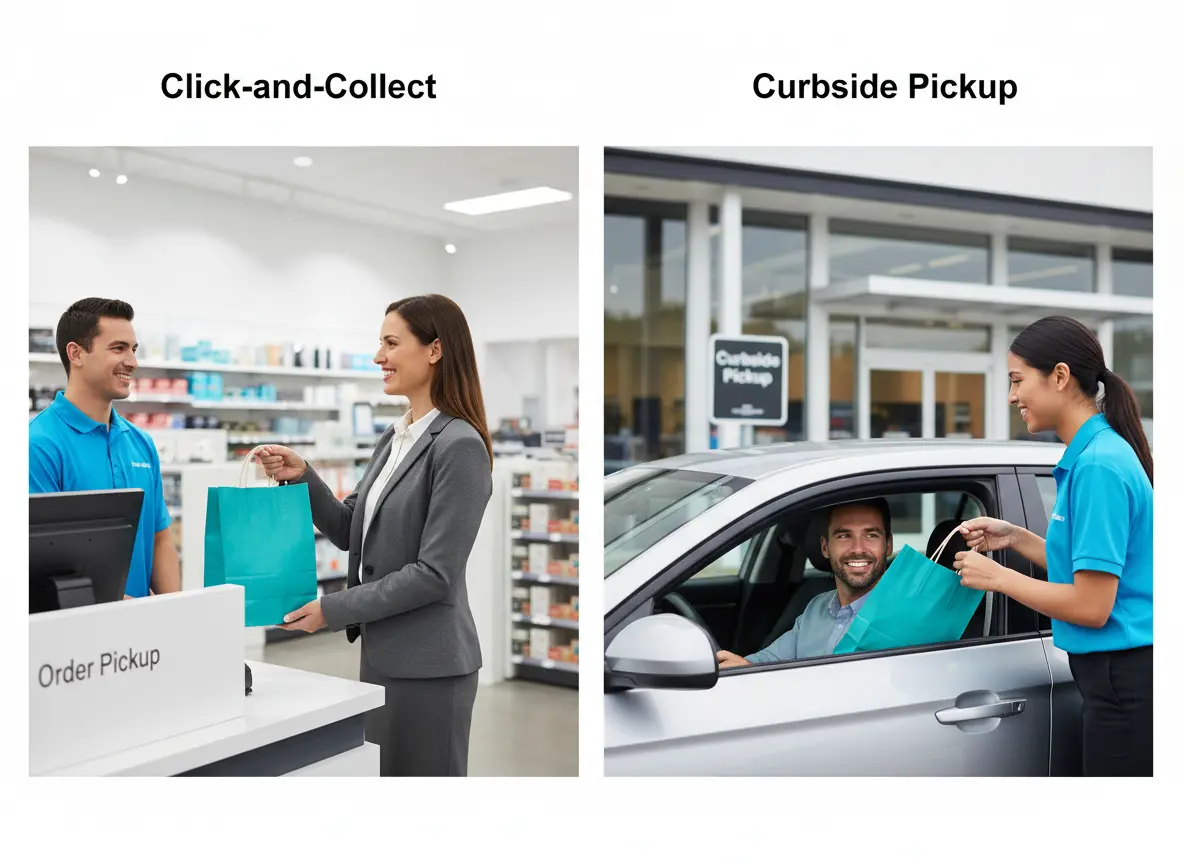
Post-visit follow-up is where most spas completely drop the ball. A simple text or email 24–48 hours after a treatment, mentioning the products discussed and making it easy to purchase online or call in an order, can recover a meaningful percentage of almost-conversions. Pair that with a loyalty incentive — points toward a free product, a small discount on first retail purchase — and you've built a loop that keeps clients engaged between visits.
Bundle Offers: The Cross-Sell Accelerator
Don't overlook the power of intentional bundles. A "Facial Results Kit" containing the cleanser, serum, and SPF your esthetician used — packaged together at a slight discount compared to buying individually — removes decision fatigue and increases average transaction value in one move. Research from McKinsey suggests that cross-selling done well can increase revenue by 20% or more. Bundles are one of the most effective vehicles for cross-selling in retail because they frame the purchase as a complete solution rather than an add-on. Name them well, price them attractively, and display them prominently.
Quick Reminder About Stella
Stella is an AI robot employee and phone receptionist designed to help businesses like yours operate more efficiently and sell more effectively. She stands inside your spa as a friendly kiosk presence and answers your phones 24/7 — greeting clients, promoting retail products, answering questions, and supporting your team without ever needing a break. At just $99/month with no upfront hardware costs, she's built to make businesses like yours look and run like a much larger operation.
Start Building Your Funnel This Week
Here's the honest truth: a cross-sell funnel between your treatment menu and retail products isn't complicated. It's a series of deliberate, well-timed conversations with clients who already trust you and already want results. The infrastructure — a treatment-to-product matrix, trained staff, smart technology, and thoughtful post-visit follow-up — is entirely within reach, and most of it costs very little to implement.
Start with your top five services. Build your product matrix for just those five. Train your team on the story behind each recommendation. Set up one post-visit follow-up sequence. Place your top three retail products at the checkout desk. Those five steps alone will move the needle more than any new service you could add to your menu this year.
Your retail shelf has been patient long enough. Time to give it some company.