Your Front Desk Is Leaving Money on the Table (Let's Fix That)
Picture this: a client walks in for a basic 60-minute Swedish massage, floats out the door an hour later completely relaxed, and you made exactly what you quoted her on the phone. No add-ons. No upgraded service. No retail product to extend that bliss at home. Just... the baseline. Meanwhile, your aromatherapy oils are gathering dust, your hot stone upgrade sits untouched, and your front desk team smiled politely and never once mentioned any of it.
Here's the uncomfortable truth: upselling isn't pushy — bad upselling is pushy. Done right, recommending a warm paraffin wrap or a CBD oil add-on is genuinely helpful. Your clients came to feel better. Help them feel better. It just so happens that this also grows your revenue, which is a rather pleasant side effect.
According to industry research, spa clients who are offered an upgrade or add-on at the point of booking or check-in accept them at rates between 20–30%. That's not a rounding error — that's a meaningful revenue stream you're currently walking past every single day. This post gives your front desk team the actual scripts, strategies, and mindset to start capturing it.
The Art of the Ask: Scripts and Timing That Actually Work
When to Bring It Up (Hint: It's Earlier Than You Think)
The biggest mistake front desk teams make is waiting too long. By the time a client is filling out intake paperwork or already thinking about their next appointment, the window for a smooth upsell has mostly closed. The ideal moment is during the booking conversation — whether that's on the phone, at the front desk, or even through a digital intake process. The second-best moment is during check-in, when the client is still in decision-making mode and hasn't yet melted into their treatment table.
Timing your ask well makes it feel like attentive service rather than a sales pitch. Think of it the way a good waiter recommends a wine pairing — not after you've eaten your entrée, but when you're still deciding what to order. The framing is everything, and the framing starts with timing.
Scripts That Sound Human (Not Like a Used Car Lot)
Your team doesn't need a five-page sales manual. They need a handful of natural, conversational lines they can deliver with genuine warmth. Here are a few that work well across different scenarios:
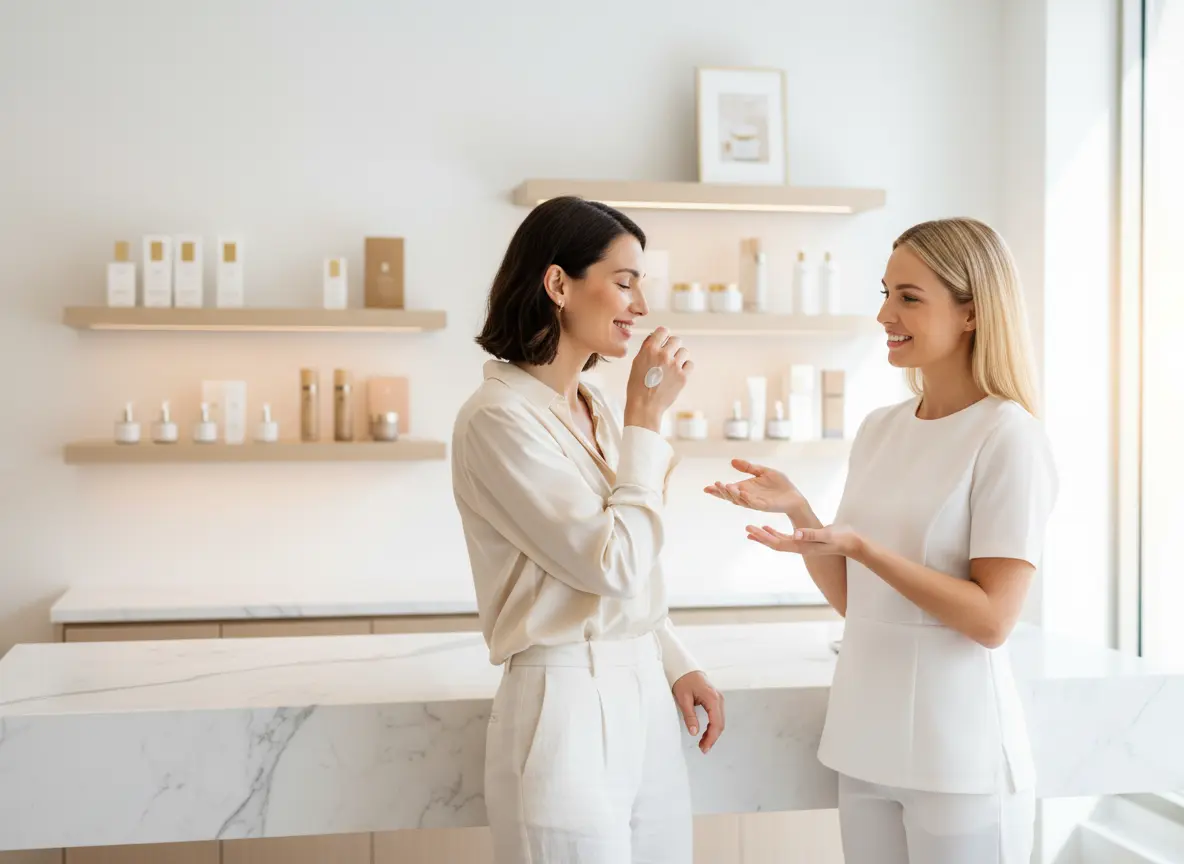
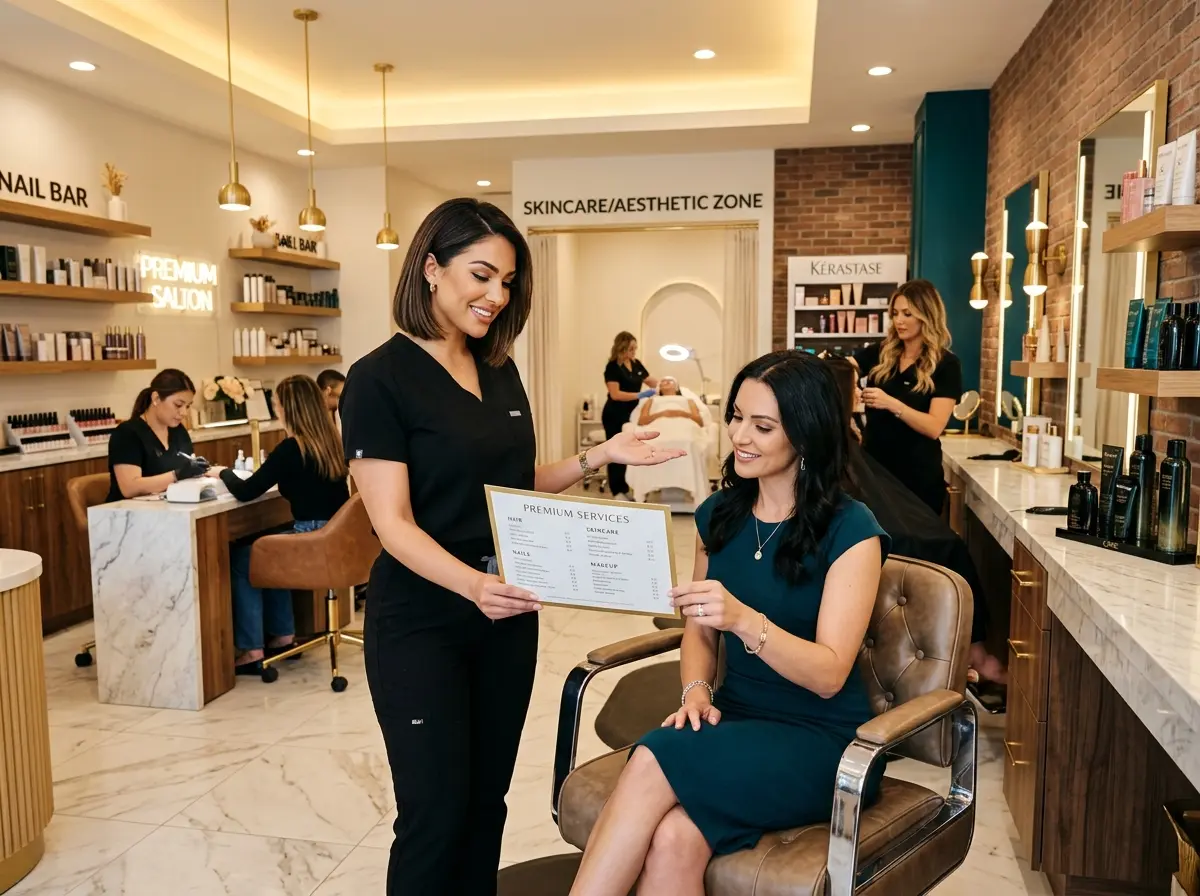
- At booking: "Since you're coming in for a deep tissue session, a lot of our clients love adding the hot stone upgrade — it really helps the therapist work deeper without extra pressure. Want me to add that on for you? It's just $25 more."
- At check-in: "We're actually running a special today on our vitamin C facial enhancement — it pairs really well with the service you have booked. Would you like to hear about it?"
- Post-treatment, at checkout: "Your therapist used our lavender recovery blend today — we carry it in the retail area if you'd like to keep that going at home."
Notice what these scripts have in common: they explain the benefit, they reference the specific service the client already chose, and they make the ask feel easy rather than awkward. Nobody wants to feel sold to. Everyone wants to feel taken care of. Write that distinction on a Post-it note and stick it somewhere your team will see it.
Training Your Team to Embrace the Conversation
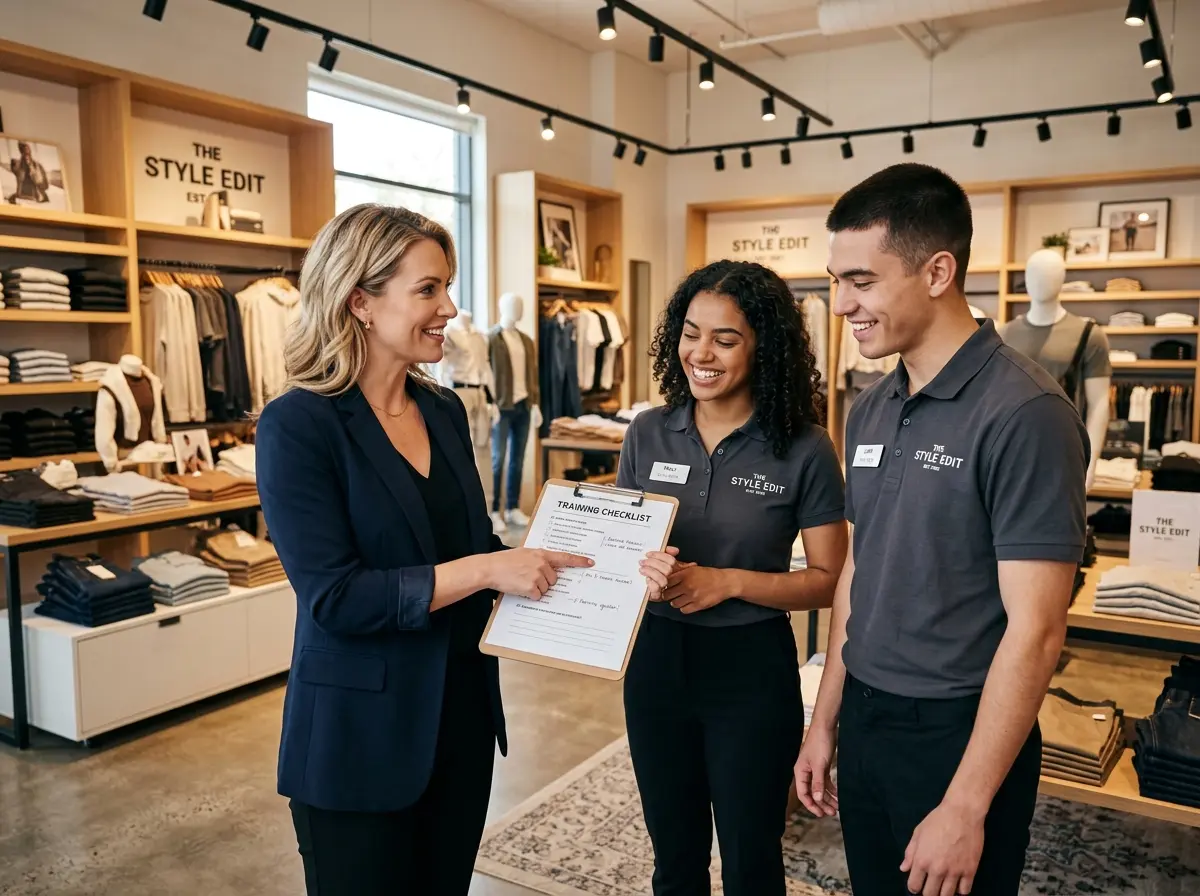
Even the best script fails in the hands of someone who's embarrassed to deliver it. Front desk staff often shy away from upselling because they conflate recommending with pressuring — and that's a training problem, not a personality problem. Role-playing these conversations in team meetings, even briefly, dramatically increases how naturally they come out in real interactions. Pair that with a simple commission structure or team incentive for add-on bookings, and you'll be surprised how quickly hesitation transforms into enthusiasm. People perform better when they feel like participants rather than vending machines.
Let Technology Handle the First Move
Automating the Upsell Before a Human Even Says Hello
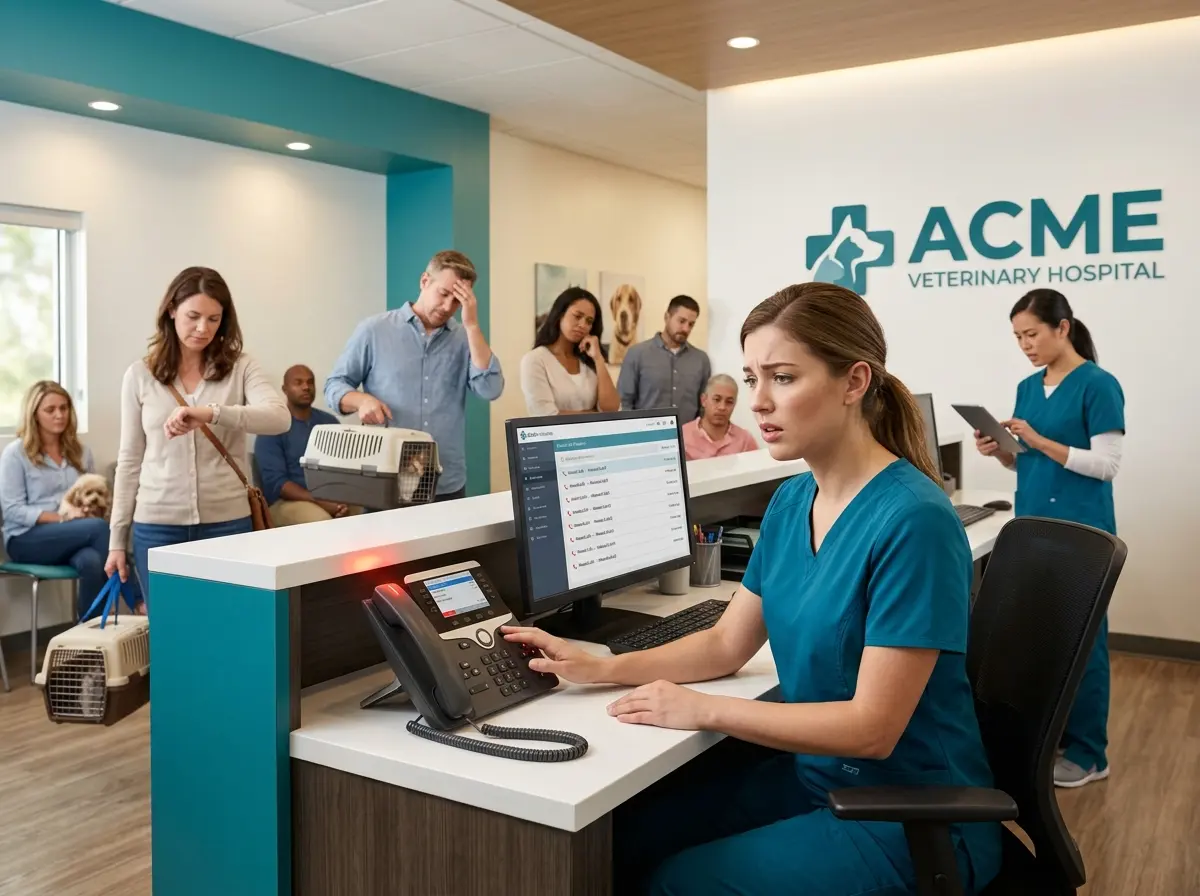
Your front desk team is talented, but they're also human — meaning they get busy, distracted, or just have off days where the upsell script slips their mind entirely. That's where a little technological reinforcement pays for itself. Stella, the AI robot receptionist and in-store kiosk, is built for exactly this kind of consistent, on-brand customer engagement. Whether she's greeting walk-in clients from her kiosk position in your lobby or answering phone calls at 11 PM when your team has long gone home, she proactively mentions your current promotions, upgrade options, and add-on services — every single time, without fail, without forgetting, and without ever getting flustered.
Stella can be configured to know your service menu inside and out, including which add-ons pair well with which treatments — so when a caller asks about a basic facial, she can naturally mention that your enzyme peel enhancement is a popular addition. No commission required. No bad day to account for. Just a reliable, professional first impression that sets your human team up for an easier close.
Building a Culture Where Upselling Feels Natural
Make It About the Client, Not the Commission
The most effective upselling cultures in the spa and wellness industry share one trait: they're client-obsessed, not revenue-obsessed. That might sound counterintuitive, but it's actually the fastest path to higher revenue. When your team genuinely believes that recommending an add-on makes the client's experience better — and when they're trained to actually listen to what clients say they need — the recommendations land differently. A client who mentions they've been stressed at work is a natural candidate for an aromatherapy enhancement. A client who mentions tension headaches might benefit from a scalp massage add-on. The intelligence is already in the conversation. Your team just needs permission to act on it.
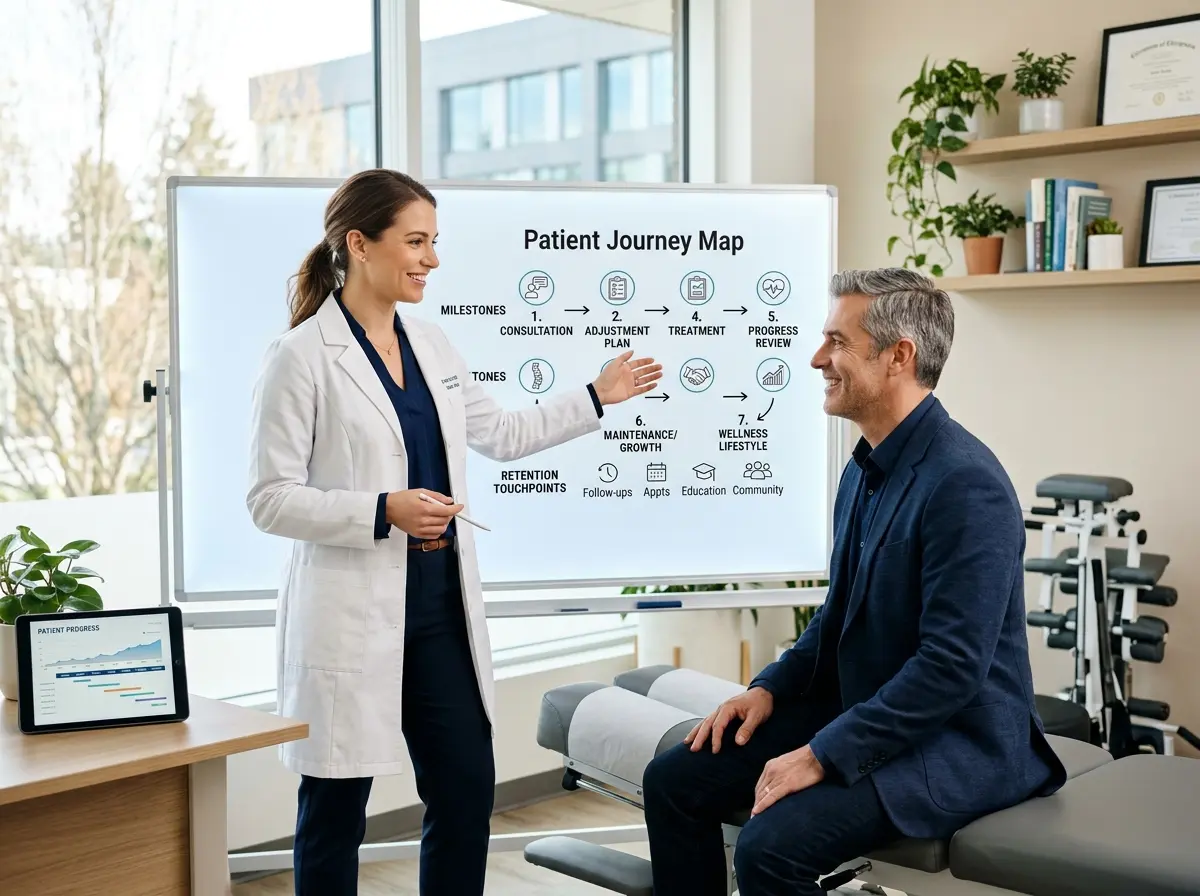
Create a simple internal standard: every client interaction should include at least one relevant recommendation. Not a hard sell — a recommendation. The difference is intent. Document which recommendations worked and which didn't, and use those insights to refine your approach over time. This turns upselling from a guessing game into a repeatable system.
Packaging and Bundling: The Sneaky Good Strategy
Sometimes the most effective upsell isn't an add-on at all — it's a package. Bundling services together at a slight discount creates perceived value that makes the higher price point feel like a deal. A "Stress Relief Signature Package" that combines a 60-minute massage, an aromatherapy enhancement, and a take-home bath soak retails for less than buying each separately but generates significantly more revenue per visit than the massage alone. More importantly, it eliminates the awkward moment of asking for the upgrade because the client has already bought into the full experience.
Consider creating two or three signature packages at different price points, giving clients a clear choice structure — entry, mid-tier, and premium. Decision science research consistently shows that people presented with three options tend to choose the middle one. Price your most profitable offering there, and let human psychology do the heavy lifting.
Tracking What's Working (Because Feelings Aren't Data)
You can't improve what you don't measure. Start tracking your average ticket value per client, your add-on attachment rate, and which specific upgrades are being recommended versus which are actually being purchased. If your team mentions the hot stone upgrade 80% of the time but only closes it 5% of the time, that's a signal — either the price is off, the script isn't landing, or the timing is wrong. If your aromatherapy add-on converts at 35%, you know to lead with that one. Small data, analyzed regularly, produces outsized results in a service business like a spa.
Quick Reminder About Stella
Stella is an AI robot employee and phone receptionist designed to work alongside your human team — greeting clients at the kiosk in your lobby, answering calls around the clock, and proactively promoting your services and specials without missing a beat. At just $99/month with no upfront hardware costs, she's one of the most cost-effective ways to ensure your upselling efforts never go on break. Think of her as the team member who always remembers the script.
Start Small, Stay Consistent, and Watch the Numbers Move
Upselling at a spa doesn't require a personality transplant for your front desk team or a complete overhaul of your operations. It requires clear language, good timing, genuine intent, and consistent follow-through. Start by picking one add-on service and building a single strong script around it. Train your team on it this week. Role-play it twice. Then measure your attachment rate for the next 30 days and see what happens.
From there, layer in packages, technology, and tracking systems as your team builds confidence and your data tells you where the opportunities are. The goal isn't to squeeze every client for every dollar — it's to ensure that every client leaves having experienced the full value your spa is capable of delivering. That's good business. That's also, genuinely, better service.
Your front desk isn't just a check-in station. It's your highest-leverage sales touchpoint. Treat it accordingly, give your team the tools and language they need, and let the revenue follow naturally. It's already there — you just have to stop leaving it on the table.