Are Crickets Chirping in Your Store? It's Time to Automate Them Away.
Let’s paint a picture. It’s 2 PM on a Tuesday. The sun is shining, birds are singing, and absolutely no one is walking through your front door. Your staff is perfecting the art of looking busy, which mostly involves refolding the same shirt for the eleventh time. You can almost hear the tumbleweeds rolling past the cash wrap. This, my friend, is the dreaded Slow Day—a silent killer of profit, morale, and your will to live.
You’ve tried the usual tricks. The A-frame sign on the sidewalk with a witty, hand-written pun. The desperate Instagram story promising “Good Vibes Inside!” that gets viewed by your mom and two bots. Maybe you even considered hiring one of those wacky, waving, inflatable, arm-flailing tube men. (No judgment, we’ve all been there.) But what if there was a better way? A way to proactively turn that Tuesday ghost town into a bustling hotspot without standing on the corner spinning a sign yourself? Enter email automation: your secret weapon for making the door chime sing on even the dreariest of days.
Laying the Foundation: Smart Segmentation and Irresistible Offers
Before you start blasting out emails with subject lines like “PLEASE COME IN, WE’RE LONELY,” we need to get strategic. The magic of email automation isn’t in its volume; it’s in its precision. Firing off a generic 20% off coupon to your entire list is like using a fire hose to water a single houseplant. It’s messy, wasteful, and you’ll probably just annoy everyone. The goal is to send the right message to the right person at the right time.
Stop Blasting Your Entire List (You're Not a DJ)
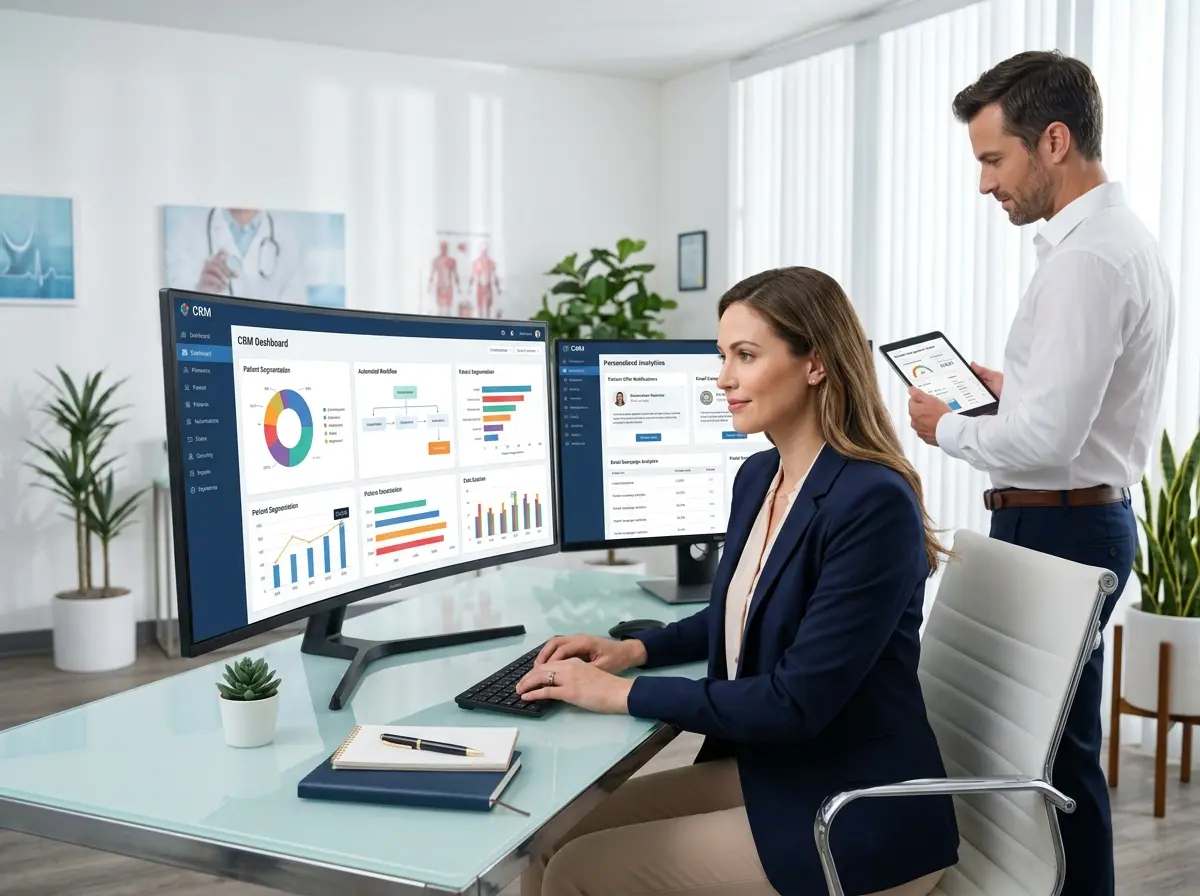
The first rule of effective email marketing is to stop treating your customer list like a monolith. They are a diverse group of individuals with different shopping habits and histories. Segmentation is the process of dividing them into smaller, more targeted groups. Think of it as sorting your laundry—you wouldn't wash your delicate silks with your muddy work jeans. Why treat your high-spending VIPs the same as someone who hasn't shopped with you in a year? Here are a few essential segments to start with:
- VIPs: Your ride-or-dies. These are your top 10-20% of customers who spend the most or shop the most frequently. They deserve exclusive perks and early access.
- Recent First-Time Buyers: They just swiped their card for the first time. The goal now is to turn them into a repeat customer before they forget how awesome you are. -
- Lapsed Customers: The ones who got away. They haven't made a purchase in, say, 90 or 180 days. They need a compelling reason to come back.
- Category Shoppers: Customers who consistently buy from a specific department, like women's shoes or home goods. You can target them with new arrivals in their favorite category.
By segmenting, your emails transform from generic junk mail into helpful, personal recommendations. According to Mailchimp, segmented campaigns get 14.3% more opens and a whopping 101% more clicks than non-segmented campaigns. The data doesn't lie.
Crafting Offers They Can't Refuse (Without Giving Away the Store)
Now that you know who you’re talking to, it's time to figure out what to say. A compelling offer isn't always about a race to the bottom on price. It’s about creating value and a sense of urgency. For a slow Tuesday, a generic “10% Off” might not be enough to get someone off their couch. You need something more enticing. Consider these slow-day saviors:
- The "Free Gift with Purchase": "Stop in today and get a free tote bag with any $75 purchase!" This feels like a bonus, not just a discount, and can increase the average transaction value.
- The "VIP Exclusive": "Just for you: An extra 15% off all sale items, this Wednesday only. Show this email to redeem." This makes your best customers feel seen and appreciated.
- The "Experience-Based" Offer: "Bored at your desk? Escape to our store for a free coffee and a first look at our new fall collection from 1-4 PM today." This turns shopping from a transaction into an event.
- The "BOGO Remix": Instead of a straight BOGO, try "Buy one pair of jeans, get 50% off any top." This encourages cross-category shopping and helps you move specific inventory.
Match the offer to the segment. A lapsed customer might need a more aggressive "We miss you! Here’s $15 off your next visit," while a VIP might be more tempted by early access to a new product line.
Amplifying Your In-Store Experience
Getting them through the door is only half the battle. If a customer walks in, lured by your perfectly crafted email, and is met with a disengaged employee or can't find the product on promotion, you’ve wasted all that effort. The in-store experience must deliver on the email's promise, creating a seamless journey from inbox to aisle.
From Email to Entrance: Connecting the Digital and Physical
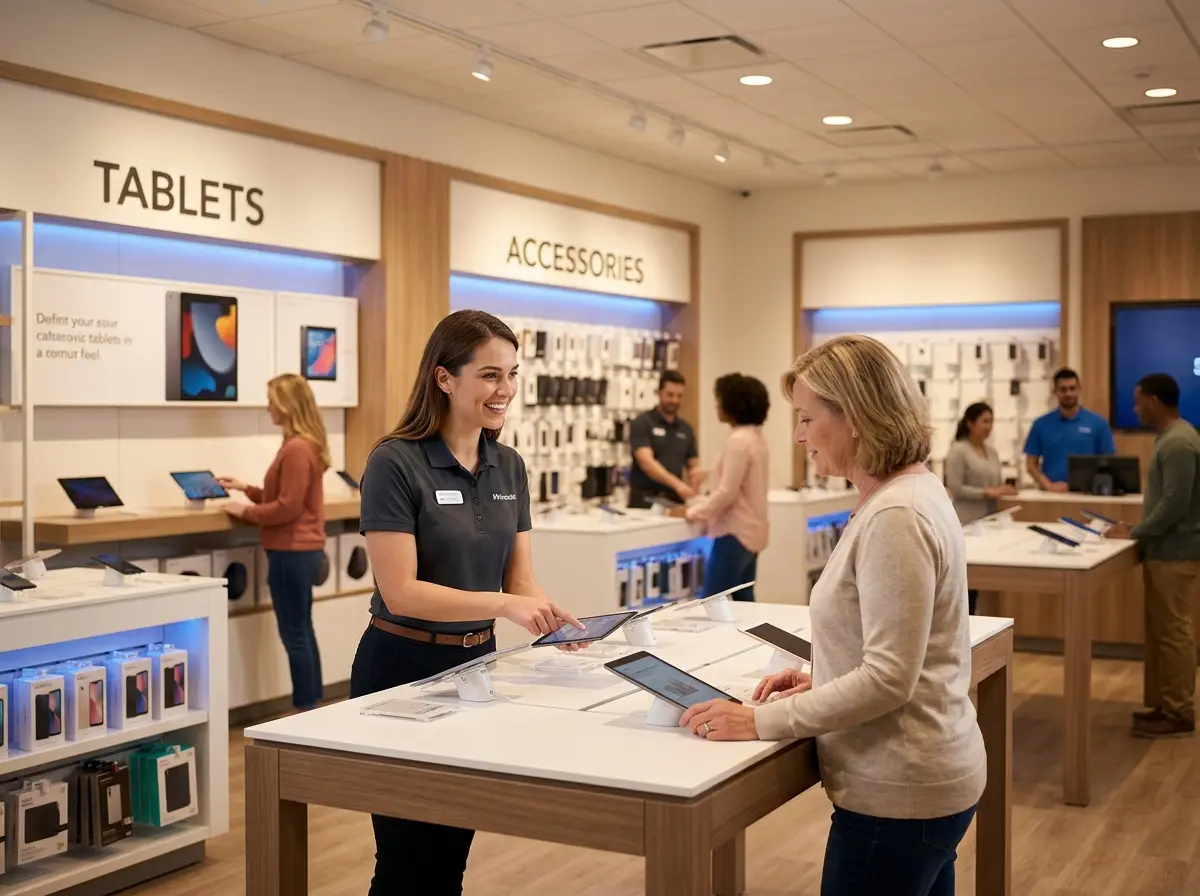
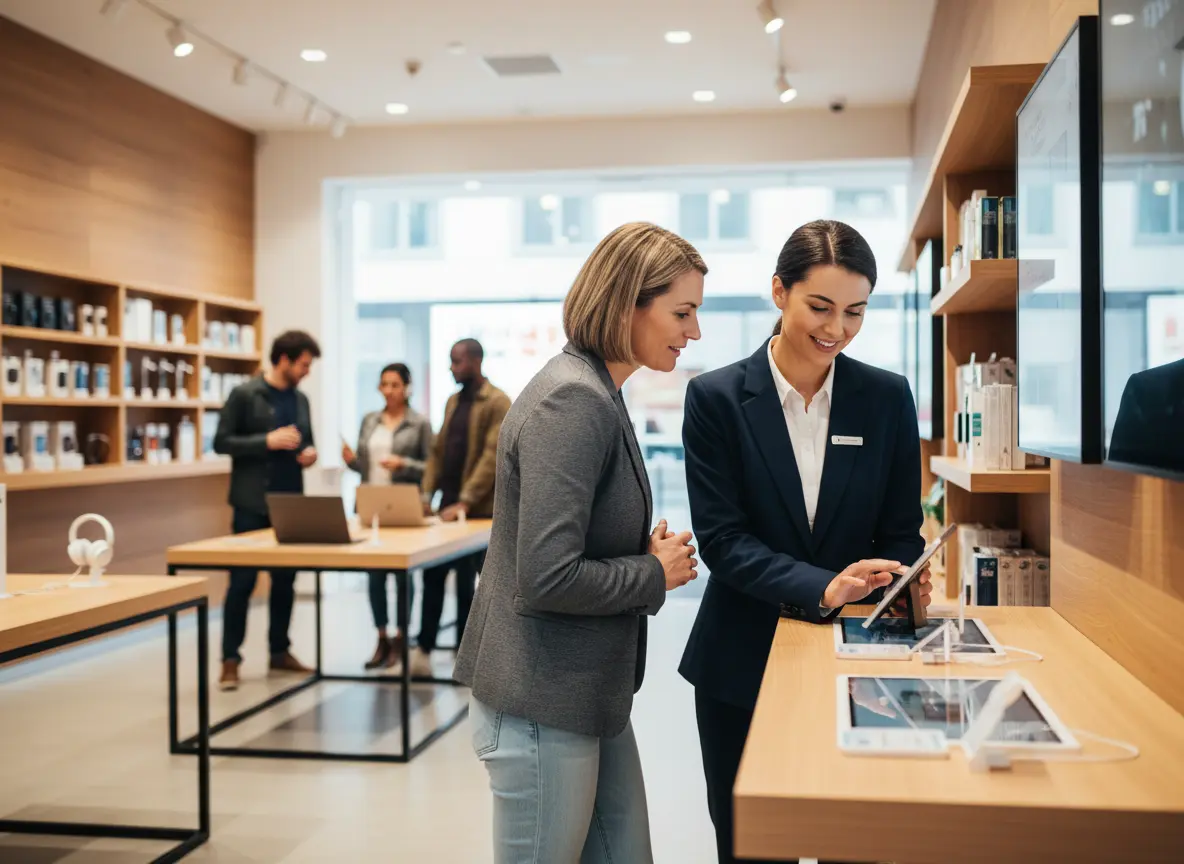
Imagine a customer arrives, excited about your "Treat Yourself Tuesday" offer. The last thing you want is for them to wander around confused. This is where you can bridge the gap. When that customer walks in, they can be greeted by a friendly, consistent presence like Stella, our in-store robot assistant. Instead of hoping a busy staff member notices them, they get an immediate, warm welcome. Stella can be programmed to say, "Welcome! So glad you could make it for our Treat Yourself Tuesday special. All sweaters are buy-one-get-one 50% off today—they're right over here to your left!" This instantly validates their decision to come in, reinforces the promotion, and guides them directly to the sale. It ensures your marketing efforts pay off the second they cross the threshold, freeing up your human team to provide deeper, more personalized styling and sales advice.
The Nuts and Bolts: Automation Workflows That Actually Work
Okay, theory is great, but let's get practical. An "automation" or "workflow" is simply a pre-set series of emails that trigger based on a customer's action (or inaction). Setting up a few of these is like hiring a tiny, remarkably efficient marketing employee who works 24/7. Here are three powerful workflows you can build to combat slow days.
The "It's Been a While" Re-Engagement Flow
This classic workflow is designed to win back customers who have gone MIA. It's an automated tap on the shoulder to remind them you exist.
- Trigger: A customer has not made a purchase in 90 days.
- Email #1 (Day 90): A friendly, low-pressure email. Subject: We've Missed You! A little something to welcome you back. The body contains a modest offer, like 15% off or free shipping, to entice them back.
- Email #2 (Day 120): If they haven't bitten, up the ante. Subject: Is it us? Let's make things right. This email could feature a more compelling offer ($20 off $100) or a short survey asking for feedback in exchange for a discount.
- Email #3 (Day 180): The final attempt. This can be a last-chance, high-value offer or a "cleansing" email asking if they still want to hear from you. This helps keep your list healthy and full of engaged subscribers.
The "Weather-Triggered" Slow Day Savior
This one is a bit more advanced, but it's pure genius. Many modern email service providers can integrate with weather APIs to send emails based on the local forecast. You already know that a miserable, rainy Wednesday is going to be dead. So, get ahead of it.
- Trigger: The forecast for your store's zip code predicts rain between 9 AM and 5 PM on a weekday.
- The Email (sent that morning): Subject: Don't let the rain win. ☂️ Here's a reason to smile. The message is simple: "Looks like a dreary day out there. Brighten it up with 20% off your entire purchase in-store today only! Just show this email at checkout."
This kind of automation feels incredibly personal and timely. You’re acknowledging your customer's reality (the bad weather) and giving them a perfect solution. It transforms a business-killing weather event into a traffic-driving opportunity.
The "Post-Purchase" Bounce-Back Offer
The best time to ask for a second date is at the end of a great first date. The same logic applies to retail. An automated post-purchase email is designed to shorten the time between visits and build loyalty from the get-go.
- Trigger: A customer completes a purchase.
- The Email (sent 24 hours later): Subject: Thanks for stopping by, [Customer Name]! A little thank you from us. The email thanks them for their purchase and includes a "bounce-back" offer, like "Enjoy 10% off your next visit within 14 days."
This simple gesture does two things: it makes the customer feel appreciated, and it provides a clear incentive to return soon, potentially turning a one-time shopper into a regular.
A Quick Reminder About Stella
While a killer email strategy gets customers to your door, the in-store experience is what makes them stay, spend, and return. That's where an AI retail assistant like Stella shines. She ensures that the momentum you build with your email campaigns continues inside, greeting every customer, highlighting the exact promotions they came for, and making sure no opportunity is missed, even when your team is busy.
Conclusion: Your Slow Days Are Numbered
Let's be clear: slow days don't have to be an inevitable part of the retail calendar. They are a problem with a solution. By ditching the generic email blasts and embracing smart, targeted automation, you can take control of your foot traffic. It starts with understanding your customers through segmentation, crafting offers that provide real value and urgency, and creating automated workflows that do the heavy lifting for you.
You don't need a massive budget or a PhD in data science to start. Your homework for this week is simple: Pick your historically slowest day. Identify just one customer segment—maybe it's your VIPs or customers who haven't visited in 6 months. Then, craft and schedule one simple, targeted email with a compelling offer. That's it. Start small, measure the results, and build from there.
Go on. It's time to trade the sound of crickets for the chime of your front door. That wacky, waving, inflatable, arm-flailing tube man can finally take a well-deserved rest.