Let's Talk About That Box in the Back
You know the one. It’s sitting in your storeroom, filled with that one product you were so sure would be a bestseller. Maybe it’s a case of artisanal, gluten-free, ethically-sourced purple ketchup. Or perhaps a collection of phone cases for a model that was discontinued two years ago. It sits there, gathering dust and silently judging your past purchasing decisions.
We’ve all been there. Slow-moving stock is the bane of a retailer’s existence. At the same time, you’re constantly looking for ways to get customers to add just one more item to their cart. You want to increase that magical metric: the Average Order Value (AOV).
What if I told you there’s a classic, surprisingly simple strategy that solves both problems at once? Enter kitting and bundling: the art of packaging multiple products together to be sold as a single unit. It’s not just about slapping a discount on a few items; it’s about creating a new, more valuable product out of thin air. It’s retail alchemy, and it’s time you became a master alchemist.
The Art and Science of the Perfect Bundle
Bundling isn't just a pricing gimmick; it’s a psychological powerhouse. When done right, it taps directly into the customer’s desire for value, convenience, and a curated experience. According to one study, bundled offerings can increase sales by as much as 30%. Why? Because you’re not just selling products; you’re selling a solution.
The Psychology of a "Good Deal"
Ever wonder why a “value meal” feels so much more satisfying than ordering a burger, fries, and a drink separately? It’s because bundles simplify the decision-making process. Customers suffer from “analysis paralysis” when faced with too many choices. A well-crafted bundle does the thinking for them, presenting a clear, easy-to-understand offer. It also anchors the perception of value. By packaging items together at a price lower than their combined individual costs, you create an undeniable sense of getting a bargain. The customer feels smart for finding the deal, and you feel smart for moving more inventory. Everybody wins.
Choosing Your Bundle Strategy
Not all bundles are created equal. The type you choose depends entirely on your products and your goals. Let's break down the most common approaches:
- Pure Bundling: This is the "all or nothing" approach. The products are only available as a set. Think of a “New Parent Survival Kit” containing diapers, wipes, lotion, and a pacifier. You can’t buy just the pacifier from the kit. This is great for creating exclusive, high-value offerings.
- Mixed Bundling: The most common type, where products are available for purchase both individually and as a discounted package. A classic example is a shampoo and conditioner set. This gives customers choice while gently nudging them toward the better deal.
- Cross-Sell Bundling (or "Thematic" Bundling): This is where you can get really creative. You pair complementary items from different categories to create a solution or an experience. For example, a bookstore could bundle a bestselling novel with a cozy blanket, a literary-themed mug, and a tin of tea to create the “Perfect Rainy Day” kit. This is your chance to shine and show customers you understand their lifestyle.
Finding Your Perfect Product Pairings
Okay, theory is great, but how do you decide what to bundle? Start by playing matchmaker with your inventory. Look at your sales data—what items are frequently purchased together? Your POS system is a goldmine of this information. Another classic strategy is to pair a high-performing, popular item with a slow-moving one. The star product acts as the hook, bringing its less popular friend along for the ride. Finally, think thematically. Create bundles around holidays (Valentine’s Day “Date Night In” kit), seasons (Summer “Beach Day Essentials” bundle), or specific customer needs (“College Dorm Starter Pack”).
Putting Your Brilliant Bundles in the Spotlight
You’ve done the work. You’ve created a masterpiece of a bundle that offers incredible value and is destined to fly off the shelves. But here’s the harsh truth: if you build it, they won’t necessarily come. Creating the bundle is only half the battle; promoting it is the other. You can’t just tuck it away on a shelf and hope a curious shopper stumbles upon it. You need to shout about it from the rooftops—or, at the very least, from the front of your store.
From Storeroom to Center Stage
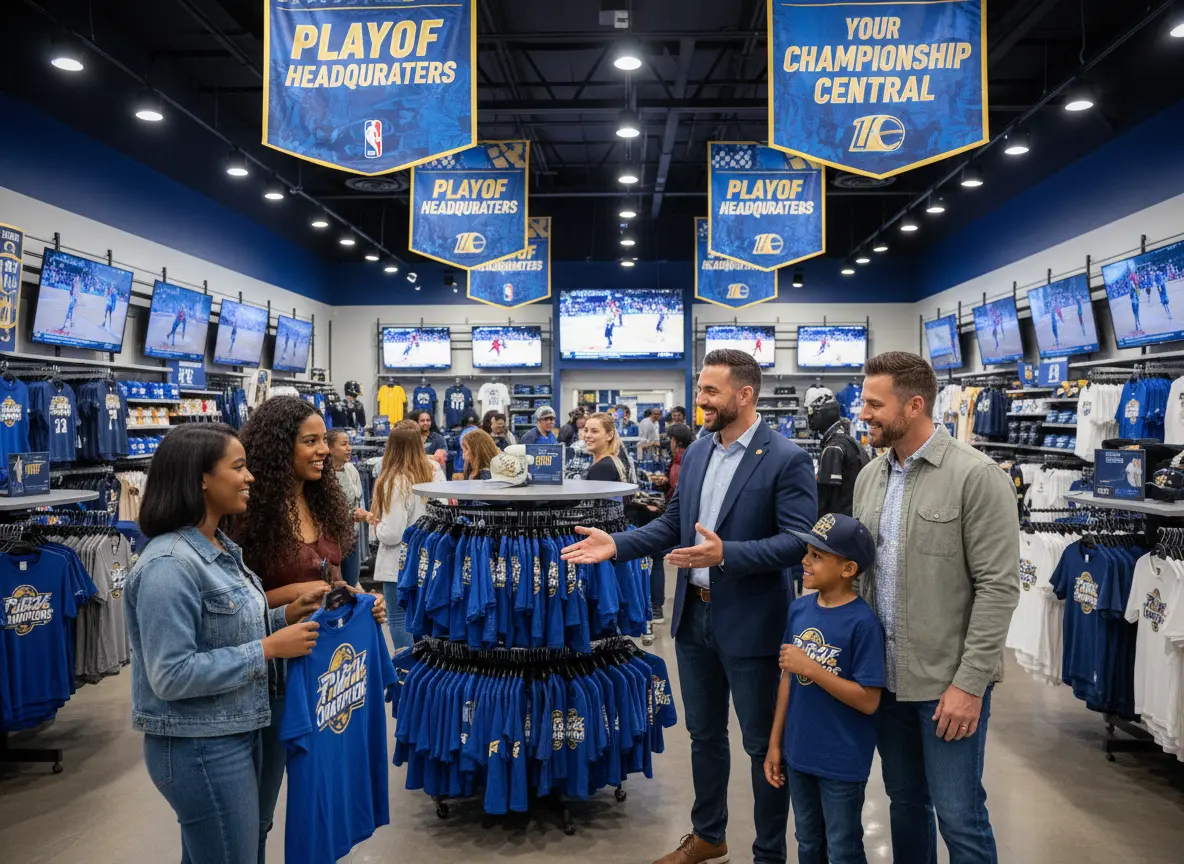
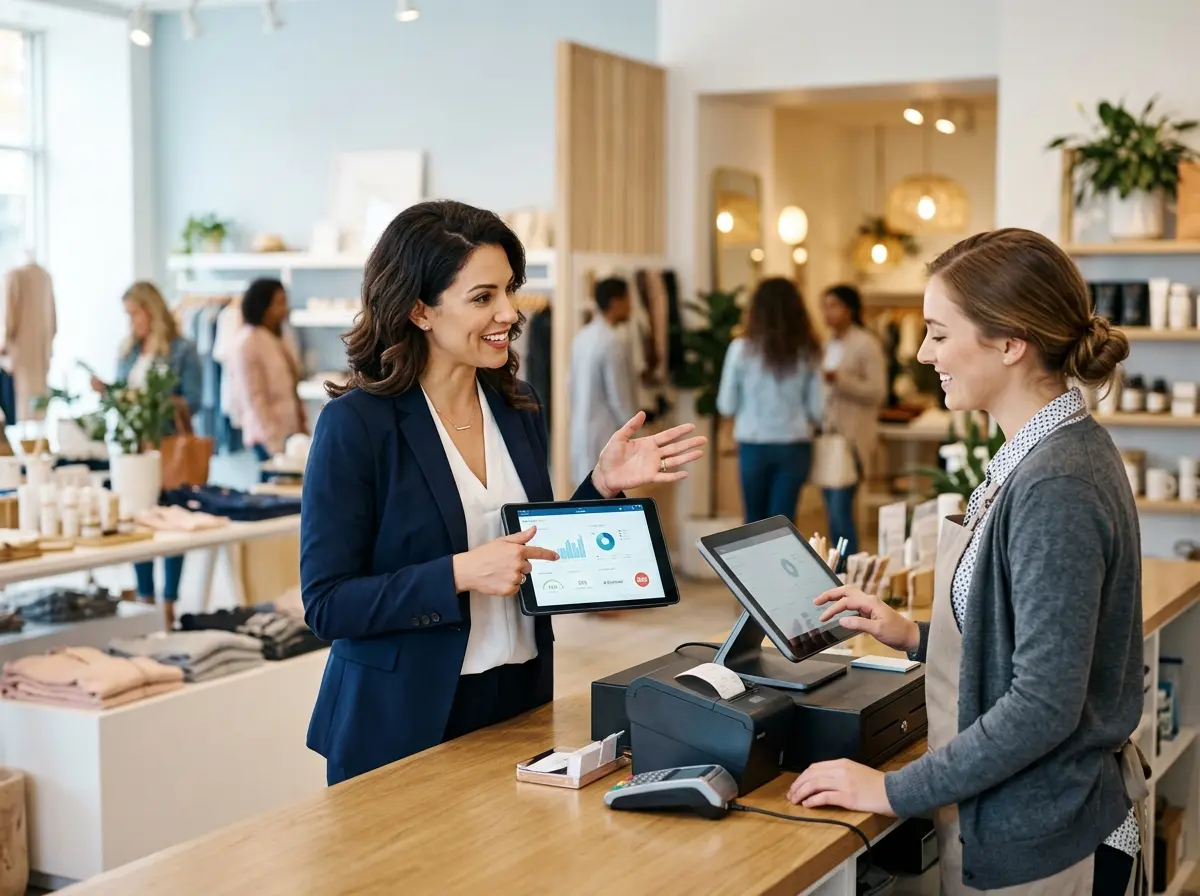
Effective promotion is key. Use prominent in-store signage, place your bundles on endcaps, and feature them near the checkout counter. But in a busy store, even the best signage can become background noise. How do you make sure every single customer who walks through your door knows about your amazing new "Gardener's Delight" bundle? This is where a little high-tech help goes a long way. An in-store assistant like Stella can be your ultimate bundle promoter. Stationed right at the entrance, she greets every shopper and can be programmed to lead with your most important promotions. Imagine her saying, “Welcome! Just so you know, for a limited time, when you buy our bestselling coffee beans, you can get a French press and two mugs for 30% off in our ‘Morning Ritual’ bundle.” Suddenly, a promotion isn’t just a sign—it’s a helpful, personal recommendation. Having Stella on the floor ensures your best offers never go unnoticed, driving traffic directly to your high-value kits without you or your staff having to repeat the same spiel a hundred times a day.
Avoiding the Common Pitfalls of Kitting
While bundling seems straightforward, there are a few traps that can turn a brilliant idea into a logistical headache. A little foresight can help you avoid the common mistakes and ensure your kitting strategy is profitable and sustainable.
The Price is Right (or Very, Very Wrong)
Pricing a bundle is a delicate dance. The discount needs to be significant enough to entice the customer, but not so deep that it completely erodes your profit margin. A good rule of thumb is that the bundle price should be more than the price of your hero product but clearly less than the sum of all items. For example, if you're bundling a $20 bestseller with a $10 slow-mover, pricing the bundle at $25 feels like a great deal. The customer saves $5, and you just made an extra $5 on an item that was otherwise collecting dust. Never price a bundle higher than the sum of its parts—customers can do math, and they will feel cheated.
The Inventory Labyrinth
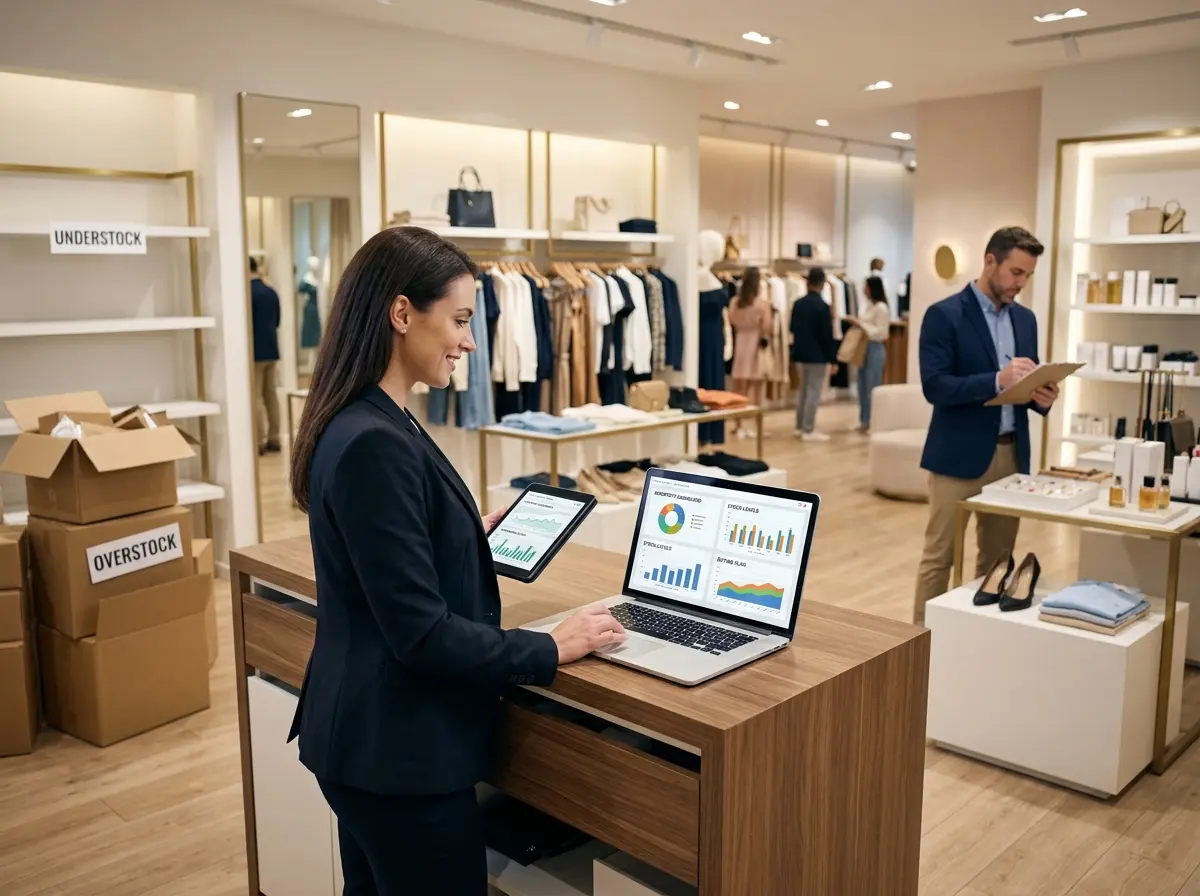
Here’s the number one operational challenge: inventory management. When you sell an item as part of a bundle, your inventory system needs to know to deduct that single item from its individual stock count. If your POS system isn’t equipped to handle this (by using SKUs for the bundle that are linked to the component SKUs), you’re heading for a world of pain, stockouts, and inaccurate counts. Before you launch a single kit, have a serious talk with your inventory management software. Make sure it can track component items seamlessly. Your future self, who isn't trying to figure out why the system says you have 50 artisanal ketchups when the shelf is empty, will thank you.
Knowing When to Break Up the Band
Not all bundles are meant to last forever. Like any promotion, you need to track their performance. Are they actually increasing your AOV? Is the slow-moving item finally, well, moving? Set clear goals and deadlines. If a bundle isn't performing after a set period, don’t be afraid to pull the plug. It’s not a failure; it’s a data point. Perhaps the pairing was wrong, the discount wasn’t compelling, or the season passed. Analyze the results, learn from them, and try a new combination. The beauty of bundling is its flexibility.
A Quick Reminder About Stella
While you're busy strategizing the perfect product pairings and crunching the numbers, who’s greeting your customers and making sure they feel welcome? Stella is your ever-present, always professional in-store assistant who ensures no shopper goes unnoticed. She’s your tireless promoter, your front-line FAQ answerer, and your secret weapon for creating a memorable customer experience, 24/7.
Time to Start Playing Matchmaker
Kitting and bundling isn't just a clearance tactic; it's a sophisticated strategy for increasing perceived value, simplifying the customer journey, and boosting your bottom line. It transforms slow-moving singles into chart-topping hits and turns one-item purchases into multi-item sales.
So, here’s your call to action. Walk back to that storeroom. Look at that box of purple ketchup not as a mistake, but as an opportunity. What does it pair with? A bag of fancy potato chips? A book of avant-garde recipes? Its perfect partner is somewhere in your store right now, just waiting to be discovered. Go on, play matchmaker. Your customers—and your profit margins—will be glad you did.