Let's Talk About Your Sidewalk
Ah, the sidewalk sale. That time-honored retail tradition where we lovingly haul our store’s most… seasoned inventory out onto the pavement and pray that passersby are in a particularly forgiving mood. For many, it’s a last-ditch effort to offload those paisley scarves from 2019 or the shipment of neon-yellow sweaters that seemed like a brilliant idea at the time. It often involves a wobbly card table, some handwritten signs, and the faint scent of retail desperation.
But what if I told you the humble sidewalk sale could be more than just a clearance catastrophe? What if it could be a strategic, brand-boosting, profit-generating extravaganza? It’s not about getting rid of junk; it’s about creating an event that pulls in new customers, clears valuable space, and injects a quick shot of cash into your business. So, let’s roll up our sleeves, put away the dusty card table, and turn that patch of concrete into a bona fide money-maker.
Planning Your Profit-Pulling Pavement Party
Success isn't accidental, especially not when you're competing with pigeons and street performers for attention. A masterful sidewalk sale is built on a foundation of shrewd planning, from what you sell to how you price it. Ditching the "throw it all out there and see what sticks" method is your first step toward victory.
Curation is King: Choosing Your Wares Wisely
Your first instinct might be to empty the entire stockroom onto the curb. Resist. A chaotic pile of unrelated items just looks like a garage sale, and it devalues your brand. Instead, curate the experience. A little thought here goes a long way:
- Give it a Theme: Instead of a "Random Stuff We Need Gone" sale, brand it. Think "Summer Send-Off," "Denim Blowout," or "Last Chance Treasures." A theme makes it feel like an event, not an afterthought.
- The Art of the Mix: A study from the Journal of Retailing shows that deep discounts can significantly increase store traffic. Use those door-buster deals to get people to stop, but don't only sell discounted items. Strategically place a few full-priced, high-margin impulse buys near the checkout area—think cool socks, lip balm, or quirky keychains. They’re already in a buying mood; make it easy for them to add a little something extra.
- The Upsell Bridge: Use the sale to drive full-price purchases. A simple sign that reads, "Find something you love out here? Get 15% off any new arrival inside!" can be incredibly effective. It turns a bargain hunter into an in-store shopper.
Location, Location, Negotiation (With the City)
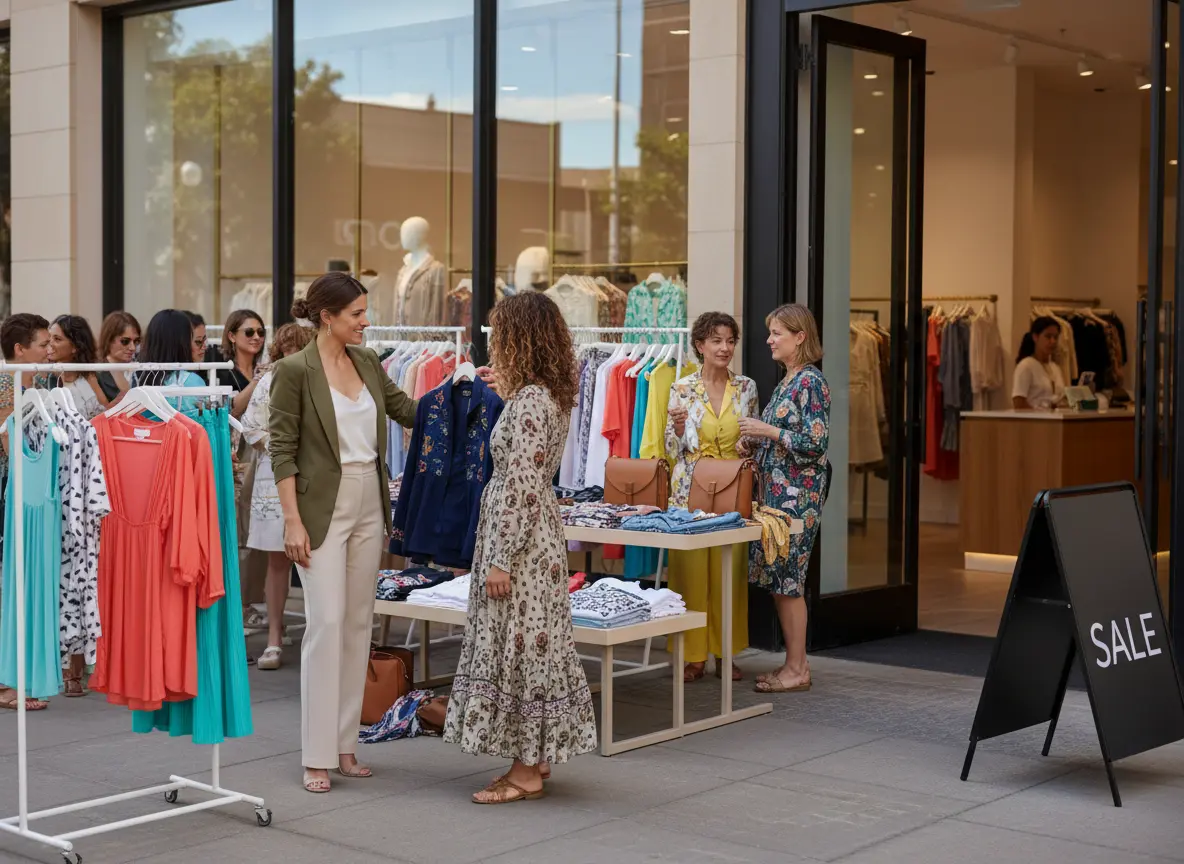
You can have the best deals in the world, but if your setup is a mess, you’ll just create frustration. Before you do anything, get the boring stuff out of the way: check your local city ordinances for permits. Seriously. A hefty fine is the fastest way to turn your profitable day into a painful one. Once you’re legally cleared for pavement commerce, focus on the flow. Don't create a wall of tables that blocks your front door. Create an inviting, U-shaped setup that naturally guides shoppers from the sidewalk, through the sale, and toward your main entrance. Remember, the ultimate goal is to get them inside.
Pricing for Profit, Not Just Panic
Let's be clear: the goal is to move merchandise, but not at a complete loss. Panic-pricing is a rookie move. Be strategic. Use clear, simple pricing structures that don't require a calculator.
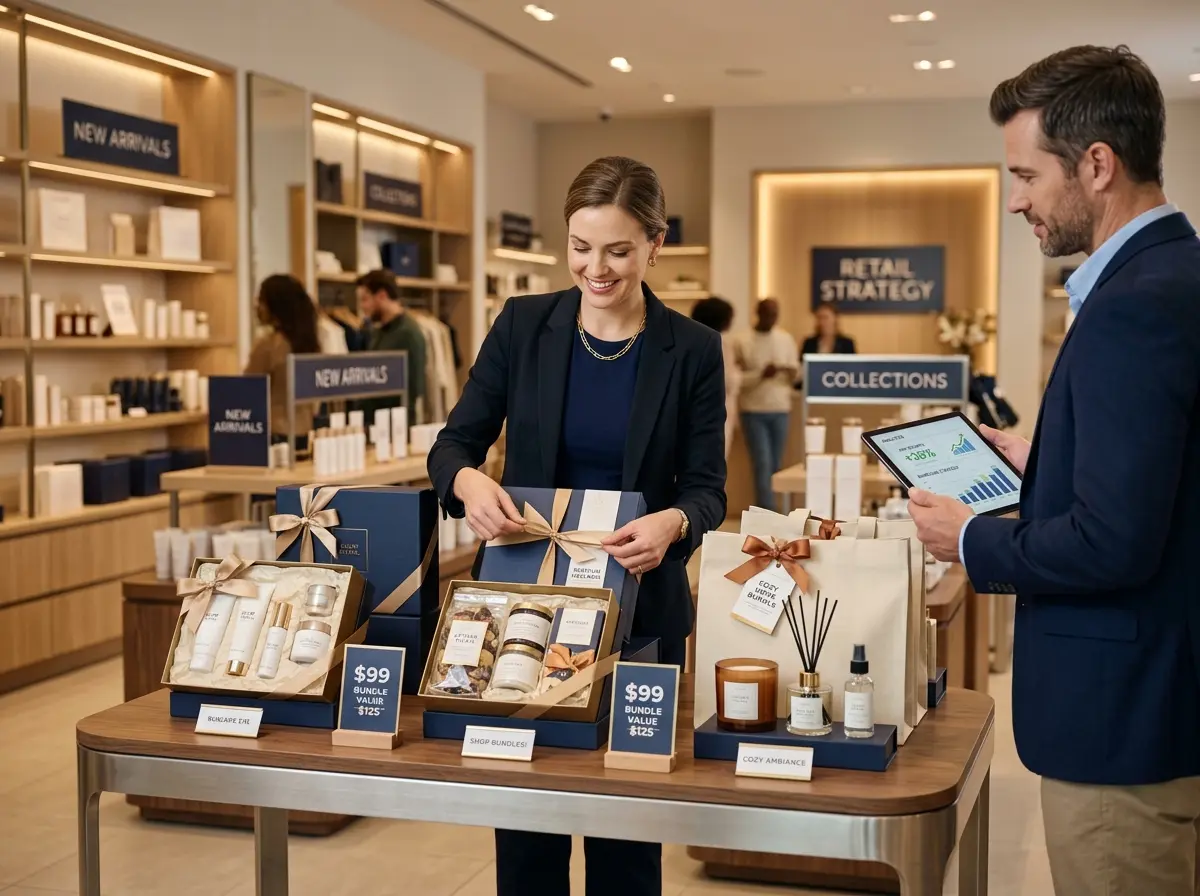
Forget pricing things at $14.99. Simplicity rules the sidewalk. Use bold, round numbers: $5, $10, $20. A fantastic and easy-to-implement tactic is color-coding. A sign at the front of your sale can say, "Green Sticker = $5, Yellow Sticker = $10, Red Sticker = $20." It gamifies the shopping experience and eliminates the need for customers to ask, "How much is this?" every thirty seconds. Even better, create bundles. "3 for $25" will always move more units than "$10 each." It encourages a larger purchase and makes the customer feel like they’re getting an even better deal.
Manning the Fort Without Losing Your Mind
The biggest logistical nightmare of a sidewalk sale is the human element. You've suddenly doubled your store's footprint, but you haven't doubled your staff. Your team is stretched thin, running between the bargain-hunters outside and the full-price shoppers inside. It's a recipe for missed sales and poor service. Someone inside needs help with a fitting room while a crowd forms at the outdoor cash box. Who do you help first?
The Juggling Act: Serving Shoppers Inside and Out
This is where the magic of delegation—and automation—comes in. While your best people are outside working the crowd and ringing up sales, who is greeting the customers walking into your store? Often, the answer is "no one." That's a huge missed opportunity. But what if you had a team member who never got overwhelmed, never needed a break, and could perfectly greet every single person who walked in the door?
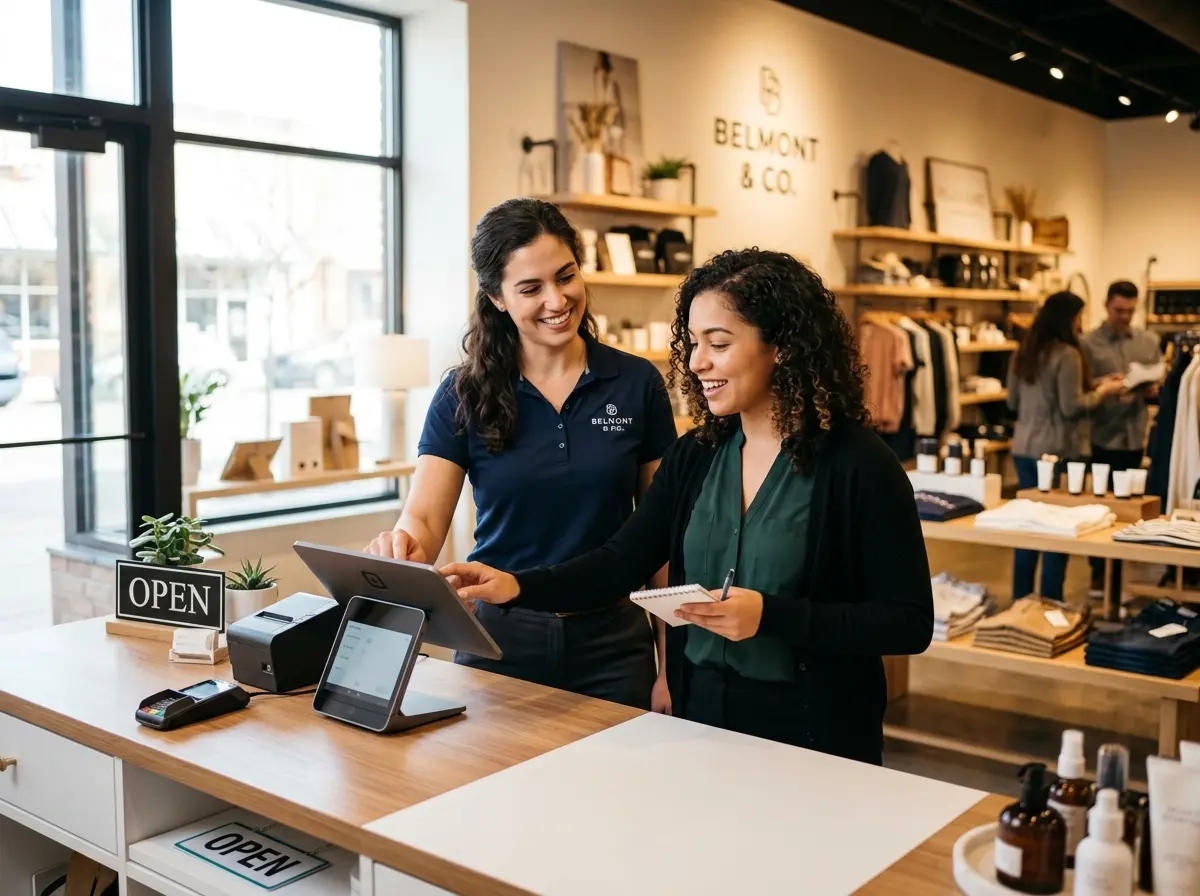
This is precisely where Stella, your in-store robot assistant, becomes your sidewalk sale MVP. While you and your team are managing the beautiful chaos outside, she's positioned right inside the entrance, ensuring a premium experience for your indoor shoppers. Stella can greet everyone warmly, let them know about the incredible deals on the sidewalk, and highlight the brand-new collection waiting for them inside. She can answer frequently asked questions about store hours or return policies, freeing up your human staff to focus on high-value interactions. She’s the perfect bridge between your outdoor event and your indoor experience, guaranteeing no customer ever feels ignored.
Beyond the Bargain Bin: Marketing & Ambiance
A sidewalk sale shouldn't just look like a bunch of tables. It should feel like an event. You're creating an experience, and that requires a bit of showmanship. A little effort in presentation and promotion will pay massive dividends.
Creating a Vibe, Not Just a Sale
Ambiance is everything. Don’t just throw items on a folding table and call it a day.
- Music is a Must: Create a playlist of upbeat, brand-appropriate music and play it at a reasonable volume. It creates energy and makes people want to stick around and browse.
- Presentation Matters: Drape your tables with branded or colorful tablecloths. Use crates or risers to create different height levels for your products—it’s more visually interesting than a flat sea of merchandise. If you're selling clothes, use a proper clothing rack, not a cardboard box.
- Small Gestures, Big Impact: Offer something for free. A cooler of $5 bottled water on a hot day can feel like a godsend. A bowl of lollipops for kids keeps them occupied while their parents shop. These small, thoughtful touches elevate the experience from a simple transaction to a positive brand interaction.
Spreading the Word (Without Annoying People)
Your marketing plan should start at least a week before the sale. Yelling "BIG SALE TODAY!" at people as they walk by is, well, an option. A better one is to build anticipation.
Start teasing the event on your social media channels. Post sneak peeks of the best items that will be available. The day of the sale, go live on Instagram or Facebook to show off the setup and create a sense of urgency. Send a dedicated email to your customer list, and consider giving them an "Early Access Hour" before the general public. It's a great way to reward loyalty and guarantee an initial rush of sales. And don't forget the power of good old-fashioned signage. A-frame signs placed at the corners of your block can draw in foot traffic that might have otherwise missed you entirely.
The Post-Sale Plan: From Leftovers to Loyalty
What happens when the party's over? Don't just drag the unsold merchandise back into the stockroom to collect more dust. Have an exit strategy. For the last hour of the sale, consider a "Fill a Bag for $20" promotion to clear out the last of it. Anything left after that? Donate it. Immediately. Take the tax write-off and enjoy your newly empty space. More importantly, use the sale to grow your business. At the checkout table, have an email newsletter sign-up sheet. Offer an exclusive discount (e.g., "10% off your next full-price purchase") for signing up on the spot. This is your golden opportunity to convert a one-time bargain hunter into a long-term, loyal customer.
A Quick Reminder About Stella
While you're mastering the art of the outdoor sale, don't let your indoor experience falter. Stella, our AI retail assistant, ensures every customer inside your store is greeted, informed, and engaged, even when your team is managing a rush outside. She’s the reliable, professional greeter who makes sure no opportunity is missed.
Conclusion: Reclaim Your Concrete
A sidewalk sale is so much more than a way to get rid of last season's leftovers. It's a powerful marketing event, a customer acquisition tool, and a fantastic way to boost revenue and clear out inventory in a single weekend. By curating your products, creating an engaging atmosphere, and strategically managing your staff (with a little help from automation), you can transform a simple sale into a significant success.
So go on, reclaim your sidewalk. Plan your event, create a vibe, and turn that patch of pavement into a profit center. Your stockroom, your bottom line, and your future loyal customers will thank you for it.