So, You've Started a Service Business. Now What?
Congratulations! You've taken the leap, filed the paperwork, bought the business cards (or at least designed them in Canva at midnight), and declared yourself officially open for business. Now comes the fun part — actually running the thing. The first 90 days of a new service business are simultaneously the most exciting and most terrifying stretch you'll experience as an entrepreneur. Every decision feels enormous. Every dollar spent feels personal. And there's a very good chance you're wearing approximately eleven hats at once.
Days 1–30: Build the Foundation Before You Build the Hype
Define Your Services (and What You're Not Offering)
Set Up Your Operations Infrastructure
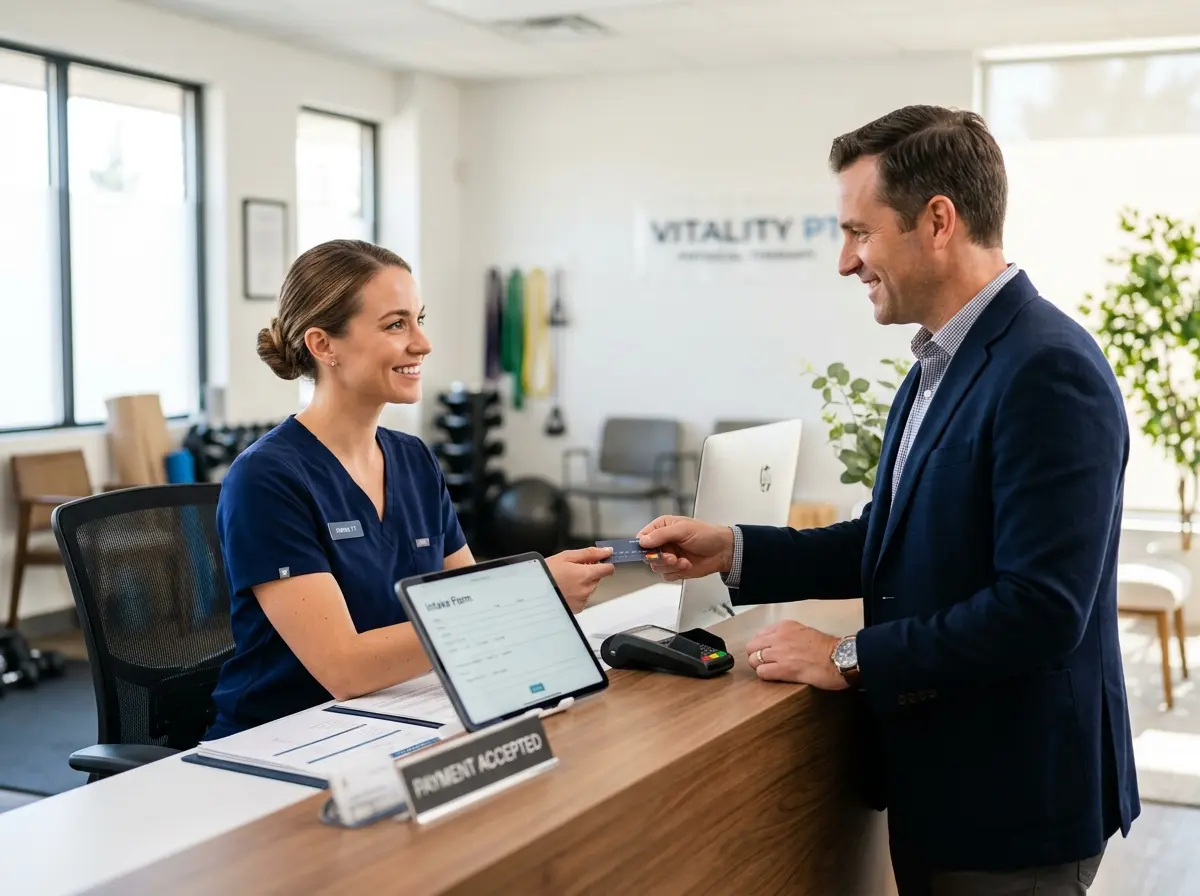
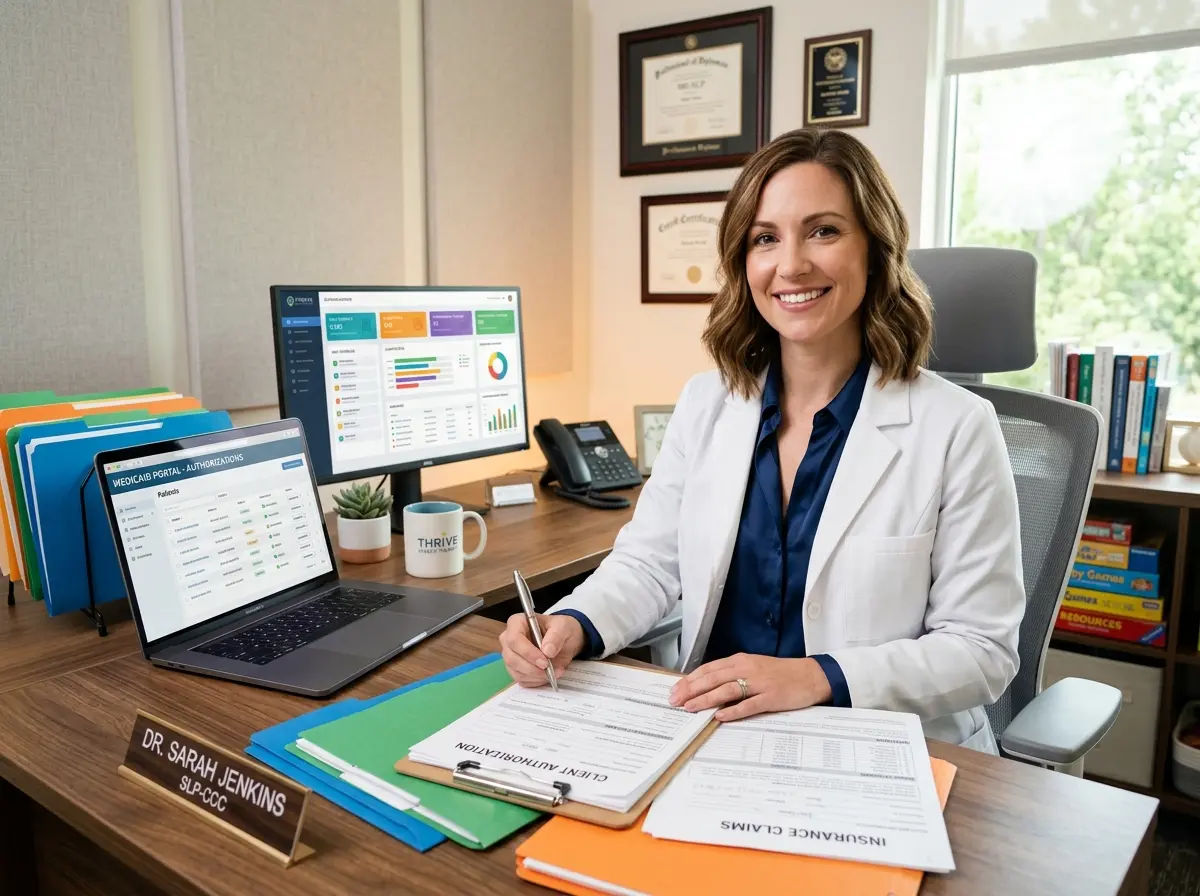
Before marketing yourself aggressively, make sure the back end is ready. This means: a professional email address (not yourname@gmail.com, please), a basic booking or inquiry process, a way to collect payments, and a system for tracking your customers and leads. You don't need enterprise software on day one, but you do need something organized and repeatable.
Set up your Google Business Profile, claim your social media handles, and make sure your phone is answered professionally every time it rings. This last point matters more than most new business owners realize — studies suggest that 62% of calls to small businesses go unanswered, and most callers won't leave a voicemail. They'll just call your competitor. Don't give them a reason to do that.
Land Your First Clients (Yes, in Month One)
Days 31–60: Start Getting Smarter About Customer Experience
Tighten Up Every Customer Touchpoint
This is where Stella can make a real difference for new service business owners. Stella is an AI robot employee and phone receptionist — she greets customers in-store at a human-sized kiosk, answers questions about your services, promotes your current offerings, and handles phone calls 24/7 with the same knowledge she uses in person. For a new business owner who's juggling everything at once, having Stella answer the phone professionally at any hour, collect customer information through conversational intake forms, and manage contacts through a built-in CRM means you stop losing leads just because you were busy with another client. At $99/month with no upfront hardware costs, she's one of the most practical early investments you can make.
Days 61–90: Market Consistently and Measure Everything
Build a Simple, Repeatable Marketing Rhythm
Marketing consistency beats marketing intensity almost every time. You don't need to post on every platform daily or run expensive ad campaigns right out of the gate. What you do need is a realistic routine you can actually stick to. Pick two or three channels where your ideal clients spend time — maybe that's Instagram, Google search, and a local networking group — and show up there reliably every week.
Track Your Numbers Like a Business Owner, Not a Hobbyist
Ask for Feedback and Act on It
Quick Reminder About Stella
Stella is an AI robot employee and phone receptionist built for businesses exactly like yours — whether you have a storefront, a service vehicle, or you work entirely from your laptop. She handles in-person customer engagement at her kiosk, answers phone calls around the clock, promotes your services, and keeps your CRM organized without you having to think about it. At $99/month with no hardware costs and an easy setup, she's the kind of reliable, professional presence that new business owners usually can't afford to hire — until now.