So, You Want to Steal Your Neighbor’s Customers? (The Friendly Way, of Course)
Let’s be honest. As a retail store owner, your marketing to-do list is longer than a CVS receipt. You’re supposed to be a TikTok star, a master of email funnels, a local SEO wizard, and somehow still have time to, you know, run your actual store. It’s exhausting. You’ve probably considered everything from carrier pigeons to skywriting to get more people through the door. But what if one of the most powerful marketing tools isn’t on your phone, but right next door?
We’re talking about cross-promotion with other local businesses. No, not your direct competitor who sells the exact same things you do (we see you, Brenda’s Boutique). We’re talking about strategic partnerships with non-competing businesses that share your ideal customer. It’s the business equivalent of finding a great wingman—someone who makes you look good, introduces you to new people, and doesn’t try to steal your drink.
This isn’t about just tacking a few sad-looking business cards to a corkboard. This is about building a powerful, mutually beneficial ecosystem that drives foot traffic, builds community goodwill, and makes your marketing budget work smarter, not harder. Ready to play matchmaker for your business? Let’s dive in.
Finding Your Business Soulmate: A Guide to Not-So-Awkward Partnerships
Before you go running into the nearest artisanal toast cafe and shouting "LET'S BE PARTNERS!", you need a strategy. Finding the right business to team up with is part art, part science, and part common sense. A bad partnership can be a waste of time at best and a brand-damaging nightmare at worst. Here’s how to find "the one."
Look for Complementary, Not Competitive
This seems obvious, but you’d be surprised. The goal is to find a business that sells something your customer wants or needs before, after, or in conjunction with what you sell. Think peanut butter and jelly, not two competing brands of peanut butter locked in a passive-aggressive price war.
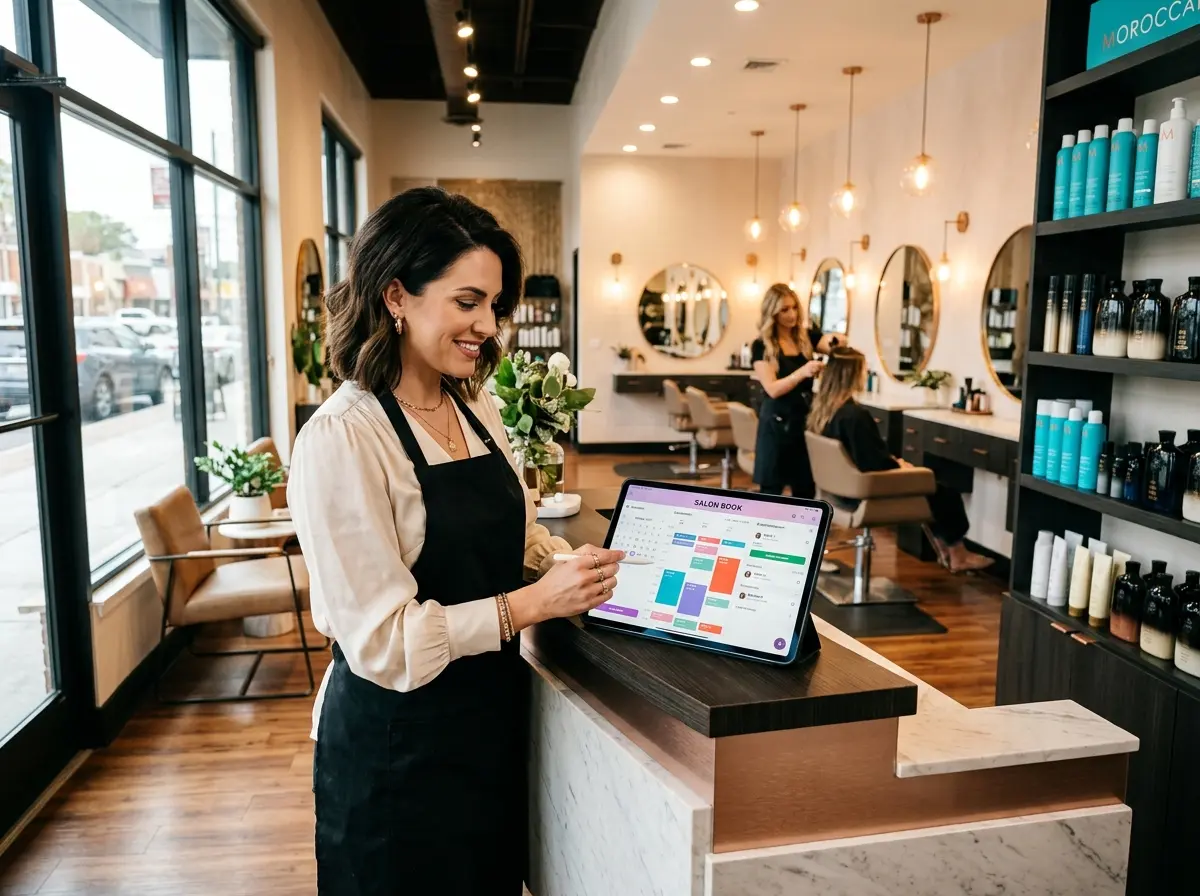
- Good Match: A high-end women's clothing boutique partners with a nearby hair salon. A customer getting a new haircut is in the perfect mindset to buy a new outfit to go with it.
- Good Match: A bookstore partners with the coffee shop next door. What’s better than a new book? A new book and a perfect latte.
- Bad Match: A gourmet butcher shop partners with the vegan cafe across the street. Unless you're going for an ironic, "opposites attract" campaign, the customer overlap is probably… minimal.
The key is to map out your customer’s lifestyle. Where else do they shop, eat, and spend their time? That’s where you’ll find your perfect match.
The "Customer Journey" Test
Think about a typical Saturday for your ideal customer. Let’s say you own a store that sells running shoes and athletic apparel. Your customer, we’ll call her “Marathon Mary,” might start her day with a healthy smoothie, go for a run, and then meet a friend for a post-run brunch. Each of those stops is a potential cross-promotion partner.
You could partner with the smoothie shop for a "Fuel Up & Gear Up" promotion. Maybe you co-host a 5k that starts at your store and ends at the brunch spot with a discount for runners. By aligning with businesses that are already part of your customer’s routine, you’re not trying to create new habits; you’re simply inserting your brand into their existing ones. It’s less intrusive and far more effective.
Vet Your Potential Partners (Because Crazy Is Contagious)
Once you have a shortlist, it's time to do a little recon. Remember, when you partner with another business, you're implicitly endorsing them. Their reputation becomes intertwined with yours. So, before you commit, do your homework.
- Check Their Vibe: Do their brand values align with yours? If you’ve built a reputation for premium quality and impeccable service, you don’t want to partner with the discount shop known for its grumpy staff and questionable return policy.
- Stalk Their Online Presence: What are people saying on Yelp, Google, and social media? Consistent bad reviews are a massive red flag. A polished, active social media presence shows they care about their image—and by extension, yours.
- Be a Secret Shopper: Go in and experience their business for yourself. Is it clean? Is the staff friendly? Is it an environment you’d be proud to associate your business with? Trust your gut.
Executing the Promotion Without Tripping Over the Details
You’ve found the perfect partner. They’re great, their customers are your customers, and you’re ready to team up. Now what? The execution is where many great ideas fall flat. It requires clear communication, defined goals, and, most importantly, a reliable way to get the word out to your customers consistently.
Let Stella Do the Talking
Here’s the thing about cross-promotions: they only work if customers know about them. You can have the best deal in the world with the coffee shop next door, but if your staff is too busy to mention it to every single person who walks in, it's a wasted effort. Enter Stella. She is the perfect employee for this job. She never gets tired, never forgets the script, and never has an off day. You can program her to greet every customer with a friendly, "Welcome! Just so you know, when you're done here, you can show your receipt at The Daily Grind next door for 15% off your coffee."
Imagine the consistency. Every shopper, every time. A human employee might mention it to 5 out of 10 customers on a good day. Stella mentions it to 10 out of 10, ensuring your partnership gets the maximum possible exposure. She becomes your in-store ambassador, not just for your products, but for your strategic community partnerships, driving value for you, your partner, and your customers.
Creative Cross-Promotion Ideas That Don't Involve Flimsy Punch Cards
Okay, you’re sold on the concept and you’ve got a partner in mind. It's time to get creative. A boring promotion is just noise. A clever, valuable promotion creates buzz and gets people talking. Here are a few ideas to get you started, from the simple to the ambitious.
The Classic (But Effective) Coupon Swap
This is the entry-level cross-promotion, but it works for a reason. It’s simple to implement and easy for customers to understand. The key is to make it feel a little more special than just a random coupon.
- How it works: A customer makes a purchase at your store, and you staple a coupon for your partner business to their receipt or bag. And vice versa.
- Level it up: Instead of a generic "10% Off," try something more specific, like "Enjoy a free pastry at The Corner Bakery with your receipt from our store!" Specific, tangible offers often perform better than vague discounts. A 2018 study found that 80% of shoppers are more likely to make a purchase from a new brand if they are offered a discount. Applying this to a partner business is a powerful way to transfer that goodwill.
Co-Hosted Events and Workshops
Events are a fantastic way to merge your customer bases and create a memorable experience. You're not just selling products; you're building a community. The possibilities are endless and can be tailored to your specific businesses.
- The Wine & Cheese Pairing: A local winery or bottle shop partners with a cheese monger for an in-store tasting event. Both businesses get to showcase their products to an engaged audience.
- The "Style & Snap" Workshop: A clothing boutique partners with a local photographer to host a workshop on how to take better Instagram photos. The boutique provides the outfits, the photographer provides the expertise.
- The "Read & Relax" Evening: A bookstore partners with a local yoga studio. The event could start with a gentle yoga session and end with a book discussion and tea.
Events create authentic content for social media, foster a sense of community, and position both of your brands as more than just places to buy things—they become hubs for local culture.
The Ultimate Local Giveaway Package
Want to make a big splash online and grow your email lists at the same time? Team up with three to five other non-competing businesses to create one giant, irresistible prize package. This works exceptionally well on social media platforms like Instagram.
Example: "A Perfect Day Downtown" Giveaway
- Morning coffee and pastries from the local cafe ($50 value)
- A new outfit from your boutique ($150 value)
- A haircut and style from the salon ($100 value)
- Dinner for two at the farm-to-table restaurant ($125 value)
To enter, participants have to follow all four business accounts on social media and tag a friend. This single giveaway introduces each business to three new, highly relevant audiences. The combined value of the prize is much higher than what any single business could offer on its own, generating far more excitement and engagement.
A Quick Reminder About Your Most Reliable Employee
While you’re out there building these amazing local partnerships and co-hosting events, don't forget who's holding down the fort. Stella is your 24/7 brand ambassador, ensuring that every single customer who walks through your door gets a professional, friendly greeting and hears about all your amazing promotions—including the new ones you just launched with your business bestie.
Conclusion: Go Make Some Friends
In a world dominated by faceless e-commerce giants, your biggest advantage as a local retailer is your connection to the community. Cross-promotion isn’t just a marketing tactic; it’s a declaration that you believe in the power of local. It shows your customers that you’re part of a vibrant ecosystem of small businesses that support each other.
The benefits are clear: increased foot traffic, exposure to new customer bases, enhanced brand reputation, and a more resilient local economy. All it costs is a little creativity and the willingness to collaborate.
So, your homework is simple. Identify one or two potential business soulmates in your area this week. Go buy a coffee from them. Introduce yourself. See if there’s a spark. You might just find that your next big sales boost is waiting right around the corner.