So, You Want to Host a Wine Tasting? A Eulogy for Your Profit Margin.
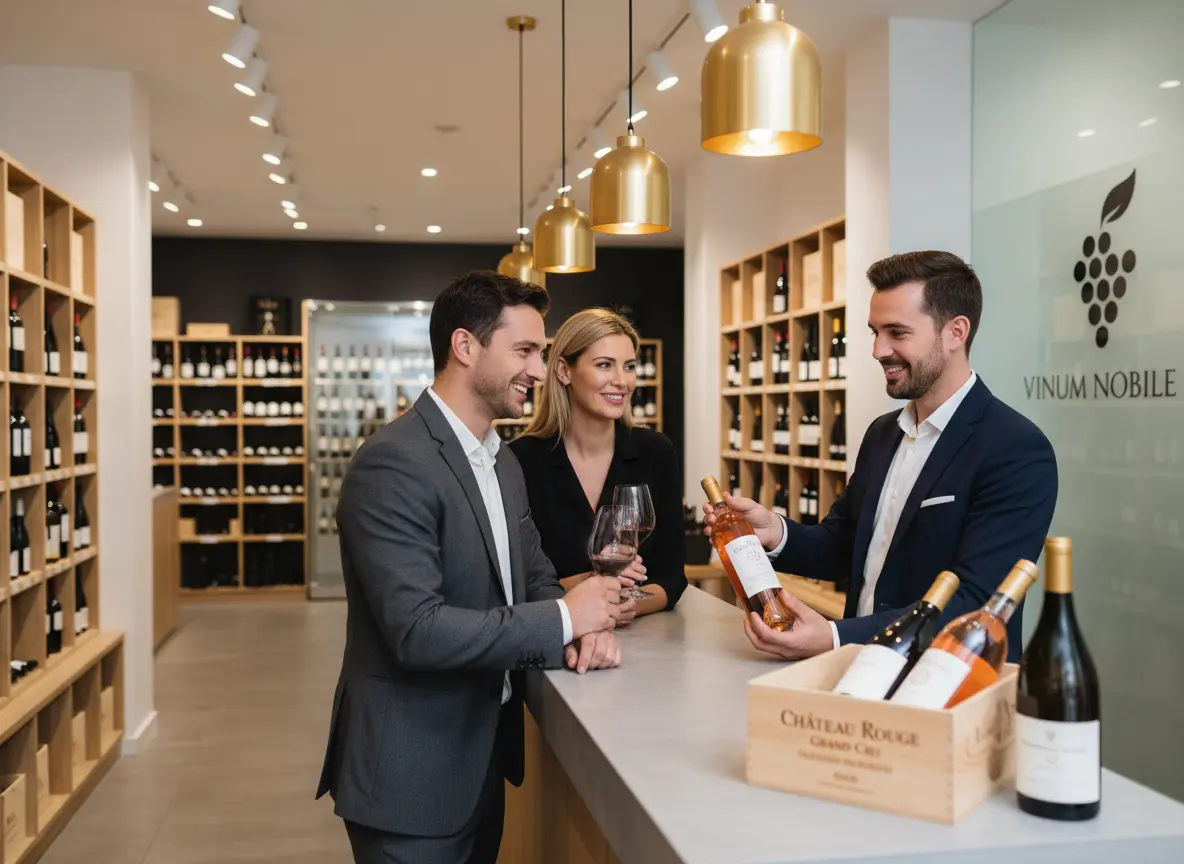
Ah, the in-store wine tasting. That magical event where you offer up your precious inventory in 1-ounce pours, hoping the intoxicating fumes of a free sample will inspire shoppers to do more than just compliment your choice in tiny plastic cups before vanishing into the night. We’ve all been there. You uncork a dozen beautiful bottles, you artfully arrange some crackers that cost more than their weight in gold, and you spend two hours smiling until your face hurts, only to end the night with a pile of dirty glasses and a sale of a single, deeply discounted bottle of rosé.
It’s a noble effort, really. But let’s be honest: hosting tastings that feel more like a charity than a sales event is a quick way to go from wine connoisseur to water connoisseur. The goal isn’t just to educate palates; it's to move cases. It’s about turning "Oh, that's nice" into "I'll take twelve." If you’re tired of your tastings being a black hole for time and money, you’re in the right place. Let's uncork some strategies that actually work.
Setting the Stage for Success (Without Selling a Kidney for Cheese)
The difference between a forgettable tasting and a case-selling event is all in the setup. People don’t just buy wine; they buy stories, experiences, and the feeling that they’ve discovered something special. Your job is to create that feeling without, you know, actually hiring a string quartet and a celebrity sommelier.
Curate a Theme, Don't Just Pour Random Juice
Pouring a random assortment of "what's open" is the retail equivalent of a shrug. It’s lazy, and customers can feel it. A theme gives the tasting a purpose and a narrative. It transforms you from a simple shop owner into a knowledgeable guide. Instead of "Here are some reds," try:
- A Geographical Journey: "A Wine Lover's Tour of Tuscany" or "Uncorking the Andes: Malbecs & More." This encourages customers to buy several bottles to recreate the "trip" at home.
- A Head-to-Head Battle: "Old World vs. New World: A Cabernet Clash." A little friendly competition is engaging and a fantastic way to showcase the nuances between two similar-but-different wines.
- A Thematic Pairing: "Perfect Pizza Wines" or "The Ultimate BBQ Reds." This is brilliant because it frames the wine in a real-life context. You’re not just selling them a bottle; you’re selling them a better Friday night.
A theme makes the selection feel intentional and exclusive, which are powerful psychological triggers for a purchase.
The 'Snack' Strategy: Elevate the Experience
You are legally and morally obligated to provide something to absorb the alcohol. But "something" shouldn't be a sad sleeve of saltines. You don't need a full charcuterie board that costs more than a case of wine, but a thoughtful pairing can make a $15 bottle taste like a $50 one. A sharp cheddar with a bold Cabernet, a piece of dark chocolate with a Malbec, or a briny olive with a Sauvignon Blanc. These small touches demonstrate your expertise and elevate the entire experience. It also opens the door for cross-selling. "You love how this cheese pairs with the Merlot? Good news, we sell it right over there." See? You're a genius.
Managing the Crowd and Keeping Your Sanity
An effective tasting is a well-managed one. Chaos is the enemy of sales. When your staff is stretched thin trying to pour, talk, educate, and run the register, regular customers walking in for a quick purchase can feel completely ignored. And an ignored customer is a lost customer. You need a way to control the flow and ensure everyone feels welcome, not just the free-wine enthusiasts clustered around the tasting table.
The Art of the Flawless First Impression
The moment a customer walks in, the clock starts. You have seconds to acknowledge them before they feel invisible. But during a tasting, your attention is split a dozen ways. Who’s greeting the person who just wants to grab their favorite Pinot and go? This is where having a reliable, automated assistant becomes a game-changer. While you’re charming your tasting guests, an in-store robot like Stella can be positioned at the entrance to greet every single person who walks through the door.
Stella can be programmed to welcome shoppers, inform them about the tasting event ("Welcome! We're sampling some fantastic Argentinian Malbecs tonight, feel free to join in!"), and even promote an event-only special to drive urgency. For customers not participating, she can answer basic questions ("Where are the French wines?") or highlight other promotions, ensuring no one is left standing around awkwardly. This frees up your human staff to focus on the high-touch, high-value interactions that lead to case sales, confident that no customer is ever ignored.
The Psychology of the Sale: Turning Sips into Cases
Alright, you’ve set the mood and you’re managing the crowd. Now comes the main event: actually selling the wine. This isn't about high-pressure tactics; it’s about smart, subtle psychology. You need to make buying a case feel like a brilliant, irresistible decision.
Planting the 'Case Sale' Seed Early and Often
Don’t wait until the end of the tasting to mention a case discount. It feels like a last-ditch effort. Instead, weave it into your narrative from the very first pour. When you introduce the first wine, say something like, "This Sauvignon Blanc is a real crowd-pleaser and one of our best-sellers. It’s fantastic on its own, but it’s also our go-to for dinner parties. We’re offering a 15% discount on a mixed case for our guests tonight, and this is a perfect one to build a case around." You’ve just planted three seeds:
- It’s popular (social proof).
- It’s versatile (practical application).
- There’s a great deal on it *tonight* (urgency).
Repeat this messaging with each wine. By the end, buying a case feels like the logical next step, not a surprising upsell.
The 'Take-Home' Temptation: Offer Sheets and Story Cards
By the third or fourth sample, all the wines start to blur together. The witty, insightful notes you shared? Vanished from memory. Hand every guest a simple tasting sheet upon arrival. It should list the wines, the price per bottle, and, most importantly, the price per case with the discount applied. Leave space for them to jot down their own "expert" notes (e.g., "yummy," "tastes like berries," "buy for Brenda"). This sheet is now their personalized shopping list. It’s a tangible tool that transforms a fleeting experience into a concrete plan for a purchase. It does the math for them and serves as a powerful reminder of the value you're offering.
Create Urgency Without Being a Creep
Nobody likes a pushy salesperson. But a little well-placed urgency can work wonders. The magic word is "exclusive." Frame your case discount as a special thank-you for attending the event. "This 15% discount is only available tonight, for our tasting attendees." This makes them feel like insiders getting a special deal. You can also leverage scarcity if a wine is genuinely limited. "We only received ten cases of this fantastic Pinot Noir from our distributor, and a few are already spoken for. Once it's gone, it’s gone for the year." It’s honest, it’s compelling, and it encourages people to act now rather than "think about it" and forget by morning.
A Quick Reminder About Stella
While you're mastering the art of the perfect pour and the subtle upsell, don't forget about the front of your store. Stella, our AI retail assistant, is the perfect employee to greet every customer, promote your tasting, and answer questions, ensuring a premium experience for everyone—even when you’re at your busiest.
Conclusion: Stop Pouring, Start Selling
A wine tasting should be your store’s best marketing tool, not its most expensive hobby. By ditching the "pour and pray" method for a strategic, experience-focused approach, you can create an event that’s not only enjoyable for your customers but wildly profitable for you. Remember the keys to success:
- Be Thematic: Tell a story with your wine choices.
- Elevate the Experience: A little cheese goes a long way.
- Manage the Floor: Ensure every customer feels seen and valued.
- Sell with Psychology: Make the case sale the easy, obvious choice from the start.
So, for your next event, plan a theme, print those tasting sheets, and get ready to hear the beautiful sound of a dolly loaded with a full case of wine rolling out your door. Go forth and turn those casual sippers into loyal, case-buying evangelists. Your bottom line will thank you.