Introduction: The Group Class Goldmine You're Probably Ignoring
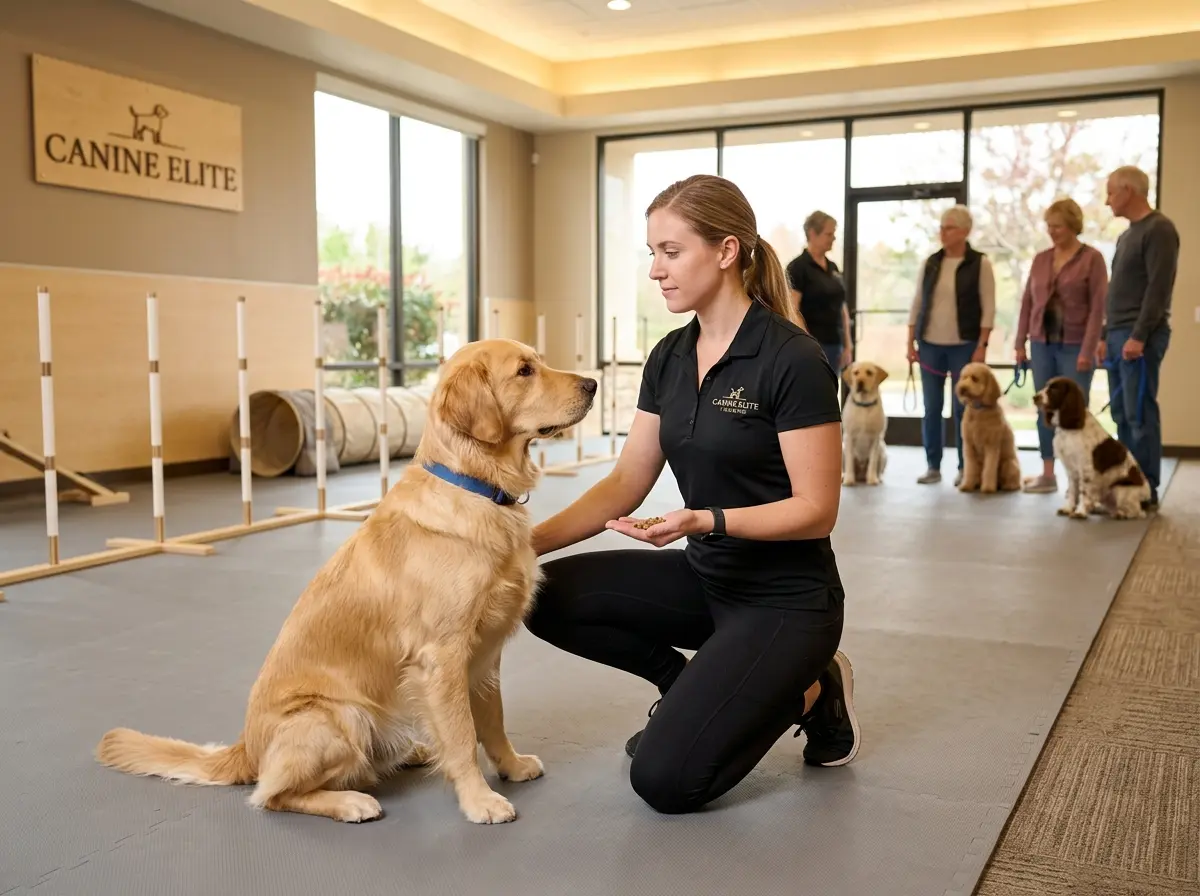
Let's paint a picture: You've got eight dogs, eight owners, and one trainer trying to explain loose-leash walking while a golden retriever eats someone's shoe. Group classes are chaos — lovable, profitable chaos — but here's the thing most dog training studio owners miss: they're also one of the best upselling opportunities you have, and most of you are walking right past it like it's a squirrel you've decided not to chase.
Group classes are fantastic entry points. They're affordable, social, and low-commitment enough that hesitant pet owners will actually sign up. But the real money — and more importantly, the real transformation for the dogs and their owners — often happens in private sessions. One-on-one time with a trainer means faster progress, tailored techniques, and the kind of focused attention that group settings simply can't replicate. The challenge is getting your group class clients to see that, and to see it before they've already decided they're "good enough."
This guide is your roadmap to turning your group class participants into enthusiastic private session clients — without being pushy, without being weird about it, and yes, with a little help from technology that doesn't bark back.
Understanding the Group-to-Private Upsell Opportunity
Why Group Classes Are the Perfect Entry Point
Group classes serve a dual purpose that most studio owners undervalue. Yes, they generate revenue on their own. But strategically, they're a low-barrier way for new clients to experience your studio, your trainers, and your philosophy before committing to anything more intensive. Think of them as a first date — low stakes, but loaded with potential.
According to the American Pet Products Association, Americans spent over $150 billion on their pets in 2023, with pet services like training seeing consistent year-over-year growth. Pet owners are willing to spend — especially when they believe in the value. Your group classes are building that belief. The owners who show up consistently, ask the most questions, and look slightly panicked when their dog ignores a "sit" command? Those are your private session clients in waiting. They just don't know it yet.
Identifying High-Potential Clients Before the Class Ends
Not every group class participant needs a private session, and that's okay. Your job isn't to upsell everyone — it's to identify who would genuinely benefit and serve them well. Watch for these signals during group sessions:
- Owners who consistently struggle with a specific behavior that the group setting can't adequately address
- Dogs with reactivity, anxiety, or aggression issues that are politely contained during class but clearly unresolved
- Highly motivated owners who are doing all the homework but still hitting a wall
- Clients who linger after class to ask "just one more question" — every single week
These aren't just engaged clients. They're people who are already emotionally invested and already aware that something more might be needed. They're practically raising their hand. Your trainers should be noting these observations throughout the course, not scrambling to think of upsell opportunities in the final session.
Framing Private Sessions as a Continuation, Not an Upgrade
Here's where a lot of studios fumble: they position private sessions as a premium product for people who "want more," which inadvertently implies the client has somehow failed the group class. Nobody wants to feel like they graduated at the bottom of the class. Instead, frame private sessions as a natural next step — a continuation of the journey, not a consolation prize.
Language matters enormously here. Compare these two approaches: "We also offer private sessions if the group class isn't working for you" versus "Most of our group class clients find that one or two private sessions help them lock in everything they've learned and tackle the specific challenges that are hardest to address in a group setting." One sounds like a rescue plan. The other sounds like an exciting next chapter. You want the second one, always.
Automating the Follow-Up So Nothing Falls Through the Cracks
Why Follow-Up Is Where Most Studios Lose the Sale
You've done the hard work. Your trainer identified a strong candidate. The conversation after class went well. The client seemed genuinely interested in a private session. And then... life happened. They got busy, forgot to call, and by the time they remembered, they'd convinced themselves the group class was "probably enough." This is heartbreaking, and it's also almost entirely preventable.
The upsell doesn't happen in the class. It happens in the follow-up. Studios that have a consistent, timely, and personalized follow-up process convert at dramatically higher rates than those that rely on trainers to remember to send an email when they're also managing eight dogs and their owners simultaneously. You need a system — and that system needs to work whether your front desk is staffed, slammed, or closed for the night.
This is exactly where Stella — the AI robot employee and phone receptionist — earns her kibble. Stella answers calls 24/7, so when a motivated client finally gets around to calling about a private session at 9pm on a Tuesday, she's there. She can answer questions about pricing, availability, and what to expect from a private session, and she can collect intake information conversationally so your staff hits the ground running the next morning. Her built-in CRM even lets you tag group class clients for follow-up campaigns, track their session history, and add trainer notes so every interaction feels personal and informed.
Structuring the Upsell Conversation Without Feeling Salesy
The Post-Class Check-In Script That Actually Works
The best upsell conversations don't feel like sales conversations at all — they feel like someone genuinely paying attention to you and your dog. Train your instructors to end each group class with a brief, individualized check-in with two or three clients. Not a group announcement about private sessions, but a one-on-one moment: "Hey, I noticed Biscuit is making great progress with sit and stay, but I think the leash reactivity might really benefit from some one-on-one work — would you be open to chatting about that?"
This approach works because it's specific, it demonstrates expertise, and it puts the focus entirely on the dog's progress rather than your revenue goals. You're not selling a service — you're recommending a solution to a problem the client already knows they have. The conversion rate on this kind of personalized recommendation is significantly higher than any generic promotional email you'll ever send.
Creating Irresistible Bridge Offers
Sometimes clients need a little nudge beyond a conversation. A well-designed bridge offer — a discounted introductory private session for current group class enrollees — can be exactly the low-risk trial they need to experience the difference firsthand. Consider offering a single introductory private session at a reduced rate exclusively for clients finishing a group class series. Once they experience what a focused, personalized session feels like, the full-price package becomes an easy yes.
You can also bundle strategically: offer a "Group + Private Combo" package at enrollment so clients are already expecting both experiences from day one. This removes the upsell friction entirely — it's no longer a mid-journey pitch, it's just the package they signed up for. Studios that bundle this way often report higher overall client satisfaction because owners feel supported at multiple levels, and satisfied clients refer other clients. That's a win that compounds.
Using Session Milestones to Reopen the Conversation
Not every upsell happens at the end of a class series. Milestone moments — the halfway point of a six-week class, the first time a reactive dog walks past another dog calmly, the moment an owner finally gets a reliable recall — are powerful emotional touchpoints. Use them. A quick note from a trainer saying "Biscuit hit a huge milestone this week, and I think she's ready for the next level" is both a celebration and a natural segue into discussing private sessions. People are most open to investing more when they're feeling good about the progress they've already made.
Quick Reminder About Stella
Stella is an AI robot employee and phone receptionist built for businesses like yours — she greets clients at your studio kiosk, answers phones 24/7, handles intake forms, upsells your services conversationally, and keeps your CRM organized without a coffee break or a bad day. At $99/month with no upfront hardware costs, she's the team member who's always on, always professional, and never accidentally tells a client the wrong class schedule. For a dog training studio juggling classes, trainers, and tail-wagging chaos, that kind of reliability is genuinely priceless.
Conclusion: Stop Leaving Private Session Revenue in the Parking Lot
Group classes are wonderful. They build community, create accessible entry points, and fill your studio with dogs and the people who adore them. But if you're treating them as standalone products rather than the beginning of a longer client relationship, you're leaving serious revenue — and serious impact — on the table.
Here's your action plan to start converting group class clients into private session regulars:
- Train your instructors to identify and note high-potential private session candidates during every group class series — not at the end, throughout.
- Reframe your language so private sessions are positioned as a natural continuation of the group experience, not a separate premium tier.
- Create a bridge offer — a discounted introductory private session exclusively for group class completers — and make it easy to say yes.
- Build a follow-up system that doesn't depend entirely on your trainers' bandwidth or your front desk's availability.
- Use milestone moments to reopen the private session conversation at emotionally resonant points during the class series.
Your clients already love their dogs enough to invest in training. Your job is simply to show them how much further that investment can take them — and to make sure someone (or something) is always available to answer the phone when they're finally ready to take the next step.