First Impressions Happen Before You Even See the Patient
Let's be honest — going to the dentist is nobody's idea of a great Tuesday. For kids especially, the whole experience can feel like a scene straight out of a horror movie, complete with mysterious whirring sounds, bright lights, and strangers in masks asking them to "open wide." And here's the kicker: the anxiety often starts before they ever set foot in your office. It starts with the very first phone call.
For pediatric dental practices, the stakes are unusually high. You're not just treating a tooth — you're shaping a child's relationship with dental care for the rest of their life. A nervous, fumbled first interaction can send a family running to your competitor. A warm, reassuring, well-handled experience? That's how you build a loyal patient family for the next 18 years.
The good news is that creating a calming, trust-building experience from the very first touchpoint is absolutely achievable — and it doesn't require a complete office overhaul. It requires thoughtful systems, trained communication, and a willingness to see your practice through the eyes of a terrified six-year-old (and their equally stressed parent).
Setting the Tone: Communication That Calms Before They Arrive
The phone call is your first handshake. If it goes poorly — long hold times, rushed staff, robotic scripts — parents already have one foot out the door. Studies show that up to 70% of patients who have a negative first phone experience will not schedule an appointment, and in pediatric dentistry, that parent making the call is often already bracing for a battle. They need to feel like they've called the right place.
Train Your Team to Speak "Parent"
There's a real skill to talking with parents of anxious kids. Your front desk team should be trained not just on scheduling logistics, but on empathy-first language. Instead of "We have a 10 AM slot on Thursday," try "We'd love to meet your little one — we have a gentle morning appointment on Thursday that works great for kids." Small word shifts make a big difference. Acknowledge the child by name early in the conversation. Ask about any specific fears or sensory sensitivities. Let the parent know exactly what to expect, step by step, so there are no surprises.
Also worth noting: parents often call during their own lunch breaks, school pickup chaos, or while juggling three other things. If they get voicemail or a hold queue that feels endless, they will simply try the next practice on their Google search. Responsiveness isn't just a courtesy — it's a competitive advantage.
Use Intake Forms That Actually Gather Useful Information
A one-size-fits-all intake form is a missed opportunity. For pediatric practices, your pre-visit intake should ask about previous dental experiences (good and bad), any diagnosed anxiety or sensory processing concerns, the child's preferred name or nickname, and what helps them feel calm. This isn't just good bedside manner — it arms your clinical team with a personalized playbook before the patient walks through the door.
When your hygienist already knows that "Lily" prefers to be called "Bug" and had a scary experience at her last dentist, she can lead with that context. That kind of personalization transforms a routine appointment into an experience where the child feels genuinely seen.
How Smarter Front-Office Tools Can Help You Show Up Better
Running a pediatric dental practice means your front desk team is juggling scheduling, insurance questions, crying toddlers in the waiting room, and a ringing phone — simultaneously. It's a lot. And when systems break down, patient experience suffers first.
Where Stella Comes In
Stella is an AI robot employee and phone receptionist designed to support exactly these kinds of high-touch businesses. She answers calls 24/7 with consistent, warm, knowledgeable responses — so a parent calling at 9 PM to ask about your sedation options or first-visit process actually gets a real answer instead of voicemail. For pediatric practices, that after-hours responsiveness can be the difference between booking that family and losing them.
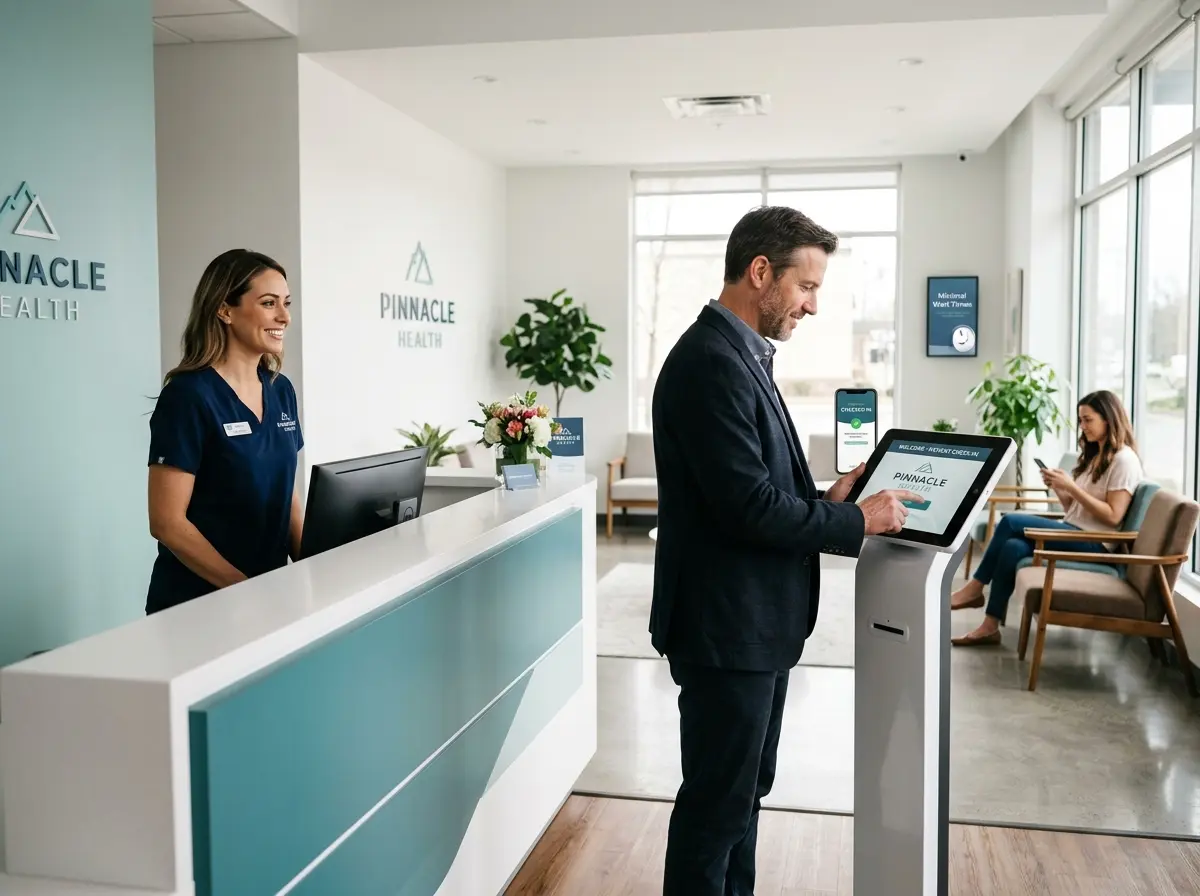
Stella also handles conversational intake forms during phone calls or on the web, capturing the kind of detailed, child-specific information your team needs before the appointment. Her built-in CRM stores custom fields, tags, and notes — so "Bug's" sensory preferences and appointment history are right there when your team needs them. And for practices with a physical location, her in-office kiosk presence means she can greet arriving families, answer questions in the waiting room, and keep things running smoothly even when your front desk is slammed. At $99/month with no hardware costs, she's a remarkably low-lift addition to a practice that could genuinely use the backup.
The In-Office Experience: Building Trust Room by Room
Once you've nailed the pre-visit communication, the in-person experience has to deliver on the promise. For anxious kids, the environment itself communicates safety — or it doesn't. You have more control over this than you might think.
Design Your Space With Nervous Patients in Mind
Consider your waiting room through the eyes of a child who already doesn't want to be there. Loud TVs, clinical-looking décor, and the distant hum of a drill are not exactly soothing. Many successful pediatric practices invest in distraction-first design: themed rooms, colorful murals, tablets loaded with kid-friendly content, or even ceiling art above the dental chair so kids have something to look at during treatment. The goal is to interrupt the anxiety loop with novelty and engagement.
Noise-canceling headphones, weighted blankets, and fidget tools are low-cost additions that can make a measurable difference for kids with sensory sensitivities. Having these available — and mentioning them proactively — signals to parents that you actually understand their child's experience.
Use the "Tell-Show-Do" Approach Consistently
This clinical communication technique is a gold standard in pediatric dentistry for good reason. Before any procedure, you tell the child what's about to happen in simple, friendly language, show them the instrument or movement (ideally in a non-threatening way), and then do the actual procedure. It removes the element of surprise, which is one of the biggest triggers for dental anxiety in children.
The key word here is consistently. Tell-Show-Do only works when every member of your clinical team applies it every single time — not just the dentist, but hygienists, assistants, and anyone else who interacts with the patient. Build it into your training and your culture, not just your handbook.
Empower Parents as Partners, Not Bystanders
Anxious kids take cues from their parents. If the parent is tense, the child picks up on it immediately. Coaching parents ahead of time — through a new patient email, a short video on your website, or a quick conversation during check-in — on how to talk about the appointment positively can have a real impact. Encourage neutral or positive framing ("We're going to meet a really cool dentist today!") rather than unintentionally loaded language ("Don't worry, it won't hurt").
Giving parents a clear role during the appointment also helps. Some kids do better with a parent present; others actually relax more without. Knowing this in advance (hello, intake forms) and having a plan communicates professionalism and care.
A Quick Reminder About Stella
Stella is an AI robot employee and phone receptionist built for businesses like yours — available in-office as a friendly kiosk and on the phones 24/7. She handles intake, answers questions, manages your CRM, and keeps your front office running smoothly without breaks, burnout, or bad days. At $99/month, she's the kind of team member every busy practice wishes they'd hired sooner.
Building a Practice Where Kids Actually Want to Come Back
Here's your action plan for turning anxious first-timers into loyal, cavity-fighting regulars:
- Audit your phone experience. Call your own office anonymously, or have someone else do it. How does it feel? How long is the hold? Is the language warm and reassuring? What happens after hours?
- Upgrade your intake forms. Add child-specific fields: preferred name, past dental trauma, sensory considerations, what helps them calm down. Then actually use that information.
- Train your whole team — not just the dentist — on empathy-first language and Tell-Show-Do. Consistency is everything.
- Review your physical space with fresh eyes. One or two thoughtful additions to your waiting room or treatment rooms can meaningfully shift the experience for anxious patients.
- Coach parents proactively. A short email or website resource goes a long way toward reducing the anxiety your team has to manage chairside.
You went into pediatric dentistry because you care about kids — and because you probably have a remarkable tolerance for glitter and cartoon-themed decor. The practices that truly stand out aren't just technically excellent; they're emotionally intelligent from the very first call to the very last high-five at checkout. That combination is what turns a one-time patient into a family that refers every cousin, neighbor, and school friend they know.
Start with the phone. The rest will follow.