Why Your Medical Practice Needs a Lead Magnet (And No, "We Accept Your Insurance" Doesn't Count)
Let's be honest — most medical practices don't think of themselves as businesses that need a lead magnet. You went to school for years, you have letters after your name, and your waiting room has a fish tank. Surely patients will just find you, right?
Well, sort of. But in today's hyper-competitive healthcare landscape, patients have options. Lots of them. And if someone is searching for a new primary care physician, a dermatologist, or a specialty provider, they're not just Googling your credentials — they're looking for a reason to trust you before they ever set foot in your office. That's where a free consultation model comes in as a powerful lead magnet strategy.
A lead magnet, for those unfamiliar with marketing-speak, is something you offer for free that draws potential customers (in your case, patients) into your world. Done right, a free consultation model doesn't just fill your appointment calendar — it builds credibility, reduces no-shows, and converts curious browsers into loyal, long-term patients. Let's walk through how to make it work.
Understanding the Free Consultation as a Lead Magnet
What Makes It a "Magnet" Rather Than Just a Freebie
The word "free" is doing a lot of heavy lifting here, but the real magic isn't in the price tag — it's in the perceived value. A free consultation positions your practice as confident enough in its services to let the work speak for itself. It signals to prospective patients that you're not just transactional; you're invested in their wellbeing from the very first interaction.
The key distinction between a gimmick and a genuine lead magnet is intentionality. Your free consultation should have a clear structure: an intake process, a defined scope (15–30 minutes is typical), and a natural transition point toward next steps. This isn't charity — it's a strategic first step in a longer patient relationship that benefits both parties.
What Types of Practices Benefit Most
While almost any medical practice can leverage a free consultation model, certain specialties see outsized results. Cosmetic dermatology, functional medicine, mental health practices, weight loss clinics, chiropractic offices, and elective procedure specialists are particularly well-suited because patients in these areas are often comparison shopping — they're motivated but undecided.
For example, a med spa offering a free skincare consultation can expect to convert a meaningful percentage of those appointments into paid treatment plans, simply because patients who've sat across from your staff and felt heard are far more likely to commit. Studies in healthcare marketing suggest that practices offering some form of free initial engagement see 20–40% higher new patient conversion rates compared to those that don't — and that's not a number to leave on the table.
Structuring the Consultation for Maximum Conversion
A free consultation that wanders aimlessly is just an awkward conversation. Structure yours around three things: listen, educate, and recommend. Start by genuinely understanding the patient's concerns or goals. Then offer real, specific information that demonstrates your expertise — not a sales pitch dressed up as medical advice. Finally, present a clear, personalized next step. Whether that's scheduling a follow-up, signing up for a treatment plan, or ordering labs, give them something concrete to say "yes" to before they leave.
Making Your Free Consultation Easy to Access — and Hard to Ignore
Reducing Friction From the First Phone Call
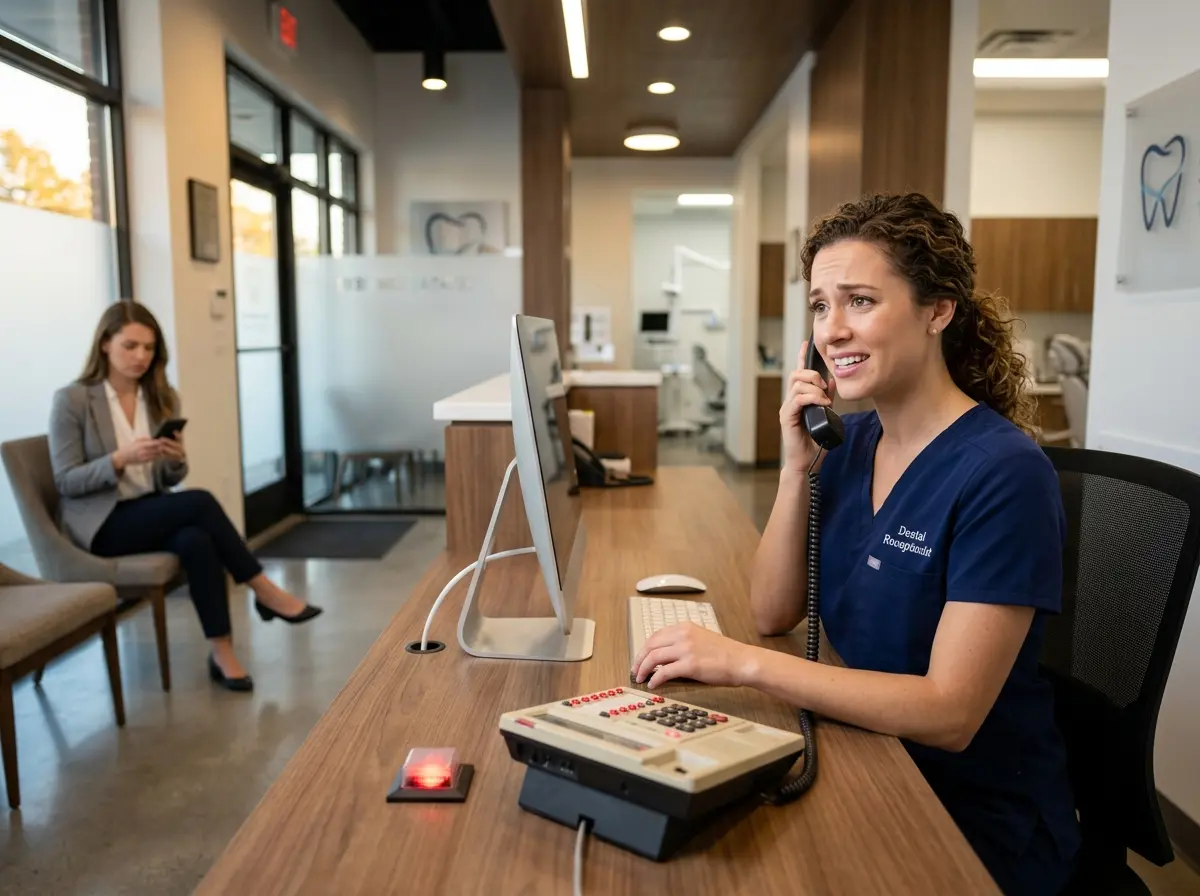
Here's where a lot of practices fumble: they create a compelling offer but make it surprisingly difficult to actually book. If a prospective patient calls your office at 7pm on a Tuesday and gets voicemail, there's a reasonably good chance they're calling your competitor next. That's not dramatic — that's just how people behave in a world where everything is available on demand.
This is exactly where Stella, the AI robot employee and phone receptionist, becomes a genuine game-changer for medical practices. Stella answers calls 24/7, can explain your free consultation offer in natural conversation, collect patient intake information right over the phone, and ensure no lead slips through the cracks while your front desk staff is busy, on lunch, or off for the evening. Her built-in CRM automatically logs patient contacts, stores intake form responses, and generates AI-powered summaries — so when your team arrives the next morning, they're not starting from zero. They're picking up a warm, organized lead.
For practices with a physical location, Stella's in-office kiosk presence means she can greet walk-ins, answer questions about your consultation offer, and proactively engage anyone who hesitates at the front desk — all without pulling a staff member away from their work.
Promoting Your Free Consultation to the Right Audience
Where and How to Spread the Word
A great offer with no visibility is like a fish tank in an empty waiting room — still nice, but nobody's watching. You need to actively promote your free consultation through the channels your prospective patients actually use. This typically means your Google Business Profile (make sure it's updated and monitored), local Facebook and Instagram ads, your website's homepage hero section, and even email newsletters to your existing patient list who might refer a friend or family member.
Don't overlook the power of in-office promotion either. If existing patients don't know you offer free consultations for other services — say, a primary care clinic that also offers nutrition counseling or cosmetic procedures — they can't refer people or take advantage of it themselves. Signage, table tent cards, and a simple mention from staff during checkout can work surprisingly well.
The Follow-Up Strategy That Turns Leads Into Loyal Patients
Collecting a lead is only half the battle. The follow-up is where most medical practices either win big or silently lose. After a free consultation, have a defined follow-up sequence in place. A personalized email within 24 hours, a phone call within 48 hours if they haven't booked, and a gentle reminder at the one-week mark covers the basics. Don't be pushy — be helpful. Reference specific things discussed during the consultation to show you were actually paying attention.
If you're using a CRM to manage patient contacts (and if you're not, you really should be), tagging free consultation leads separately allows you to track conversion rates over time and identify where drop-off happens. That data is worth its weight in gold when it comes to refining your approach.
Measuring Success and Iterating
Like any good business strategy, your free consultation model should be treated as a living system — not a "set it and forget it" checkbox. Track metrics like consultation-to-booking conversion rate, average patient lifetime value from consultation leads versus traditional referrals, and the cost per acquired patient when factoring in staff time and any promotional spend. Review these quarterly. If your conversion rate is low, the problem might be the consultation structure, the follow-up cadence, or even the intake process. Test one variable at a time and let the data guide your adjustments.
Quick Reminder About Stella
Stella is an AI robot employee and phone receptionist available for just $99/month — no upfront hardware costs, no onboarding headaches. She works in your office as a friendly kiosk presence and answers your phone calls around the clock, keeping your practice professional, responsive, and always ready to engage a new patient — even when your team isn't available.
Your Next Steps Start Today
The free consultation model isn't a new idea — but most medical practices still aren't using it strategically. The ones that are? They're building patient pipelines, earning trust before the first paid appointment, and differentiating themselves in crowded markets where "accepting new patients" is no longer a compelling enough message on its own.
Here's what to do this week: First, define the scope and structure of your free consultation offering. Second, make sure it's prominently featured on your website and Google Business Profile. Third, audit your phone and intake process to ensure leads are being captured — not lost. Fourth, build a simple follow-up sequence and assign ownership to a specific team member. And finally, set a baseline metric so you can measure what's working three months from now.
You didn't build your practice by accident, and you shouldn't grow it by accident either. A well-executed free consultation model is one of the most cost-effective, relationship-driven lead generation strategies available to you. So dust off that fish tank, update your website, and give people a reason to choose you — before they've even paid you a dime.