So, You're Growing. Now What?
Congratulations — your retail business is growing. Customers are coming in, sales are climbing, and life is good. There's just one problem: your old point-of-sale system is held together with a prayer and a USB cable that only works if you angle it just right. Sound familiar?
Retail growth is exciting right up until the moment your infrastructure can't keep up with it. Outdated POS systems create bottlenecks at checkout, generate reporting nightmares, and leave you flying blind when it comes to inventory. The good news is that cloud-based POS systems have matured dramatically over the last decade, and for growing retail businesses, they're no longer a luxury — they're a strategic necessity. Let's break down exactly why making the switch could be one of the smartest moves you make this year.
What a Cloud-Based POS System Actually Does for You
Real-Time Data, Everywhere You Are
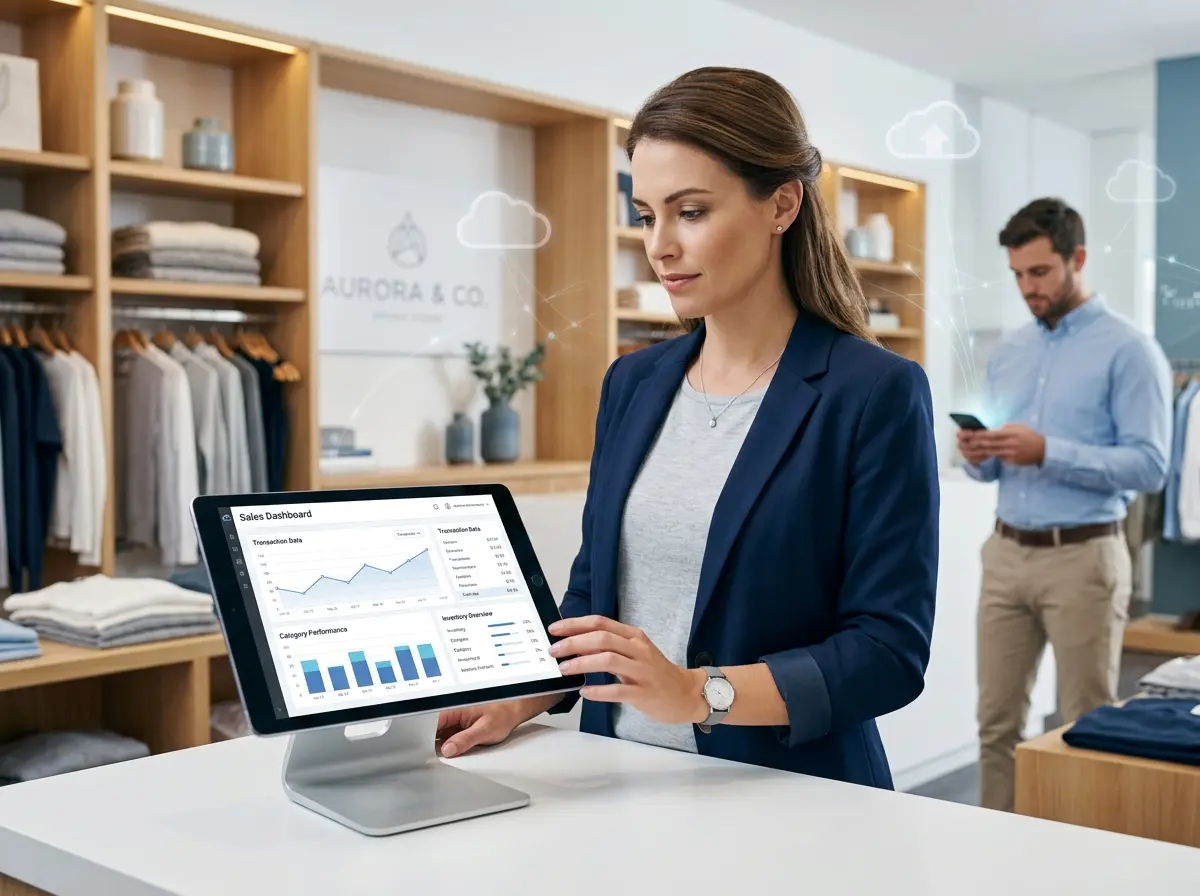
One of the most underrated benefits of a cloud-based POS system is the ability to access your business data from anywhere, at any time. Whether you're at a second location, working from home in your pajamas, or on a well-deserved vacation (remember those?), you can pull up sales reports, check inventory levels, and monitor staff performance from your phone or laptop.
This kind of visibility isn't just convenient — it's transformative. According to a report by Retail Systems Research, businesses that leverage real-time data are significantly more likely to outperform their competitors in customer satisfaction and revenue growth. When you know exactly what's selling, what's sitting on shelves collecting dust, and what your peak hours look like, you can make smarter decisions faster. That's the difference between running your business reactively and running it strategically.
Inventory Management That Actually Makes Sense
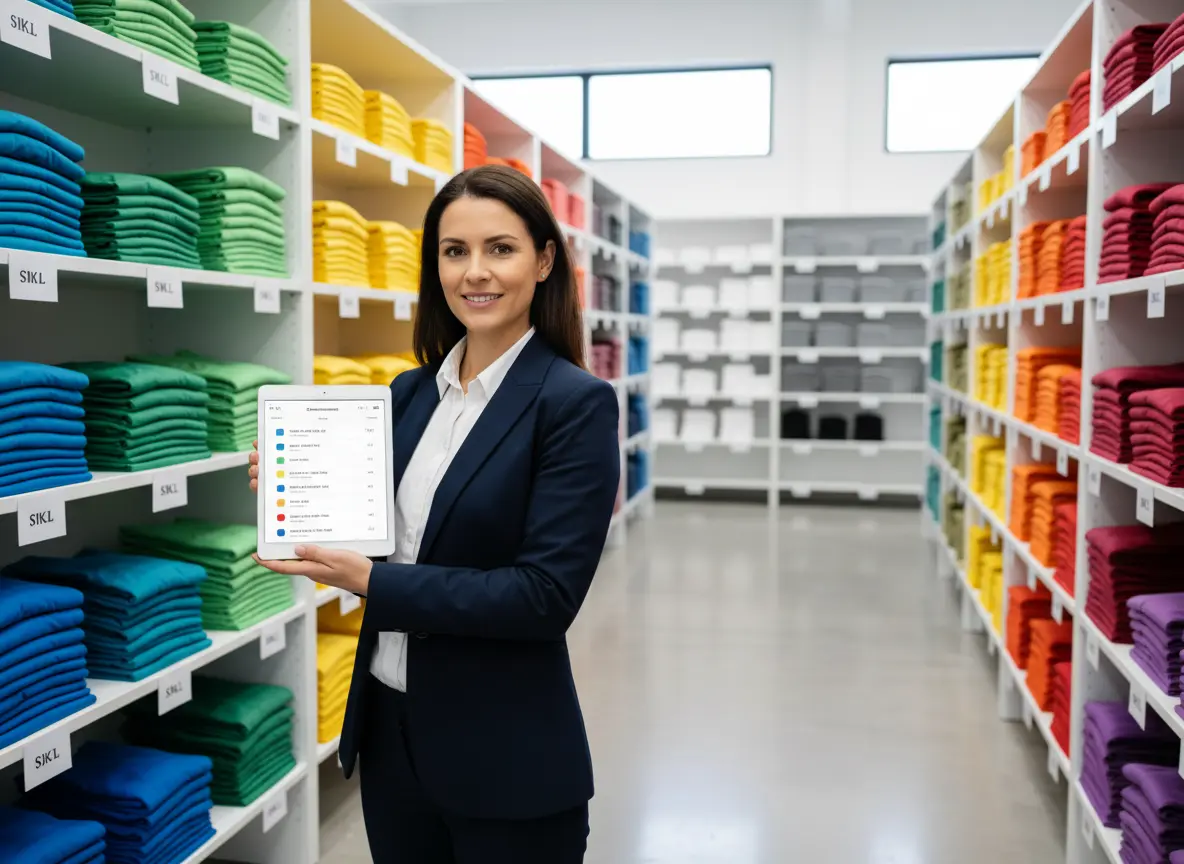
Manual inventory management is the retail equivalent of trying to count jellybeans in a jar while someone keeps adding more. It's time-consuming, error-prone, and frankly, a little soul-crushing. Cloud-based POS systems automate much of this process, syncing inventory counts in real time every time a sale is made.
Many platforms allow you to set automatic reorder alerts when stock drops below a certain threshold, generate purchase orders directly from the system, and even track inventory across multiple locations simultaneously. For a growing retailer, this means fewer stockouts, less over-ordering, and a much clearer picture of your product performance — without the late-night spreadsheet sessions.
Seamless Scalability as You Grow
Perhaps the most compelling argument for cloud-based POS is scalability. Traditional on-premise systems require expensive hardware upgrades and often painful software migrations every time you expand. Cloud systems, by contrast, grow with you. Opening a second location? Add it to your dashboard. Hiring more staff? Create new user profiles with customized permissions in minutes.
Many cloud POS providers offer tiered pricing plans that scale alongside your business, which means you're not paying for enterprise-level features when you're still a two-location boutique — but those features are there when you're ready for them. This flexibility is exactly what a growing retail business needs to avoid the classic trap of outgrowing its own systems.
Keeping the Customer Experience Front and Center
Faster Checkouts and Happier Customers
Modern cloud POS systems process transactions quickly, support a wide variety of payment methods (contactless, mobile wallets, buy-now-pay-later, and more), and reduce the friction that drives customers crazy at checkout. A 2023 study found that nearly 70% of shoppers say a long or complicated checkout experience makes them less likely to return to a store. Speed and simplicity at the point of sale aren't just nice to have — they're directly tied to customer retention.
Beyond just checkout speed, many cloud POS platforms integrate with loyalty programs, customer purchase histories, and personalized promotions, giving your staff the tools to create a more memorable shopping experience. When a system knows that a returning customer always buys a particular brand of coffee and can flag a relevant promotion automatically, that's not just good tech — that's good business.
How Stella Can Support Your Retail Growth
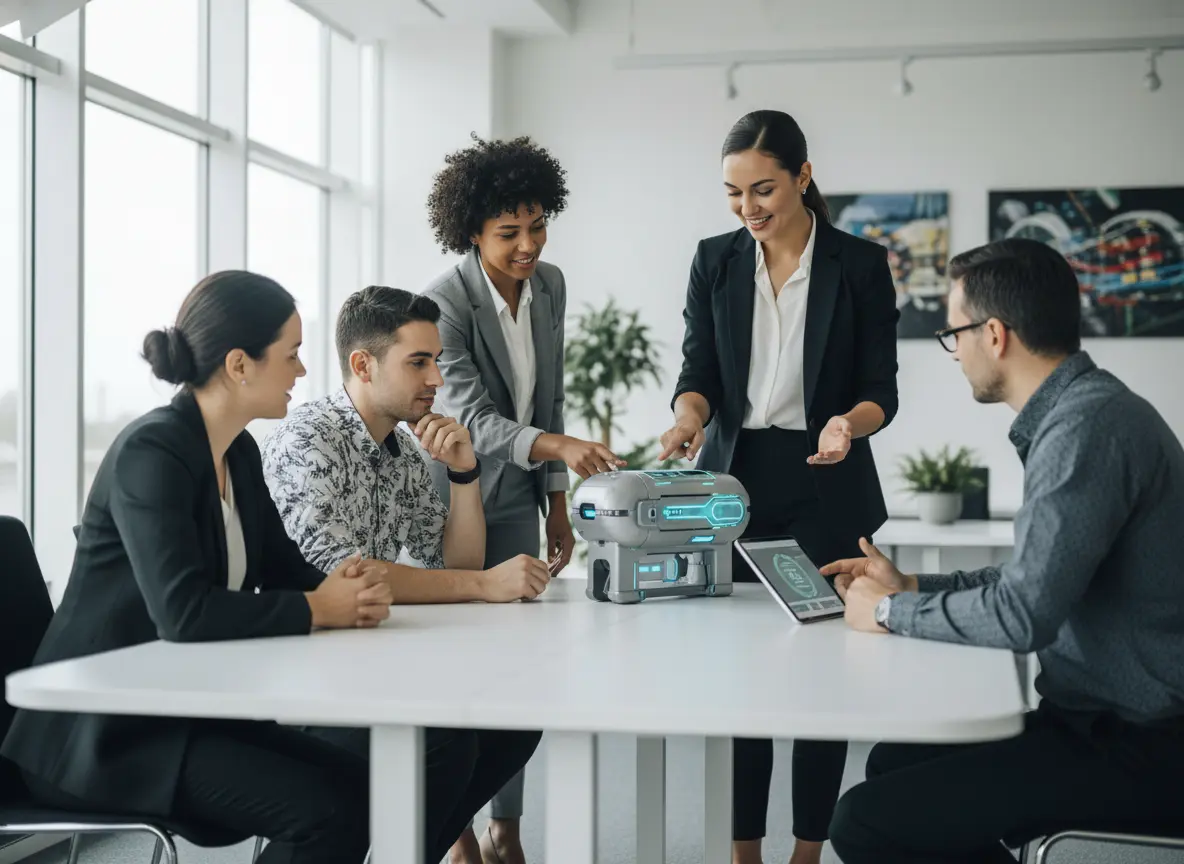
While a cloud-based POS handles transactions and inventory, it doesn't exactly greet customers at the door or answer your phones at midnight. That's where Stella comes in. Stella is an AI robot employee and phone receptionist designed specifically for businesses like yours. As an in-store kiosk, she stands inside your retail location and proactively engages customers — answering questions about products, promoting current deals, and even upselling related items without pulling your staff away from what they're doing.
On the phone side, Stella answers calls 24/7 with the same knowledge she uses in person, collects customer information through conversational intake forms, and can forward calls to your team when needed. It's the kind of consistent, professional presence that makes growing businesses look — and operate — like established ones.
The Practical Side of Making the Switch
Integration With the Tools You Already Use
A major concern for business owners considering a switch is whether a new POS system will play nicely with their existing tools — accounting software, e-commerce platforms, email marketing systems, and payroll solutions. The good news is that most modern cloud-based POS systems are built with integration in mind. Platforms like Square, Lightspeed, and Shopify POS offer extensive app marketplaces and API access that make connecting your tech stack far less painful than it used to be.
Before committing to a system, audit the tools you rely on daily and verify compatibility upfront. Many providers offer free trials, which is a perfect opportunity to test integrations in a real-world environment before you're locked in. Don't skip this step — a POS that doesn't talk to your accounting software is just creating a new problem to replace the old one.
Training Your Team Without Losing Your Mind
One of the most common objections to switching POS systems is the dreaded training period. And yes, any new system requires an adjustment phase — that's unavoidable. But cloud-based systems are generally designed with user-friendliness as a priority, featuring intuitive interfaces that your staff can typically learn in a matter of hours rather than days.
The key is to plan the transition strategically. Roll out training during a slower sales period, designate a system champion on your team who becomes the go-to expert, and take advantage of the onboarding resources that most cloud POS providers offer. Video tutorials, live chat support, and knowledge bases are standard. The short-term learning curve pays dividends almost immediately in the form of faster transactions, better reporting, and less time troubleshooting that wobbly USB cable.
Understanding the True Cost (and Savings)
It's fair to wonder whether a cloud-based POS subscription is worth the ongoing monthly cost compared to a one-time traditional system purchase. But when you factor in the cost of hardware maintenance, software updates, IT support, and the very real cost of downtime with legacy systems, cloud-based solutions often come out ahead — sometimes significantly. Many small to mid-sized retailers report reducing their overall technology overhead by 20–30% after switching to cloud-based infrastructure.
Additionally, cloud systems are maintained and updated automatically by the provider. You're not hiring someone to manage server updates or worrying about security patches. That's overhead you didn't know you were carrying until it's gone.
Quick Reminder About Stella
Stella is an AI robot employee and phone receptionist available for just $99/month with no upfront hardware costs. She greets customers in-store, promotes your deals, answers questions, and handles phone calls around the clock — giving your growing retail business a professional, always-on presence that scales just as easily as your new cloud POS. Worth knowing as you build out your tech stack.
Time to Stop Duct-Taping Your Operations Together
Growing a retail business is hard work. Your systems should be making that work easier, not adding to the chaos. A cloud-based POS system gives you the real-time visibility, inventory control, scalability, and customer experience tools that modern retail demands — without requiring a six-figure IT budget or a dedicated technical team to keep it running.
Here's what to do next: identify the specific pain points in your current POS setup — whether it's reporting gaps, inventory headaches, or slow checkout times — and use those as your evaluation criteria when comparing cloud platforms. Take advantage of free trials. Talk to other retailers in your industry who've made the switch. And while you're modernizing your tech stack, think holistically about the other systems that shape your customer experience, from how you manage inventory to how you greet customers at the door and answer their calls.
Your business is growing. Make sure your infrastructure is growing right along with it.