Why Your Salon's Slow Months Don't Have to Be So... Slow
Let's be honest — every salon owner knows the feeling. January rolls around after the holiday rush, or August hits and suddenly everyone's too busy at the beach to get a blowout. Your stylists are staring at an empty appointment book, the overhead isn't going anywhere, and you're wondering why you didn't plan for this again. Sound familiar?
The good news is that gift cards — yes, those little rectangular revenue generators — are one of the most underutilized tools in a salon's promotional arsenal. Most salons sell them reactively ("Oh, you need a gift? Sure, we have those!"), when the real money is in selling them strategically, well before the slow season hits. A structured gift card promotion calendar turns a passive revenue stream into an active one, letting you essentially borrow from your busy months to survive the quiet ones.
This guide will walk you through how to build that calendar from scratch — with real timing, real tactics, and a few tools that make execution a lot less painful.
Building the Foundation of Your Gift Card Calendar
Map Your Slow Months Before You Plan Anything
Before you start designing promotional banners or dreaming up discount schemes, you need data. Pull your booking and revenue reports from the past two to three years and identify your three to five slowest months. For most salons in the United States, January, February, and the mid-summer lull (late July through August) tend to be the usual suspects, but your market may vary. A salon in a beach town might thrive in summer and die in fall. Know your numbers.
Once you know when the slow months are, work backwards by six to eight weeks. That's your promotional window — the time during which you need gift card sales to spike so clients are sitting in your chairs when you'd otherwise be cleaning grout. The holiday season is the obvious example: if December is your busiest gift card selling period, those cards get redeemed in January and February. That's not a coincidence — that's a pattern you can engineer on purpose, year-round.
Choose Your Promotion Triggers and Anchor Points
A gift card promotion calendar works best when it's anchored to recognizable events and dates that give customers a reason to act. Think beyond just the major holidays. Here are some anchor points worth building around:
- Q1 (January–March): Valentine's Day, "New Year, New You" campaigns, Self-Care January
- Q2 (April–June): Mother's Day (one of the biggest gift card sales events of the year), prom season, spring refresh promotions
- Q3 (July–September): Back-to-school, summer wind-down, local events or festivals
- Q4 (October–December): Holiday gifting season, Black Friday/Small Business Saturday, New Year's Eve glam packages
The key is to pair each anchor point with a compelling offer that creates urgency. A flat "buy a gift card" message is easy to ignore. A "Buy a $100 gift card before February 10th and get a $15 bonus card for yourself" message? That's a Tuesday afternoon impulse purchase waiting to happen.
Set Revenue Goals for Each Promotion Window
Vague promotions produce vague results. For each campaign window in your calendar, define a specific gift card revenue target. If your average slow month brings in $8,000 and you need $12,000 to break even comfortably, you know your gift card promotions need to drive at least $4,000 in advance sales to bridge the gap. That number tells you how aggressively to promote, what incentive to offer, and whether to lean into email, social, in-store signage, or all three. Without a target, you're just hoping — and hope, unfortunately, doesn't pay for color supplies.
How to Actually Execute Without Losing Your Mind
Automate Your In-Store and Phone Touchpoints
Here's where a lot of salon owners fall short: the calendar exists, the promotions are planned, but execution depends entirely on whether a busy stylist remembered to mention the gift card deal between a balayage and a trim. Spoiler — they probably didn't.
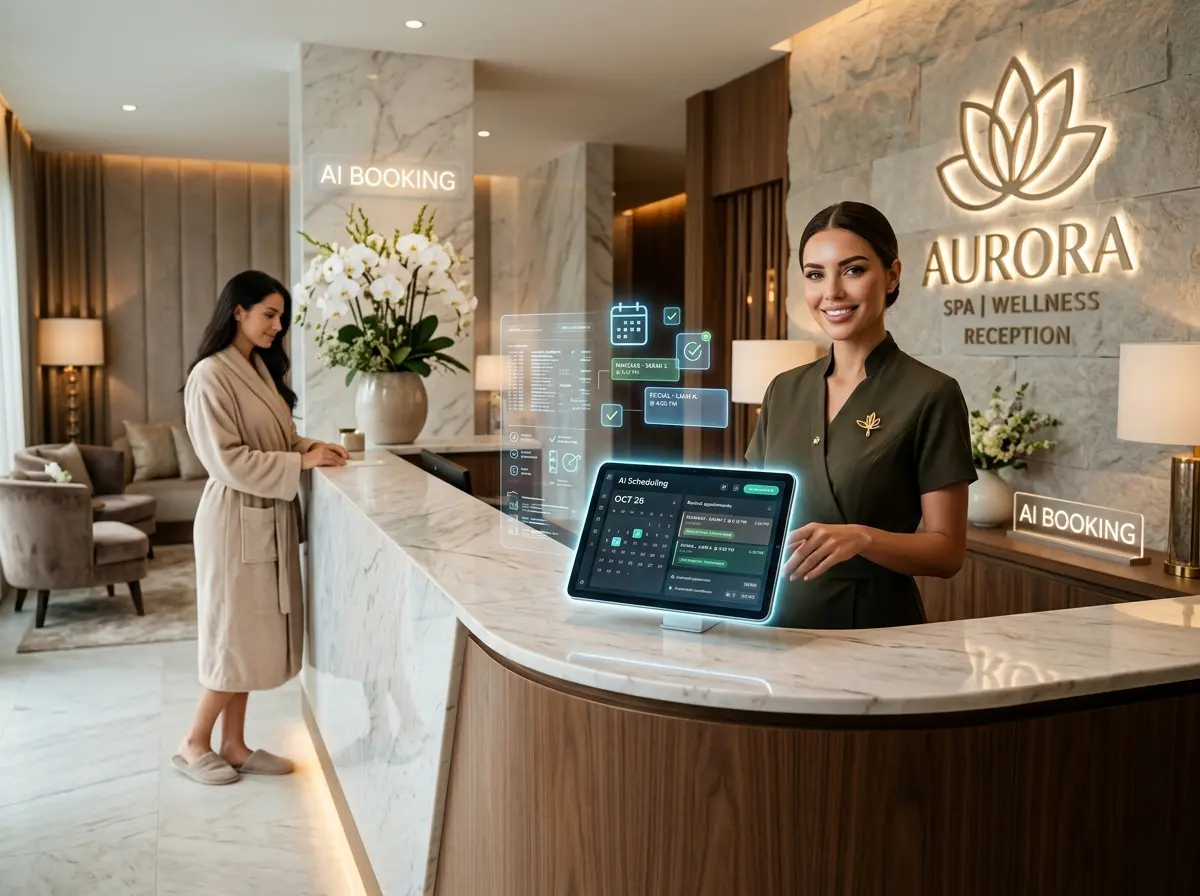
This is exactly where Stella, an AI robot employee and phone receptionist, earns her keep. In-store, Stella stands as a friendly, human-sized kiosk that proactively engages every customer who walks in — greeting them, answering questions, and yes, mentioning your current gift card promotion without ever forgetting, getting distracted, or going on a lunch break. On the phone, Stella answers every call 24/7, which means someone calling at 9 PM to ask about holiday gift cards actually gets an answer — and potentially makes a purchase decision — instead of hitting voicemail and moving on with their life. For $99/month with no hardware costs, it's the kind of consistent, tireless promotion that a human team simply can't replicate at scale.
Crafting Offers That Actually Convert
The Anatomy of a Compelling Gift Card Promotion
Not all gift card promotions are created equal. A 5% bonus on a gift card purchase is easy to ignore. A well-structured offer has three components: a clear value proposition, a deadline, and a personal benefit. The "buy $100, get $15 for yourself" format works so well because it removes the guilt of buying something as a gift — the buyer gets something too. Consider also offering tiered bonuses ($50 gets you $5 back, $100 gets you $15 back, $200 gets you $35 back) to encourage higher spend. According to industry data, gift card bonus promotions regularly increase average transaction values by 20–30%, which is not a number to shrug at.
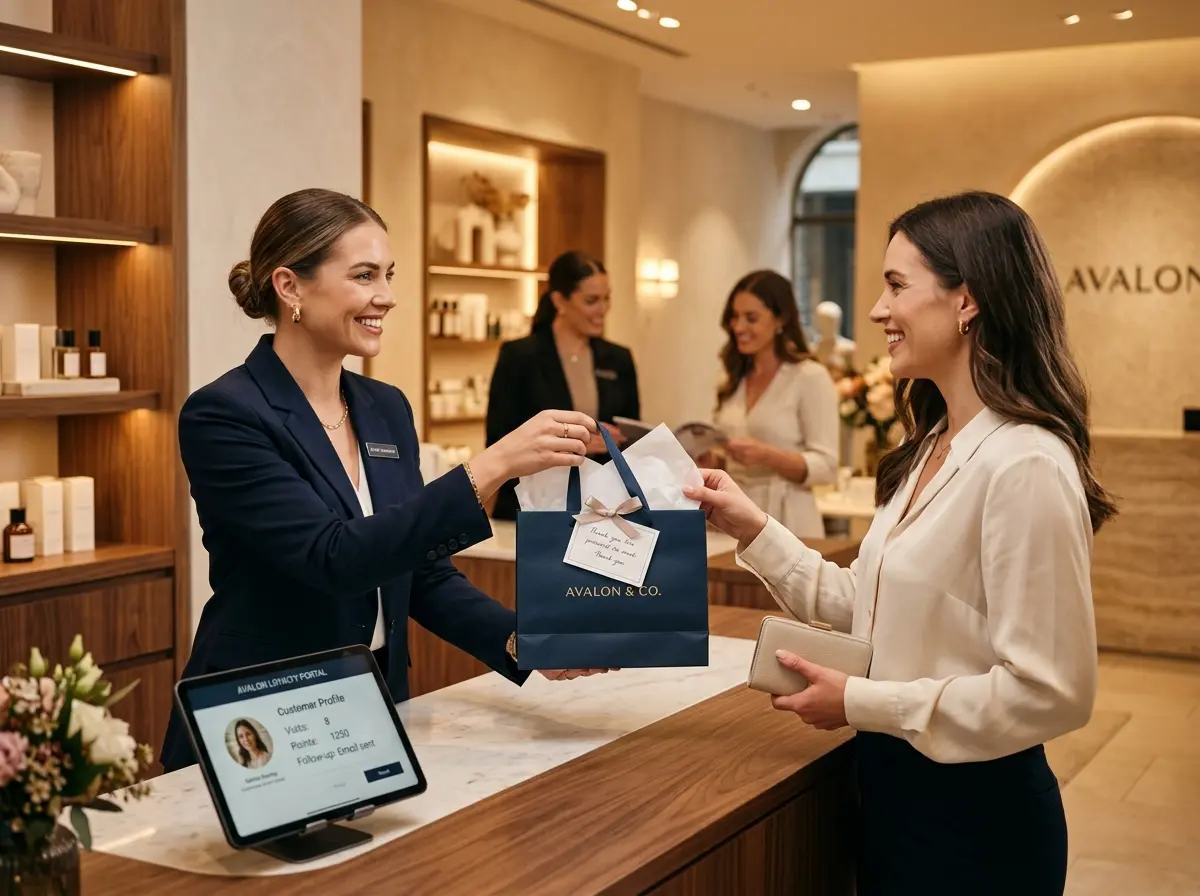
Don't underestimate packaging, either. A beautifully presented gift card with a handwritten-style note, a small product sample, or a branded sleeve elevates the perceived value and makes it a gift someone is genuinely excited to receive. People buy on emotion and justify with logic. Make the emotional case first.
Promote Across Every Channel — Consistently
Your gift card promotion calendar is only as effective as the reach of your messaging. For each campaign, plan to promote across at least three channels: email marketing to your existing client list, social media (especially Instagram and Facebook for salons), and in-store point-of-sale touchpoints. If you have a text marketing list, even better — SMS open rates hover around 98%, compared to roughly 20% for email, so a quick text reminder two days before a promotion ends can drive a meaningful last-minute spike.
Consistency is the underrated factor here. One email and one Instagram post is not a campaign — it's a whisper. A proper promotional push includes a launch announcement, a mid-campaign reminder, and a final-day urgency message. Repetition feels annoying to you because you wrote every message. Your clients, who are busy living their lives, often need to see something three times before it registers.
Track What Works and Refine Every Quarter
After each promotion window, take thirty minutes to review the results. How many gift cards were sold? What was the average value? How many were redeemed, and in which month? Which channel drove the most conversions? This data is the foundation of a better promotion next time. Over two or three years of disciplined tracking, you'll have a remarkably clear picture of what your clients respond to — and your slow months will start looking a lot less scary.
Quick Reminder About Stella
Stella is an AI robot employee and phone receptionist designed to help businesses like yours run more smoothly — greeting in-store customers, answering calls around the clock, promoting your current deals, and never once calling in sick. She's available for $99/month with no upfront hardware costs and is built to get up and running quickly. If your gift card promotions deserve a consistent, always-on voice to back them up, she's worth a very serious look.
Start Building Your Calendar This Week
A structured gift card promotion calendar isn't a luxury for big salon chains with marketing departments — it's a practical, low-cost strategy that any salon owner can implement with a few hours of planning and the discipline to follow through. The salons that consistently outperform during slow months aren't the ones with the most talented stylists or the best location. They're the ones that planned ahead, built systems, and didn't leave revenue to chance.
Here's your action plan to get started:
- This week: Pull your revenue data and identify your three slowest months.
- Next week: Map out your promotional anchor points for the next 12 months and assign revenue targets to each window.
- Within 30 days: Design your first offer, build your email and social assets, and set up your in-store and phone touchpoints to promote it automatically.
- Ongoing: Review results after every campaign and refine your approach each quarter.
Your slow months have been slow long enough. Time to put them to work.