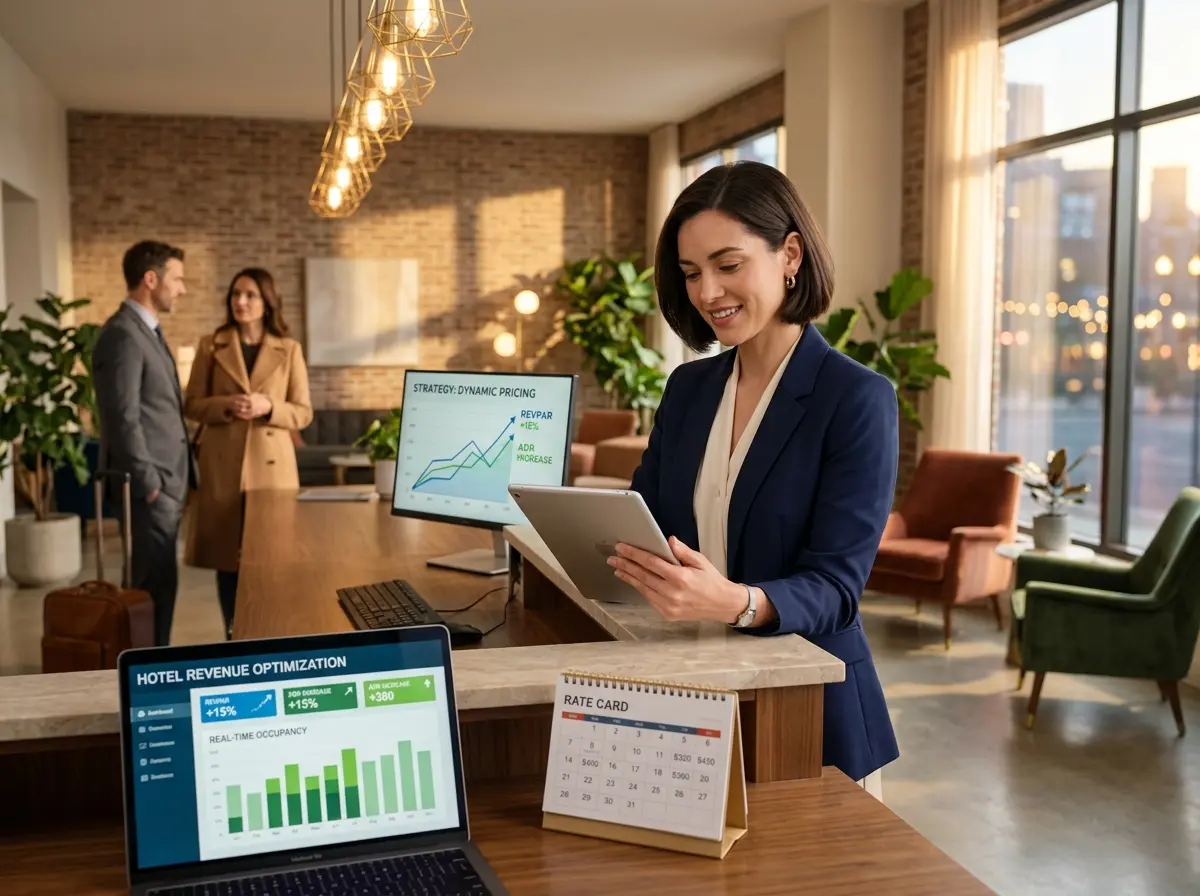
Why Your Hotel Room Should Cost Different Things at Different Times (And How to Make That Work for You)
Here's a fun scenario: It's the week of the big music festival in town, every hotel within 30 miles is fully booked, and you're still charging the same rate you offered back in January when the most exciting local event was a minor league baseball rain delay. Somewhere, a revenue manager is weeping softly into their spreadsheet.
Dynamic pricing — the practice of adjusting your room rates based on real-time demand, seasonality, competitor pricing, and market conditions — isn't some dark art practiced only by the big hotel chains. It's a legitimate, proven strategy that boutique hotels of every size can and should be using. According to industry research, hotels that implement dynamic pricing strategies can see revenue increases of 10–25% compared to those using static rates. That's not pocket change. That's a renovation, a marketing campaign, or simply a very good year.
The good news? You don't need a team of analysts or a six-figure software budget to make this work. You need a solid understanding of the fundamentals, the right tools, and the willingness to stop leaving money on the table. Let's dig in.
Understanding the Building Blocks of Dynamic Pricing
Before you start adjusting rates with wild abandon, it helps to understand why dynamic pricing works and what inputs actually drive smart pricing decisions. Think of it like cooking — you need to know your ingredients before you can improvise.
Demand Signals You Should Be Watching
Dynamic pricing is only as smart as the data feeding it. The most important demand signals for boutique hotels include local events (concerts, conferences, festivals, sporting events), seasonal travel patterns, competitor availability and pricing, and your own historical occupancy data. If there's a major conference rolling into your city every March, your pricing strategy in February should already be accounting for it.
Tools like Google Trends, local event calendars, and even your city's tourism board website can give you a surprising amount of forward-looking demand intelligence — often for free. Pair that with your own booking history and you'll start to see patterns that make pricing decisions far less guesswork and far more strategy.
Setting Your Rate Floors and Ceilings
One of the most common mistakes boutique hotel owners make with dynamic pricing is failing to set clear boundaries. A rate floor is the minimum you'll charge for a room — the point below which you're losing money or destroying your brand perception. A rate ceiling is the maximum the market will bear before guests start looking elsewhere or leaving you scathing reviews about value.
Your floor should account for all variable costs (housekeeping, utilities, amenities, OTA commissions) plus a reasonable profit margin. Your ceiling is trickier and requires honest competitive analysis. A good rule of thumb: during peak demand, boutique hotels can typically price 20–50% above their baseline rate without significant resistance — especially if your property has unique character, exceptional reviews, or a prime location.
Segmenting by Room Type and Guest Profile
Not every room in your hotel has the same demand curve, and not every guest has the same price sensitivity. Your corner suite with the mountain view commands different pricing dynamics than your standard queen on the ground floor. Building separate pricing strategies by room category — rather than adjusting everything uniformly — gives you far more precision and revenue upside.
Similarly, understanding your guest segments matters. Direct bookers, OTA guests, corporate travelers, and leisure travelers all behave differently. Direct bookers, for instance, often justify a slight discount compared to OTA rates since you're not paying a 15–20% commission. That's a built-in margin you can use creatively.
Tools and Technology That Make Dynamic Pricing Actually Manageable
Revenue Management Systems Worth Knowing About
For boutique hotels serious about dynamic pricing, a Property Management System (PMS) with integrated revenue management capabilities is worth the investment. Platforms like Cloudbeds, Little Hotelier, and RoomRaccoon are designed specifically for independent and boutique properties and offer automated rate adjustment features, competitor rate tracking, and demand forecasting without requiring an enterprise budget or an IT department.
Even if you're not ready for a full revenue management system, channel managers like SiteMinder or Lodgify can help you push rate changes across all your booking channels simultaneously — so you're not manually updating Booking.com, Expedia, and your direct site one by one at midnight before a busy weekend.
How Stella Can Support Your Front Desk During Rate Fluctuations
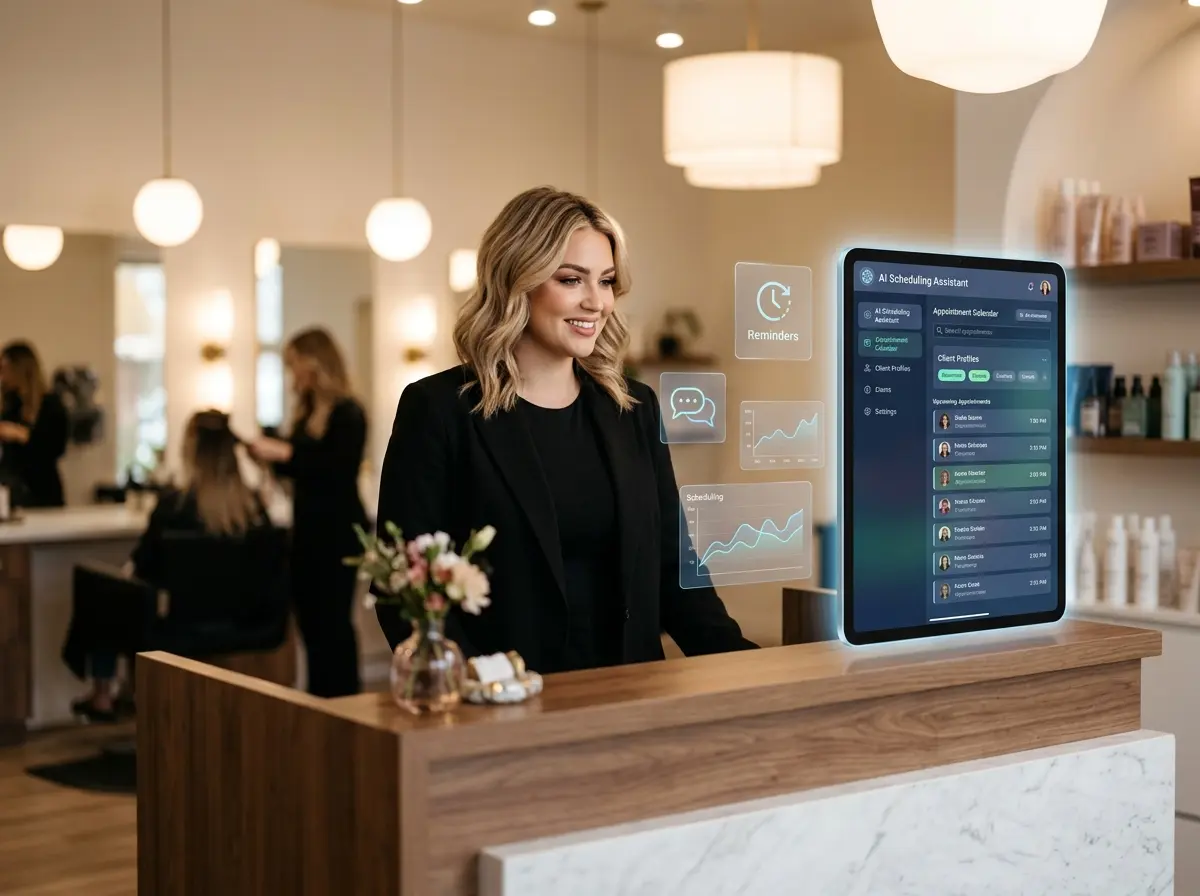
Dynamic pricing creates a small but real operational challenge: guests sometimes call to ask about rates, availability, or why the price they saw yesterday is different today. This is completely normal guest behavior, and handling it gracefully is part of the experience. Stella, the AI robot employee and phone receptionist, can field exactly these kinds of inquiries — 24/7, without putting your front desk staff in an awkward position.
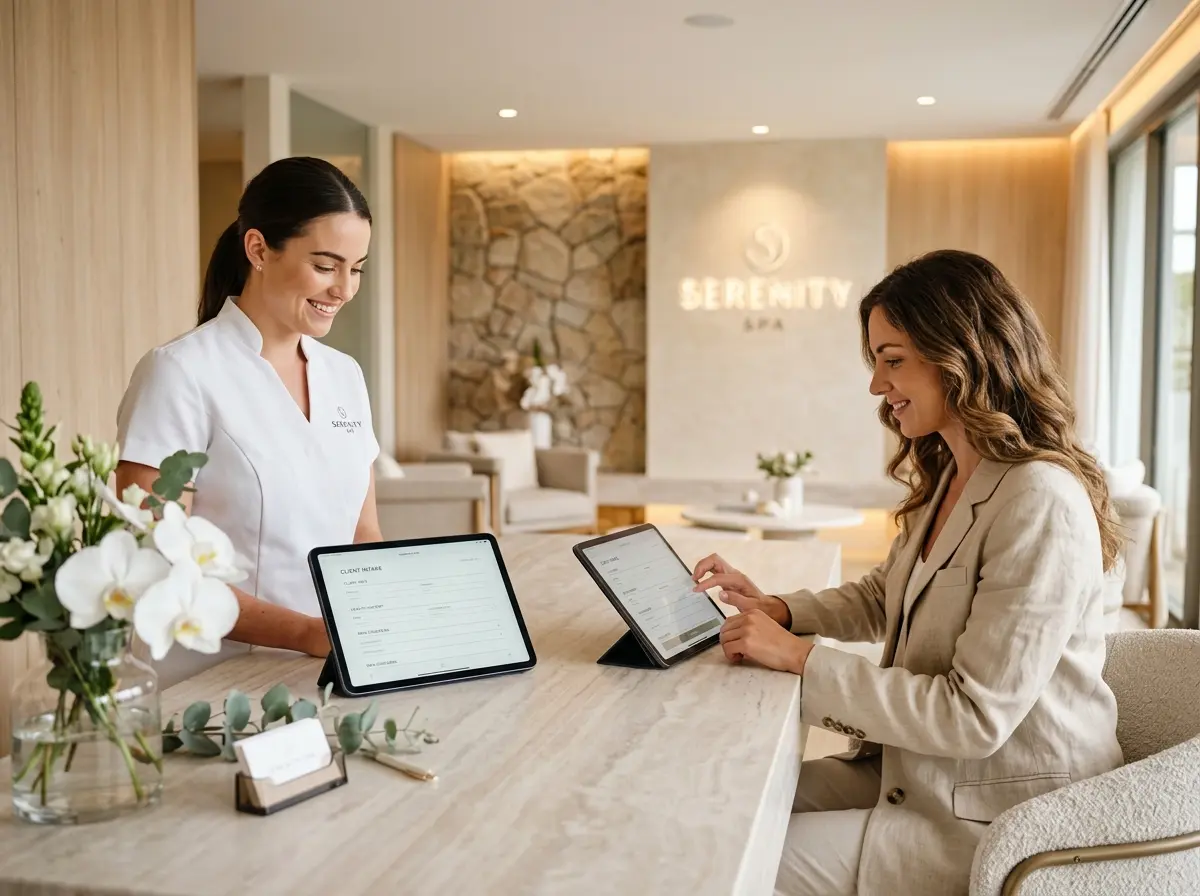
Whether a guest walks up to your lobby kiosk or calls after hours to ask what your weekend rates look like, Stella can answer with up-to-date information about your current offerings, promotions, and policies — keeping the conversation friendly and professional while your human team focuses on delivering exceptional in-person hospitality. She can also collect guest information through conversational intake forms and log it directly into her built-in CRM, so no lead ever falls through the cracks.
Implementing Dynamic Pricing Without Alienating Your Guests
Here's the uncomfortable truth that some revenue managers gloss over: dynamic pricing, done poorly, can feel exploitative to guests. Nobody likes discovering they paid $80 more than the couple in the room next door for the same stay. The key is implementing your strategy in a way that feels fair, transparent, and — ideally — invisible.
Framing and Transparency Are Your Friends
The hospitality industry has a significant advantage here: guests already expect hotel prices to fluctuate. Airlines trained the entire traveling public to accept variable pricing decades ago, and hotels have benefited from that conditioning. That said, how you communicate pricing matters enormously.
Lead with value, not just price. If you're charging peak rates during a festival weekend, make sure your property is delivering a peak experience — premium amenities, thoughtful touches, and exceptional service. If guests feel the price was justified by the experience, they won't just accept the rate; they'll come back and pay it again. Rate integrity also matters: avoid undercutting your own direct booking channel through OTAs, and consider a best rate guarantee for direct bookers to build loyalty.
Using Promotions and Packages Strategically
Dynamic pricing isn't only about raising rates — it's equally about stimulating demand during slow periods. During low-occupancy windows, consider time-limited promotions like early bird discounts (book 30+ days out for 15% off), last-minute deals to fill rooms that would otherwise sit empty, or curated packages that bundle your room rate with local experiences, spa services, or dining.
Packages are particularly powerful for boutique hotels because they shift the guest's mental framework from "Is this room worth $200?" to "Is this entire experience worth $200?" That's a much easier sell — and it protects your perceived rate integrity even when you're effectively discounting. Track which promotions drive actual conversions, not just clicks, and double down on what works.
Monitoring, Adjusting, and Actually Learning from Your Data
Dynamic pricing is not a set-it-and-forget-it strategy. It requires regular review of your occupancy rates, RevPAR (Revenue Per Available Room), booking pace (how quickly rooms are filling for future dates), and competitive positioning. Set a recurring calendar appointment — weekly during high season, bi-weekly during shoulder periods — to review your metrics and make deliberate adjustments.
Pay particular attention to your booking window. If rooms are filling up 45 days out, you have pricing power you may not be using. If you're still sitting at 40% occupancy two weeks before a stay date, a targeted promotion might be smarter than holding firm. The hotels that win at dynamic pricing are the ones who treat it as an ongoing discipline, not a one-time setup task.
Quick Reminder About Stella
Stella is an AI robot employee and phone receptionist designed to help businesses like yours run more smoothly — greeting guests at the front desk kiosk, answering calls around the clock, promoting your current offers, and handling routine questions so your staff can stay focused on what they do best. At just $99/month with no upfront hardware costs, she's one of the more practical investments a boutique hotel can make in consistent, professional guest communication.
Your Next Steps Toward Smarter Hotel Pricing
Dynamic pricing isn't complicated in principle — charge more when demand is high, stimulate demand when it's low, and always make sure the guest experience justifies the rate. What makes it challenging is the discipline to actually do it consistently, the tools to do it efficiently, and the guest-facing communication to do it gracefully.
Start here:
- Audit your current pricing strategy. Are you using static rates? Seasonal rates with two or three tiers? Identify where your biggest gaps and opportunities are.
- Map out your local demand calendar. Research events, holidays, and seasonal patterns for the next 12 months and flag your high-demand windows now.
- Evaluate your technology stack. If you're managing rates manually across multiple channels, a channel manager or PMS with revenue management features will pay for itself quickly.
- Set your floors and ceilings. Know your numbers before you start moving rates so you're always pricing profitably.
- Review and iterate. Build a rhythm of regular pricing check-ins and treat every booking cycle as a data point to learn from.
Your boutique hotel has something the big chains can never fully replicate: character, personal touch, and a guest experience that feels genuinely human. Dynamic pricing is simply how you make sure you're being appropriately compensated for it. Stop leaving money on the table — the table, after all, is in a beautifully appointed dining room that deserves its full rack rate.