Introduction: Your Spa's First Impression Might Be Costing You Clients
You've invested in plush robes, aromatherapy diffusers, and a team of skilled therapists who can untangle stress knots that have been accumulating since 2020. Your treatment rooms are immaculate. Your product shelves are perfectly curated. And yet — somewhere between "I should really book a facial" and actually showing up for that facial — you're losing clients. A lot of them.
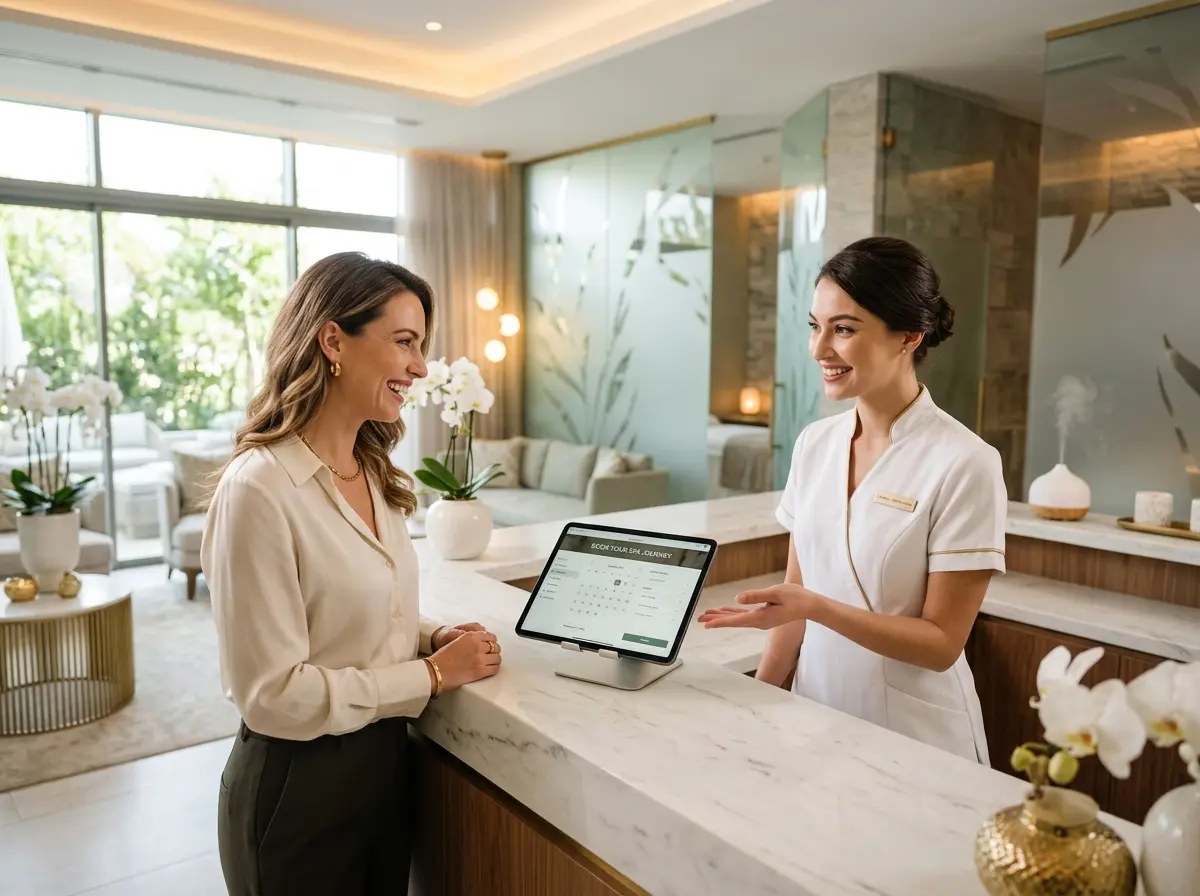
The culprit isn't your services. It's the journey. The path from a potential client's first contact with your spa to their first confirmed appointment is riddled with friction points that most spa owners don't even realize exist. A phone that rings out, a booking process that requires three extra steps, a front desk that's too busy to answer warmly — these small cracks quietly swallow revenue every single day.
The good news? The client journey is something you can redesign. And when you do it thoughtfully, you don't just fill your appointment book — you build the kind of effortless experience that turns first-timers into loyal regulars. Let's walk through exactly how to make that happen.
Understanding Where the Client Journey Actually Breaks Down
Before you can fix something, you have to admit it's broken. Most spa owners assume their booking process is "fine" — right up until they do a mystery shopper exercise and discover their own phone rang eleven times before going to voicemail. At 2:30 on a Tuesday. During business hours.
The Phone Call Problem Nobody Talks About
Here's a sobering reality: according to research by Forbes, 80% of callers who reach voicemail don't leave a message — they simply hang up and call a competitor. For spas, where a significant portion of new client inquiries still come in by phone, this is a revenue leak hiding in plain sight. Someone worked up the nerve to call, probably while stress-eating at their desk, ready to book a massage. And they got voicemail. You lost them to the spa down the street that picked up.
The fix isn't just "answer the phone more." It's building a system where every call receives a prompt, professional, and informative response — regardless of what your front desk team is doing at that moment.
The Follow-Up Gap: When Interest Goes Cold
Even when calls are answered or inquiries come in through your website, many spas fail at follow-up. A potential client asks about a couples massage package, gets quoted a price, says "let me check with my partner," and is never contacted again. Days later, they've booked elsewhere — not because they weren't interested, but because nobody reached back out.
Implementing a simple, consistent follow-up cadence — even just one automated message 24–48 hours after an inquiry — can meaningfully increase your conversion rate. You're not being pushy; you're being helpful. There's a difference, and your clients can feel it.
The Intake Form That Asks Too Much (or Too Little)
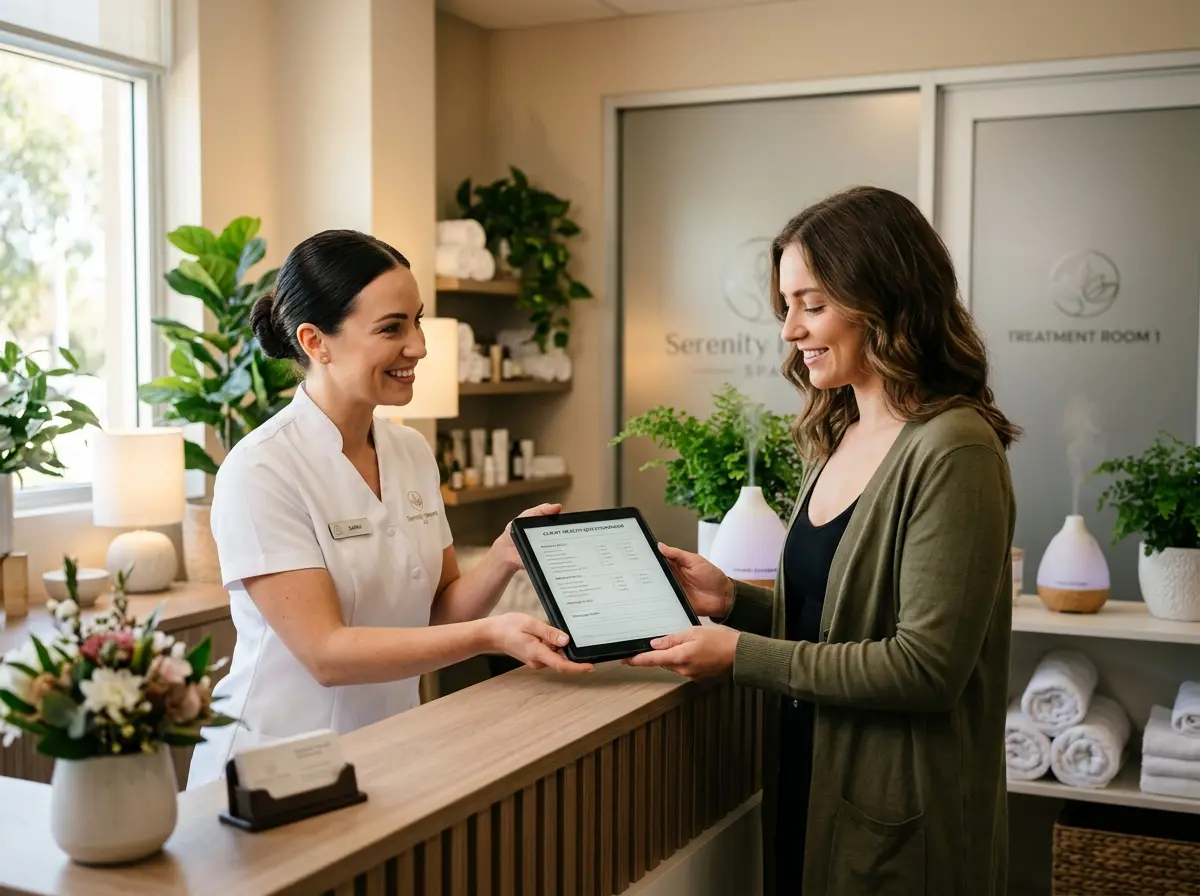
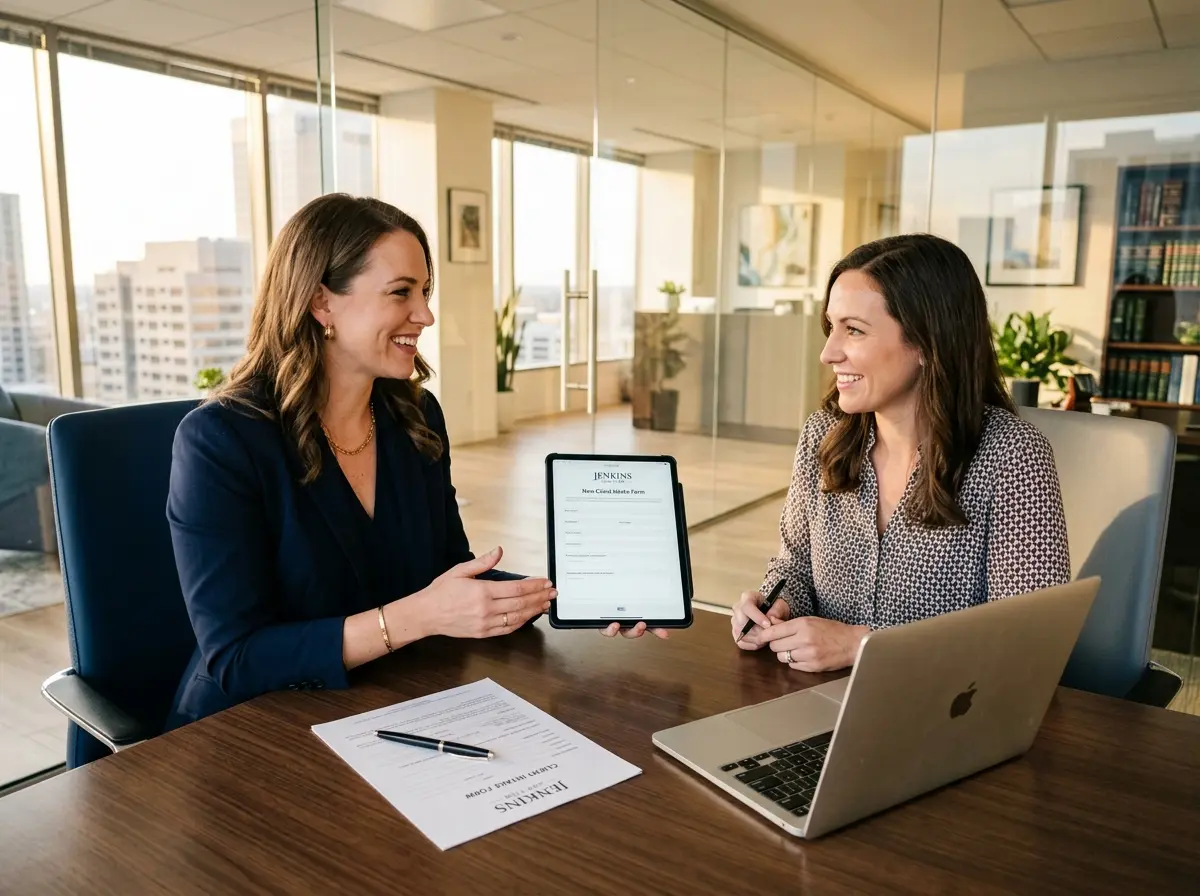
New client intake forms are a necessary part of spa operations, but they're often either overwhelming digital paperwork that clients abandon halfway through, or so bare-bones that your therapists arrive unprepared. The sweet spot is a conversational, well-designed intake process that feels natural — gathering the information you actually need without making the client feel like they're applying for a mortgage. When intake is smooth, clients arrive confident and your team arrives informed. Everyone wins.
How the Right Technology Smooths the Entire Journey
Let's be practical: you can't hire a receptionist who works 24 hours a day, never has an off day, and simultaneously greets walk-in clients while answering phones. That used to be a fantasy. It's not anymore.
Stella: Always On, Always Professional
Stella is an AI robot employee and phone receptionist designed specifically for businesses like yours. For spas with a physical location, she stands inside as a friendly, human-sized kiosk — greeting walk-in clients, answering questions about treatments and promotions, and even upselling add-ons your front desk didn't have time to mention. On the phone side, she answers every call, 24/7, with the same depth of knowledge she uses in person. No more missed calls. No more "let me put you on hold" while your front desk juggles three things at once.
Stella also handles conversational intake forms — collecting client information naturally over the phone, through the web, or at the kiosk, so your team has everything they need before a client even walks through the door. Her built-in CRM stores client profiles, notes, tags, and AI-generated summaries, which means you're not just capturing leads — you're actually managing them. All of this runs on a straightforward $99/month subscription, which, for context, is significantly less than one missed booking per week.
Designing a Client Journey That Actually Converts
Technology aside, the bones of a great client journey come down to intentional design. Every touchpoint — from how your phone is answered to how a confirmation email reads — shapes how a potential client feels about your spa before they ever arrive.
Map the Journey From Their Perspective, Not Yours
Sit down and walk through your own booking process as if you were a new client with no prior knowledge of your business. Search for yourself on Google. Call your own number. Try to book online. You will discover things that surprise you — and probably a few things that mildly horrify you. This exercise is humbling, but it's one of the highest-value hours you'll spend this month.
Look for moments of confusion, unnecessary steps, or places where the experience suddenly feels cold or impersonal. A great client journey feels warm and guided at every stage. If any step feels like bureaucracy, it needs to be rethought.
Create Consistency Across Every Channel
Your spa's voice, tone, and level of attentiveness should feel the same whether someone is calling, walking in, submitting a web form, or reading a response to their Google review. Inconsistency is jarring. If your Instagram feels luxurious and aspirational but your voicemail greeting sounds like it was recorded in a wind tunnel, something's off. Audit every client-facing touchpoint and make sure they all feel like they belong to the same brand — because they do.
Build in Moments That Exceed Expectations
The best client journeys don't just meet expectations — they strategically exceed them in small, memorable ways. A handwritten note tucked into a product purchase. A follow-up call after a client's first visit to ask how they're feeling. A birthday discount sent three days before — not three days after — their actual birthday. These touches don't require a massive budget. They require intention. And they are the difference between a client who books once and a client who books monthly and sends you referrals.
Consider building a simple loyalty touchpoint map: identify three moments in your client journey where you could add something unexpected and delightful. Then actually do it, consistently, for every client. This is how a spa becomes someone's spa — the one they tell their friends about.
Quick Reminder About Stella
Stella is an AI robot employee and phone receptionist built for businesses that want to stop losing clients to missed calls, slow follow-ups, and inconsistent front desk experiences. She greets walk-in clients in your spa, answers every phone call around the clock, handles intake forms, and manages your client contacts through a built-in CRM — all for $99/month with no complicated setup or upfront hardware costs. She's essentially the receptionist who never calls in sick.
Conclusion: Start Small, Start Today
Redesigning your client journey doesn't mean tearing everything down and rebuilding from scratch. It means identifying the cracks — the missed calls, the abandoned intake forms, the follow-ups that never happened — and systematically closing them. Here's where to start:
- Call your own spa right now. Note everything — how long it rings, what happens if no one answers, whether the greeting is warm and informative. That's your baseline.
- Audit your intake process. Is it easy? Is it conversational? Does it gather what your team actually needs? If not, simplify and streamline it.
- Identify your follow-up gap. Do you have a system for reaching back out to inquiries that didn't convert? If not, build one — even a simple one.
- Find three touchpoints to elevate. Pick moments in your client journey where a small, intentional gesture could create a memorable experience, and build those into your standard process.
- Evaluate your tech stack. Are your tools actually solving problems, or just creating new ones? Consider whether an AI receptionist like Stella could close the gaps that human staffing can't reliably fill.
Your services are already excellent — that much is clear, or you wouldn't still be in business. The opportunity now is to make the journey toward those services just as exceptional as the services themselves. When you do, you won't just book more appointments. You'll build a clientele that keeps coming back, brings their friends, and never thinks to look anywhere else.
And really, isn't that the whole point?