When Was the Last Time You Actually Grew Your Patient Base? (Let's Fix That)
Running an audiology practice is a unique challenge. You're in the business of helping people hear better — but first, you have to get them through the door. And here's the uncomfortable truth: most people wait an average of seven years after noticing hearing loss before seeking treatment. Seven years of cranking up the TV, asking people to repeat themselves, and nodding along in meetings they couldn't quite follow. By the time they call you, they're already overdue.
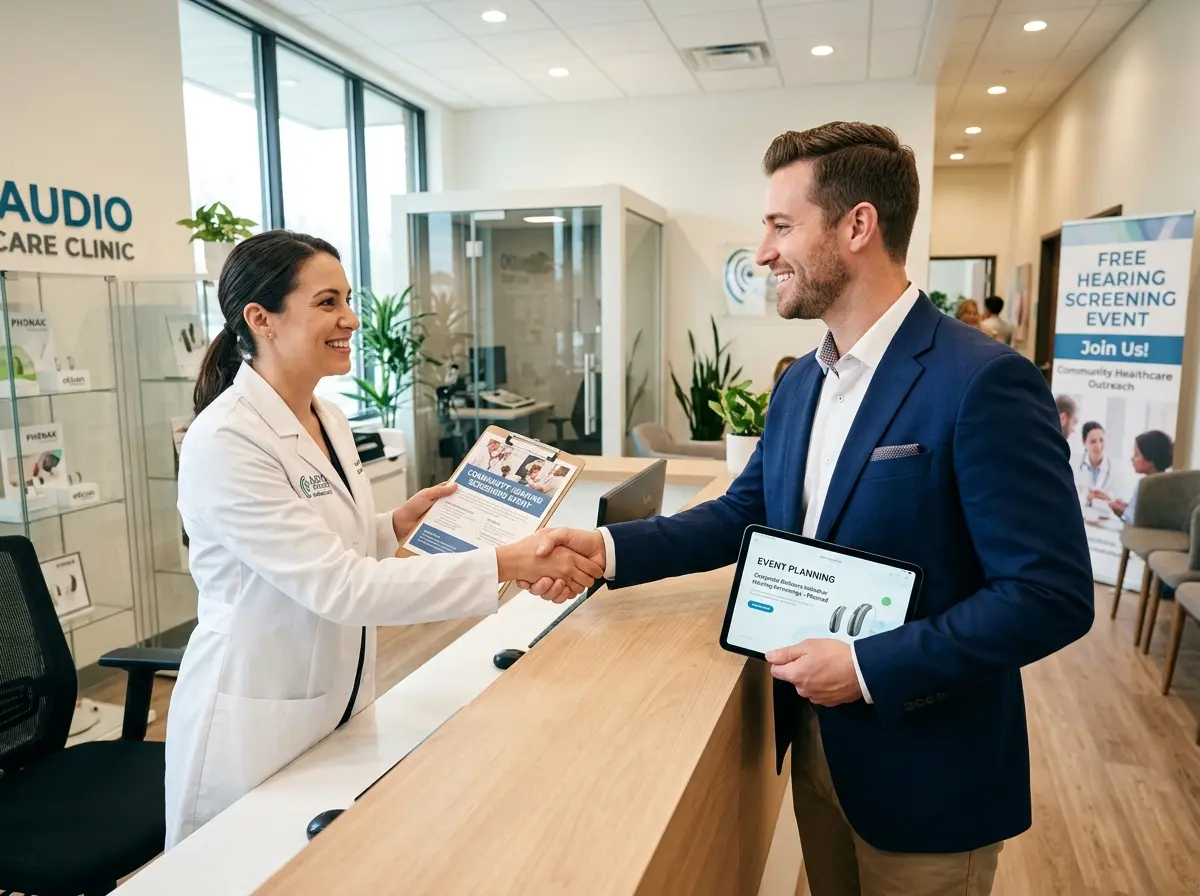
So how do you reach people before they've spent a decade in denial? Community hearing health screening events — and more specifically, strategic partnerships that put those events in front of the right people, at the right time, in places they already trust. Think senior centers, corporate offices, pharmacies, gyms, and local businesses. This isn't just outreach; it's smart, scalable marketing that builds goodwill and a steady referral pipeline at the same time.
The good news: building these partnerships doesn't require a massive budget or a full-time marketing department. It requires a solid strategy, a compelling pitch, and the operational systems to back it up. Let's walk through exactly how to do it.
Finding and Winning the Right Partners
Not every business or organization is a natural fit for a hearing health screening event. Your goal is to identify partners whose audience overlaps meaningfully with people who are at elevated risk for hearing loss or who simply haven't had their hearing checked — ever. That's actually a pretty wide net, but some venues are more productive than others.
Identifying High-Value Partner Organizations
Start with organizations that already serve your ideal demographic. Senior living communities and active adult centers are the obvious choice — hearing loss affects roughly one in three adults over age 65 — but don't overlook these frequently underutilized opportunities:
- Corporate employers — Occupational noise exposure is a leading cause of hearing loss, and HR departments love wellness programming that costs them nothing.
- Pharmacies and urgent care clinics — They see health-conscious patients regularly and are often eager to offer added value without adding overhead.
- Gyms and fitness centers — Particularly those catering to adults 40 and older. Loud music during workouts? That's actually a real risk factor worth discussing.
- Faith communities and civic organizations — High trust, loyal membership, and community leaders who genuinely want to provide value to their congregation or club.
- Local employers in manufacturing, construction, or hospitality — Industries where noise exposure is common and hearing checks are rarely top of mind.
Cast a wide net in your initial research, but prioritize depth over breadth. Two or three strong, well-executed partnerships will outperform a dozen lukewarm ones.
Crafting a Partner Pitch That Actually Works
Here's where many audiologists fumble: they lead with what they need rather than what their partner gets. Nobody is going to hand you their conference room and their member list because you need more patients. They'll do it because it makes them look good.
Your pitch should answer three questions for the potential partner: What do your members get? What does your organization get? And what do you need from us? Keep the ask small — a space, a time slot on the calendar, and a brief mention in their newsletter. Frame the hearing screening as a free community health benefit you're providing through them, not an event you're hosting at their location. That subtle reframing matters more than you might think.
Offer to provide branded materials, handle all logistics, and share aggregate (non-identifiable) results with the partner organization so they can report on the impact to their leadership. This turns your event into their success story — which means they'll invite you back.
Formalizing the Partnership
Once a partner says yes, resist the urge to keep things casual. A simple one-page partnership agreement — outlining responsibilities, dates, promotional commitments, and data privacy expectations — protects both parties and signals that you're a professional operation worth repeating. It also gives your contact something to show their supervisor when they need internal approval. Don't skip this step just because everyone seems friendly at the first meeting.
Streamlining Event Operations So You Don't Lose Your Mind
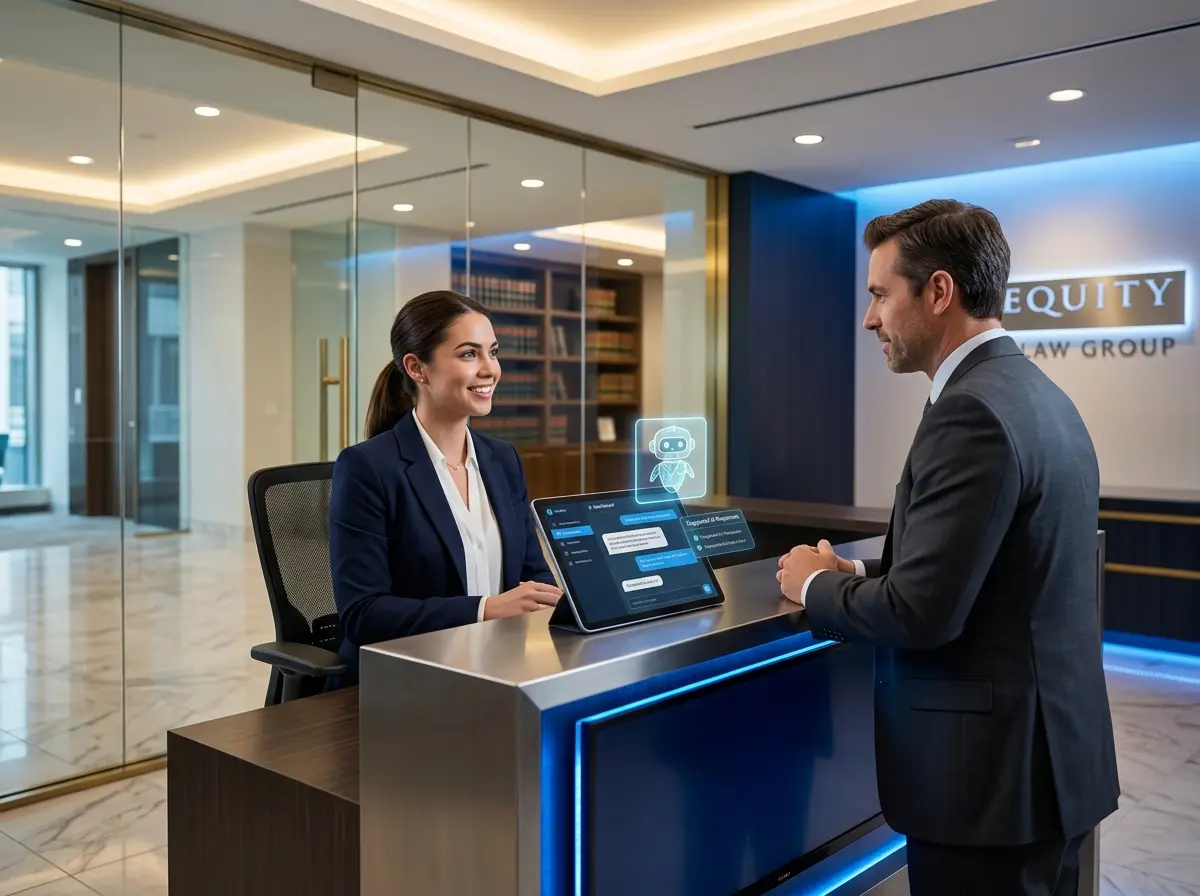
A community screening event sounds manageable until you're juggling appointment scheduling, walk-in intake forms, follow-up calls, and staff coverage all at once. This is where the right tools make a genuine difference — and where Stella, the AI robot employee and phone receptionist, fits neatly into the picture.
Managing Inquiries and Intake Without the Chaos
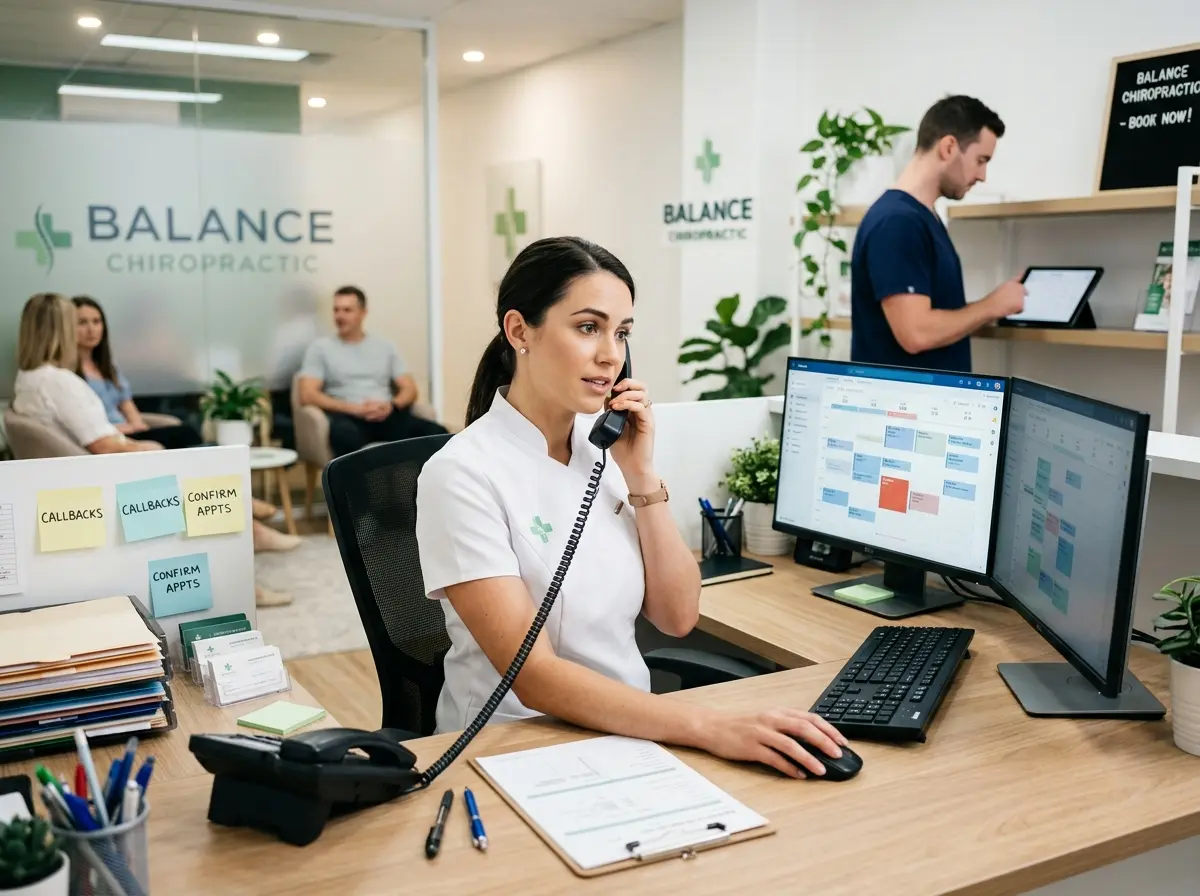
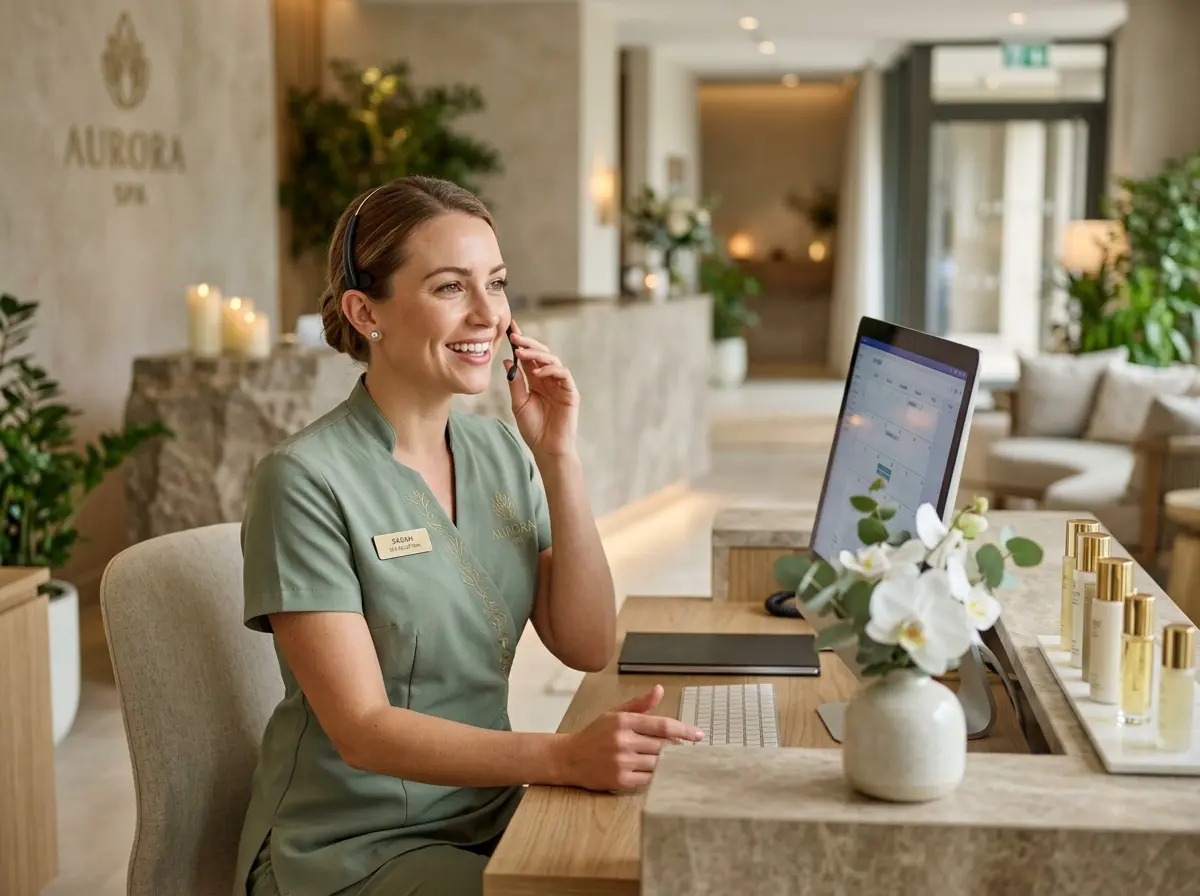
Before and during your event, phone call volume spikes. People want to know what to expect, whether it's free, how long it takes, and whether their insurance covers anything. If those calls go unanswered — or worse, to a voicemail nobody checks until Tuesday — you've already lost potential attendees. Stella answers calls 24/7 with the same knowledge your front desk staff uses, handles basic questions, and collects intake information through conversational forms so your team shows up to the event with a clean, organized contact list rather than a pile of sticky notes. Her built-in CRM even generates AI-powered contact profiles and tags, making it easy to segment event attendees for appropriate follow-up afterward.
Running an Event That Converts Attendees into Patients
Getting people to show up is only half the battle. The real win is what happens next. A well-designed screening event should feel like a genuine service — not a sales funnel with a stethoscope — while still creating a natural, comfortable path toward scheduling a full evaluation at your practice.
Designing the Event Experience
Keep the screening itself simple, fast, and non-intimidating. A brief conversation about hearing history, a quick pure-tone screening, and a clear explanation of results are all most people need at this stage. Aim for 15–20 minutes per person. Anything longer creates a bottleneck; anything shorter feels dismissive.
Your physical setup matters more than you'd expect. Signage should be warm and community-focused, not clinical. Have educational materials available — not brochures about hearing aids specifically, but general information about how hearing works, what normal aging looks like, and when to seek professional help. You want people leaving the event feeling informed and cared for, not pitched to. The difference in downstream conversion is significant.
The Follow-Up Strategy That Actually Drives Appointments
Most practices treat follow-up as an afterthought. This is a mistake. Your conversion window is highest in the 48–72 hours after someone receives their screening results, while the experience is still fresh and the information still feels relevant to them personally. Have a follow-up protocol in place before the event happens, not after.
Segment your attendees by result: those with normal hearing (keep them in your nurture pipeline), those with borderline results (prompt, warm outreach with a clear next step), and those with significant findings (prioritize these calls, lead with care and clarity, not urgency). Personalize your outreach based on what you learned about them at the event — whether that's their occupation, their lifestyle, or the specific situation they mentioned when they sat down with you. Generic follow-up emails get ignored. Relevant ones get appointments.
Measuring What's Working
Track every partnership and every event as its own data point. How many attendees? How many follow-up contacts? How many converted to full evaluations? How many became ongoing patients? Over time, you'll see clearly which partner types generate the best return and which event formats your community actually responds to. This isn't just good business practice — it's also exactly the kind of data that makes your pitch to next year's partners much more compelling.
A Quick Reminder About Stella
Stella is an AI robot employee and phone receptionist designed for businesses exactly like yours — professional, patient-facing, and always on. She greets patients in your practice, answers phone calls around the clock, collects intake information, manages your CRM contacts, and never calls in sick the morning of your biggest event. At $99/month with no upfront hardware costs, she's the front-desk support your practice deserves without the overhead you've been dreading.
Your Next Steps Start This Week
Building a hearing health screening event partnership program isn't a six-month initiative — it's a series of small, deliberate actions that compound over time. Here's how to get started without overwhelming yourself:
- This week: Make a list of five local organizations whose audience matches your ideal patient demographic. Research their leadership and identify the right contact person at each one.
- Next week: Draft a one-page partnership overview that leads with community benefit, keeps the ask small, and includes a brief bio or credential summary so partners know who they're working with.
- Within the month: Schedule your first two outreach meetings. You don't need all five to say yes — one solid partnership executed well is worth more than five half-hearted ones.
- Before your first event: Finalize your intake process, follow-up protocol, and the system you'll use to manage contacts and calls. If that last part sounds like a headache, it doesn't have to be.
Hearing health screening events work. They work because they meet people where they are — before the frustration becomes unbearable, before the relationships get strained, and before they've spent another year pretending they heard what someone said. Your practice has the expertise to help. Community partnerships give you the platform to reach people who haven't found you yet. All that's left is to build it — one well-chosen partner at a time.