Introduction: Because Grandma Deserves Better Than a Life Alert Commercial
Falls are the leading cause of injury-related death among adults over 65. According to the CDC, about one in four older adults falls each year, and the healthcare costs associated with those falls exceed $50 billion annually. As a physical therapist, you already know this. You probably have it memorized, laminated, and posted somewhere in your clinic. The real question isn't whether fall prevention matters — it's whether your practice is positioned as the go-to resource for it in your community.
Building a structured fall prevention program isn't just good medicine. It's good business. When done well, it creates a reliable referral engine from physicians, orthopedic surgeons, geriatric care managers, and senior living communities who are all quietly desperate for a PT practice that takes this seriously. This guide walks you through how to build a program that's clinically excellent, operationally smooth, and genuinely attractive to the referral sources who can fill your schedule faster than you can say "balance assessment."
Building the Clinical Foundation of Your Program
Before you print a single brochure or cold-call a single physician's office, your program needs substance. Referral sources are smart people. They will ask questions, and your answers need to be confident, specific, and evidence-based. A vague "we do fall prevention stuff" is not going to move the needle.
Start with a Standardized Assessment Protocol
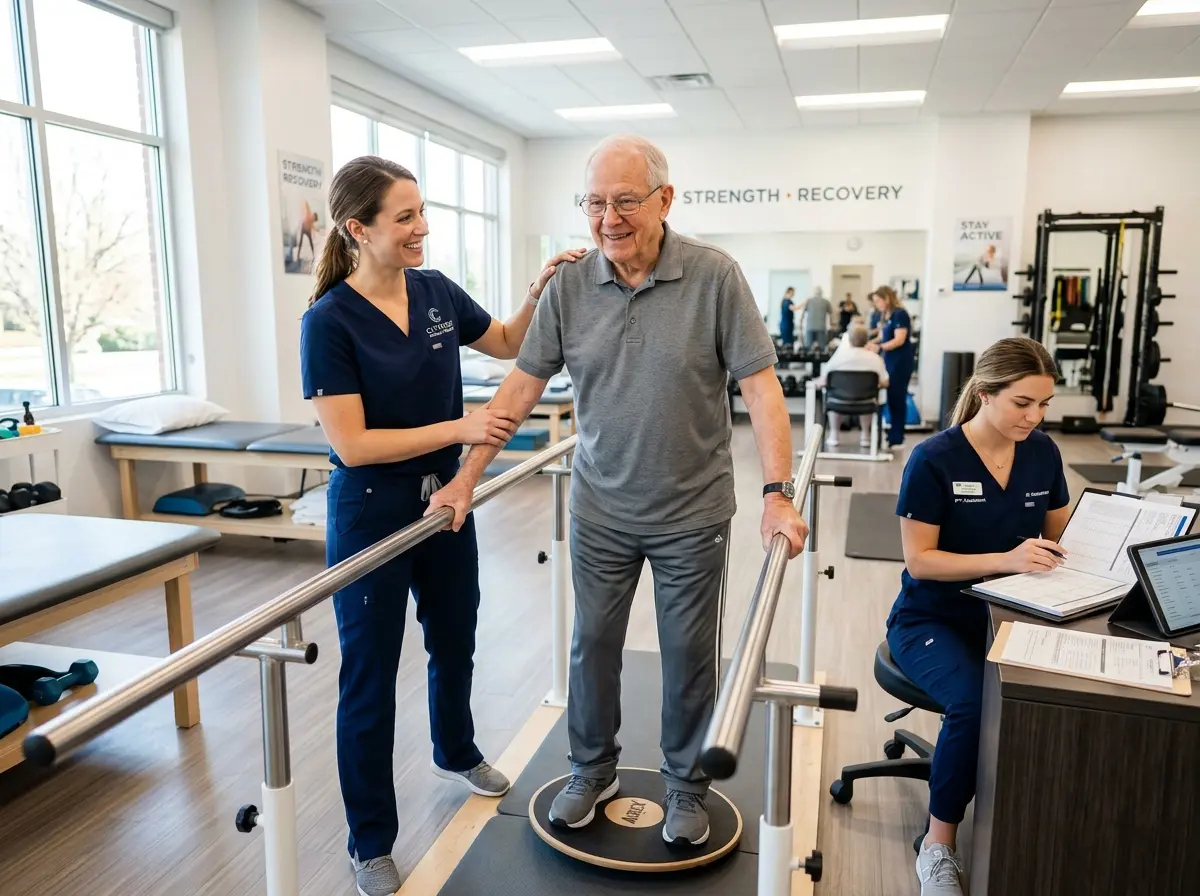
The backbone of any credible fall prevention program is a consistent, validated assessment process. At minimum, your intake evaluation should include the Berg Balance Scale, the Timed Up and Go (TUG) test, and a Four Stage Balance Test. Consider adding gait speed measurement and a home environment screening questionnaire. When referral sources know you're using the same validated tools their hospital uses, they feel confident sending patients your way — because they trust the data you'll send back.
Document everything in a way that's easy to communicate. A one-page summary report sent back to the referring physician after evaluation goes a long way. It shows professionalism, closes the communication loop, and — not so subtly — reminds that physician you exist every single time they open it.
Design a Tiered Intervention Structure
Not every elderly patient presents the same fall risk, and your program should reflect that. Consider organizing your interventions into tiers based on assessed risk level. Low-risk patients might benefit from a small-group balance class. Moderate-risk patients get a structured individual program with progressive resistance and proprioception training. High-risk patients receive intensive one-on-one care, possible home visits, and coordination with their care team. This kind of structure signals to referral sources that you're not just winging it — you have a system, and their patients will be treated appropriately based on clinical need rather than whatever open appointment slot you happen to have on Thursday afternoon.
Incorporate Evidence-Based Exercise Programs
Programs like Otago and STEADI (Stopping Elderly Accidents, Deaths, and Injuries) from the CDC are well-recognized by physicians and geriatric specialists. Incorporating these frameworks into your care model adds instant credibility. You're not reinventing the wheel — you're showing that you know which wheels have actually been tested on the road. Combine these with patient education on medication side effects, footwear, and home hazards, and you've built something that genuinely changes outcomes.
Streamlining Your Front Office So the Program Can Actually Scale
A great clinical program that drowns in administrative chaos will never reach its potential. If your front desk is overwhelmed, calls go unanswered, and new patient intake feels like doing taxes — your referral sources will notice. Patients will mention it. And referrals will quietly dry up.
Let Technology Handle the Repetitive Stuff
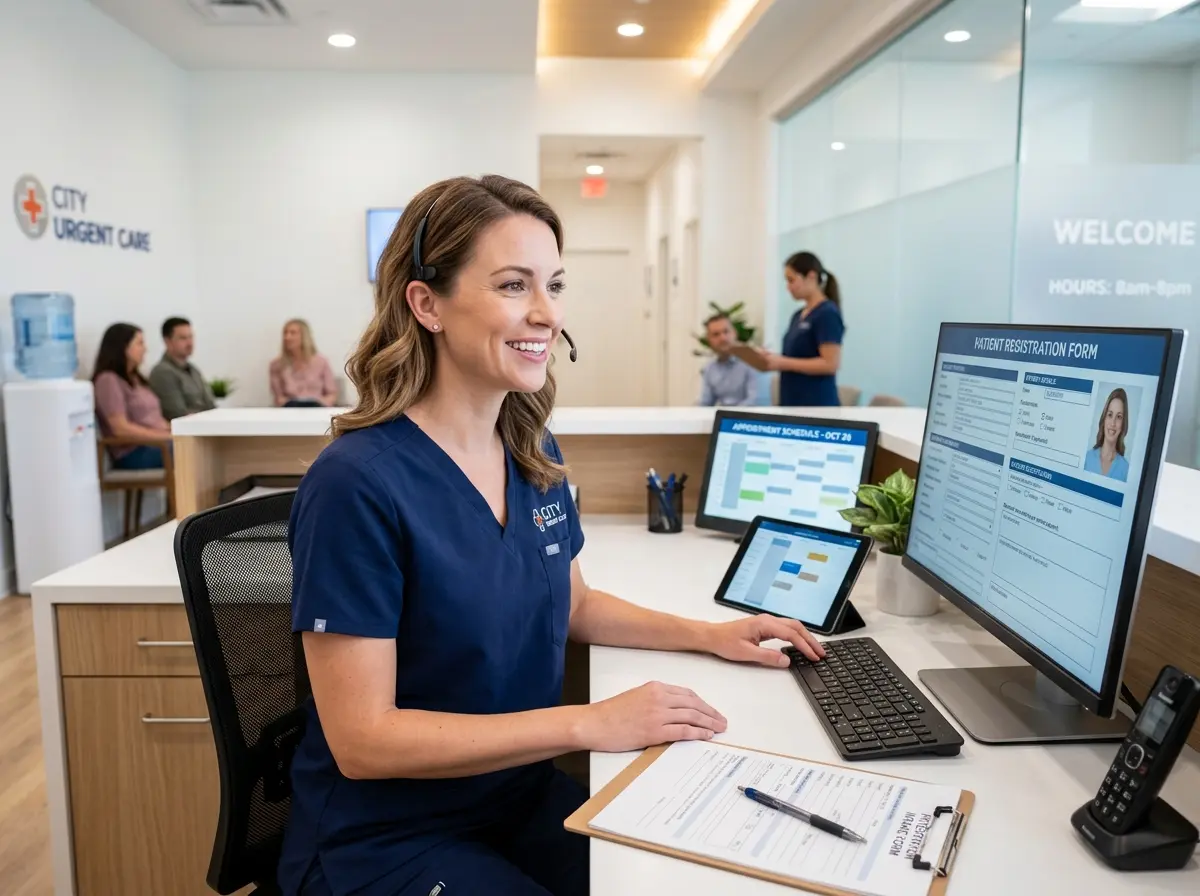
This is where Stella, the AI robot employee and phone receptionist, becomes genuinely useful for a PT practice. Stella answers phone calls 24/7, handles common questions about your services, hours, and intake process, and can collect new patient information through conversational intake forms — so by the time your staff actually picks up the file, half the paperwork is already done. For a fall prevention program that's actively growing referrals, this means no missed calls from a physician's office trying to send you a patient at 5:15 PM on a Friday. Stella's built-in CRM also lets you tag and track referral sources, so you can actually measure which relationships are driving volume and prioritize accordingly. At $99/month, it's considerably cheaper than the alternative of hiring another front desk person to cover the gaps.
Attracting and Nurturing Referral Relationships
Here's the part of the guide where we talk about marketing — which many clinicians approach with the enthusiasm of someone being asked to do their own plumbing. But referral development doesn't have to be sleazy or uncomfortable. When your program is strong, marketing it is really just telling people about something genuinely useful. Think of it as community education with a business card attached.
Identify and Prioritize Your Best Referral Sources
Not all referral sources are created equal. Primary care physicians see elderly patients constantly but are often too busy to think carefully about fall risk unless someone prompts them. Orthopedic surgeons — especially those doing hip and knee replacements — have a vested interest in their post-surgical patients not falling and undoing their work. Geriatric care managers, home health agencies, and senior living directors are equally valuable and often underutilized by PT practices. Map out who in your area sees the highest volume of fall-risk patients, and start there.
When you visit a physician's office, don't just drop off a brochure and hope for the best. Bring data. A one-pager showing your outcomes — average TUG improvement, percentage of patients who completed the program, fall incident rates if you're tracking them — speaks louder than any glossy marketing piece. Physicians are trained to respond to evidence. Give them some.
Build a Community Presence That Feeds Your Funnel
Consider offering a free monthly fall risk screening event — either in your clinic or at a local senior center. This accomplishes several things at once: it generates goodwill, it gets you in front of potential patients before they've had a fall (a much better time to start treatment, for obvious reasons), and it gives you something concrete to invite referral sources to attend or promote. A geriatric care manager who has personally seen you in action is infinitely more likely to send you patients than one who has only seen your name on a fax.
Partner with local pharmacies, optometrists, and audiologists — all of whom see elderly patients and all of whom have a professional interest in fall prevention (vision and hearing loss are significant fall risk factors that are easy to overlook). Cross-referral relationships benefit everyone, and they cost nothing but a good conversation over coffee.
Follow Up Like You Actually Mean It
Referral relationships die from neglect more often than anything else. Build a simple follow-up system: send a progress note after every third visit, send a discharge summary every time, and check in with your top five referral sources quarterly — not to ask for more referrals, but to share an interesting case outcome or a relevant article. Relationships require maintenance, and a small amount of consistent effort dramatically outperforms one big push followed by six months of silence.
Quick Reminder About Stella
Stella is an AI robot employee and phone receptionist that answers calls around the clock, greets patients at your front desk, and manages intake and CRM — all for $99/month with no upfront hardware costs. For a growing fall prevention program fielding calls from patients, families, and referring offices, that kind of reliable coverage isn't a luxury. It's infrastructure.
Conclusion: Build It Right, and They Will Come (and Refer)
Building a fall prevention program that actually attracts referrals comes down to three things: clinical credibility, operational smoothness, and consistent relationship-building. None of these are complicated in isolation, but together they require intention and follow-through — which, frankly, most practices never quite get around to.
Here are your actionable next steps to get started:
- Standardize your assessment protocol using validated tools like the Berg Balance Scale and TUG test, and create a clean one-page outcome report format for referring providers.
- Design your tiered intervention structure so you have a clear answer when a physician asks, "What exactly do you do with these patients?"
- Map your top ten referral targets in your area — physicians, surgeons, geriatric specialists, and senior living directors — and book two coffee meetings this month.
- Schedule your first community fall risk screening event and invite at least three referral sources to promote it.
- Audit your front office for missed calls and intake bottlenecks, and consider tools like Stella to ensure no referral slips through the cracks after hours.
Your elderly patients need this program. Your referral sources need someone they trust to run it. And your practice needs the sustainable growth that a well-built program delivers. The only thing standing between you and all of that is the decision to start building — preferably before the practice down the street beats you to it.