Introduction: The Lead That Got Away (And the One After That, and the One After That...)
Let's paint a familiar picture. It's a busy Tuesday afternoon. Your agents are out showing properties, your front desk is juggling three things at once, and somewhere — buried under a stack of listing paperwork — a phone is ringing. Then it stops. A potential buyer, perhaps someone ready to make the biggest financial decision of their life, just hit your voicemail, heard a generic beep, and called your competitor instead.
In real estate, missed calls aren't just missed conversations. They're missed commissions. According to the National Association of Realtors, 74% of buyers and sellers choose the first agent who responds to them. Not the most experienced. Not the one with the best reviews. The first one who picks up. That's a brutal statistic when you consider how often phones go unanswered in a busy agency.
The good news? You don't have to choose between being everywhere at once and burning your team out trying to get there. This guide walks you through a practical, no-nonsense strategy for capturing every lead — from missed calls to walk-ins — so that no opportunity slips through the cracks ever again.
Understanding the Real Cost of Missed Calls in Real Estate
Every Unanswered Call Is a Competitor's Win
Real estate is one of the most competitive industries on the planet, and the barrier to switching from your agency to the one down the street is exactly zero clicks. A prospect browsing listings online might call three agencies in a row. The first to answer gets the appointment. The other two get nothing — not even the dignity of knowing they lost.
Research from Lead Response Management shows that the odds of qualifying a lead decrease by over 80% if you wait longer than five minutes to respond. Five minutes. In real estate, where agents are often mid-showing, mid-negotiation, or mid-coffee, five minutes is practically a fantasy response time. This is why having a reliable system — not just a willing team — is the foundation of any serious lead capture strategy.
The After-Hours Black Hole
Here's the part that stings: a significant portion of real estate inquiries happen outside of business hours. People browse Zillow at 10 PM. They drive past your listing on a Saturday morning and call the number on the sign. They have a question about an open house on Sunday at 7 AM and expect someone to be available.
If your answer to after-hours calls is a voicemail box that gets checked Monday morning, you're essentially leaving a "Closed for Business" sign up 24/7 for anyone who doesn't call between 9 and 5. The modern buyer doesn't operate on your schedule — and frankly, they don't have to. Your lead capture strategy needs to account for the full 168 hours in a week, not just the 40 you're officially open.
Building a Lead Capture System That Actually Works
Letting Technology Handle the First Response
This is where Stella, the AI robot employee and phone receptionist, enters the picture. Stella answers calls 24/7 with the same knowledge and professionalism your best receptionist brings on a good day — without the sick days, turnover, or "I'll transfer you and you'll be on hold forever" energy. For a real estate agency, this means every caller gets an immediate, intelligent response regardless of the time or how slammed your team is.
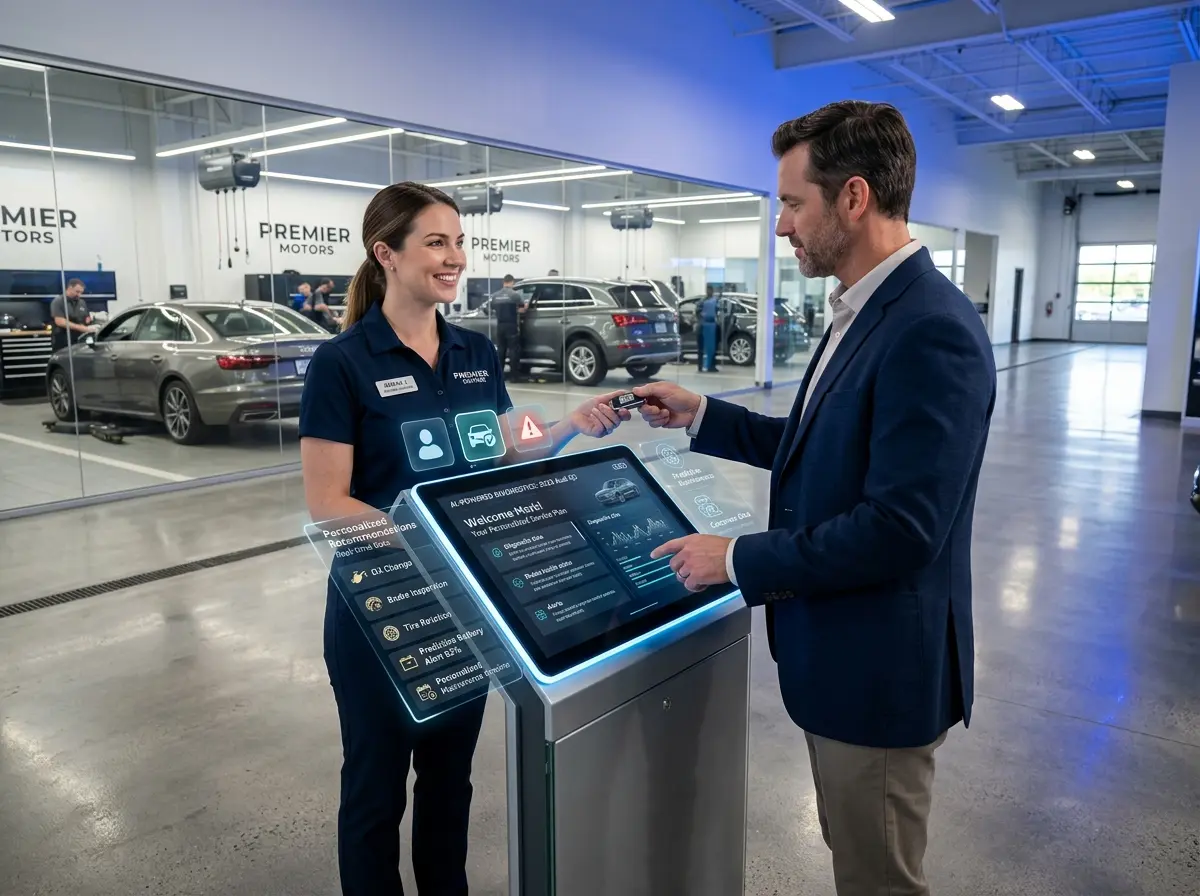
Stella can collect caller information through conversational intake forms right on the phone call — capturing names, contact details, what they're looking for, their timeline, and their budget before a human ever gets involved. That data flows directly into her built-in CRM, complete with AI-generated profiles, custom fields, and tags so your agents can follow up with actual context rather than playing phone tag blindfolded. For agencies that also have a physical office, Stella's in-store kiosk presence means walk-in prospects get the same warm, informed greeting — even when your front desk is on the phone or with another client.
Qualifying Leads Before They Reach Your Agents
Not every call is a hot lead, and your agents' time is expensive. A smart intake process that asks the right questions upfront — buyer or seller, timeline, pre-approval status, geographic preference — means your team spends their energy on prospects who are actually ready to move. This isn't gatekeeping; it's efficiency. And when those intake summaries are waiting in a CRM with AI-generated notes by the time an agent picks up the follow-up call, the whole conversation feels warmer, more prepared, and more professional.
Converting Captured Leads Into Closed Deals
Speed and Personalization: The Winning Combination
Capturing a lead is only half the battle. The follow-up is where agencies either win or waste the effort. Speed matters enormously — as mentioned earlier, your window of high receptivity is measured in minutes, not hours. But speed without personalization feels like spam. Nobody wants to receive a generic "Thanks for your inquiry!" email that could have been sent to literally anyone.
The solution is using the intake information collected at first contact to make every follow-up feel tailored. If a caller mentioned they're looking for a three-bedroom in a specific neighborhood with a 90-day timeline, your follow-up should reference exactly that. It signals that you listened, you're organized, and you're already working for them — which is exactly the impression you want a prospective client to have before they've even met you in person.
Building a Follow-Up Cadence That Doesn't Annoy People
There's a fine line between persistent and pestering, and most salespeople in any industry have crossed it at least once. For real estate leads, a reasonable follow-up cadence looks something like this:
- Day 1: Immediate response via call or text acknowledging their inquiry, ideally with relevant listings or information.
- Day 2–3: A personalized follow-up email with curated listings or answers to their specific questions.
- Day 7: A check-in call to see if they have questions or would like to schedule a showing.
- Day 14+: Shift to a nurture cadence — market updates, relevant listings, neighborhood insights — until they're ready to move forward.
The key is consistency without desperation. Leads that go cold don't always mean gone forever — sometimes they're just not ready yet. Staying visible in a helpful, low-pressure way means you're the first call they make when the timing is right.
Tracking What's Working (And What's Quietly Failing)
If you're not measuring your lead response rates, conversion rates by source, and follow-up effectiveness, you're essentially flying your business on instinct. Which is brave, but not particularly scalable. Your CRM should give you visibility into where leads are coming from, how quickly they're being contacted, how far they progress through your pipeline, and where they tend to drop off.
Even simple tracking — how many calls came in this week, how many were answered, how many led to appointments — gives you the data to make smarter decisions. Are your after-hours calls falling off a cliff? Maybe it's time to rethink your availability strategy. Is one lead source converting at twice the rate of another? Perhaps your marketing budget deserves a reallocation. Numbers don't lie, even when they're uncomfortable.
Quick Reminder About Stella
Stella is an AI robot employee and phone receptionist built for businesses that are tired of missing opportunities. She answers calls around the clock, greets walk-ins at the kiosk, collects lead information through conversational intake forms, and keeps everything organized in a built-in CRM — all for $99/month with no upfront hardware costs. For a real estate agency where every lead has real dollar value attached to it, she's the kind of reliable, always-on team member that doesn't require a benefits package.
Conclusion: Stop Leaving Leads on the Table
The real estate market is too competitive — and your leads too valuable — to let missed calls, slow follow-ups, and disorganized intake processes quietly drain your pipeline. The agencies that win consistently aren't necessarily the ones with the biggest teams or the flashiest marketing. They're the ones that respond first, follow up thoughtfully, and have systems in place that work even when their humans are unavailable.
Here are your actionable next steps to get started:
- Audit your current call response rate. How many calls are you actually answering? Check your phone records for the last 30 days and face the truth honestly.
- Identify your after-hours gap. When are inquiries coming in that nobody is responding to? That's your biggest opportunity for quick wins.
- Implement a structured intake process. Whether it's a script for your receptionist or an AI-powered system, make sure you're collecting the right information from every lead at first contact.
- Build a follow-up cadence and stick to it. Document it, assign ownership, and make it non-negotiable for your team.
- Measure and adjust. Review your lead conversion data monthly and make incremental improvements based on what the numbers are telling you.
Your next closed deal might be one unanswered phone call away from never happening. Or, if you get your systems right, it might be one perfectly handled call away from starting a great client relationship. The choice — and the infrastructure to support it — is entirely yours to make.