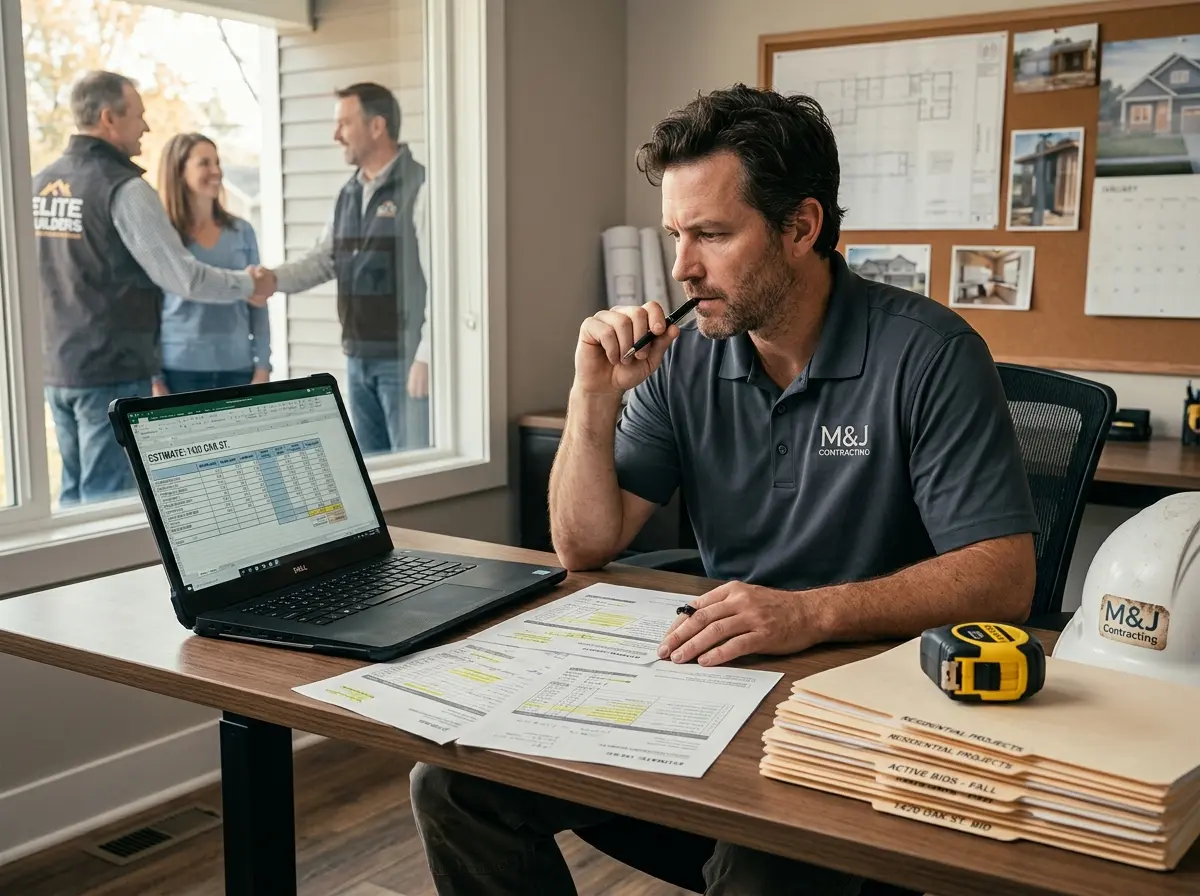
Introduction: Welcome to the Controlled Chaos of Subcontractor Management
If you've been in the contracting business for more than five minutes, you already know that managing subcontractors is equal parts art, science, and occasionally, theatrical performance. One day everything is running like a well-oiled machine. The next day, your electrician has vanished into thin air, your plumber shows up three hours late, and somehow nobody got the memo about the permit inspection scheduled for 8 AM. Sound familiar?
Here's the truth: subcontractors are the backbone of most contracting operations. You need them. Without a reliable network of subs, you're either turning down jobs or working yourself into an early grave. But managing them poorly — unclear contracts, no accountability, poor communication — is a fast track to cost overruns, missed deadlines, angry clients, and a reputation that precedes you in all the wrong ways.
According to a study by the Construction Industry Institute, poor coordination and communication between contractors and subcontractors is one of the leading causes of project delays and budget overruns. So the stakes are very real. The good news? With the right systems and habits in place, managing subs doesn't have to feel like herding cats. Let's break it down.
Building a Subcontractor Network You Can Actually Rely On
Before you can manage subcontractors effectively, you need to have the right ones in your corner. Your network is everything. A mediocre sub you can count on will outperform a brilliant one who ghosts you three days before a deadline every single time.
Vetting Subs Before You Need Them
The worst time to find a new subcontractor is when you're already mid-project and desperate. Reactive hiring is how you end up paying a premium for someone whose last reference was their own mother. Instead, build your bench before you need it.
When vetting potential subs, go beyond the license and insurance check — though yes, absolutely verify both, every time, no exceptions. Ask for references from general contractors specifically, not just property owners. Talk to people who've managed them in the field. Find out if they communicate proactively when problems arise or if they go quiet and hope nobody notices. Ask about their crew size, their current workload, and how they handle scheduling conflicts. A subcontractor who is perpetually overbooked is going to let you down eventually, and it probably won't be at a convenient moment.
Formalizing the Relationship from Day One
Handshake deals are charming. They're also a liability. Every subcontractor relationship should begin with a written subcontract that spells out scope of work, payment terms, schedule expectations, change order procedures, and insurance requirements. If a sub balks at signing a contract, that's a red flag, not a negotiation point.
Your subcontract should also include a clear clause about communication expectations — specifically, how quickly they're expected to respond to messages and what constitutes an unacceptable delay. Set the standard early. If you establish from the beginning that you run a professional, organized operation, you'll attract and retain subs who operate the same way.
Communication and Accountability: The Real Job Site Superpower
You can have the best subs in the business, but if your communication systems are a mess of missed calls, unanswered texts, and vague verbal instructions, things will still go sideways. Communication isn't just a soft skill — on a job site, it's a operational necessity.
Creating Consistent Check-In Rhythms
Establish a regular cadence for updates. This doesn't need to be a formal meeting with an agenda and PowerPoint slides — a brief daily check-in at the start of the workday takes five minutes and prevents five hours of damage control later. Use a project management tool like Buildertrend, CoConstruct, or even a shared Google Sheet to track milestones, flag delays, and keep everyone aligned. When your subs know you're paying attention, they stay more accountable.
Documentation is your friend. Follow up verbal conversations with a quick written summary — a simple text or email saying "Just to confirm, you'll have the rough-in complete by Thursday EOD" creates a paper trail and removes the "I didn't know" excuse from the equation entirely.
Handling Issues Without Burning Bridges
Problems will happen. A sub will fall behind. Materials will be installed wrong. Someone will skip a step that absolutely should not have been skipped. How you handle these moments defines your reputation as a contractor just as much as the quality of your finished work. Address issues directly and quickly, but professionally. Lead with facts and consequences, not frustration. Something like "This puts us two days behind on a deadline we've committed to the client — here's what I need from you by end of day to get back on track" is infinitely more effective than a furious phone call that leaves everyone defensive and nothing resolved.
That said, if a sub repeatedly fails to meet expectations after fair chances and clear communication, it's time to move on. Loyalty is admirable; loyalty to someone who keeps costing you money and clients is just expensive.
Streamlining Your Business Operations While the Job Gets Done
While you're out managing job sites, juggling schedules, and chasing down subcontractors, your business still needs to be running smoothly back at the office — or wherever "the office" happens to be this week. Missed calls, unanswered inquiries, and dropped leads don't pause just because you're elbow-deep in a project.
Keeping the Front End Running When You're in the Field
This is where Stella can be a quiet game-changer for contractors. As an AI robot employee and phone receptionist, Stella answers every phone call 24/7 — so when a potential client calls about a quote at 7 PM on a Tuesday while you're reviewing blueprints, they get a professional, knowledgeable response instead of voicemail. She can handle FAQs about your services, collect intake information from new leads through conversational forms, and push AI-generated voicemail summaries directly to your phone so you can prioritize callbacks efficiently.
For contractors with a physical office or showroom, Stella also operates as an in-store kiosk presence — greeting walk-in clients, answering questions about your services, and keeping things professional even when your staff is busy or out on-site. At $99/month with no upfront hardware costs, it's a practical way to make sure the business development side of your operation doesn't stall out just because you're focused on delivery.
Getting Paid Properly and Protecting Your Margins
Even the best-managed subcontractor relationships can quietly erode your profitability if your financial systems aren't tight. Scope creep, undocumented change orders, and payment disputes are among the most common — and most preventable — ways contractors lose money on otherwise successful projects.
Change Orders Are Not Optional
Let's say it plainly: if the scope changes, there must be a written change order, signed before the work begins. No exceptions, no "we'll sort it out later," no "I trust you, we'll figure it out." Change orders protect you from absorbing costs that weren't in the original budget, and they protect your subs from doing work they won't get paid for. A clean change order process is a sign of a professional operation, and any client or sub who pushes back on it is waving a flag you should take seriously.
Payment Structures That Keep Everyone Motivated
How you structure sub payments matters more than most contractors initially realize. Milestone-based payments — tied to inspections passed, phases completed, or work verified — create natural accountability checkpoints and reduce the risk of paying for work that isn't actually done to spec. Avoid paying large amounts upfront to subs you don't know well, and always retain a portion of the payment until the final punch list is complete and approved.
Also, pay on time. It sounds obvious, but a contractor who pays reliably and on schedule becomes the preferred client for the best subs in the market. When you have a reputation for being fair and financially dependable, you'll get better availability, better pricing, and a lot more goodwill when things get complicated.
Tracking Subcontractor Costs in Real Time
Cost tracking should not be a post-project exercise. By the time you're doing the final accounting and realizing your margins evaporated somewhere around week three, it's too late to course-correct. Use job costing software — or even a simple spreadsheet if that's what you have — to track what you're spending against subs in real time. Set budget alerts. Review actuals versus estimates weekly. Small overruns caught early are manageable. Ignored small overruns become large ones with impressive speed.
Quick Reminder About Stella
Stella is an AI robot employee and phone receptionist designed to help business owners — including contractors — stay professional and responsive even when they're deep in project work. She answers calls around the clock, greets in-person visitors at a physical location, collects lead information, and keeps communication flowing without requiring your constant attention. At a flat $99/month with no hardware costs, she's the kind of team member who never calls in sick and never lets a lead go to voicemail without a response.
Conclusion: Build Systems, Not Stress
Managing subcontractors well isn't about being the toughest boss on the job site or micromanaging every nail gun. It's about building reliable systems — for vetting, contracting, communicating, paying, and tracking — so that your projects run predictably and your reputation stays intact job after job.
Here's what to actually do this week. First, audit your current subcontract template and make sure it covers scope, schedule, payment terms, change order procedures, and communication expectations. Second, set up a simple check-in process — even just a daily text or a shared project tracker — so you have visibility without hovering. Third, review your last three projects for where costs ran over budget and identify whether there's a pattern with specific subs or specific types of scope changes.
Running a contracting business is genuinely hard work. But the contractors who scale successfully aren't necessarily the most technically skilled — they're the ones who build the systems that let them manage complexity without losing their minds in the process. Put the right pieces in place, hold your standards consistently, and you might just find that this business is actually fun again.