Let's Be Honest: Is "10% Off" Really an "Event"?
Ah, the in-store event. A magical time when you spend weeks planning, ordering extra inventory, and plastering your windows with neon signs, all for the singular purpose of… giving your stuff away for less money. Sound familiar? If your event strategy revolves entirely around the discount percentage you can offer without filing for bankruptcy, you’re not alone. But let’s call it what it is: a race to the bottom, fueled by lukewarm coffee and margin anxiety.
The "Sale" sign has become the retail equivalent of background noise. Customers are so conditioned to it that anything less than a 50% off "EVERYTHING MUST GO!" blowout barely registers. This endless cycle of discounting doesn’t build loyalty; it builds bargain hunters. It teaches your customers that your products are only worth buying when they're on sale. Ouch.
But what if you could create a buzz, drive foot traffic, and build a fiercely loyal community without slashing your prices? What if your events were so compelling that people would actually, you know, pay full price? It’s not a fantasy. It’s a strategy. And it’s time to stop competing on price and start competing on experience.
The Art of the Experience: Events That Build Buzz, Not Debt
The goal is to transform your store from a place where people buy things into a place where people do things. When you offer value beyond the price tag, you create memories and connections. People will come for the experience and stay for the products. Here are a few ideas to get you started.
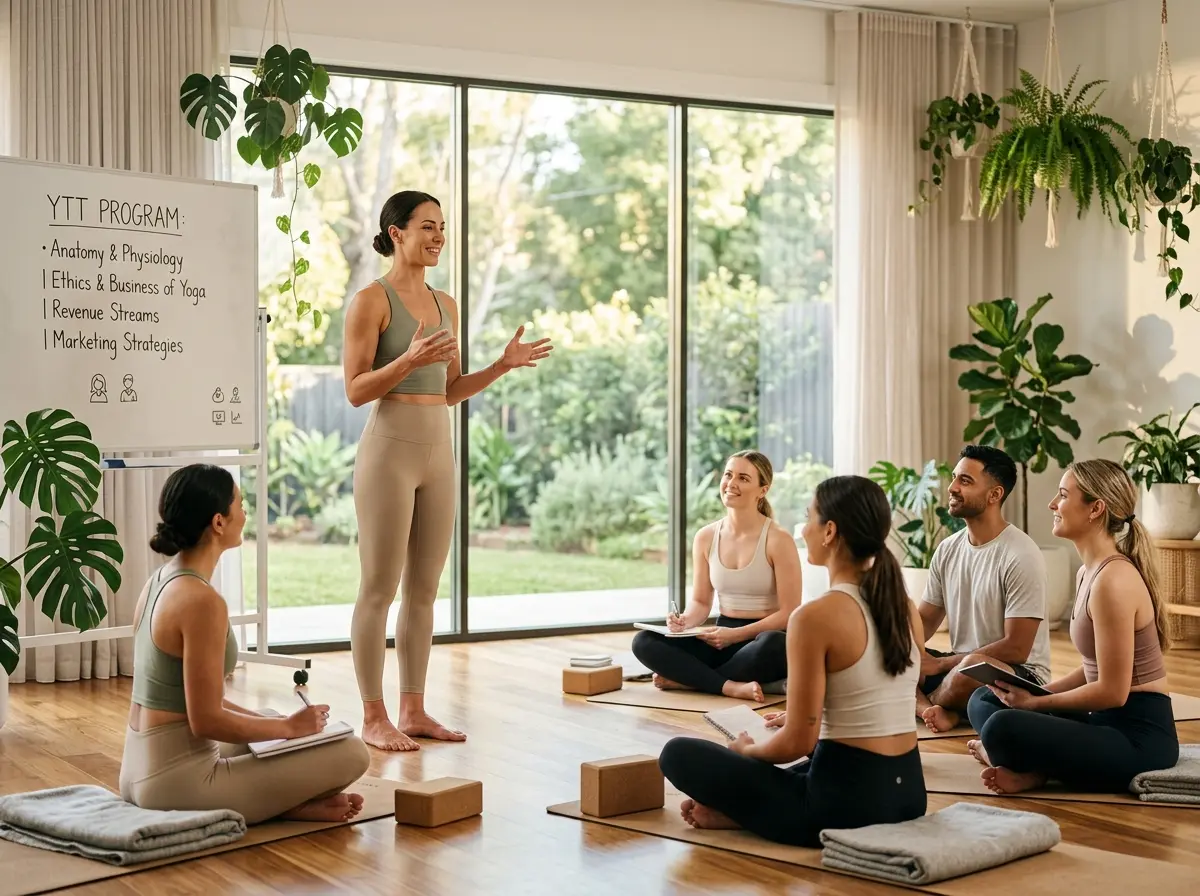
The "Learn Something New" Workshop
People love to acquire new skills, especially when it makes them feel sophisticated and accomplished. A workshop is the perfect way to provide tangible value while subtly showcasing your products in their best light. It’s not a sales pitch; it’s an educational experience that features your inventory as the star.
- A kitchenware store? Host a "Mastering Knife Skills" class with a local chef. Attendees get hands-on experience and suddenly realize their dull, mismatched knives at home just won’t cut it anymore.
- A craft or hobby shop? Offer a "Beginner's Knitting Circle" or a "Watercolor Basics" session. Provide a starter kit for a small fee (covering your costs), and watch as new hobbyists get hooked.
- A bookstore? Organize a poetry workshop or a "How to Start Your Novel" seminar with a local author. It positions your store as a hub for creativity and literary culture.
The key is to make it authentic. Partner with local experts, create a fun and low-pressure environment, and focus on the joy of learning. The sales will follow naturally.
The Exclusive "Behind-the-Scenes" Look
Everyone wants to feel like a VIP. Exclusivity is a powerful motivator that has nothing to do with discounts. Create events that pull back the curtain and give your best customers a special look at what makes your store unique. This is about making them feel seen and appreciated.
Consider a "Meet the Maker" evening where you invite a local artisan whose products you carry to come in and talk about their craft. Or, if you run a boutique, host a "Stylist's Edit" night where your top stylist walks a small group through the new season’s collection, offering personalized tips. Serve some cheap-but-cheerful prosecco and a cheese plate, and you’ve created an intimate, high-value experience that fosters a deep connection to your brand and products.
The "Just for Fun" Community Gathering
Sometimes, the best event has nothing to do with sales at all. It’s about establishing your store as a third place—a spot where people gather and connect. By hosting events centered on shared interests, you build a community around your brand.
A pet supply store could partner with a local animal shelter for a weekend adoption event. A toy store could host a monthly board game night for families. A garden shop could organize a "seed swap" for local gardeners in the spring. These events generate incredible goodwill and positive word-of-mouth. You’re not just a store; you’re a cornerstone of the community. And people are intensely loyal to businesses that invest in their community.
Your Tireless, Non-Discounting Event Hype-Machine
Okay, so you’ve planned a brilliant, margin-friendly event. The cheese plates are ordered, the local expert is booked. Now… how do you get people to show up? You can post on social media and send a few emails, but your most powerful promotional tool is the foot traffic you already have.
Getting the Word Out (Without Shouting "SALE!")
You need a way to tell every single person who walks through your door about the amazing thing you have planned. But your staff is busy helping customers, restocking shelves, and, let’s be real, probably trying to find a moment to eat their lunch. They can’t possibly greet and pitch every single shopper.
This is where an automated assistant can be a game-changer. Imagine having a dedicated team member at the entrance whose only job is to generate excitement. Our in-store robot assistant, Stella, can be programmed to be your event’s biggest cheerleader. The moment a customer walks in, she can greet them with, "Welcome! Just so you know, we're hosting a sold-out terrarium-building workshop next Saturday, but we've just added a new session due to popular demand. Would you like to learn more?" Instantly, she creates awareness, conveys popularity (social proof!), and sparks curiosity. Stella can answer questions about the event, direct customers to the sign-up sheet, and ensure that your hard work doesn’t go unnoticed—all while your human team focuses on providing great service.
Nailing the Logistics (So You Don't Lose Your Mind)
A great idea is nothing without solid execution. The difference between a memorable event and a chaotic mess often comes down to the nitty-gritty details. Don’t let poor planning undermine your brilliant, non-discounted event strategy.
Planning Your Event Calendar: The Rule of "Relevant and Regular"
One-off events are fine, but creating a consistent calendar builds anticipation and habit. Your customers will start looking forward to what’s next. Aim for a rhythm. Maybe it's one big "cornerstone" event each quarter (like a seasonal styling workshop) and a smaller, more casual gathering each month (like a book club meeting).
Tie your events to the seasons, local holidays, or community happenings to make them feel timely and relevant. A "Get Your Garden Ready" Q&A in March makes perfect sense. A "Holiday Gift Wrapping" tutorial in December is a lifesaver. Consistency turns your store into a reliable source of engagement, not just goods.
Measuring Success Beyond the Till
When you're not running a sale, the success metrics change. A massive spike in revenue on the day of the event isn't the primary goal. You're playing the long game, so you need to track the metrics that matter for building relationships.
- New Connections: How many new email addresses or loyalty program sign-ups did you get?
- Social Buzz: How many people posted about the event, used your event hashtag, or tagged your store? User-generated content is marketing gold.
- Foot Traffic: Did more people come into the store than on a comparable day?
- Future Value: Use your POS to track if event attendees return to shop in the following weeks and months. This is the true measure of loyalty.
Ask for feedback! A simple post-event survey can provide invaluable insights and make your guests feel heard.
The Post-Event Follow-Up: Don't Ghost Your Guests
The event doesn’t end when the last person walks out the door. The follow-up is your chance to solidify the connection you just made. Send a thank-you email to all attendees within 48 hours. Include a few great photos from the event (people love seeing themselves) and perhaps a friendly reminder of the products they learned about. Most importantly, tease your next event to keep the momentum going. This simple step reinforces the sense of community and ensures you stay top-of-mind.
A Quick Reminder About Stella
While you’re busy architecting these incredible brand-building experiences, Stella can handle the frontline. She ensures every shopper is greeted, informed about your events and promotions, and has their basic questions answered, freeing up your human team to create those magical customer moments that build lasting loyalty.
Conclusion: From Transactional to Transformational
Breaking free from the discount cycle is a bold move, but it’s the only sustainable path to building a resilient, beloved brand. Your store is more than four walls and a collection of inventory; it’s a potential hub for community, learning, and connection.
Your challenge is this: in the next three months, plan one in-store event that has absolutely nothing to do with a percentage-off sale. It could be a small workshop, a meet-and-greet, or a simple community coffee hour. Focus on providing value, fostering connection, and creating a memorable experience. You’ll not only protect your margins, but you’ll also be investing in your most valuable asset: a loyal customer base that shows up for you, not just for the sale.