Your Phone Is Sabotaging Your Restaurant — And You Don't Even Know It
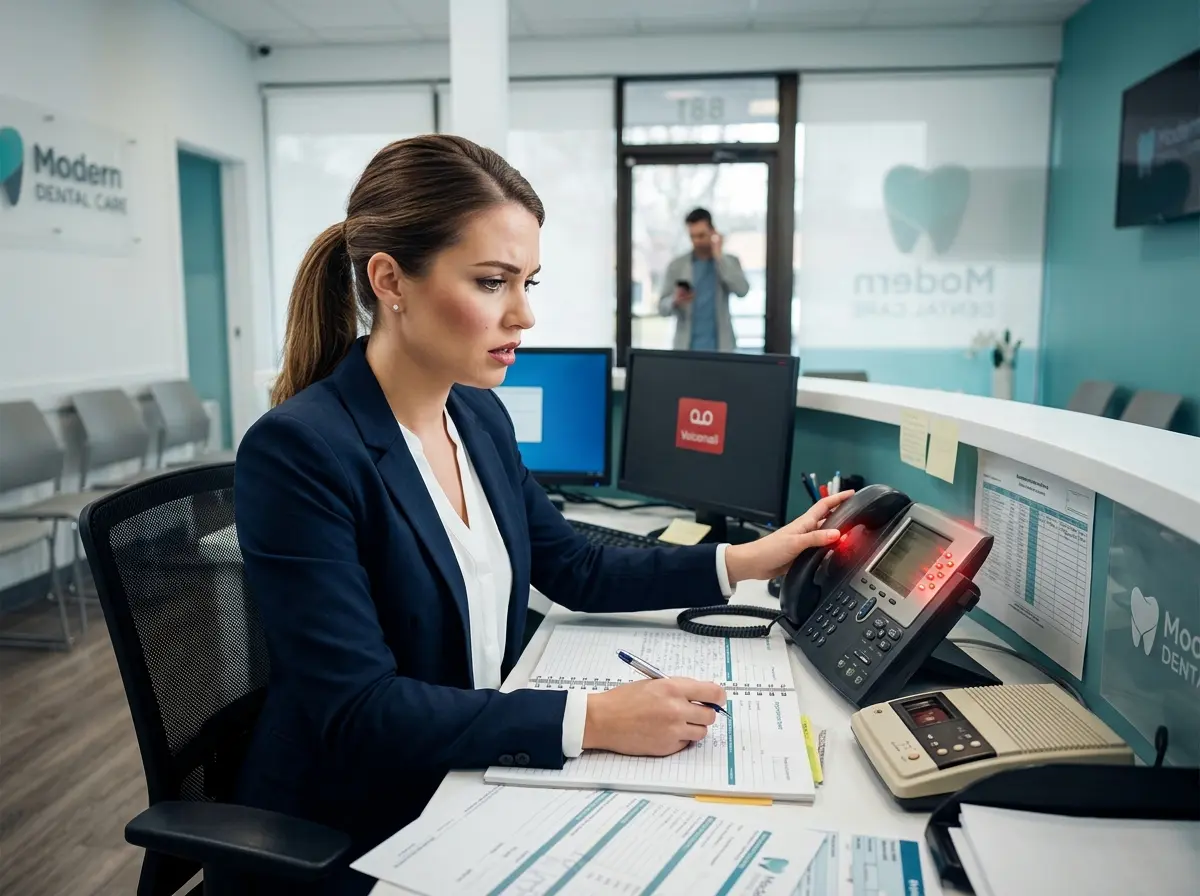
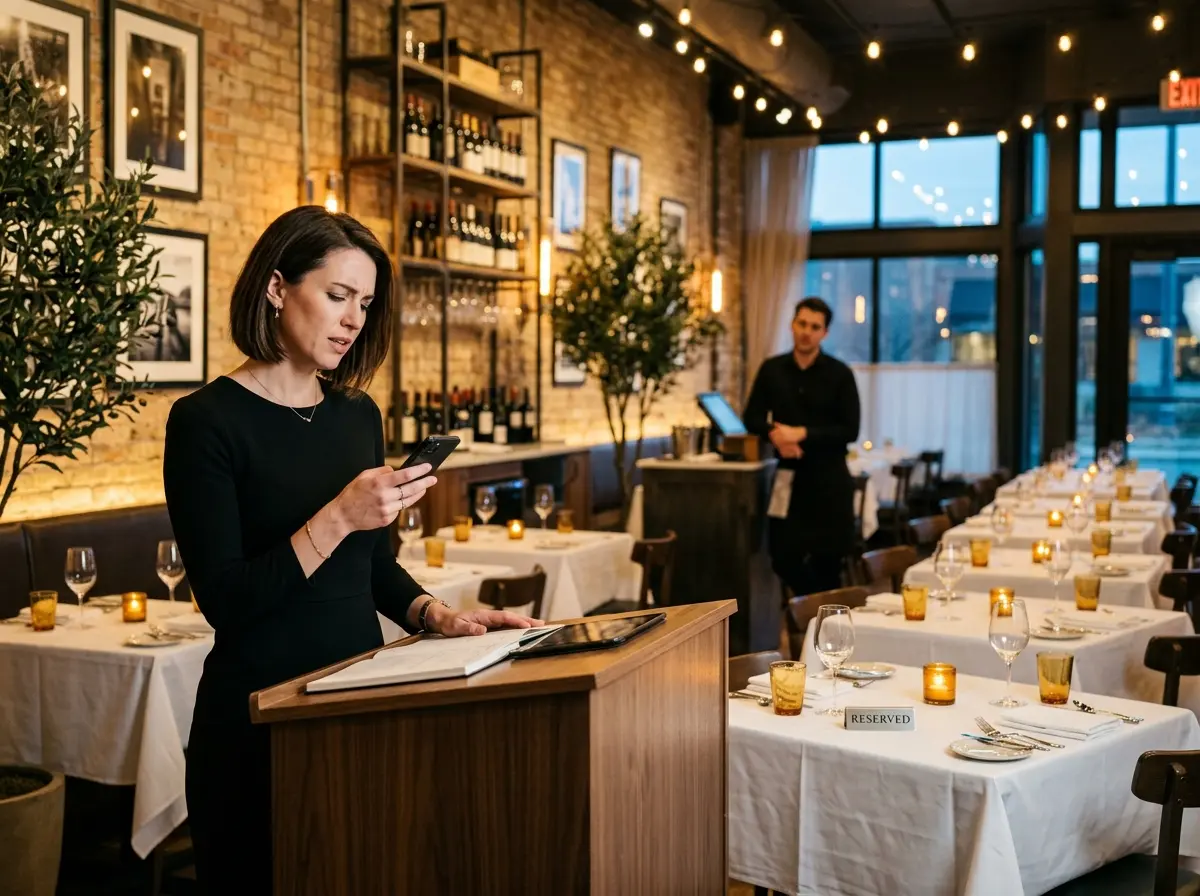
Picture this: It's 6:47 PM on a Friday. A couple decides they want to try your restaurant tonight. They Google you, find your number, and call. The phone rings. And rings. And rings. Then they call the place down the street, get someone on the second ring, and book a table for two. Meanwhile, your phone is still ringing into the void while your host is juggling three tables and a spilled drink situation near the bar.
This is happening at your restaurant. Probably tonight. Maybe right now as you read this.
Missed calls aren't just a minor inconvenience — they're a direct hit to your revenue. Studies suggest that missed calls cost businesses millions in lost revenue each year, and restaurants are particularly vulnerable because reservation decisions are often spontaneous and time-sensitive. If you're not there to answer, your competitor is.
Let's break down exactly why your phone system is working against you — and what you can do about it.
The Reservation Killers Hiding in Plain Sight
1. Nobody Answered (And Nobody Will Call Back)
Restaurant guests are not patient people when they're hungry. If they call and don't get an answer, the vast majority will not leave a voicemail and wait patiently for your callback. They'll move on instantly. Research consistently shows that 80% of callers who reach voicemail don't leave a message — and an even higher percentage of those who do never get called back in a timely manner anyway. Every unanswered call during a dinner rush is a table that walked right out your door without ever walking in.
2. Your Staff Is Doing Two Things Badly Instead of One Thing Well
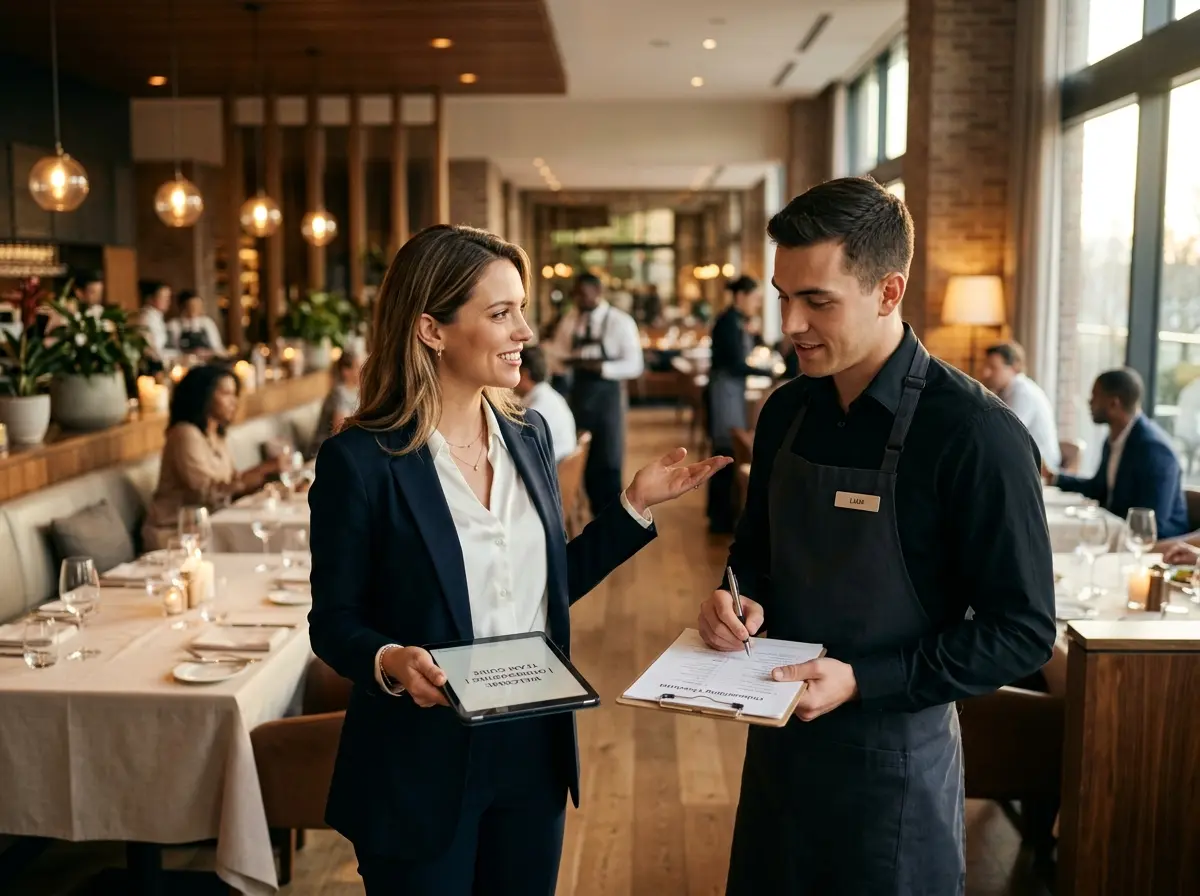
Here's an uncomfortable truth: when your host or server answers the phone mid-service, both the call and the in-person guests suffer. The caller hears background noise, gets rushed answers, and feels like a burden. The guests at the host stand watch someone's back as they face the wall squinting at a reservation book. No one wins. Splitting attention is not a staffing strategy — it's a liability dressed up as multitasking.
3. Inconsistent Information Destroys Trust
Ask three different staff members what your hours are on Sunday, whether you accommodate large parties, or if you have a gluten-free menu — and you might get three different answers. This isn't a knock on your team; it's a systemic problem. When phones are answered by whoever happens to grab them, the quality and accuracy of information varies wildly. One confused or incorrect response is all it takes for a potential guest to quietly lose confidence in your restaurant before they've taken a single bite.
The After-Hours Problem Nobody Wants to Talk About
4. You're Closed, But Reservations Don't Sleep
One of the most avoidable revenue leaks in the restaurant business is the after-hours call. Someone is sitting on their couch at 10:30 PM planning tomorrow's birthday dinner. They call your restaurant. You're closed. They either leave a voicemail that won't be heard until tomorrow afternoon — by which point they've already made other plans — or they don't bother at all. A significant portion of reservation decisions happen outside of business hours, and if you have no system to capture those calls, you're essentially turning away business with the lights off.
How Stella Can Help Solve Your Phone Problem
Stella is an AI robot employee and phone receptionist that answers your calls 24/7 — including during the dinner rush, after hours, and on holidays when your team has better things to do than sit by the phone. She knows your menu, your hours, your specials, your policies, and anything else you want her to know. She never puts a caller on hold to go check something, and she never gives a wrong answer because she "wasn't sure." Stella can also collect guest information through conversational intake forms right during the call — names, party sizes, dietary preferences — and store everything in her built-in CRM so your team has complete context before a guest even walks through the door. For restaurants with a physical location, she also stands at the host area as an in-store kiosk, greeting walk-ins and answering questions so your human staff can focus on delivering great hospitality.
The Operational Gaps That Keep Costing You
5. Voicemails Are a Black Hole
Even when guests do leave voicemails, the follow-through is often dismal. Messages pile up, get checked hours later, or get listened to once and mentally filed under "I'll deal with that later." By the time "later" arrives, the opportunity has expired. The problem isn't just missing calls — it's the absence of any reliable system for acting on them quickly. Voicemail, without context or urgency, is where reservations go to die.
6. You Have No Idea How Many Reservations You're Actually Losing
This one stings a little. Most restaurant owners are aware that they miss calls sometimes, but very few have any real data on how often it happens or what it costs them. If you don't measure it, you can't manage it. Do you know how many calls came in last Friday between 6 and 8 PM? How many went unanswered? How many of those callers never tried again? Without that visibility, you're making staffing and operational decisions completely in the dark, which means you're probably underestimating the problem significantly.
7. Your Phone Experience Doesn't Match Your In-Restaurant Experience
You've spent real money on your ambiance, your menu, your plating, your service training. Your restaurant has a brand. And then someone calls to make a reservation and gets a harried host who answers with "Yeah, hold on" before setting the phone face-down on a counter for two minutes. That disconnect is jarring, and first impressions absolutely include the pre-visit phone call. If the experience of calling your restaurant doesn't reflect the quality of the experience inside it, you're sending a confusing message to potential guests before they've even decided to come in.
A Quick Reminder About Stella
Stella is an AI robot employee and phone receptionist built for businesses like yours. She answers calls around the clock, engages walk-in customers at her in-store kiosk, and brings the same consistent, professional presence every single shift — no sick days, no bad nights, no "I didn't know we had that special." At just $99 per month with no upfront hardware costs, she's the kind of team member that actually shows up.
What You Should Do This Week
If you've made it this far, you already know something needs to change. Here's a practical starting point:
First, audit your missed calls. Pull your phone records for the past two to four weeks and count how many incoming calls went unanswered during peak hours and after closing. If your current phone system doesn't give you that data, that's already problem number one.
Second, mystery call your own restaurant. Call during a busy Friday evening service. Note how long it takes to answer, how you're greeted, how accurate the information is, and how the overall experience feels. You might be surprised — or you might not be, and that's worse.
Third, decide whether your current approach is actually scalable. Is adding another part-time host to manage phones realistic? Is it cost-effective? Or does it make more sense to deploy a system that handles calls intelligently, captures guest data automatically, and never has an off night?
Your restaurant works hard to earn every guest. Make sure your phone is working just as hard — because right now, there's a good chance it isn't.