Corporate Wellness Is Booming — And Your Bike Shop Should Be Invited to the Party
Picture this: a local HR manager is desperately trying to roll out a corporate wellness program that doesn't involve yet another lunchtime yoga webinar nobody attends. Meanwhile, you're sitting on a goldmine of bikes, helmets, tune-up services, and cycling expertise — and the two of you have never even met. That's a missed opportunity of epic proportions.
Corporate wellness programs have exploded in recent years. According to the Global Wellness Institute, the corporate wellness industry is worth over $60 billion globally, with employers increasingly investing in physical health incentives to reduce healthcare costs and boost employee morale. Cycling, in particular, has become a darling of the wellness world — low-impact, eco-friendly, stress-busting, and genuinely enjoyable. Your bike shop is perfectly positioned to tap into this market. You just need a strategy.
Let's walk through exactly how your bike shop can build profitable, lasting relationships with local businesses and become the go-to cycling partner for corporate wellness programs in your area.
Building Your Corporate Wellness Offering From the Ground Up
Before you start cold-calling HR departments, you need to have something compelling to offer. Corporate clients aren't just looking for a discount on bikes — they want a program. Something structured, professional, and easy for them to present to their leadership team without getting laughed out of the boardroom.
Create Tiered Corporate Packages
Think beyond the single transaction and build packages that cater to different company sizes and budgets. A small startup with 20 employees has very different needs than a regional company with 300 people. Consider offering three tiers: a basic package that includes group discounts on bike purchases and accessories, a mid-tier package that adds annual tune-up services and a group safety workshop, and a premium package that bundles everything together with branded employee events and priority scheduling.
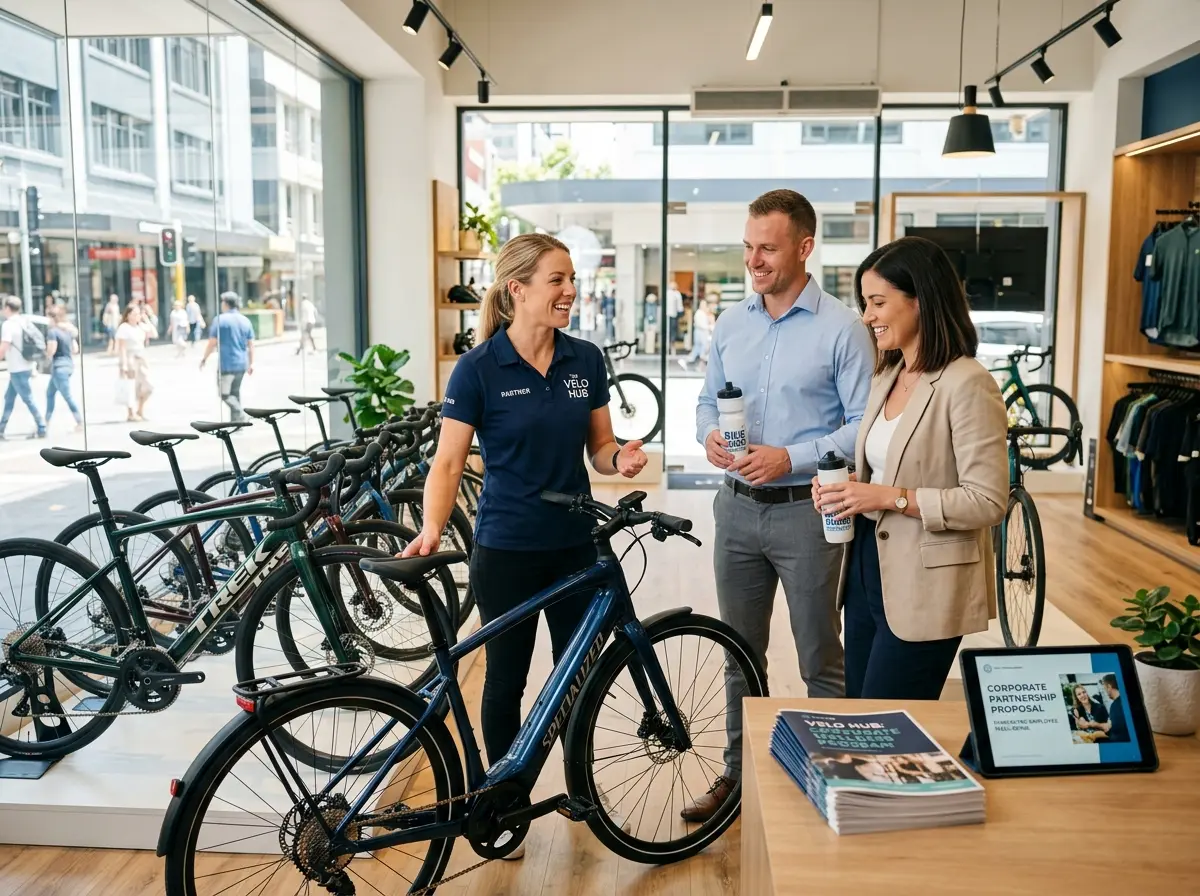
Corporate buyers love options with clear pricing. It saves them from having to negotiate, makes approval easier internally, and positions you as a serious business partner rather than just a shop around the corner. Build a simple one-page PDF that outlines each tier — and yes, make it look nice. First impressions matter even in B2B sales.
Offer Commuter Cycling Programs
Many companies have sustainability goals and are actively looking for ways to encourage employees to ditch their cars. A commuter cycling program is a natural fit. You can offer commuter bike fittings, commuter-specific accessories (panniers, lights, locks, fenders — the unglamorous but essential stuff), and even "commuter starter kits" at a bundled price. Partner with local companies to offer payroll deduction options or to become an approved vendor for their employee perk platforms. Some businesses will even subsidize bike purchases as part of their benefits package — which means your shop gets paid and the employee feels like they won the lottery.
Host Corporate Cycling Events and Challenges
Nothing bonds coworkers quite like suffering together on a hill climb. Organize group rides, beginner cycling clinics, or friendly inter-company challenges like "most miles logged in May." These events create recurring touchpoints with corporate clients and their employees — each of whom is a potential future customer. You become part of their company culture rather than just a vendor on a spreadsheet. And when those employees need a new helmet, a bike repair, or their first road bike, guess where they're going?
How Stella Can Help Your Shop Handle Corporate Interest Professionally
Here's the slightly awkward truth: landing a corporate wellness contract often involves a lot of phone tag, follow-up emails, and fielding questions at inconvenient times. A company's HR coordinator isn't going to call you during peak Saturday hours and patiently wait while you help someone pick out a saddle. If you miss that call, you may very well lose that account before it even started.
Never Miss a Corporate Inquiry Again
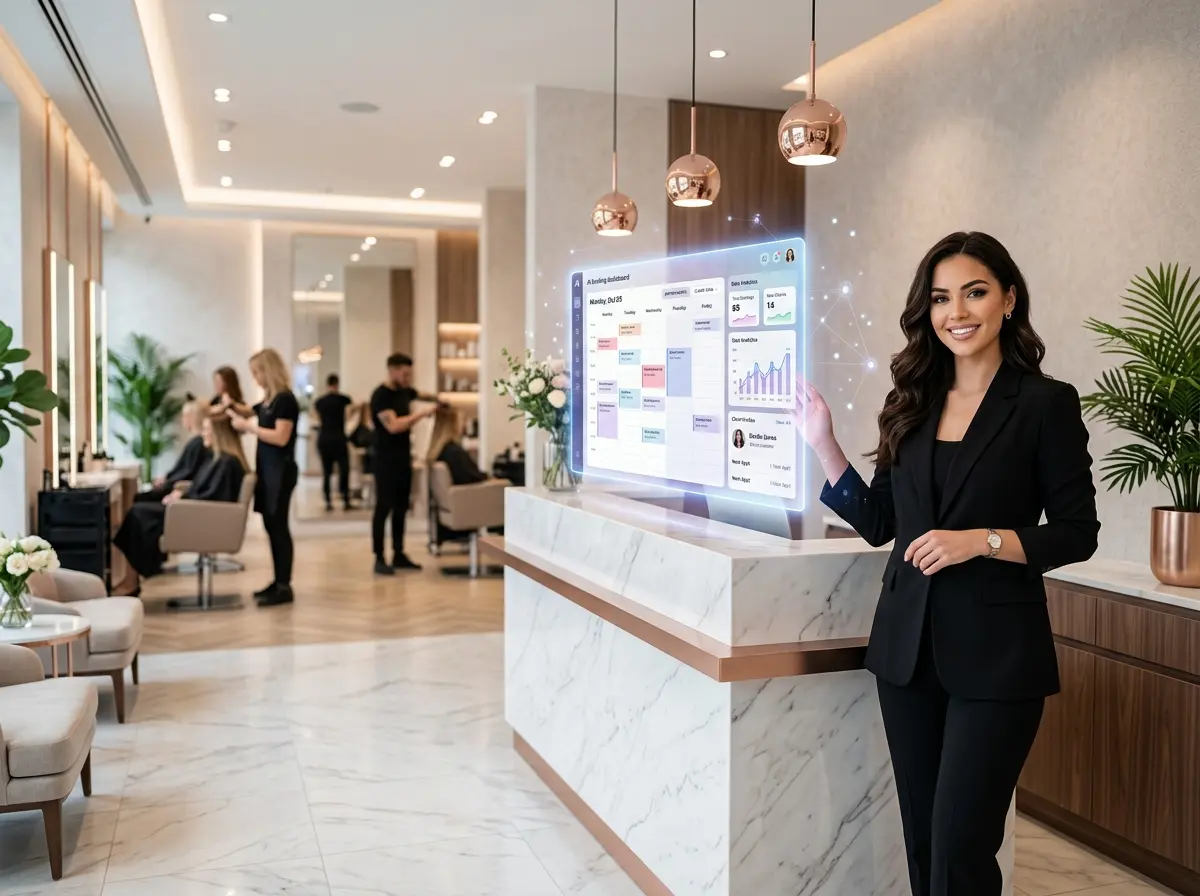
Stella is an AI robot employee and phone receptionist that answers calls for your bike shop 24/7 — with the same knowledge and professionalism whether it's a Tuesday afternoon or a Sunday night. When a corporate contact calls to ask about your wellness packages, group pricing, or event scheduling, Stella handles it confidently and can collect their contact information through conversational intake forms, so your team has everything they need to follow up properly. Her built-in CRM lets you tag and track corporate leads separately from your regular customer base, making it easy to nurture those relationships over time. Meanwhile, her in-store kiosk presence means walk-in customers — including employees from a nearby company scoping out your shop — get greeted, informed, and engaged without pulling your staff away from a mid-tune-up.
Reaching and Pitching Local Companies Effectively
You could have the best corporate wellness program in the city, but if no one knows about it, you're basically a very well-prepared hermit. Getting in front of the right people requires some intentional outreach — and fortunately, it doesn't have to be painful.
Identify Your Ideal Corporate Partners
Start local and start specific. Companies within a five-mile radius of your shop are ideal — employees are more likely to actually commute by bike if it's practical. Target industries that tend to invest heavily in wellness: tech firms, healthcare organizations, financial services companies, and mid-sized professional services businesses. Check LinkedIn, local business journals, and your chamber of commerce for contacts. HR managers, office managers, and Chief People Officers are your key decision-makers. Don't overlook smaller businesses either — a 30-person company can still mean 30 new customer relationships.
Craft a Pitch That Speaks Their Language
When you approach corporate contacts, resist the urge to lead with your passion for cycling. They don't need you to be enthusiastic — they need you to solve a problem. Lead with outcomes: reduced employee sick days, improved morale, progress toward sustainability commitments, and a wellness perk that employees will actually use. Frame your shop as a strategic partner, not just a retail store. Bring your tiered packages, bring testimonials if you have them, and bring a clear call to action. Something like a "Pilot Program for 10 Employees" offer is a low-risk way to get a foot in the door without asking them to commit to a full company-wide rollout right away.
Leverage Existing Customer Relationships
Look at your current customer base — there's a very good chance some of them work at companies that would be perfect corporate partners. Ask your regulars if their employer has a wellness program, and whether they'd be willing to pass along your information to HR. Word-of-mouth referrals carry enormous credibility in corporate purchasing decisions. You could even formalize this with a simple referral incentive: a store credit or free tune-up for any customer who successfully introduces you to a corporate account. People love helping when there's something in it for them. Human nature hasn't changed much.
Quick Reminder About Stella
Stella is an AI robot employee and phone receptionist built for businesses like yours — available as an in-store kiosk that greets and engages customers, and as a 24/7 phone receptionist that handles calls with real business knowledge. She runs on a simple $99/month subscription with no upfront hardware costs, so she won't break the bank while you're busy building your corporate wellness empire.
Turning Corporate Clients Into Long-Term Revenue Streams
Landing a corporate wellness contract is great. Keeping it — and growing it — is where the real money lives. Corporate relationships are sticky when managed well, and a single company partnership can generate thousands of dollars in recurring annual revenue.
Build in Annual Renewal Touchpoints
Don't wait for the contract renewal date to remind your corporate clients that you exist. Schedule quarterly check-ins, send seasonal promotions relevant to their program, and offer to run an annual review of employee participation. Show them data — how many employees engaged, what services they used, what products were most popular. Businesses love metrics, and providing them positions you as a thoughtful, professional partner who earns the renewal rather than just expecting it.
Expand Your Offerings Over Time
Once you're established with a corporate client, look for natural ways to grow the relationship. Can you add a bike storage solution consultation for their office? An on-site repair day where you come to their parking lot once a month? A charity ride sponsorship tied to their community outreach budget? The deeper you embed yourself into their wellness culture, the harder you become to replace. That's not manipulation — that's just being genuinely valuable.
Collect Testimonials and Case Studies
Every successful corporate partnership is also a marketing asset. Ask your corporate clients for a short testimonial — even two or three sentences — about the impact your program has had. Document participation numbers, employee feedback, and any measurable outcomes. Over time, these become powerful tools when pitching new companies. A skeptical HR director is far more likely to say yes when you can point to a comparable local business that's been running your program for two years with great results.
Get Pedaling — Your Corporate Wellness Strategy Starts Now
The corporate wellness market isn't going anywhere, and the appetite for meaningful, active employee perks is only growing. Your bike shop has the products, the expertise, and the community credibility to be an incredible partner for local businesses — you just need to step out from behind the counter and make it happen.
Start by building one solid corporate package. Identify five local companies to approach. Craft a simple, outcome-focused pitch. And make sure your shop is operationally ready to handle the inquiries that come in — whether that's a walk-in HR coordinator checking out your store or a phone call on a Wednesday evening after your staff has gone home.
Corporate wellness is a long game, but for bike shop owners willing to play it, the rewards are significant: recurring revenue, community visibility, and a steady stream of new customers who all happen to work together. Now that's a wheel worth turning.