Introduction: The Eternal Struggle Between Food Costs and Your Sanity
Let's be honest — running a restaurant is basically a masterclass in controlled chaos. You're managing staff, satisfying customers, keeping the health inspector happy, and somewhere in the middle of all that, you're supposed to also be profitable. No big deal, right?
Food costs are one of the biggest villains in the restaurant industry. The general rule of thumb is to keep food costs between 28% and 35% of revenue, but for many independent restaurant owners, that number creeps uncomfortably higher — and often without a clear explanation why. Ingredients get wasted. Portions get eyeballed rather than measured. Vendors quietly raise prices, and nobody notices until the end-of-month report arrives like a bad sequel nobody asked for.
Here's the good news: reducing food costs doesn't mean serving smaller plates and hoping your customers don't notice. It means being smarter, more deliberate, and more systematic about how you purchase, prep, and serve food. The tips in this guide are practical, proven, and won't require you to sacrifice the quality that keeps your regulars coming back. Let's dig in.
Master Your Menu and Purchasing Strategy
Before you can fix a problem, you have to understand it. Most food cost issues don't start in the kitchen — they start long before that, with a menu that's too complicated and a purchasing strategy that's more reactive than intentional.
Conduct a Menu Engineering Analysis
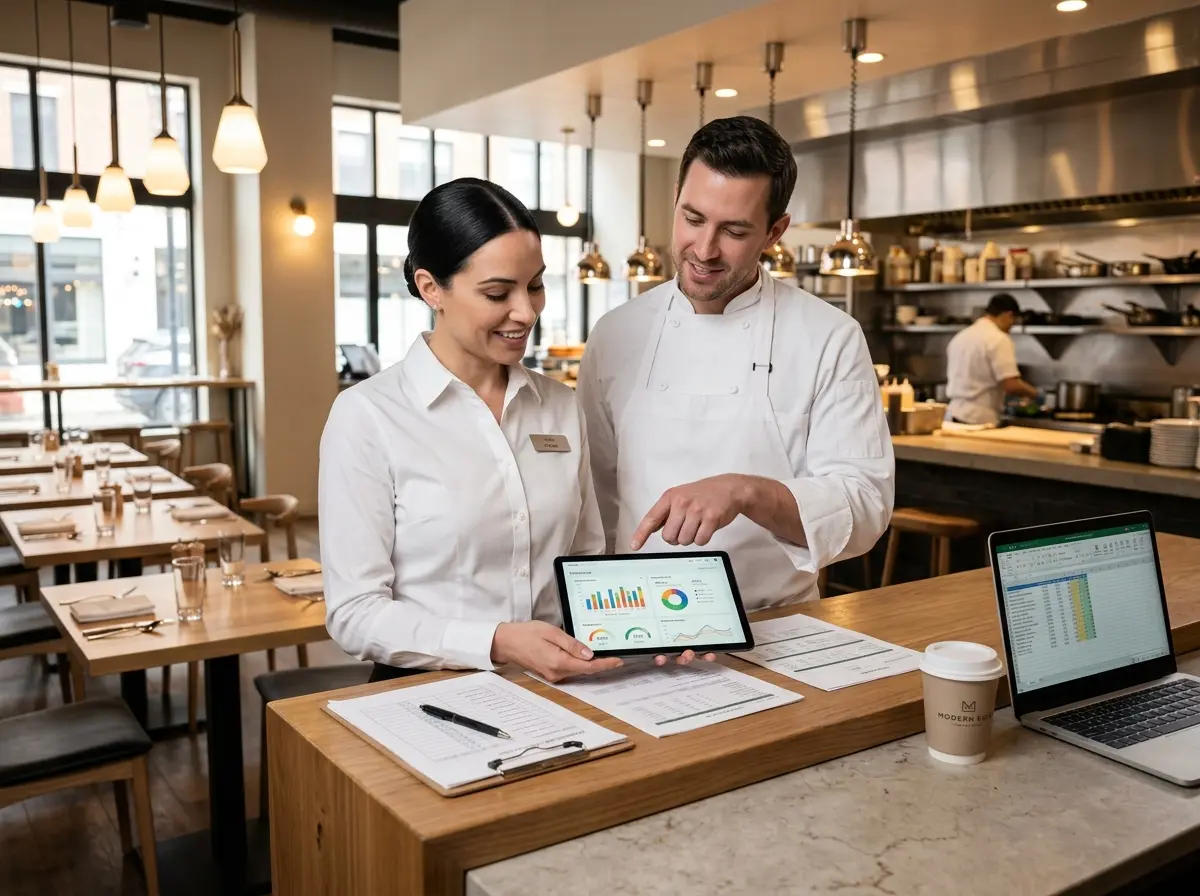
Menu engineering is a fancy term for something very practical: figuring out which dishes make you money and which ones are quietly draining your margins. Every item on your menu falls into one of four categories — stars (high profit, high popularity), plowhorses (popular but low profit), puzzles (high profit but low popularity), and dogs (low on both counts). If you've never done this analysis, you might be surprised to find that your most-ordered dish is also your worst performer financially.
Start by pulling your sales data and calculating the actual food cost percentage for each menu item. Once you know where your money is going, you can make smarter decisions — like repositioning high-margin items more prominently on the menu, tweaking recipes on plowhorses to improve their margins, or quietly retiring the dogs that nobody orders anyway.
Simplify Your Menu
A bloated menu is a food cost nightmare in disguise. The more ingredients you stock, the more opportunities there are for waste, spoilage, and over-ordering. Streamlining your menu to focus on dishes that share core ingredients is one of the simplest and most effective ways to reduce costs without touching quality. Think of it as smart ingredient overlap — when your roasted chicken, your pasta dish, and your soup all use the same stock, you're maximizing every purchase and minimizing what ends up in the trash.
Negotiate with Vendors and Diversify Your Suppliers
Many restaurant owners accept vendor pricing as if it were written in stone. It isn't. Vendors expect negotiation, and loyalty doesn't always pay the bills — leverage does. Get quotes from multiple suppliers, ask about volume discounts, and don't be afraid to have a frank conversation about pricing. Even shaving a few percentage points off your produce costs can translate to thousands of dollars saved over the course of a year. Additionally, consider sourcing certain items locally when seasonally available — local produce is often fresher, cheaper in-season, and gives you a marketing angle that customers genuinely appreciate.
How Technology Can Free Up Time to Focus on What Matters
Reducing food costs requires consistent attention — and attention is exactly what's in short supply when you're also managing front-of-house chaos, fielding phone calls, and answering the same customer questions for the hundredth time. That's where Stella, the AI robot employee and phone receptionist, quietly earns her keep.
Let Stella Handle the Front So You Can Handle the Numbers
Stella can greet customers as they walk in, answer questions about your menu, specials, and hours, and even promote your highest-margin items through upselling — all without pulling a single staff member away from their post. On the phone side, she handles incoming calls 24/7, collects customer information, and delivers AI-generated summaries of voicemails directly to your managers. The time your team saves not answering repetitive questions is time that can be spent on inventory checks, waste tracking, and the operational details that actually move the needle on your food costs.
Control Waste, Portions, and Inventory Like a Pro
You can have the perfect menu and the best vendor deals in the city, but if your kitchen is hemorrhaging product through waste and inconsistent portioning, you'll never fully get your food costs under control. This is where the real day-to-day discipline lives — and where small habits create big financial results.
Implement Strict Portion Control
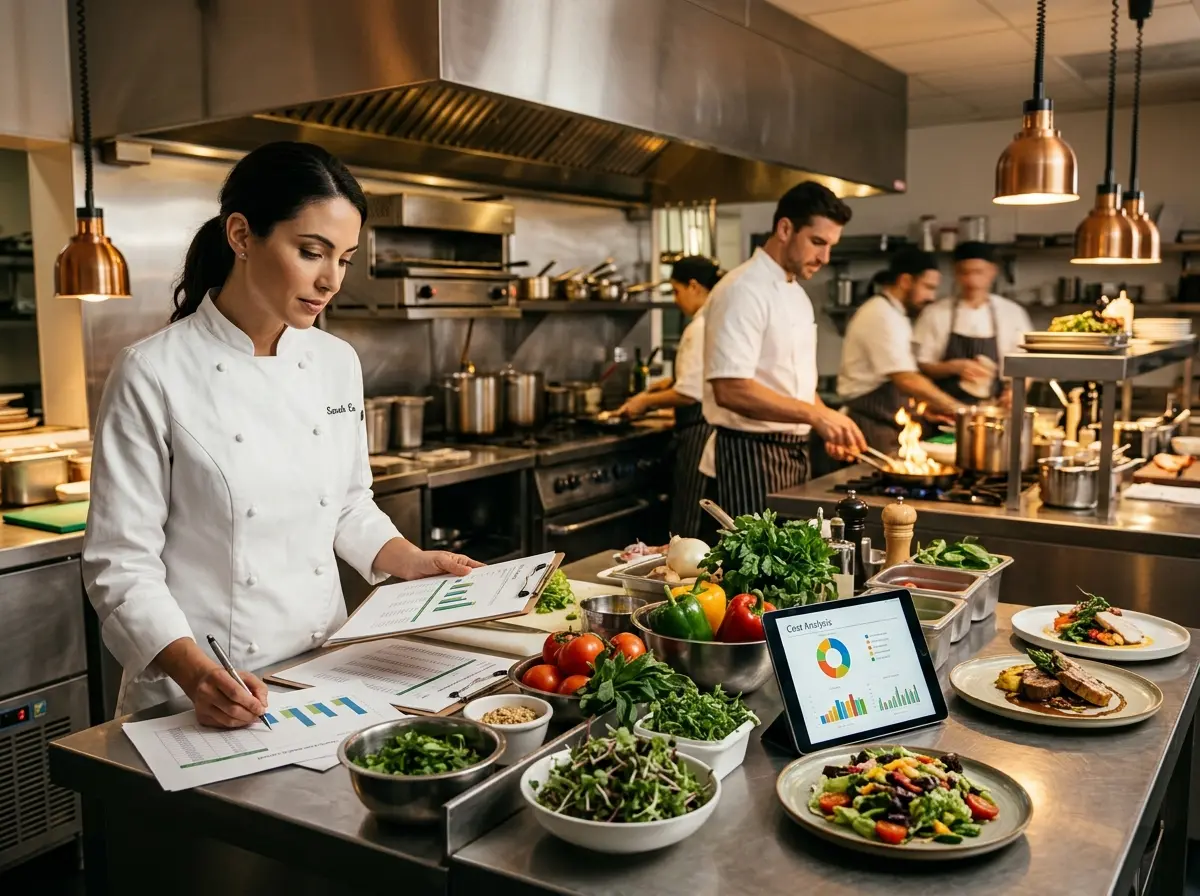
Portion control is one of those things that sounds obvious but is shockingly easy to let slide. When a cook is in the weeds during a Friday dinner rush, they're not carefully weighing every portion — they're going by feel. And "feel" tends to run generous. Standardized recipes with exact measurements, portioned prep containers, and even kitchen scales aren't signs of mistrust toward your staff; they're signs of a well-run operation. Restaurants that implement strict portioning standards consistently report food cost reductions of 2% to 5% — which may not sound dramatic, but on $1 million in annual revenue, that's $20,000 to $50,000 back in your pocket.
Take Inventory Seriously (Yes, Really)
Weekly — or even daily — inventory counts are not glamorous. They are, however, essential. You can't track waste if you don't know what you started with. Pair your inventory counts with a proper FIFO (First In, First Out) system to ensure older ingredients are used before newer ones, reducing spoilage significantly. There are affordable inventory management tools designed specifically for restaurants, and many of them integrate with your POS system to give you real-time visibility into usage versus waste. If you're currently doing inventory on a spreadsheet from 2017, it might be time for an upgrade.
Turn Trim and Scraps Into Revenue
The best restaurant kitchens treat food scraps as raw materials, not garbage. Vegetable trim goes into stock. Yesterday's bread becomes croutons or breadcrumbs. Slightly overripe fruit finds its way into a cocktail mixer or a dessert special. This mindset — often called "root-to-stem" or "nose-to-tail" cooking depending on your concept — doesn't just reduce waste. It creates additional revenue streams and gives your kitchen staff a creative challenge that most of them actually enjoy. A daily or weekly "use-it-up" special is a great way to monetize what would otherwise be a loss, and customers love specials because they feel exclusive and spontaneous. Win-win.
Quick Reminder About Stella
Stella is an AI robot employee and phone receptionist built to help business owners — including restaurant operators — run smoother operations without adding headcount. She greets in-store customers, promotes your specials, answers questions, and handles phone calls around the clock for just $99/month. No hiring, no training, no sick days — just reliable, professional coverage that gives you more time to focus on the parts of your business that need your attention most.
Conclusion: Small Changes, Real Results
Reducing food costs without sacrificing quality isn't about cutting corners — it's about cutting waste, cutting inefficiency, and cutting the habits that quietly chip away at your margins every single day. The restaurant industry is tough enough without leaving money on the table (or, more accurately, in the trash).
Here's a simple action plan to get started this week:
- Pull your sales data and categorize your menu items by profitability and popularity. Identify your dogs and your plowhorses immediately.
- Call two or three vendors and ask for their current pricing. Compare it against what you're paying now. You may be surprised.
- Audit one week of inventory with a focus on what's being thrown away and why. Track it. The data will tell you where to act.
- Standardize your top five recipes with exact portioning guidelines and train your kitchen team on consistent execution.
- Explore one technology tool — whether it's inventory management software, a POS upgrade, or an AI receptionist like Stella — that can reduce the operational burden on your team and free up mental bandwidth for the bigger picture.
None of these steps require a massive budget or a complete operational overhaul. They require consistency, attention, and a willingness to look honestly at where your money is actually going. Do that, and your food costs will thank you — and so will your accountant.