So You Want to Be the Local Expert? YouTube Can Make That Happen.
Here's a fun fact: 70% of viewers say YouTube makes them more aware of new brands, and people are twice as likely to buy something after watching a product video. Meanwhile, your competitors are still relying on a Facebook page they update twice a year and a business card that's been sitting in someone's junk drawer since 2019.
The good news? Building a YouTube channel that positions you as the go-to expert in your local market is entirely achievable — and it doesn't require a Hollywood budget or a film degree. It requires consistency, strategy, and a willingness to talk into a camera without looking like you're confessing to a crime.
Whether you're a dentist, a gym owner, a mechanic, or a boutique retailer, YouTube gives you a platform to demonstrate your expertise, build genuine trust with potential customers, and show up in search results when people in your area are looking for exactly what you offer. Let's break down how to do it right.
Building the Foundation of Your Channel
Define Your Niche and Local Angle
The biggest mistake business owners make when starting a YouTube channel is trying to appeal to everyone. "Tips for homeowners" is a channel. "The best home improvement advice for [Your City] homeowners dealing with our brutal winters" is a brand. The more specific you are, the more your ideal local customer feels like you're speaking directly to them — because you are.
Start by asking yourself: What are the top ten questions my customers ask me every single week? Those questions are your first ten videos. A local auto shop owner could make videos like "Why Your Car Battery Dies Faster in [City Name] Winters" or "What Every [City] Driver Should Know Before Monsoon Season." These aren't just content pieces — they're trust builders wrapped in search engine gold.
Set Up Your Channel for Local Discovery
Before you film a single second of footage, spend time optimizing your channel for local search. Use your city, region, or neighborhood in your channel name, description, and video tags where it makes sense. Fill out your "About" section completely, include your business website, and make sure your channel art looks like it belongs to a real, professional business — not something designed in 2008.
Google owns YouTube, which means YouTube videos show up in Google search results. A well-optimized video with your city name in the title and description gives you a legitimate shot at appearing when someone searches "best [service] in [your city]." That's free advertising you simply cannot buy your way into with a traditional ad spend.
Invest Wisely in Equipment (But Don't Overthink It)
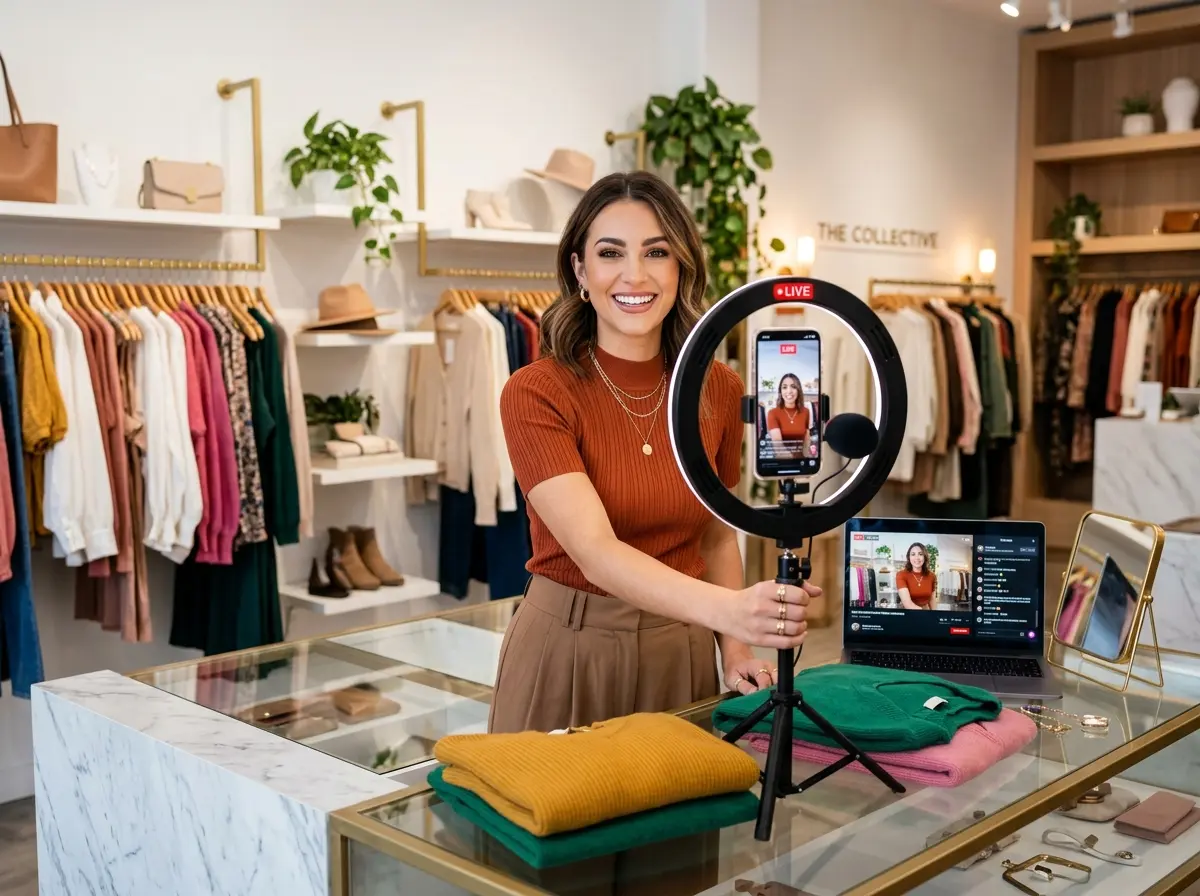
You do not need a $5,000 camera setup. You need decent lighting, a smartphone with a modern camera, and a $30 microphone from Amazon. Viewers will forgive average video quality far more readily than they'll forgive bad audio. If people can't hear you clearly, they're gone within ten seconds — and YouTube's algorithm will notice.
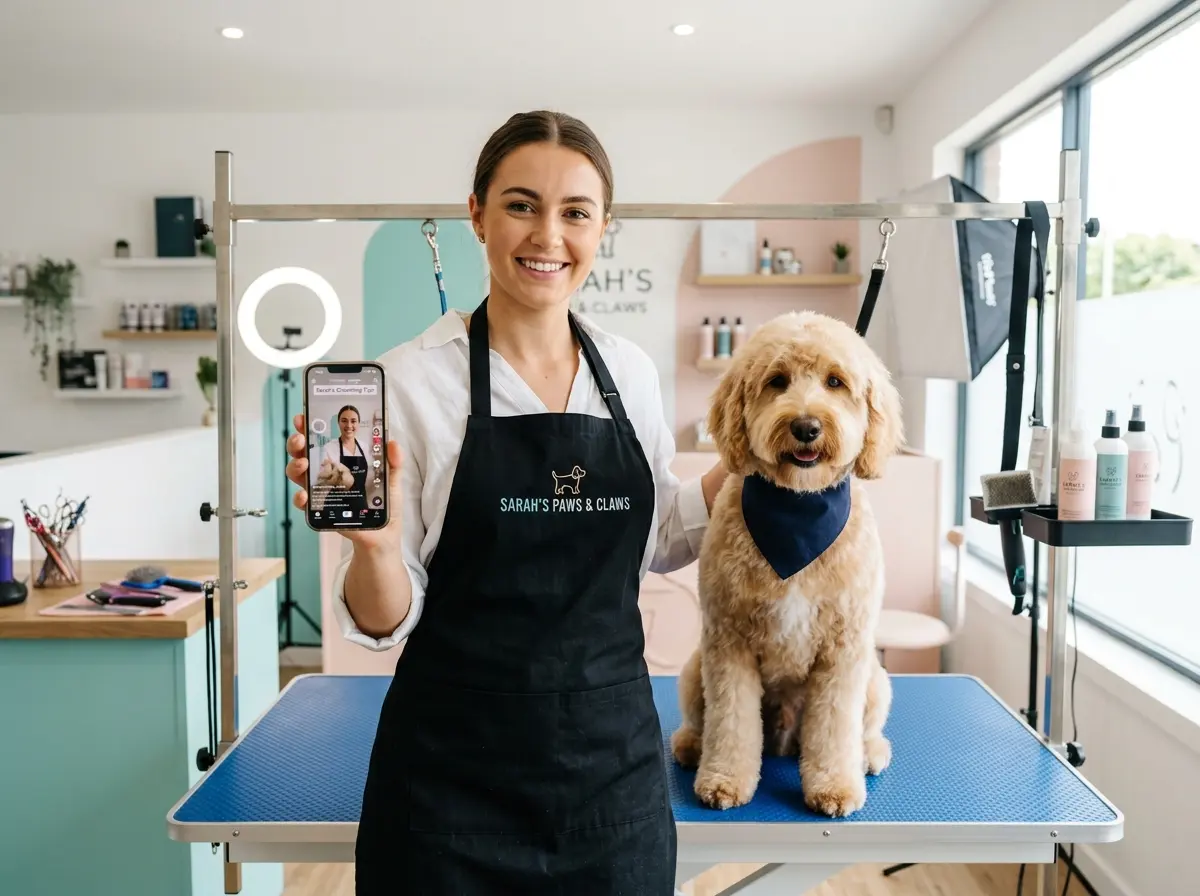
Film in a clean, branded space when possible. Your shop floor, your treatment room, your kitchen — these environments add authenticity and reinforce who you are and where you are. A little background context goes a long way in making you feel like a real, local person rather than a faceless online guru.
Freeing Up Time to Actually Make Videos
Let Automation Handle the Routine So You Can Focus on Creating
Here's the cruel irony of building a YouTube channel as a business owner: it takes time, and time is the one thing you don't have. Between answering phones, greeting walk-in customers, handling staff questions, and managing day-to-day operations, creative work keeps getting pushed to "someday." Someday is not a day of the week.
This is where smart automation earns its keep. Stella, the AI robot employee and phone receptionist, can greet customers at your physical location, answer product and service questions, promote your current specials, and handle phone calls 24/7 — all without pulling you away from your desk, your camera, or your content calendar. When Stella is handling the front lines, you actually have space to batch-record a week's worth of videos on a Tuesday afternoon. That's not a luxury; that's a business strategy.
Stella can even collect customer information through conversational intake during calls or at the kiosk, feeding data into a built-in CRM — which, incidentally, could give you insight into what your customers are actually asking about. Instant video topic inspiration, served fresh daily.
Creating Content That Builds Real Authority
Teach, Don't Just Sell
The fastest way to kill a YouTube channel is to make every video a commercial. Nobody wakes up excited to watch a six-minute advertisement for your HVAC company. But people absolutely will watch "5 Signs Your AC Unit Is About to Die (And What to Do About It)" — especially in July, especially if they live near you.
The rule of thumb is simple: lead with value, and let your expertise do the selling. When viewers watch you explain something clearly and helpfully, they form an opinion about you. That opinion is usually something like, "This person knows what they're talking about. I'd probably trust them with my business." That's exactly where you want them.
Mix educational content with behind-the-scenes videos, customer FAQs, local event tie-ins, and the occasional "myth busting" video about your industry. Variety keeps your audience engaged and gives you the chance to demonstrate different dimensions of your expertise.
Publish Consistently — Even When It's Imperfect
A good video published today beats a perfect video published never. Consistency is the single most important factor in YouTube channel growth, and most business owners abandon their channels within the first three months because they don't see immediate results. YouTube rewards channels that publish regularly over time. The algorithm essentially says, "Oh, this person shows up every week? Let's show them to more people."
Set a realistic schedule you can actually maintain — even one video per week is excellent — and treat it like any other business commitment. Block the time, batch your filming when possible, and resist the urge to spend four hours perfecting your thumbnail when you should be hitting publish.
Engage With Your Community and Optimize Over Time
YouTube is a social platform, which means responding to comments matters more than most people realize. When someone asks a question under your video, answer it. When someone says they tried your tip and it worked, acknowledge them. This engagement signals to the algorithm that your content is generating meaningful interaction, and it builds a loyal community around your brand that no paid ad can replicate.
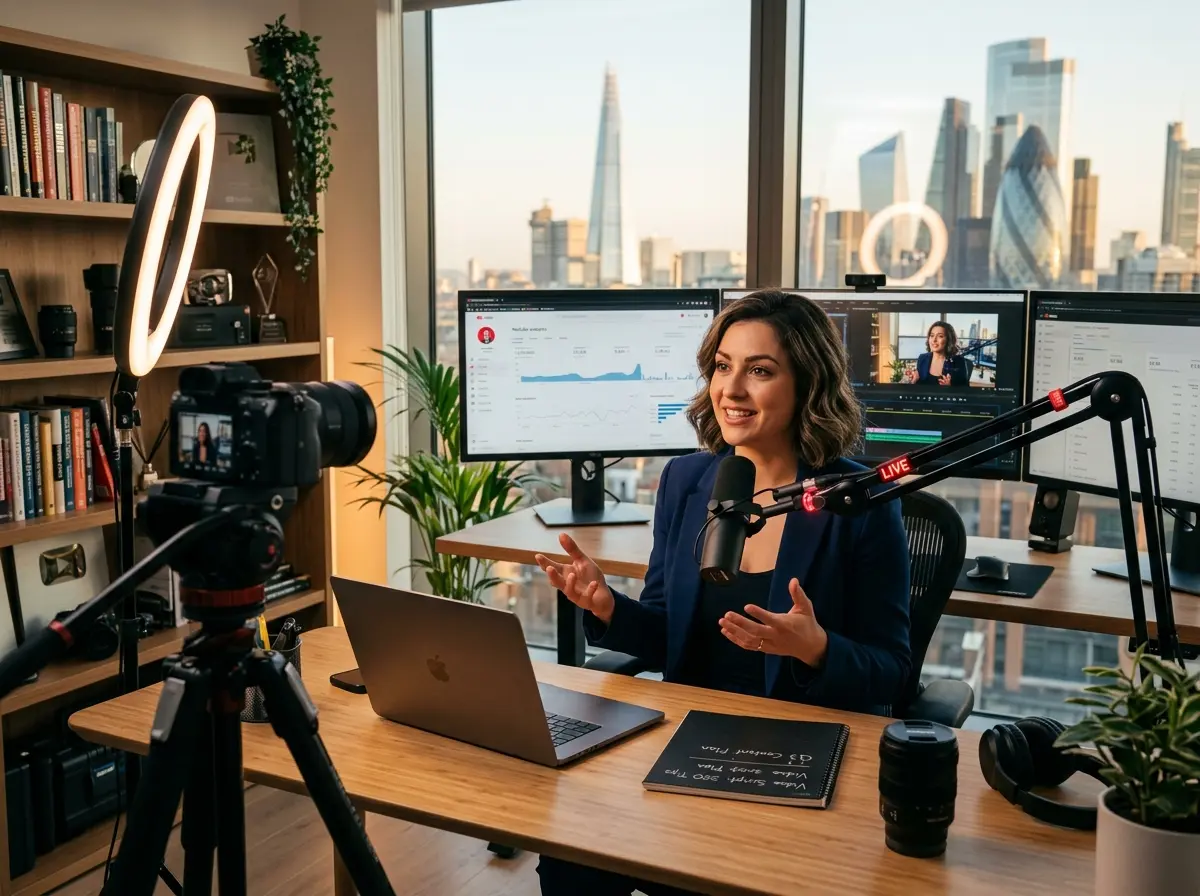
Additionally, check your YouTube Analytics monthly. Look at which videos are getting the most watch time, where people are dropping off, and which titles are generating the most clicks. These aren't vanity metrics — they're a direct roadmap telling you what your audience wants more of. Double down on what works, and quietly let the underperformers fade into the background.
Quick Reminder About Stella
While you're busy building your YouTube empire, Stella is holding down the fort — greeting customers in your store, answering your phones around the clock, and making sure no lead slips through the cracks while you're filming your next video. At $99/month with no upfront hardware costs, she's the kind of reliable, always-on team member most business owners wish they'd hired years ago.
Your Next Steps Start Today
Building a YouTube channel that establishes you as the local expert isn't a moonshot. It's a series of small, consistent actions taken over time. You know your industry better than anyone in your market — the only missing piece is getting that knowledge on camera and in front of the people who need it most.
Here's your action plan to get started:
- Write down ten questions your customers ask you every week. These are your first ten video topics.
- Set up and fully optimize your YouTube channel with local keywords, professional branding, and your business information.
- Film your first video this week — not next month, not when conditions are perfect. This week.
- Commit to a publishing schedule you can realistically maintain for six months without burning out.
- Review your analytics monthly and adjust your content strategy based on what's actually resonating.
- Automate your customer-facing operations so you have the time and mental bandwidth to show up as a creator consistently.
The business owner who teaches is the one people trust. The one people trust is the one people call. And if you want to make sure someone — or something — is always there to answer that call, well, that's what Stella is for.