Introduction: The Form That's Failing You
You built a beautiful gym. You invested in the equipment, hired great trainers, perfected the playlist, and even sprung for those little towels at the front desk. And then — to bring in new members — you created a free trial sign-up form. Fantastic. Gold star for effort.
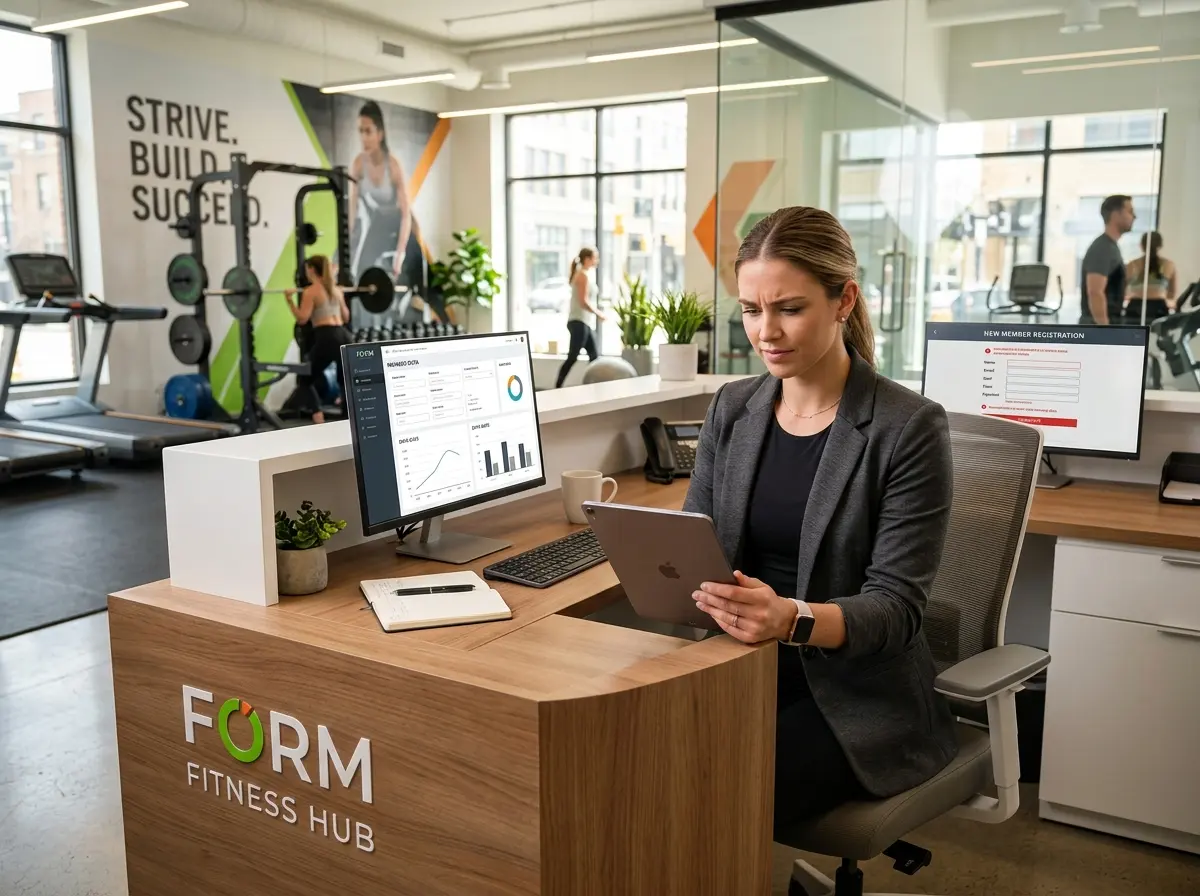
But here's an uncomfortable question: what is that form actually collecting? If your answer involves "name, email, and phone number," congratulations — you've built a contact list, not a conversion machine. You're essentially asking someone to hand you their business card and then hoping that's enough to turn them into a paying member.
The truth is, most gym free trial forms are collecting the bare minimum and leaving an enormous amount of value on the table. Not because gym owners are lazy — but because no one ever told them that the right intake questions are the difference between a prospect who ghosts you after their trial and one who signs a 12-month membership before they've even left the building. This post is going to change that. Let's talk about what you should be asking, why it matters, and how to use that information to actually grow your gym.
What Your Current Form Is Getting Wrong
You're Collecting Contact Info, Not Context
Name, email, and phone number tell you how to reach someone. They tell you absolutely nothing about why that person walked through your door. Are they a competitive athlete looking for a serious training facility? A new parent trying to reclaim 45 minutes of sanity three times a week? Someone whose doctor just told them some news they didn't want to hear? Each of these people needs a completely different pitch, a different tour, and a different follow-up — and your current form treats them all the same.
According to a study by Salesforce, 66% of customers expect companies to understand their needs and expectations. In a gym context, that means understanding fitness goals, experience levels, and what's driven someone to finally try a new facility. Without that context, your sales conversations start from zero every single time.
You're Missing the Motivation Question
The single most powerful question you can add to a free trial form costs you nothing and takes up two lines of space: "What's your primary fitness goal right now?" Simple. Direct. Devastatingly useful.
When someone tells you they want to lose 20 pounds before their daughter's wedding in four months, you now have a timeline, an emotional driver, and a natural urgency hook. When your staff greets them for their trial, they can open with that goal — not a generic "welcome to the gym, here's the water fountain" tour. That personalization is what converts trials into memberships. People join gyms they feel understand them.
You're Not Asking About Barriers
Most people who sign up for a free trial have tried and quit before. That's not pessimism — that's just gym industry reality. The question is whether you surface that history before the trial or after. Adding a simple question like "Have you had a gym membership before? If so, what got in the way of sticking with it?" gives you a roadmap for objection handling before the objection ever comes up.
If someone tells you upfront that their last gym felt intimidating, you know to specifically address your community culture on their tour. If they say scheduling was the problem, you highlight your 24/7 access or flexible class options. You're not guessing anymore — you're solving a problem they've already told you about.
Smarter Intake Starts with the Right Tools
How Stella Can Streamline Your Lead Collection
Here's where technology earns its keep. Stella — the AI robot employee and phone receptionist — is built for exactly this kind of conversational intake. Whether a prospect walks into your gym and is greeted at the kiosk, or calls in to ask about your free trial over the phone, Stella can guide them through a smart, customizable intake form that feels like a conversation rather than a bureaucratic checkbox exercise.
Instead of handing someone a clipboard or directing them to a generic web form, Stella asks your custom intake questions naturally — fitness goals, experience level, scheduling preferences, past membership history — and logs everything directly into her built-in CRM with AI-generated profiles and custom fields. Your staff walks into every trial interaction already knowing who they're talking to. That's not just efficient; it's a genuine competitive advantage, and it costs a flat $99/month with no hardware fees.
What to Actually Ask on Your Free Trial Form
The Essential Questions Worth Adding Today
You don't need a 20-question application — you need the right six to eight questions. Here's a practical starting framework:
- What is your primary fitness goal? (Weight loss, muscle gain, stress relief, athletic performance, general health, etc.)
- How would you describe your current activity level? (Beginner, intermediate, active, highly trained)
- Have you had a gym membership in the past? What got in the way of staying consistent?
- What days and times are you most likely to work out?
- Are you interested in group classes, personal training, or self-directed workouts?
- How did you hear about us? (Critical for marketing attribution — don't skip this one)
- Is there anything specific you're hoping to see or try during your free trial?
Each of these questions serves a dual purpose: it gives your team actionable intelligence, and it signals to the prospect that you're paying attention. That signal alone is worth more than most gyms realize.
How to Use This Data After the Trial
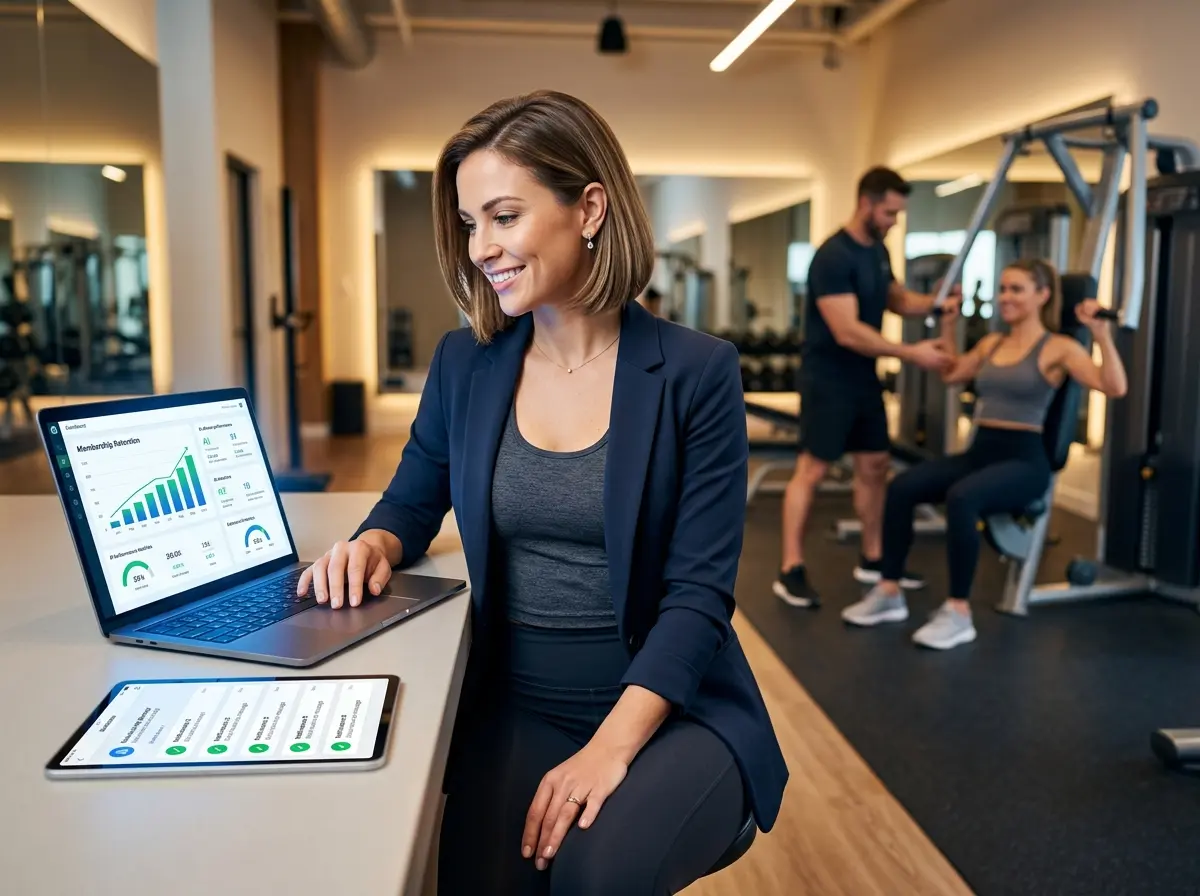
Collecting better information is only half the equation. The other half is actually using it — and that's where many gyms still drop the ball. Every piece of intake data should feed directly into your follow-up strategy. If someone listed "weight loss in 90 days" as their goal and their trial was two weeks ago, your follow-up message should reference that specific goal and create urgency around it. Generic "hope you enjoyed your trial!" emails get deleted. Personalized, goal-specific outreach gets responses.
Tag your leads in your CRM by goal type, experience level, and interest in personal training. This lets you segment your follow-up campaigns intelligently — sending different messaging to beginners versus experienced athletes, or promoting personal training packages specifically to prospects who indicated interest during intake. Your conversion rate on follow-up communications will improve measurably, and you'll spend less time chasing cold leads who never had a genuine fit with your gym in the first place.
Don't Neglect the Post-Trial Feedback Form Either
A brief post-trial check-in — sent within 24 hours of someone's visit — is one of the most underutilized conversion tools in the fitness industry. Ask three simple questions: What did they enjoy most? Was there anything that didn't meet their expectations? And: what would make joining an easy decision for them? That last question is essentially an invitation for your prospect to tell you exactly how to close them. Take notes accordingly.
Quick Reminder About Stella
Stella is an AI robot employee and phone receptionist that greets customers in person at your location and answers calls 24/7 with the same business knowledge she uses on the floor. She collects intake information conversationally, manages contacts through a built-in CRM, and makes sure no lead — walk-in or phone inquiry — slips through the cracks. At $99/month with no upfront hardware costs, she's the staff member who never calls in sick and always remembers what the customer told her.
Conclusion: Fix the Form, Fix the Funnel
Your free trial is not just a marketing giveaway — it's the beginning of a sales conversation. And like any good conversation, it should start with the right questions. The difference between a gym that converts 15% of free trials and one that converts 40% often isn't the equipment, the pricing, or even the staff. It's how well the gym understands each prospect before they ever step on a treadmill.
Here's your action plan, starting today:
- Audit your current sign-up form. If it has fewer than six fields, it's underperforming.
- Add goal-based and barrier-based questions to surface what prospects actually need — and what's stopped them before.
- Connect your intake data to your CRM with custom tags and fields so your team can personalize every interaction.
- Create segmented follow-up sequences based on the intake data you collect — not one-size-fits-all emails.
- Add a post-trial feedback touchpoint within 24 hours to capture warm interest before it cools.
Your gym deserves better than a name-and-email contact list. Your prospects deserve better than a generic tour and a brochure. And frankly, your bottom line deserves better than a 15% trial-to-member conversion rate. Fix the form — the rest of the funnel will follow.