So You Want New Members to Actually Stick Around?
Congratulations — someone just signed up for your yoga studio. Maybe they were inspired by a New Year's resolution, a doctor's recommendation, or the simple desire to touch their toes before age 50. Whatever brought them in, they're here. And now comes the part that most studio owners completely underestimate: what happens next.
Here's a sobering reality check. According to the Association of Fitness Studios, fitness businesses lose an average of 30–50% of their members annually. A significant chunk of that churn happens within the first 90 days — before a new member has even formed a habit, found their favorite instructor, or figured out where you keep the extra blocks. The orientation experience (or lack thereof) is often the deciding factor between a member who stays for years and one who quietly disappears after three classes.
A well-designed new member orientation program doesn't just make people feel warm and fuzzy. It sets expectations, builds community, reduces anxiety, and dramatically increases long-term retention. Let's talk about how to build one that actually works — and maybe even makes your studio stand out in a sea of namaste-and-goodbye competitors.
Building the Foundation of Your Orientation Program
Start Before They Walk Through the Door
Your orientation program doesn't begin at the front desk — it begins the moment someone signs up. The pre-arrival experience is your first opportunity to reduce the anxiety that keeps new members from ever coming back for a second class. Yes, that anxiety is real. Walking into a room full of flexible, serene-looking people when you can barely tie your shoes without grunting is intimidating for most beginners.
Send a welcome email series that kicks off immediately after sign-up. Your first email should be warm and personal, confirming their enrollment and introducing what they can expect. A second email, sent a day or two before their first class, should cover practical logistics: where to park, what to bring, how early to arrive, and what a typical class looks like. Consider including a short video walkthrough of your space — something as simple as a smartphone tour goes a long way toward making someone feel like they already know the place before they've stepped inside.
You might also consider including a brief questionnaire asking about their experience level, goals, and any physical limitations. This information not only helps instructors prepare but signals to the new member that you're paying attention to them as an individual, not just processing another transaction.
Design a First-Class Experience That Actually Feels Like One
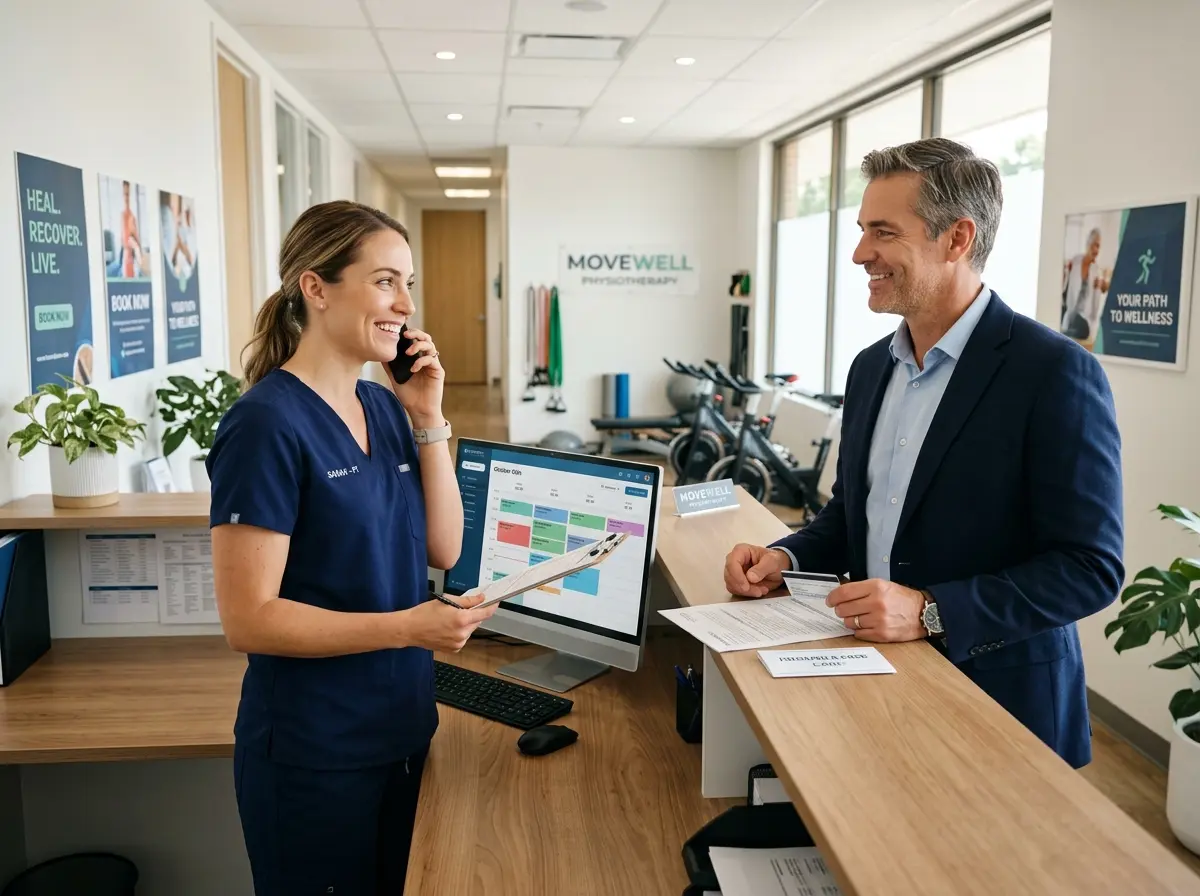
The first physical visit is your highest-stakes moment. Treat it accordingly. Designate a specific staff member or volunteer as a "welcome guide" whose job on any given day is to spot newcomers and personally introduce themselves. A simple "Hey, are you new? Let me show you around" is worth more than any fancy brochure.
Give new members a brief studio tour covering the basics — changing rooms, props storage, water station, class schedule board, and any studio-specific etiquette (shoes off here, phones off there, mats go this way). Pair the tour with a quick conversation about their goals and any upcoming classes or workshops that might suit them. This isn't a sales pitch; it's a genuine conversation that helps them see a path forward in your community.
After their first class, follow up with a personal touchpoint — a handwritten note, a text, or even a quick email from an instructor. Ask how it went. Acknowledge that first classes can feel awkward and that it gets better. This kind of human follow-up costs almost nothing and has an outsized impact on whether someone returns.
Create a Structured Onboarding Timeline
Think of your new member orientation as a 30-day program, not a one-time event. Map out intentional touchpoints across the first month. A sample timeline might look like this: a welcome email sequence before arrival, a personal greeting and tour on day one, a check-in email after their first week, an invitation to a beginner-focused workshop or intro series in week two, and a one-month milestone acknowledgment at the 30-day mark.
Studios that use a structured onboarding timeline see significantly higher class attendance in the critical first 60 days — and members who attend consistently in the first two months are dramatically more likely to maintain long-term memberships. The structure doesn't need to be complicated. It just needs to be intentional.
Using Technology to Streamline the Welcome Experience
Let Smart Tools Handle the Logistics So Your Team Can Be Human
One of the biggest challenges yoga studio owners face is the gap between wanting to deliver a personalized welcome experience and actually having the bandwidth to do it consistently. Your front desk staff are juggling check-ins, phone calls, membership questions, and the general beautiful chaos of a busy studio. It's a lot.
This is where Stella, the AI robot employee and phone receptionist, can genuinely help. Stella can greet new members the moment they walk in, answer their initial questions about class schedules, studio policies, and membership options, and even collect intake information through conversational forms — all without pulling your human staff away from more personal interactions. Her in-studio kiosk presence means no new member stands awkwardly at the door wondering what to do, and her 24/7 phone answering capability means prospective members who call after hours get real, helpful responses rather than voicemail. For a studio focused on community and connection, Stella handles the informational heavy lifting so your team can focus on the human moments that actually build loyalty.
Making Your Orientation Program Build Community, Not Just Competency
Introduce New Members to Each Other — On Purpose
One of the most underutilized retention tools in any fitness or wellness business is peer connection. People don't just stay because the classes are good. They stay because they know people. They stay because someone noticed when they missed a week. They stay because they've made friends on the mat next to them.
Consider hosting a monthly "New Member Mixer" — a low-key, informal gathering (pre or post class works well) where recent joiners can meet each other and chat with instructors in a no-pressure setting. You don't need catering or a formal agenda. Tea, a few snacks, and a brief round of introductions is enough. Studios that host even quarterly community events report significantly higher member satisfaction scores and word-of-mouth referrals.
You can also build connection into your regular programming by creating a beginner-friendly class or a dedicated intro series that new members are specifically invited to attend during their first month. When everyone in the room is equally new, the intimidation factor drops significantly and friendships form more naturally.
Train Your Instructors to Be Part of the Orientation Experience
Your instructors are probably your most powerful retention asset — and many studio owners don't leverage this intentionally. Make it a standard practice for instructors to introduce themselves to new faces before class, check in briefly afterward, and learn names quickly. Something as simple as an instructor remembering a student's name in their third class creates a disproportionately strong sense of belonging.
Provide your instructors with a simple briefing system — perhaps a daily list of new members attending that day's classes — so they're never caught off guard. Encourage them to offer quick, personalized modifications or tips to newcomers without making them feel singled out. The goal is to make every new member feel seen without putting them on the spot in front of the group.
Gather Feedback and Actually Use It
At the 30-day mark, send new members a brief, honest survey about their orientation experience. Keep it short — five to seven questions maximum — and make it clear you actually read the responses. Ask what felt welcoming, what felt confusing, and what would have made their first month better. This feedback is genuinely priceless, and it signals to members that your studio is the kind of place that listens and improves.
Review the feedback quarterly and make real changes based on patterns you see. When you update something based on member input, mention it in your newsletter or social posts. "You asked, we listened" is a surprisingly powerful message that builds trust and community simultaneously.
Quick Reminder About Stella
Stella is an AI robot employee and phone receptionist designed to help businesses like yoga studios deliver a consistently professional, welcoming experience without burning out their human team. She greets walk-ins at the kiosk, answers calls around the clock, collects member information through conversational intake forms, and manages contacts through a built-in CRM — all for $99 a month with no upfront hardware costs. For studios trying to scale a warm, attentive member experience, she's the kind of help that actually shows up reliably every single day.
Your Next Steps Start This Week
Building a great new member orientation program isn't about perfection — it's about intention. You don't need to overhaul everything overnight. Start with the highest-impact changes and build from there.
This week, audit your current new member experience honestly. Walk through it as if you were a nervous beginner who knows nobody and has never done yoga before. What's confusing? What's missing? What would make you feel genuinely welcomed versus merely processed? Use that lens to prioritize your first improvements.
In the next 30 days, aim to implement at least three concrete changes: a pre-arrival email sequence, a structured first-visit welcome protocol, and a 30-day check-in touchpoint. These three alone can measurably improve early retention without requiring significant resources.
Over the next quarter, layer in community-building elements — the mixer, the intro series, the instructor briefing system — and start gathering feedback systematically. Treat your orientation program as a living document that you revisit and refine regularly rather than a checkbox you complete once.
Your members chose your studio over every other option available to them. Honoring that choice with a thoughtful, intentional welcome experience isn't just good business — it's what a community-centered studio should be doing anyway. Now go touch your toes and get to work.