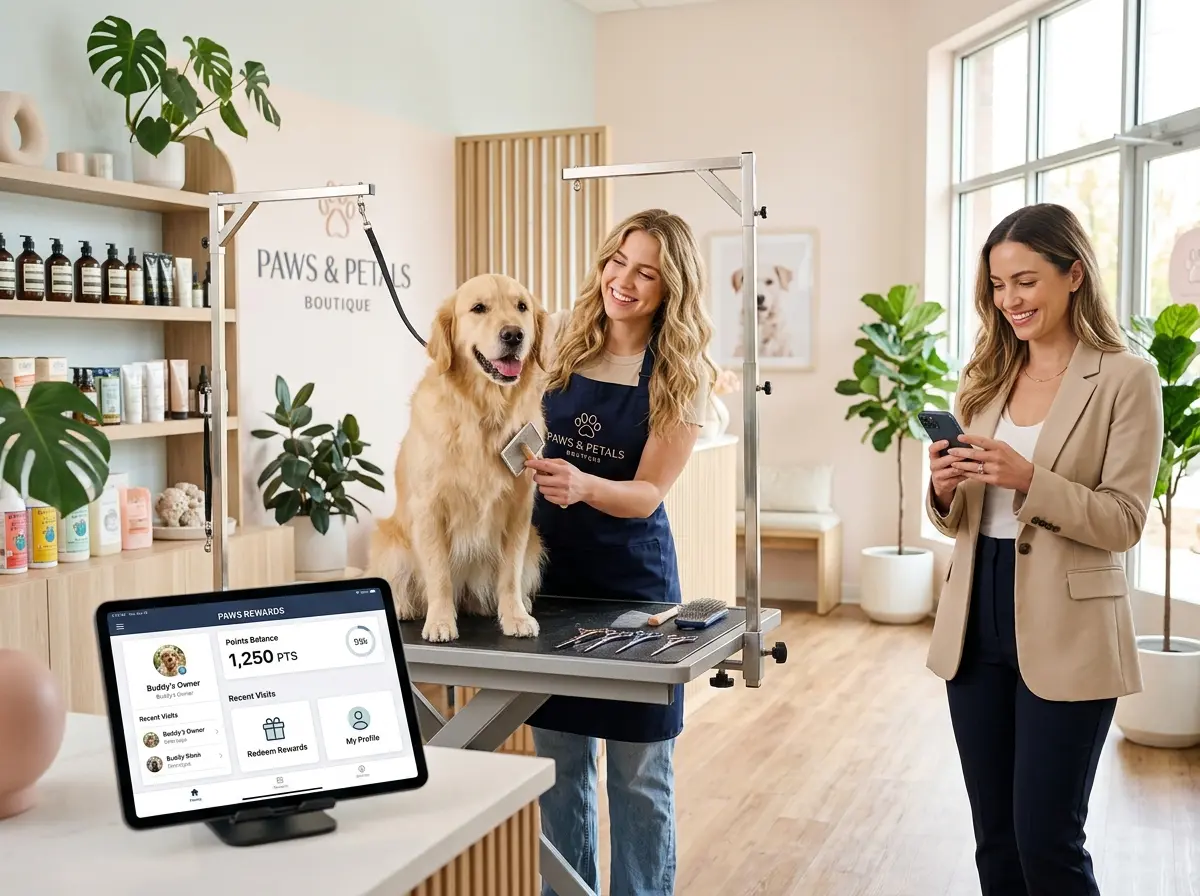
Introduction: Your Punch Card Is Not a Loyalty Program
Let's be honest. That little laminated card sitting in your customers' wallets — the one that promises a free bath after ten visits — is not a loyalty program. It's a coupon with extra steps. And while your clients' dogs may be fiercely loyal (because, well, they're dogs), your human customers need a little more than a hole punch to keep coming back to your grooming table instead of the shiny new salon that just opened down the street.
The good news? Building a real, lasting loyalty program for your dog grooming business doesn't require a Fortune 500 marketing budget or a degree in behavioral psychology. It requires understanding what your clients actually value, creating consistent touchpoints that make them feel seen, and leveraging smart systems that do a lot of the heavy lifting for you. According to research by Bain & Company, increasing customer retention rates by just 5% can increase profits by 25% to 95%. That's not a rounding error — that's your vacation fund.
So let's retire the punch card with dignity and build something your business — and your clients' very good boys and girls — actually deserve.
Building the Foundation of a Real Loyalty Program
Know What Your Customers Actually Want
Before you design any loyalty structure, you need to understand what motivates your specific clientele. Dog owners are a passionate bunch. They don't just want discounts — they want to feel like their pet is in the best possible hands. That emotional connection is your biggest asset, and a smart loyalty program should lean into it hard.
Start by gathering feedback. Send a simple survey to your existing clients asking what they value most: Is it convenience? Consistent groomers? Early appointment access? Birthday perks for their dog? You might be surprised to find that a significant portion of your customers would rather have priority booking than a free nail trim. Knowing this changes everything about how you structure your rewards.
Segment your customers, too. Your once-a-month doodle parent has different needs than the once-a-year "he only needs a bath before the holidays" golden retriever owner. A one-size-fits-all program will underwhelm both of them. Tiered programs — think Bronze, Silver, and Gold levels — allow you to reward your highest-value clients with meaningfully better perks while still giving casual customers a reason to come back more often.
Design a Tiered Rewards Structure That Earns Engagement
A tiered system works because it taps into something deeply human: the desire to level up. Here's a simple framework to start with:
- Bronze (New Clients): Basic point accumulation on every service. Access to a birthday perk for their dog (a free bandana or treat bag goes a long way). Email updates on seasonal promotions.
- Silver (Regular Clients — 5+ visits/year): Bonus points on premium services like teeth brushing or de-shedding treatments. Early access to appointment slots during busy seasons (holiday grooming rush, anyone?).
- Gold (VIP Clients — 10+ visits/year): Dedicated groomer assignments when possible, complimentary add-ons, referral bonuses, and an exclusive quarterly newsletter with pet care tips and sneak peeks at new services.
The key is making each tier feel genuinely rewarding — not like you're dangling a carrot they'll never actually reach. Keep point redemption simple and transparent. If customers have to do calculus to figure out what their points are worth, you've already lost them.
Create Emotional Touchpoints That Build Real Relationships
Points and discounts are transactional. Relationships are what keep customers for life. The groomers who build legendary client loyalty do it by making people feel like their pet genuinely matters. This isn't just good karma — it's good business.
Consider small but memorable gestures: a handwritten note after a dog's first visit, a "happy gotcha day" message on adoption anniversaries (which you can collect at intake), or a quick follow-up text after a senior dog's appointment asking how they're doing. These moments cost almost nothing but generate the kind of word-of-mouth advertising that no paid campaign can replicate. In fact, Nielsen reports that 92% of consumers trust recommendations from friends and family above all other forms of advertising. Your loyalty program should be engineered to create those conversations.
Using Technology to Run Your Program Without Losing Your Mind
Let Smart Tools Handle the Administrative Heavy Lifting
Here's where a lot of grooming business owners get tripped up: they design a great loyalty program and then realize they have no system to actually manage it. Tracking visit counts, sending birthday messages, logging customer preferences, and following up after appointments — all of that adds up fast, and your groomers are not exactly sitting around looking for spreadsheet work between appointments.
This is where Stella, the AI robot employee and phone receptionist, can be a genuine asset to your operation. Stella greets every customer who walks through your door and can proactively promote your loyalty program tiers, current specials, and seasonal add-ons — without you having to remind your staff to do it for the hundredth time. On the phone side, she answers calls 24/7, which means a client calling at 9pm to book a grooming appointment before the holidays isn't met with voicemail silence. She can also collect customer information through conversational intake forms — right on the call, on your website, or at the kiosk — and her built-in CRM stores client profiles with custom fields, tags, and AI-generated summaries. That means pet names, preferences, visit history, and loyalty tier status all in one place, without a dedicated admin to manage it.
Keeping Clients Engaged Between Appointments
Build a Communication Cadence That Feels Helpful, Not Spammy
The time between appointments is where most loyalty programs go silent — and where clients are most vulnerable to being poached by a competitor. A thoughtful communication strategy keeps your business top of mind without making your clients dread seeing your name in their inbox.
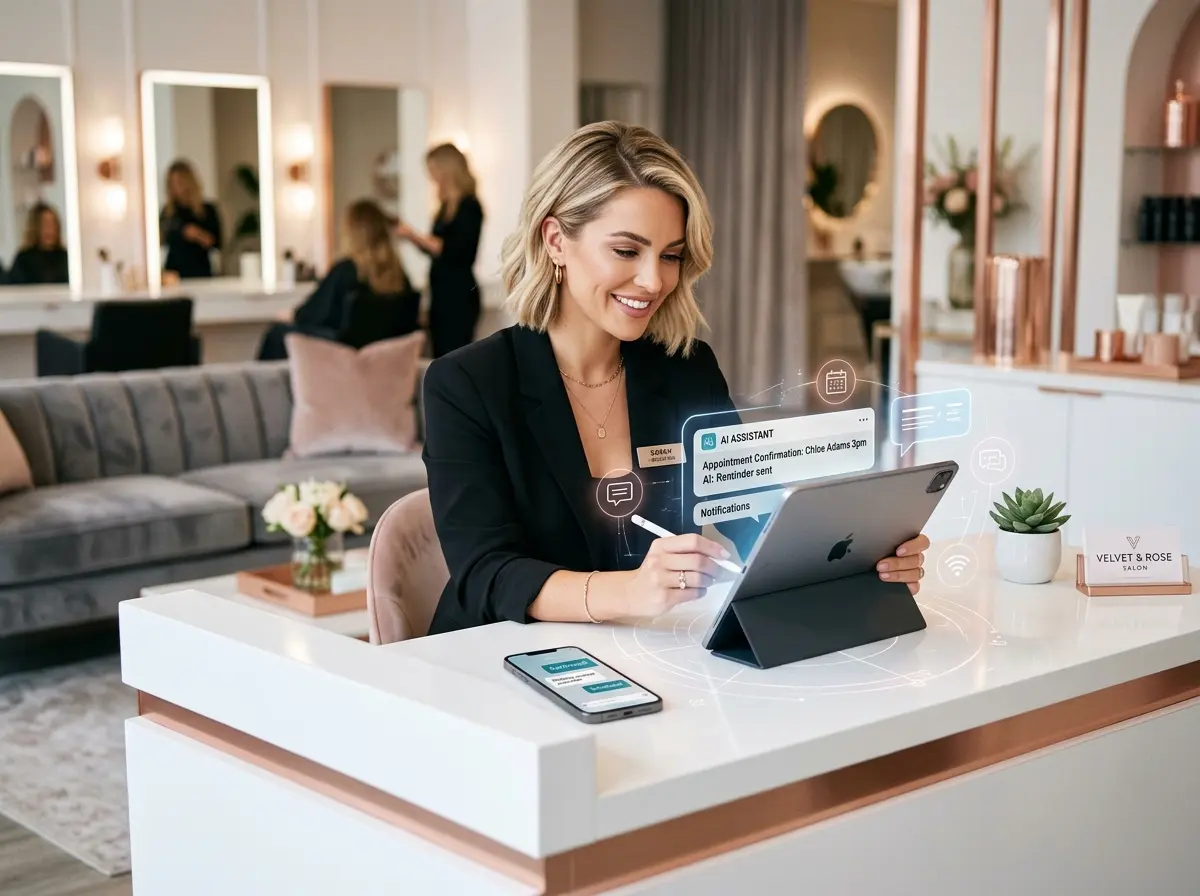
A practical cadence might look like this: a confirmation message when they book, a reminder 48 hours before the appointment, a thank-you message within 24 hours of the visit, and a gentle nudge to rebook around the 6-8 week mark (which is the typical recommended grooming interval for most breeds). Sprinkle in occasional value-add content — seasonal grooming tips, a spotlight on a new service, or a heads-up that holiday slots are filling fast — and you've built a communication rhythm that feels like a service, not a sales pitch.
Leverage Referrals and Social Proof as Loyalty Multipliers
Your happiest clients are your best salespeople, and a well-designed referral component turns your loyalty program into a growth engine. Offer meaningful rewards for referrals — not just a small discount, but something that feels genuinely valuable, like a free premium add-on service or a jump to the next loyalty tier. Make the referral process dead simple: a unique link, a shareable card, or just a name drop at booking.
Pair this with an active presence on platforms where dog owners congregate — Instagram, Facebook neighborhood groups, and Google Reviews. Encourage your Gold-tier clients specifically to share their experience. A client who feels like a VIP is far more likely to post that adorable after-groom photo and tag your business than someone who just redeemed a punch card. User-generated content from real, happy customers is marketing gold — and it costs you a bandana and a thank-you note.
Track What's Working and Adjust Without Apology
A loyalty program is not a "set it and forget it" situation. Track your key metrics: redemption rates, visit frequency changes by tier, referral conversion rates, and revenue per loyal customer versus one-time visitors. If your Silver tier perks aren't motivating upgrades, change them. If your birthday perk gets rave reviews, double down on it.
The businesses that win long-term are the ones that treat their loyalty program like a living part of their operation — something that evolves with their clients' needs and their own business goals. Review your program quarterly, survey your top clients annually, and don't be afraid to retire what isn't working. Your clients will respect the improvement, and their dogs won't even notice the difference.
Quick Reminder About Stella
Stella is an AI robot employee and phone receptionist available for just $99/month with no upfront hardware costs. She works in-store as a friendly kiosk that engages walk-in clients and promotes your services, and she answers phone calls around the clock so no booking opportunity slips through the cracks. For a grooming business running a loyalty program, she's the kind of always-on, always-consistent team member that makes the whole operation run smoother.
Conclusion: Start Simple, Build Smart, Stay Consistent
Building a loyalty program that actually works doesn't require perfection on day one. It requires intention, consistency, and a genuine commitment to making your clients — and their pets — feel valued every single time they interact with your business.
Here's your action plan to get started:
- Survey your top 20 clients this week and ask them what loyalty perks they'd actually use.
- Design a simple three-tier structure with clear, meaningful rewards at each level.
- Set up a basic CRM (or use a tool like Stella that includes one) to start tracking visit history, preferences, and loyalty status for every client.
- Build a communication cadence with at least four touchpoints per client per service cycle.
- Add a referral component with a reward compelling enough that your VIP clients will actually talk about it.
- Review and iterate every quarter based on real data, not gut feelings.
The punch card had a good run. It's time to move on. Your clients are ready for something better — and honestly, so is your bottom line.