Introduction: Because Even Therapists Need a Little Therapy (When It Comes to Admin Work)
Running a mental health practice is one of the most meaningful things a person can do. You help people navigate anxiety, trauma, grief, relationship struggles, and the general chaos of being human. And then you go home and stare at a spreadsheet trying to remember whether Sarah from Tuesday is the same Sarah from last Thursday's cancellation. Truly, the irony is rich.
Here's the reality: mental health practices are drowning in administrative complexity. Between HIPAA compliance, intake paperwork, appointment scheduling, follow-up communications, billing, and maintaining meaningful client relationships, the operational side of a therapy or counseling practice can feel like a full-time job layered on top of your actual full-time job. According to a 2022 survey by the American Psychological Association, nearly 45% of mental health professionals reported administrative burden as a primary contributor to burnout — the very thing they spend their careers helping others avoid.
Enter the CRM — Customer Relationship Management software, adapted for the clinical world. When implemented thoughtfully, a CRM doesn't just help you stay organized; it actively supports the compassionate, client-centered care you're already committed to delivering. This guide will walk you through what that looks like in practice, where the pitfalls are, and how to build a system that works as hard as you do — without losing the human touch that makes your practice worth coming back to.
Understanding CRM in a Clinical Context
It's Not Just for Sales Teams Anymore
The word "CRM" tends to conjure images of salespeople tracking leads and closing deals — not exactly the vibe of a warm, client-centered therapy office. But at its core, a CRM is simply a system for managing relationships and information, and that's something every mental health practice desperately needs. The clinical world has largely adopted the term "practice management software," but the underlying principles are the same: know your clients, track your interactions, and follow through consistently.
A well-configured CRM for a mental health practice might include client contact details, intake form responses, session notes (or links to your EHR), communication history, billing status, referral sources, and custom tags for things like presenting concerns or insurance type. The goal isn't to reduce clients to data points — it's to make sure no one slips through the cracks, especially during high-volume periods when your waiting list looks like a small novel.
HIPAA and the Art of Doing This Responsibly
Before you get excited about tagging clients and automating follow-ups, let's talk about the elephant in the room: HIPAA. Any CRM that handles Protected Health Information (PHI) must be configured carefully. This means using platforms that offer Business Associate Agreements (BAAs), ensuring data is encrypted at rest and in transit, limiting access to authorized staff, and never — ever — storing sensitive clinical content in a system that isn't HIPAA-compliant.
The good news is that a CRM doesn't have to store clinical notes to be useful. Many practices use a CRM purely for operational and relationship data — intake status, contact preferences, appointment reminders, and referral tracking — while keeping clinical records in a separate, compliant EHR. This separation of concerns is not just legally smart; it keeps your workflow clean and your staff focused.
Mapping the Client Journey Before You Build Anything
The single biggest mistake practices make when implementing a CRM is skipping the mapping phase. Before you configure a single field or set up a single automation, sit down and trace the entire client journey from first contact to ongoing care. Where do people find you? How do they reach out? What information do you need at intake? What happens if they cancel? When do you follow up with inactive clients?
This exercise often reveals surprising gaps — phone calls that never get returned, intake forms that collect redundant information, or new clients who somehow fall off the radar between their first inquiry and their first appointment. A CRM is only as good as the process it's automating. Build the map first, then build the system around it.
Streamlining Intake Without Losing the Human Touch
How Technology Can Support Your Front Door
The intake process is often the most operationally painful part of running a mental health practice. A prospective client calls during a session, leaves a voicemail, you call back, they're unavailable, they call again — and somewhere in this game of phone tag, they've already found another therapist. It's not a great look for a profession built on accessibility and responsiveness.
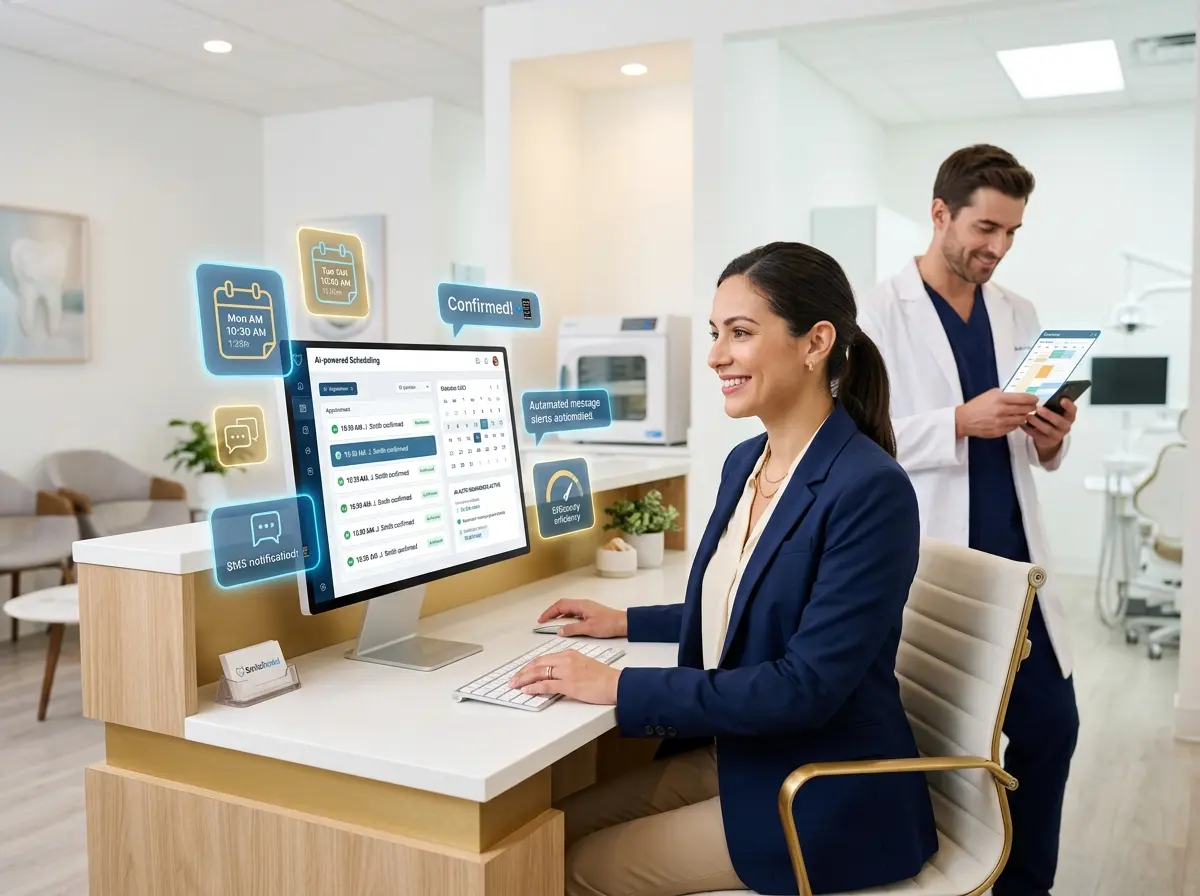
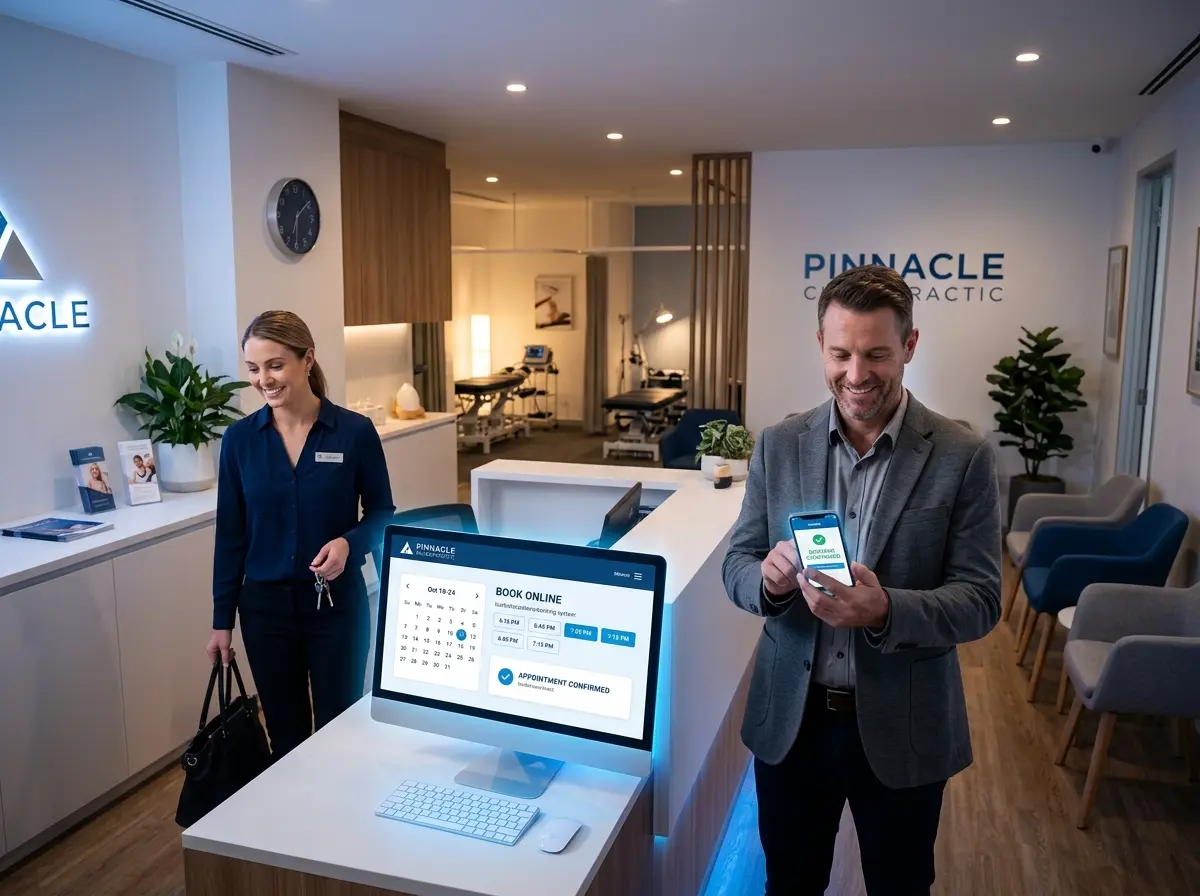
This is where tools like Stella, the AI robot employee and phone receptionist, can quietly save the day. For mental health practices, Stella can answer incoming calls 24/7, provide general information about your services and availability, and collect initial inquiry information through conversational intake forms — all without a human staff member having to interrupt a session to pick up the phone. For practices with a physical office, she can also greet walk-ins at a kiosk, answer questions about your services, and help prospective clients understand what to expect. Her built-in CRM with custom fields, tags, and AI-generated contact profiles means that every inquiry is captured, organized, and ready for your team to act on — no sticky notes required.
The key is to use automation at the edges of the client relationship — first contact, scheduling logistics, form collection — while preserving human presence for everything that actually requires therapeutic skill. No one wants a robot to process their trauma history. They do, however, appreciate getting a prompt, professional response when they reach out at 9 PM on a Tuesday.
Building a Compassionate Follow-Up System
Staying Connected Without Being Creepy About It
One of the most underutilized capabilities of a CRM in a mental health context is structured follow-up. This doesn't mean blasting clients with promotional emails — please don't do that — but it does mean having intentional, care-driven touchpoints built into your workflow. For example, when a prospective client inquires but doesn't schedule, a brief, warm follow-up message sent a few days later can make the difference between gaining a client and losing one to inertia. When an existing client goes inactive, a check-in — done appropriately and within ethical boundaries — demonstrates that they're not just a line item in your schedule.
Custom tags and segmentation within a CRM make this manageable at scale. You can create workflows for "new inquiry — not yet scheduled," "active client — awaiting insurance verification," or "discharged client — referral source." The follow-up cadence for each group is different, and your CRM should reflect that nuance. The compassion isn't automated; the reminder to be compassionate is.
Using Data to Improve, Not Just to Measure
Your CRM is also a quiet goldmine of practice intelligence. Over time, you can see which referral sources send the most clients, which inquiry types most frequently convert to ongoing care, where drop-off tends to happen in the intake process, and how long your average client journey lasts. This isn't surveillance — it's informed practice management.
For example, if your data shows that clients referred by a particular psychiatry group have a significantly higher conversion rate than those who find you through a general directory, that's worth knowing. You might invest more energy in that referral relationship, or tailor your intake communication style for that population. Small, data-informed adjustments like these compound over time into a meaningfully more efficient and sustainable practice.
Training Your Team to Use the System Consistently
Even the most beautifully designed CRM fails if only one person uses it correctly. Consistency is everything. Establish clear expectations for how and when client records are updated, what tags mean and who can assign them, and how intake form data flows into the system. Document your processes in plain language, train staff during onboarding, and revisit the protocols quarterly. A CRM is a living system — it should evolve as your practice grows, not calcify into a confusing mess of abandoned fields and outdated automations.
Consider designating one team member as the "system owner" responsible for maintaining the CRM's integrity. This doesn't have to be a full-time role — even a few hours a month dedicated to auditing records, updating workflows, and training new staff can make an enormous difference in how reliably the system performs.
Quick Reminder About Stella
Stella is an AI robot employee and phone receptionist that works 24/7, never burns out, and costs just $99/month with no upfront hardware required. She answers calls, greets clients, collects intake information, and manages contacts through her built-in CRM — all while your human team focuses on what only humans can do. For a mental health practice navigating administrative overload, that kind of reliable, always-on support isn't a luxury. It's just good practice management.
Conclusion: Build the System That Lets You Focus on the Work That Matters
Mental health professionals didn't go through years of training to spend their evenings chasing down intake forms and returning voicemails. The administrative burden of running a practice is real, it contributes to burnout, and it quietly degrades the quality of care when left unmanaged. A well-implemented CRM — one that's HIPAA-conscious, thoughtfully configured, and consistently maintained — is one of the most powerful tools you have for reclaiming your time and your focus.
Here are your actionable next steps:
- Map your current client journey from first inquiry to ongoing care and identify the three biggest friction points.
- Audit your existing tools — what are you already using, what's redundant, and where are the gaps?
- Define your CRM requirements before evaluating platforms. Know what data you need to track, what automations would save the most time, and what compliance requirements you must meet.
- Pilot with a small workflow first — intake follow-up is usually the highest-impact, lowest-risk place to start.
- Designate a system owner and commit to quarterly reviews to keep the system relevant and clean.
Your clients deserve a practice that runs as well as it cares. The good news is that with the right systems in place, those two things aren't in competition — they reinforce each other. Efficiency creates capacity, and capacity creates the space for deeper, more consistent, more compassionate work. That's not just good business. That's good therapy.