Your Host Has Better Things to Do Than Play Phone Tag
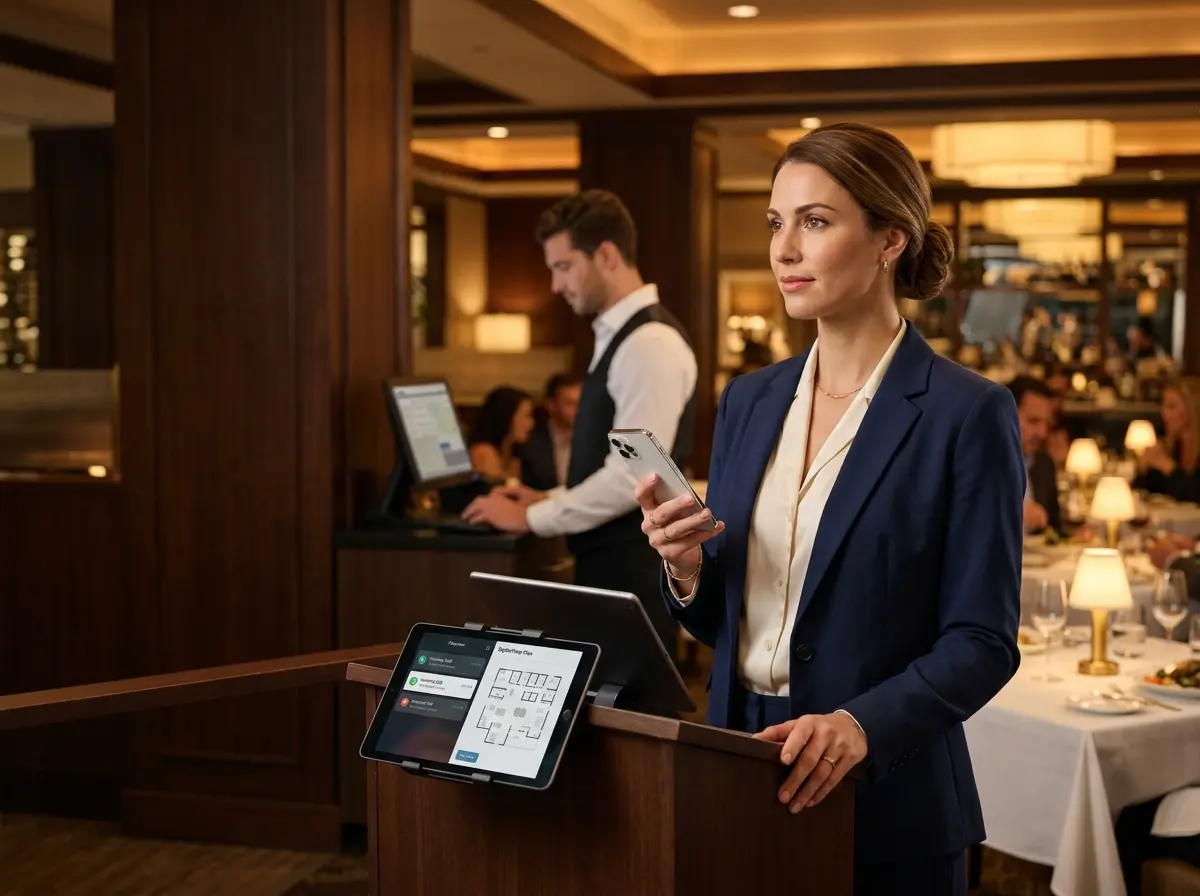
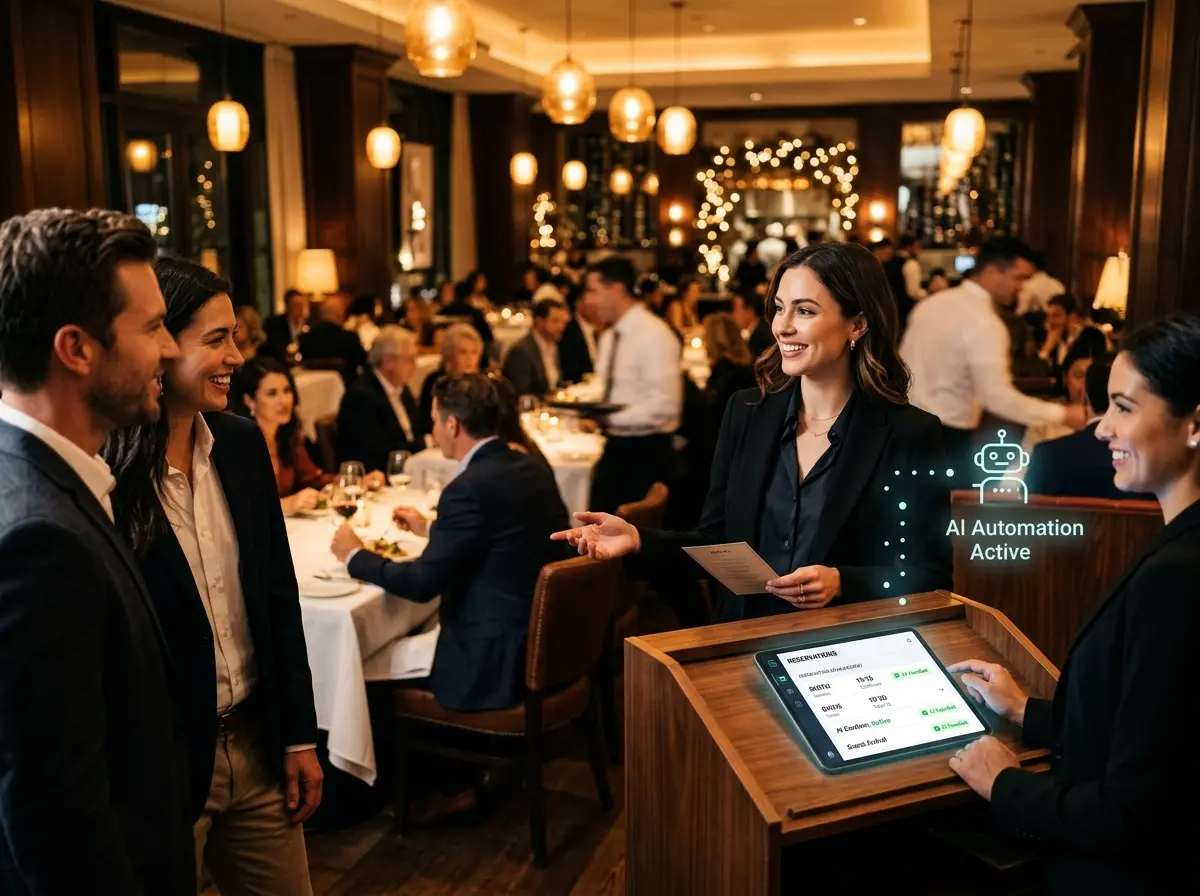
Picture this: it's a Friday night, your dining room is packed, a line is forming at the door, and your host is doing their absolute best impression of a person who has everything under control. Then the phone rings. And rings again. And again. Each call is someone wanting to move their 7:00 reservation to 7:30, add a guest, or cancel entirely because "something came up." Your host is now juggling menus, managing walk-ins, soothing a party of eight who's been waiting, and trying to have a coherent phone conversation about a reservation change — all at the same time.
This is not a unique tragedy. It's Tuesday at every busy restaurant in America.
The good news is that this particular chaos is entirely solvable. AI-powered phone tools have matured to the point where they can handle routine reservation changes naturally, professionally, and without requiring a human being to drop everything. This post breaks down why reservation management is quietly one of the biggest operational drains in the restaurant industry, what a modern AI solution actually looks like in practice, and how to evaluate whether it's the right move for your business.
The Hidden Cost of Reservation Phone Calls
It's Not Just the Time — It's the Timing
Restaurant operators are generally good at calculating obvious costs: food cost, labor cost, rent. What rarely gets measured is the cost of interruption. A 90-second phone call to confirm a reservation doesn't sound like much until you consider that it happened at 6:45 PM when your host was seating a table, handed a menu to the wrong person, and then had to circle back — disrupting the entire front-of-house rhythm for the next ten minutes.
Research on workplace interruptions consistently shows that it takes an average of 23 minutes to fully regain focus after a significant disruption. In a restaurant context, your staff rarely has 23 minutes. The compounding effect of repeated low-stakes phone calls during peak service hours is a legitimate operational drag that most owners simply absorb as "the cost of doing business" — when it doesn't have to be.
The Calls Are Mostly the Same
Here's the thing about reservation-related phone calls: the vast majority of them are remarkably repetitive. Can I move my reservation? Can I add one more person? What time do you close? Do you have a private dining room? Is the kitchen still open at 9:30? These are not complex, nuanced inquiries that require years of hospitality experience to answer. They're routine information exchanges that follow predictable patterns — which makes them an excellent candidate for automation.
When you map out the actual call volume at a mid-sized restaurant, reservation modifications and general hours or policy questions typically account for 60–70% of all inbound calls. That's the majority of your phone traffic handled by your most important front-of-house person, for tasks that a well-configured AI can manage just as effectively.
Missed Calls Are Missed Revenue
There's another side of this equation that's easy to overlook: the calls that simply don't get answered. If your host is in the weeds during dinner service, the phone doesn't always get picked up. A guest trying to make a last-minute reservation who hits a voicemail often just moves on — to a competitor who answered. According to some hospitality industry estimates, restaurants miss a meaningful percentage of inbound calls during peak hours, and a significant portion of those represent lost bookings. An AI that answers every single call, every time, without ever being "too busy," is a direct revenue protection tool.
How AI Actually Handles Reservation Changes
A Smarter Phone Presence for Your Restaurant
Modern AI phone receptionists don't sound like the robotic voice telling you to "press 1 for English" that traumatized an entire generation of customer service callers. Today's tools carry on natural, conversational interactions that feel far more like speaking with a knowledgeable staff member than navigating a phone tree. They can understand context, handle follow-up questions, and adapt to what the caller actually needs — not just what a rigid script anticipated.
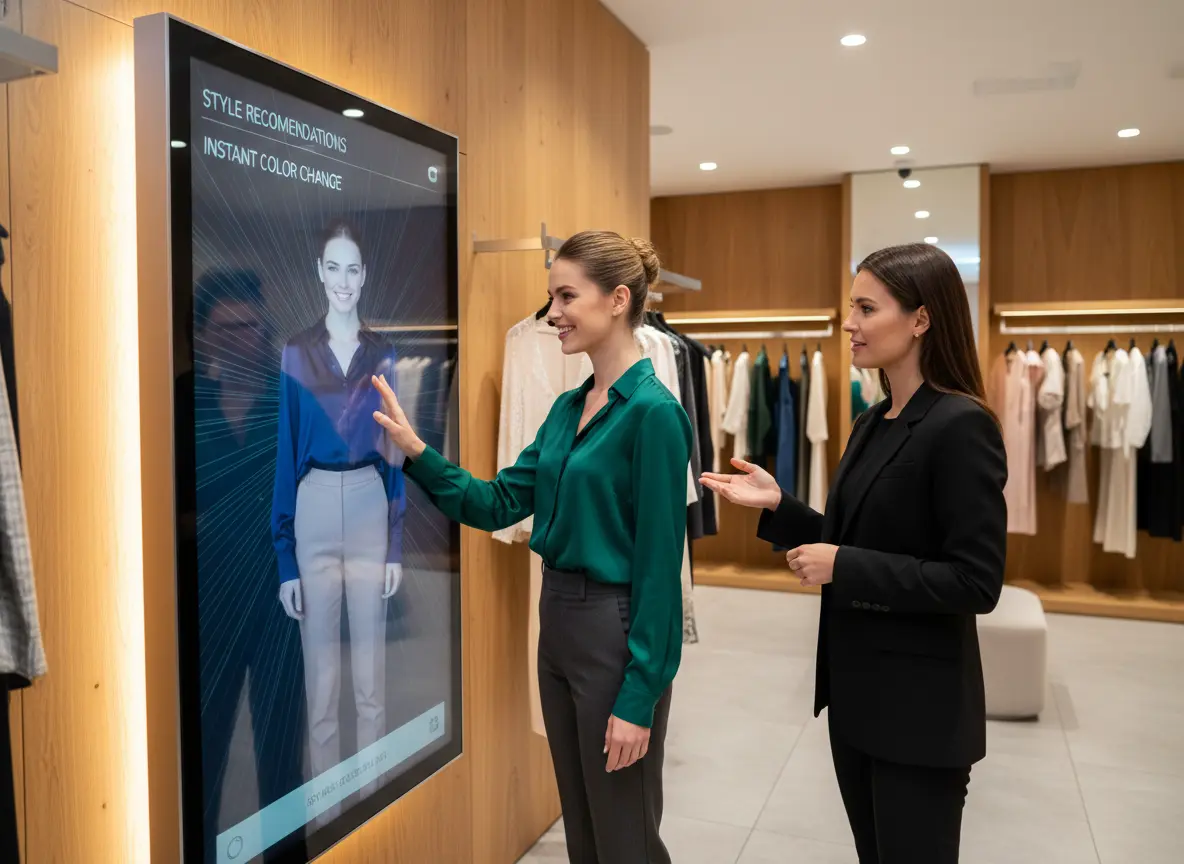
Stella is one such tool that's particularly well-suited for restaurants. She functions as both an in-store AI kiosk that engages guests as they walk in and a full-time AI phone receptionist that handles calls around the clock. For reservation-heavy restaurants, this dual presence is genuinely useful: Stella can greet guests at the door while simultaneously answering a call from someone wanting to push their reservation back thirty minutes — no host required for either interaction. Her built-in CRM also allows her to log caller information and reservation notes directly, so your team always has context without playing catch-up.
What to Look for in an AI Reservation Tool
Integration and Handoff Capabilities
The most important practical consideration when evaluating any AI phone tool for reservation management is how it handles edge cases. A good AI should be able to resolve the majority of calls entirely on its own, but it also needs a clean, reliable handoff process for situations that genuinely require a human — a large party with special requests, a guest with a serious complaint, or anything outside the scope of a standard modification. Look for tools that allow you to define the conditions under which a call gets forwarded to staff, so your team is only involved when they actually need to be.
You'll also want to consider whether the tool integrates with your existing reservation platform — OpenTable, Resy, Toast, and similar systems. Some AI tools connect directly; others handle the conversation and alert your team to make the actual system update. Neither approach is universally better, but you should know which model a tool uses before committing.
Availability and Consistency
One of the underrated advantages of an AI phone receptionist is simple, boring reliability. It shows up every single day, doesn't call in sick before a holiday weekend, doesn't quit without notice two weeks before Valentine's Day, and answers with the same friendly professionalism at 11:00 PM as it does at noon. For restaurants that take reservations outside of normal business hours — through a late-night voicemail, an early morning call, or an after-close inquiry — an AI that's always on is genuinely valuable.
Consistency also matters for brand perception. A guest who calls your restaurant should have a similar experience regardless of whether they call at a quiet Tuesday lunch or a frantic Saturday dinner rush. An AI handles that consistency automatically, without any coaching required.
Setup and Ongoing Management
Restaurants are not technology companies. A tool that requires extensive technical setup, ongoing maintenance, or a dedicated IT resource to manage is not a realistic solution for most operators. The best AI tools in this space are designed to be configured quickly — typically by answering questions about your business, hours, policies, and how you want calls handled — and then largely left alone to do their job. When evaluating options, ask specifically how long setup takes, what ongoing management looks like, and what happens when you need to update your hours or add a new policy. The answer should be "simple and fast."
Quick Reminder About Stella
Stella is an AI robot employee and phone receptionist built for businesses of all types — including restaurants that are tired of watching their host drown in phone calls during dinner service. She greets guests in person at a sleek in-store kiosk, answers every inbound call 24/7, manages customer contacts through a built-in CRM, and promotes your specials and offerings without ever asking for a break. At $99/month with no upfront hardware costs, she's one of the more practical technology investments a restaurant can make.
It's Time to Free Your Host
Your host is a hospitality professional, not a telephone operator. The skills that make a great host — reading a room, managing energy, making guests feel genuinely welcomed — are exactly the skills that get buried under a pile of routine phone calls during your busiest hours. Giving those calls to an AI isn't cutting corners; it's smart allocation of your most valuable human resources.
If you're ready to take action, here's a practical starting point:
- Audit your call volume. For one week, track how many calls your host handles during peak service hours and categorize them. You'll likely find that the majority are repetitive and easily automatable.
- Identify your pain points. Are you missing calls after hours? Losing bookings during dinner rush? Dealing with inconsistent guest experiences on the phone? Knowing your specific problem helps you evaluate the right solution.
- Evaluate tools based on conversation quality, not just features. Ask for demos. Have someone on your team call in and interact with the AI. A feature list means nothing if the actual experience is frustrating for guests.
- Start simple. You don't need to automate everything at once. Deploying an AI to handle after-hours calls alone can be a meaningful improvement before you expand its role further.
The restaurant industry runs on thin margins and tight operations. Every inefficiency you eliminate is profit you get to keep — and every guest who gets a fast, helpful, professional experience on the phone is a guest more likely to show up and come back. That's a pretty compelling return on a problem that, honestly, solves itself once you stop tolerating it.