Your Phone Is Costing You Jobs — And You Don't Even Know It
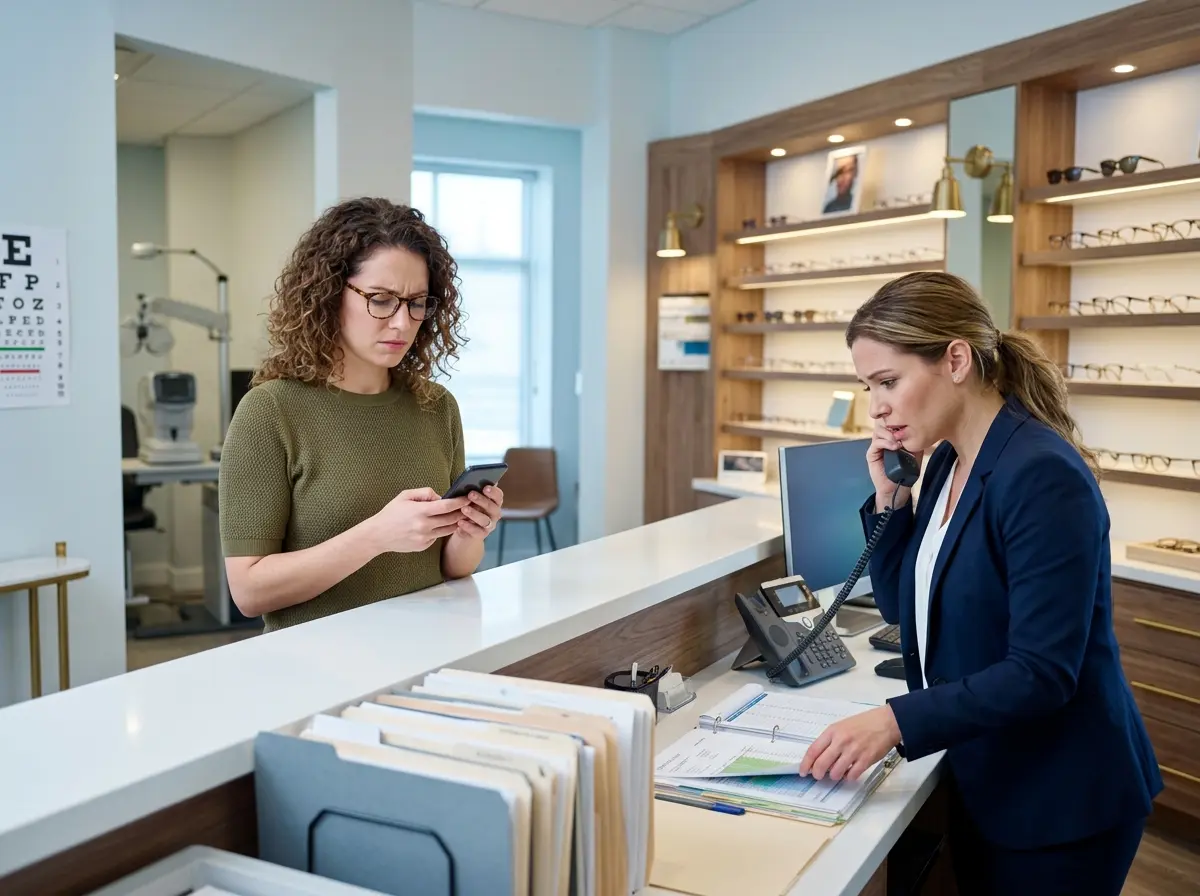
Let's paint a picture. A homeowner's pipe just burst. They need a contractor now. They grab their phone, search for local contractors, and start calling down the list. The first company they reach gets the job. The companies that send them to a generic voicemail greeting — or worse, don't answer at all — get nothing. That homeowner isn't leaving a message. They're calling the next number on the list.
Here's the uncomfortable truth: your phone presence is either winning you business or costing you business, and most contractor business owners have no idea how unprofessional their phone experience actually sounds to potential customers. You've spent real money on a truck wrap, a logo, maybe even a website — and then you let all of that first-impression work collapse the moment someone actually tries to call you.
According to a study by Invoca, 80% of customers say the experience a company provides is just as important as its products and services. For contractors, where trust is everything, that experience often starts with a single phone call. So let's talk about what's going wrong — and how to fix it today.
The Most Common Ways Contractor Businesses Sound Unprofessional on the Phone
The Dreaded "I'll Call You Back" Voicemail Black Hole
Nothing signals "I might or might not be a real business" quite like a voicemail that says, in the owner's most tired voice, "Hey, you've reached Mike. Leave a message." No company name. No hours. No indication of when Mike plans to resurface from whatever job site he's currently buried under. Customers who hear this have absolutely no reason to wait around. They're onto the next contractor before Mike has even set down his drill.
Even when you do call back, there's often a multi-hour delay. Research from Lead Connect shows that businesses who respond to leads within five minutes are 21 times more likely to qualify them than those who wait 30 minutes or longer. In contracting, where customers are often dealing with urgent situations — a leaky roof, a broken HVAC system, a kitchen renovation on a deadline — that response window is even tighter.
Answering the Phone Mid-Job (And It Shows)
You're on a roof. A potential customer calls. You answer — because hey, you're trying to run a business — and the conversation sounds something like this: "Yeah? Oh, hey. Sorry, hold on — guys, hold on a second! — okay, yeah, what was your address again?" Look, customers appreciate hustle. But they also need to feel like they're talking to someone who can actually help them, not someone who's three seconds away from dropping their phone into a gutter.
Answering while distracted sends a subtle but real message: this operation might be a little chaotic. For customers who are about to hand you thousands of dollars and access to their home, chaos is not the vibe they're looking for.
No Consistent Greeting, No Brand Identity
Consistency builds trust, and trust builds contracts. When every person on your team answers the phone differently — or when you answer it differently depending on whether you're having a good day or a terrible one — you're sending mixed signals. A professional business has a professional, consistent greeting. Customers notice, even if they don't consciously register it. Something as simple as "Thank you for calling Apex Roofing, this is Sarah, how can I help you today?" versus "Yep?" can be the difference between a booked estimate and a disconnected call.
How Technology Can Solve Your Phone Problem Without Hiring a Full-Time Receptionist
Let an AI Receptionist Handle What You Can't
Here's where things get interesting — and genuinely useful. Stella is an AI robot employee and phone receptionist that answers your calls 24/7, speaks naturally with callers, and knows your business inside and out. She can answer questions about your services, collect customer information through conversational intake forms, take detailed voicemails with AI-generated summaries sent straight to your phone, and forward calls to your team based on conditions you configure. No more missed leads at 9 PM because you were on a job site all day.
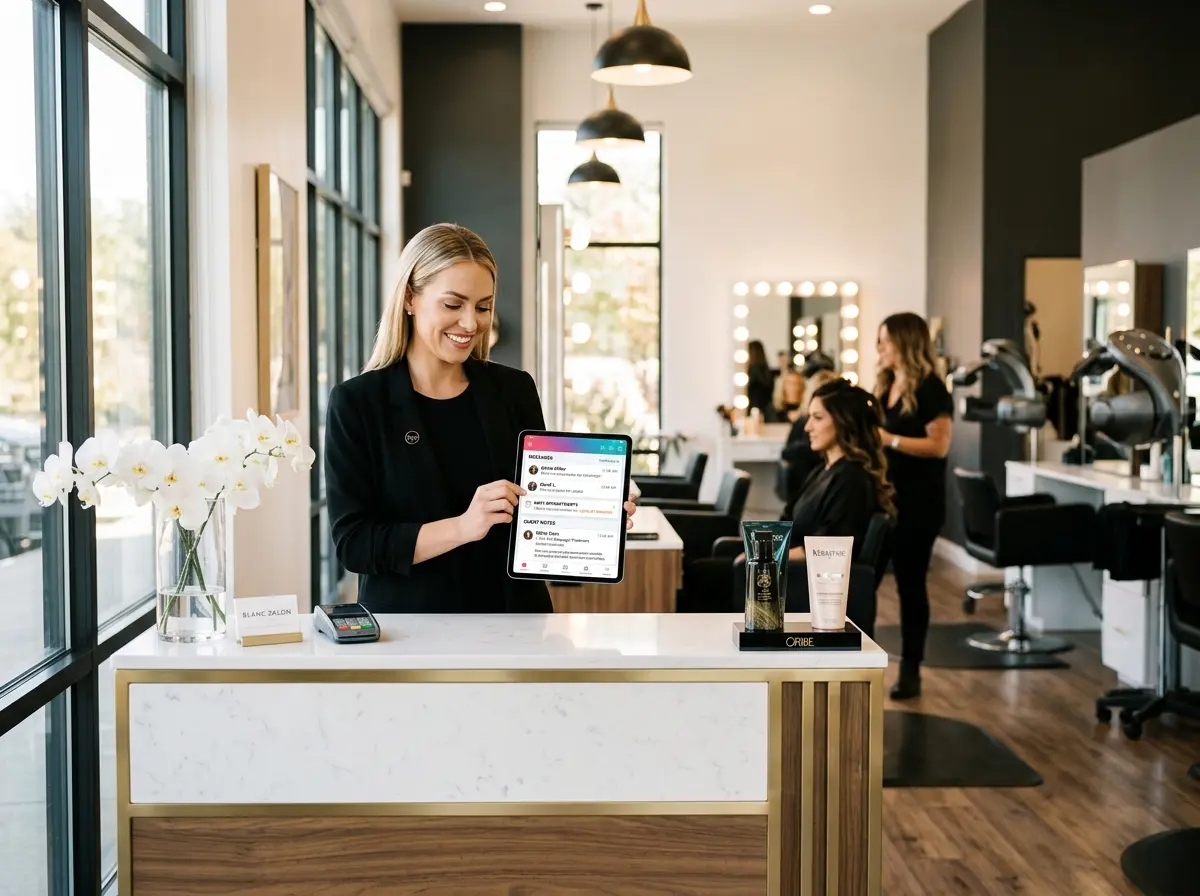
For contractors who also have a physical office or showroom, Stella does double duty as an in-store kiosk, greeting walk-in customers, promoting current deals, and answering questions without pulling your staff away from their work. And because she comes with a built-in CRM, every customer interaction — whether it's a phone call, a web inquiry, or a walk-in visit — gets logged, tagged, and organized with AI-generated profiles so you always have context when following up. All of this runs on a $99/month subscription with no upfront hardware costs. For a contractor losing even one mid-sized job a month to missed calls, that math works out very quickly.
Building a Phone Experience That Actually Wins Business
Create a Scripted Greeting and Stick to It
You don't need to be a corporate call center to have a professional phone script. In fact, even a one-page cheat sheet near whoever answers the phone can transform how your business sounds. Your greeting should include your business name, the name of the person answering, and an open-ended offer to help. It should take about five seconds to say and leave the caller feeling like they've reached a real, organized business — because they have.
If you have employees who answer calls, spend twenty minutes going over expectations. Role-play a few scenarios. It feels awkward for exactly one afternoon and then becomes second nature. Train them on what to do when they don't know the answer (get the caller's contact info and promise a callback within a specific timeframe), and what questions to ask to qualify the lead. A little structure goes a long way.
Set Up a Professional Voicemail — Immediately
If someone reaches your voicemail, that recording is doing the work of a front desk employee. At minimum, your voicemail should include your business name, confirmation that the caller has reached the right place, realistic expectations for when you'll call back, and an alternative way to reach you if it's urgent. Record it somewhere quiet, speak slowly and clearly, and smile while you record it — yes, really, it changes the tone of your voice in a way callers can actually perceive.
Even better, pair a professional voicemail with an automated system that can handle after-hours calls more intelligently, capturing lead details so you can follow up with full context rather than playing phone tag with a name and number scribbled on a napkin.
Track Your Calls Like You Track Your Revenue
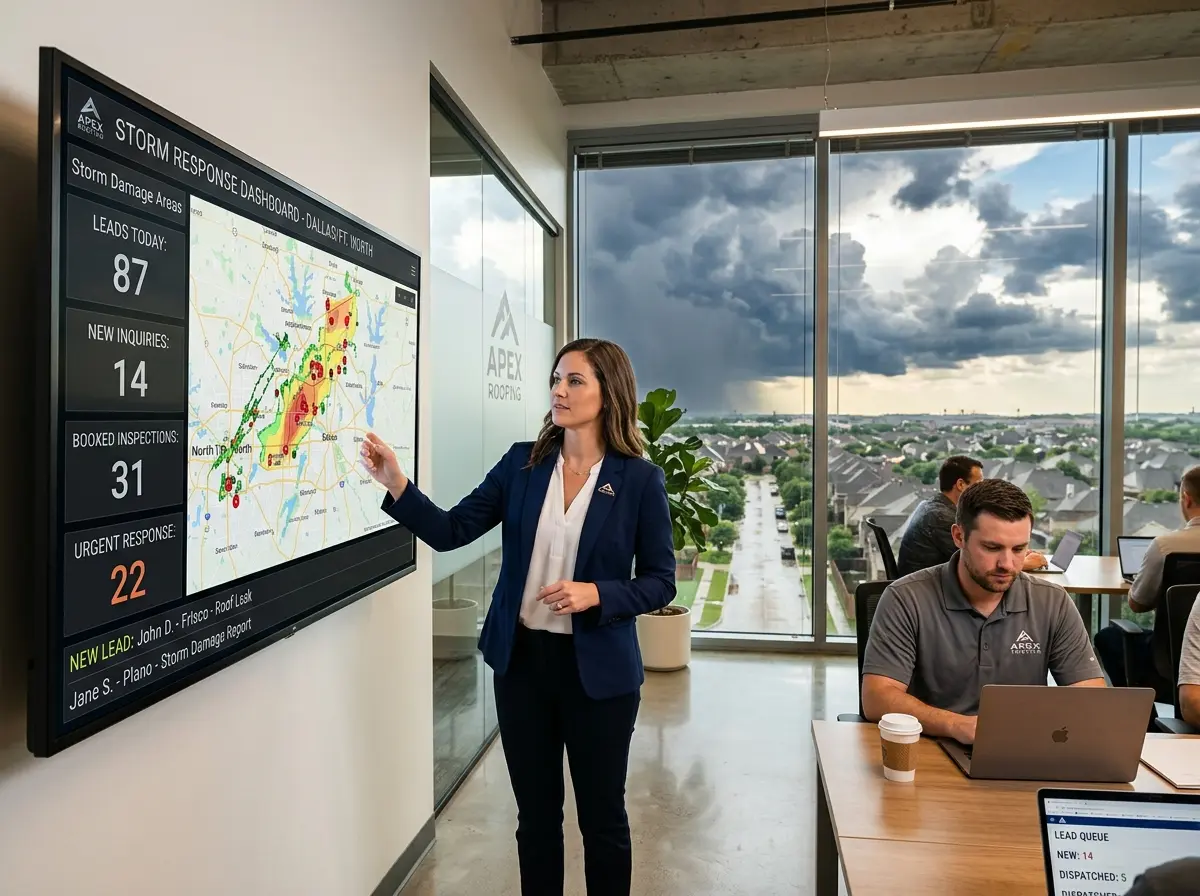
Most contractor businesses have a rough sense of how many jobs they booked this month. Very few have any idea how many calls came in, how many were missed, how many led to estimates, or where the biggest drop-off in their sales funnel actually is. Call tracking and customer management tools give you that visibility. When you know that 40% of your after-hours calls go unanswered, you can do something about it. When you're flying blind, you just assume the phones are "doing fine" while revenue quietly walks out the door.
Start simple: log every inquiry for two weeks. Write down where it came from, whether you answered, and whether it converted. The pattern you find will likely be equal parts enlightening and slightly horrifying — in the most productive possible way.
Quick Reminder About Stella
Stella is an AI robot employee and phone receptionist that works around the clock so your contractor business never misses another call, lead, or customer interaction. She answers phones, collects caller information, manages your contacts through a built-in CRM, and — for businesses with a physical location — greets customers in person at a kiosk. At $99/month with no hardware costs and an easy setup, she's the professional front-line presence your business deserves without the overhead of a full-time hire.
Stop Letting Your Phone Undermine the Business You've Built
You work hard. You show up on time, do quality work, and stand behind what you build. It would be a genuine shame — and a fairly avoidable one — for all of that to be undermined by a sloppy phone experience that sends potential customers straight to your competitors. The good news is that fixing your phone presence is one of the fastest, most impactful improvements you can make to your business, and most of it costs very little beyond a bit of attention and intention.
Here's what to do right now, in order of priority:
- Re-record your voicemail today with your business name, callback expectations, and a professional tone.
- Write a simple phone greeting and share it with everyone on your team who answers calls.
- Track your calls for two weeks to identify where leads are slipping through the cracks.
- Explore an AI receptionist solution to cover after-hours calls, reduce missed leads, and give your business a consistent, professional voice at every hour of the day.
Your competitors are not all doing this well. That means there is a real, tangible competitive advantage waiting for the contractor who simply picks up the phone — or makes sure something reliable does it for them.