Introduction: Because "Hope They Come Back" Is Not a Retention Strategy
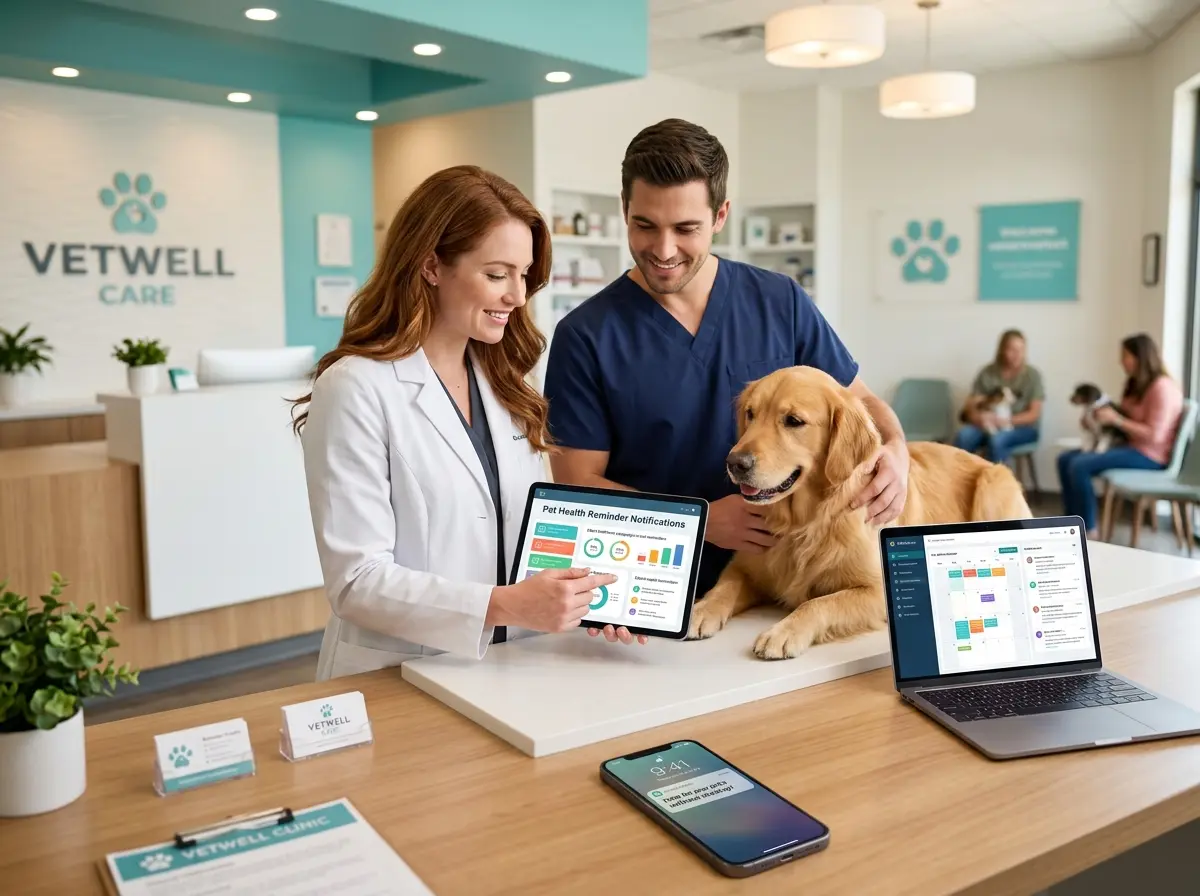
Let's be honest — your patients (the furry, feathered, and occasionally grumpy ones) would come in every six months like clockwork if only their owners remembered to book the appointment. But life gets busy, and "schedule Biscuit's annual wellness exam" somehow keeps falling behind "pick up dry cleaning" and "figure out what that noise is in the car." The result? Pets miss preventative care, health issues go undetected longer than they should, and your appointment calendar has more gaps than a Dalmatian has spots.
Here's the good news: preventative care reminders are one of the most powerful — and most underutilized — client retention tools in veterinary practice. Done well, they don't just fill your schedule. They build trust, demonstrate genuine care for your patients, and keep your clinic top of mind when a pet owner is deciding between you and the shiny new vet that just opened across town. Done poorly, they're just noise. This guide is about doing them well.
Building a Reminder System That Actually Works
Know What You're Reminding People About (And When)
Before you can remind clients of anything, you need a clear picture of what preventative care milestones matter most for your patient population. Annual wellness exams and core vaccinations are the obvious starting points, but the rabbit hole goes much deeper. Heartworm testing, flea and tick prevention, dental cleanings, senior bloodwork panels, spay/neuter follow-ups — each of these represents an opportunity to reconnect with a client and deliver real value to their pet's health.
The timing of reminders matters enormously. Research in veterinary practice management consistently shows that a reminder sent 3–4 weeks before a due date dramatically outperforms one sent a week out, simply because it gives clients enough runway to actually schedule. Consider a layered approach: an initial reminder at the 4-week mark, a follow-up at 2 weeks for non-responders, and a final nudge a few days before the due date lapses. Clients who haven't responded after three touchpoints might need a phone call — which brings us to a whole other section.
Personalization Is the Difference Between Annoying and Appreciated
Nobody wants a generic mass message that reads like it was written by a committee. "Dear Valued Client, your pet may be due for services" is the veterinary equivalent of a form letter from your bank — technically informative, emotionally meaningless. Clients respond to messages that feel personal, because personal messages feel like they come from someone who actually knows their dog's name.
Use your practice management software to segment your client list by species, age, breed, and last visit date. A reminder for a 10-year-old Labrador's senior wellness panel should feel completely different from one reminding a first-time cat owner that it's time for kitten vaccine boosters. Include the pet's name, the specific service due, and — if you can swing it — a brief note about why it matters for that animal specifically. "Max is at the age where we recommend annual bloodwork to catch early signs of kidney disease" is worth ten generic appointment reminders.
Choose Your Channels Wisely
Text messages have an open rate north of 90%. Emails hover somewhere around 20–30% on a good day. Phone calls are the most personal but also the most resource-intensive. A smart reminder strategy doesn't pick one — it uses all three in the right proportions. Texts work beautifully for short, timely nudges with a direct booking link. Emails give you space to tell a story, share educational content, or explain the value of a service a client has been skipping. Phone calls are reserved for high-value clients, overdue patients, or situations where a personal touch genuinely matters.
The key is automation without losing the human feel. Automate the cadence and the triggers, but invest time in crafting message templates that sound like they came from your team — not from a software company's default settings.
How Technology Can Carry More of the Load
Let Your Front Desk Focus on What Requires a Human
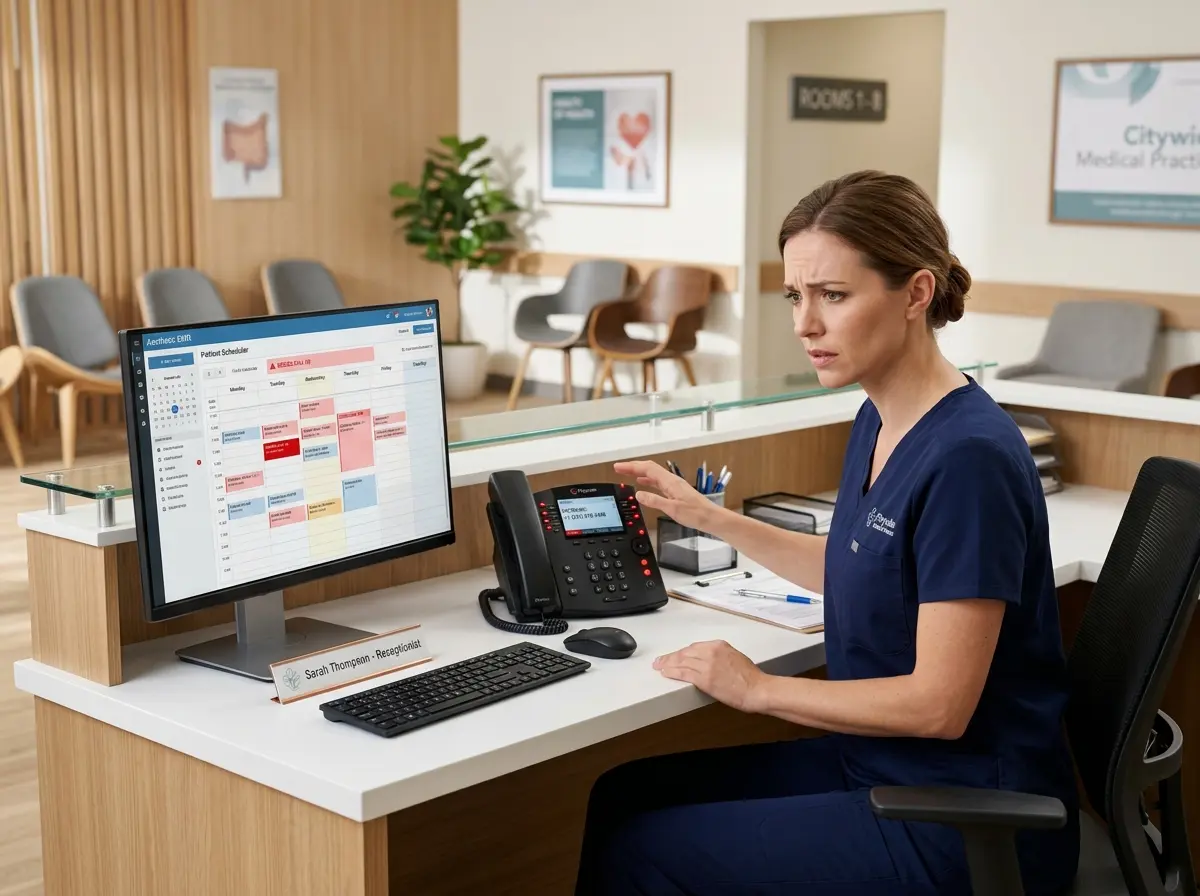
Your front desk team is talented, but they are not robots — and that's both a compliment and a logistical challenge. When they're juggling check-ins, checkout, incoming calls, and a waiting room that smells like wet dog, following up on overdue preventative care reminders is the first thing that gets dropped. This is exactly where technology earns its keep.
Stella, the AI robot employee and phone receptionist, is built for exactly this kind of gap. As a phone receptionist, Stella answers calls around the clock — which means a client who suddenly remembers at 9 p.m. that their cat is overdue for vaccines can call your clinic, get their questions answered, and schedule an appointment without anyone on your staff having to stay late. In a physical clinic setting, her kiosk presence can engage walk-in clients, share information about upcoming wellness reminders, and prompt clients to update their contact information on the spot — feeding directly into her built-in CRM so your reminder lists stay current and accurate. When your team can stop managing routine call volume, they can give their full attention to the clients and patients actually in the building.
Turning Reminders Into Relationships
Educate, Don't Just Notify
A reminder that says "Fluffy is due for a dental cleaning" is fine. A reminder that says "Did you know that 80% of dogs show signs of dental disease by age three? Fluffy's annual dental exam helps us catch problems before they become painful — and expensive" is a relationship. The difference is education, and education builds the kind of trust that keeps clients loyal for years.
Consider weaving educational content into your reminder campaigns. A short paragraph about the risks of skipping heartworm testing, a quick explainer on what a senior wellness panel actually checks for, or a myth-busting note about feline dental health — these small additions reframe your reminders from administrative nagging into genuine guidance from a trusted veterinary partner. Clients who understand the why behind preventative care are dramatically more likely to follow through.
Create a Loyalty Loop With Consistent Follow-Through
Client retention in veterinary practice isn't just about bringing people back once — it's about becoming so embedded in their routine that they don't consider going anywhere else. The practices that achieve this do so by being relentlessly consistent. Every appointment is followed by a thank-you message. Every thank-you message includes the next milestone. Every milestone triggers a reminder campaign. The loop never breaks.
This kind of consistency requires systems, not heroic effort from your team. Map out the full lifecycle of a client relationship — from first puppy visit to senior care — and identify every natural touchpoint where a reminder, a check-in, or a piece of educational content makes sense. Then build those touchpoints into your workflow so they happen automatically, regardless of how busy the clinic gets. Practices that do this well don't just retain clients; they create advocates who refer their friends.
Measure What's Working and Adjust Accordingly
You track your patients' health data obsessively. Do the same for your reminder campaigns. Open rates, response rates, appointment conversion rates, and reactivation rates for lapsed clients are all metrics worth monitoring. If your email reminders for dental cleanings are being ignored but your text reminders for vaccine due dates convert well, that's actionable information. Maybe dental reminders need more education in the message. Maybe they need a different channel entirely. You won't know unless you're looking.
Set a quarterly review of your reminder performance and be willing to experiment. Test different subject lines, different timing windows, different messaging tones. The veterinary practices that consistently grow their loyal client base are the ones that treat client communication as a discipline — not a set-it-and-forget-it afterthought.
Quick Reminder About Stella
Stella is an AI robot employee and phone receptionist designed to support businesses of all kinds — including veterinary clinics — for just $99/month with no upfront hardware costs. She answers phone calls 24/7, greets clients at your front desk kiosk, manages a built-in CRM, and keeps your operation running smoothly without breaks, sick days, or turnover. If your team is stretched thin and your reminder follow-up is falling through the cracks, she's worth a look.
Conclusion: The Clinic That Remembers Is the Clinic They Return To
Preventative care reminders are not a nice-to-have. They are the connective tissue between appointments — the ongoing signal you send to clients that says, we're still here, we still care about your pet, and we haven't forgotten about you. In a world where pet owners have more choices than ever, that signal matters more than most practice owners realize.
Here's where to start: audit your current reminder process this week. Ask yourself honestly — what happens after a client leaves? Is there a system that automatically follows up, or is it dependent on whoever has a spare moment at the front desk? If the answer makes you a little uncomfortable, that's your starting point.
From there, build incrementally. Start with automated reminders for annual wellness exams and core vaccines. Get those dialed in. Then layer in dental reminders, senior panels, and parasite prevention touchpoints. Add personalization. Add education. Measure results. Adjust. The practices that do this consistently don't just retain clients — they grow, year over year, because every reminder is another thread woven into a relationship that's genuinely hard to leave.
Your patients deserve consistent care. Their owners just need a little help remembering to schedule it. Be the clinic that makes that easy — and watch what it does for your business.