Introduction: The Silent Killer of Your Med Spa's Revenue
You've invested in a gorgeous space. Your injectors are talented. Your before-and-after photos are practically works of art. And yet, somewhere between a potential client discovering your med spa and actually booking a consultation, something goes terribly wrong. They disappear. No call. No booking. Just silence — and a quietly devastating gap in your revenue.
Here's the uncomfortable truth: your consultation request form might be the problem. Not your pricing. Not your location. Not even your competitors' aggressive discount campaigns. The very form you designed to capture leads could be the thing quietly sending high-value clients running in the opposite direction.
According to research from HubSpot, companies that reduce their form fields from 11 to 4 see a 120% increase in conversions. In the med spa world — where clients are often researching discretely, feeling vulnerable about their concerns, and comparing multiple providers — a clunky, impersonal, or overly demanding intake experience can be the difference between a $3,000 new patient and a lost lead who books with your competitor down the street.
The good news? This is one of the most fixable problems in your entire practice. Let's dig in.
Why Traditional Consultation Forms Fall Flat
You're Asking for Too Much, Too Soon
Imagine walking into a luxury boutique and being handed a clipboard with 27 questions before anyone even said hello. That's essentially what many med spas do online. First name, last name, email, phone number, date of birth, insurance information (for a cash-pay practice, no less), areas of concern, previous treatments, budget range, how you heard about us, and — oh — would you like to join our mailing list?
High-value clients, particularly those considering treatments like full-face rejuvenation, body contouring packages, or medical-grade skincare programs, are often private individuals. They're not ready to hand over their life story to a form on a website they found 45 seconds ago. They want to feel heard, not processed. Every unnecessary field is a micro-friction point that chips away at their willingness to commit. Keep initial forms short. Capture the essentials — name, contact preference, area of interest, and preferred timing — and save the detailed intake for after they've said yes.
The Form Feels Cold and Clinical (In All the Wrong Ways)
There's a particular irony in a med spa — a business built on helping people look and feel their best — presenting clients with a form that looks like it was designed by a tax software company in 2009. Generic dropdowns, sterile language, zero personality. Your brand voice should extend all the way into your intake experience.
The language you use matters enormously. "Describe your medical history" feels intimidating. "Tell us a little about your skin goals and any past treatments you've tried" feels like a conversation. One closes people off; the other invites them in. High-end clients are paying for an experience, not just a procedure, and that experience starts the moment they interact with your brand — including your forms.
There's No Immediate Acknowledgment or Follow-Up
A potential client fills out your consultation request form at 9:47 PM on a Tuesday. Then... nothing. No confirmation email. No text. No indication that a human being — or anything, really — received their inquiry. By Wednesday morning, they've already filled out a form for the med spa two towns over that sent them an instant, personalized response.
Speed-to-lead is critical in the aesthetics industry. Studies from Lead Connect suggest that 78% of customers buy from the business that responds first. If your form submission triggers a generic auto-reply (or worse, nothing at all), you've already lost momentum with a client who was ready to engage.
How Smarter Intake Tools — and Stella — Can Fix This Fast
Conversational Intake Changes Everything
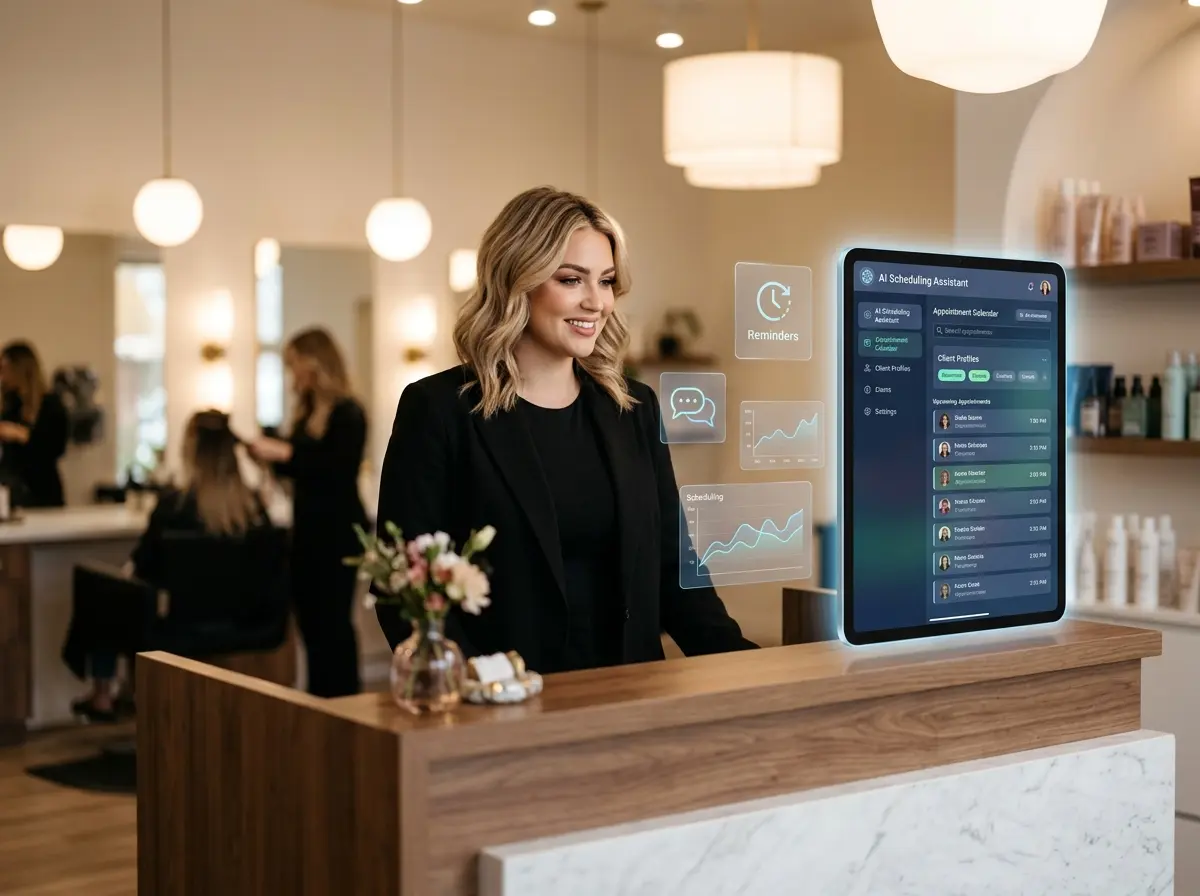
One of the most effective upgrades you can make is replacing static forms with conversational intake — and this is exactly where Stella, the AI robot employee and phone receptionist, becomes genuinely useful for med spas. Rather than presenting a cold form, Stella can collect client information through natural, friendly conversation — whether that's over the phone (24/7, even when your front desk is closed), through a web interaction, or via the in-store kiosk that greets clients when they walk through your door.
Stella's built-in CRM captures that intake data automatically, building AI-generated client profiles complete with custom fields, tags, and notes — so your staff walks into every consultation already knowing what the client is interested in, what questions they asked, and what their vibe is. No more scrambling through sticky notes and email threads before a new patient appointment. That kind of seamless, personalized experience is what turns a curious prospect into a loyal, high-spending client.
What High-Value Med Spa Clients Actually Want From the Intake Process
Privacy, Discretion, and a Sense of Safety
Let's talk about your ideal client for a moment. She's 42, successful, and considering a combination treatment plan that might include filler, Botox, and a laser resurfacing series. She's done her research. She's not embarrassed about wanting aesthetic treatments, but she is selective about who she trusts with her face and her information. She's not going to check a box that says "How did you hear about us?" and feel great about it. She wants to feel like you already understand her before she's even said a word.
Design your intake experience with this person in mind. Use reassuring, empowering language. Make privacy statements visible and human (not just a legalese link buried in fine print). Offer options for how she'd like to be contacted — some clients prefer a text, others a call, and some want everything handled via email so there's no awkward conversation at home. Respecting those preferences from the very first touchpoint signals that you're the kind of practice that pays attention.
Transparency About What Happens Next
Ambiguity kills conversions. After a client submits a form, they should know exactly what happens next. Will someone call within 24 hours? Will they receive a link to schedule directly? Is the consultation free, or is there a deposit? High-value clients don't like surprises — especially not the logistical kind. A clear, confident post-submission message (and a genuine follow-up that actually happens on time) builds immediate trust and sets the tone for the entire client relationship.
Making the Consultation Feel Worth Their Time Before It Happens
Consider what you can send a new consultation client between the time they book and the time they arrive. A brief welcome video from your lead injector. A simple treatment overview tailored to the service they expressed interest in. A short FAQ that answers the questions every first-time client silently wonders but rarely asks out loud. These small gestures accomplish something significant: they demonstrate expertise and care before you've even met. When a client arrives to their consultation already feeling educated and at ease, your provider spends less time on basics and more time building a treatment plan — and closing a sale.
Quick Reminder About Stella
Stella is an AI robot employee and phone receptionist available for just $99/month with no upfront hardware costs. She greets clients in your med spa, answers calls around the clock, collects intake information conversationally, and keeps everything organized in a built-in CRM — all without breaks, bad days, or turnover. For a business where first impressions are literally your product, she's worth knowing about.
Conclusion: Fix the Form, Keep the Client
Your med spa's consultation request form isn't just an administrative tool — it's a brand experience, a trust signal, and often the deciding factor for whether a high-value client chooses you or your competitor. The fix doesn't require a complete overhaul of your practice. It requires intention.
Here's where to start:
- Audit your current form. Count the fields. Read the language out loud. Ask yourself honestly: does this feel like the beginning of a luxury experience, or a DMV appointment?
- Cut it down. Limit initial intake to five fields or fewer. Capture only what you need to have a great first conversation.
- Fix your follow-up. Implement an immediate, personalized response — whether that's an automated text, a same-day call, or an AI-powered conversation that kicks in the moment a form is submitted.
- Extend your brand voice. Rewrite your form copy to match the tone of your best staff member — warm, knowledgeable, and genuinely interested in the client's goals.
- Explore conversational intake. Whether through a smarter form tool or an AI solution like Stella, consider replacing the static form experience with something that actually feels like a conversation.
High-value clients have options. They're not going to wrestle with a bad form when the next med spa's booking experience feels effortless. The practices that win their loyalty are the ones that make every single touchpoint — including the very first one — feel like it was designed specifically for them. Start there, and watch your consultation conversion rate tell a very different story.