Your Yelp Page Is Either Working For You or Against You — There Is No Middle Ground
Let's be honest: most restaurant owners have a complicated relationship with Yelp. You spend hours crafting the perfect menu, sourcing quality ingredients, and training your staff — and then one disgruntled customer who waited "an entire seven minutes" for their table leaves a two-star review that somehow becomes the first thing potential diners see. Wonderful.
But here's the thing: Yelp isn't going anywhere. With over 265 million reviews on its platform and roughly 90 million unique monthly visitors, ignoring it is not a strategy. It's a slow bleed. The good news? A well-executed Yelp strategy can turn that complicated relationship into one of your most powerful marketing assets — without requiring you to sacrifice your sanity in the process.
This guide walks you through exactly how to build a Yelp strategy that actually helps your restaurant attract more customers, manage your reputation with confidence, and stop dreading the Monday morning review check.
Getting Your Foundation Right
Claim and Optimize Your Business Profile (Yes, Really)
If you haven't claimed your Yelp business page yet, stop reading and go do that right now. Seriously. An unclaimed page means you have zero control over the information customers see — hours, address, phone number, photos — all of it can be wrong or outdated, and Yelp's algorithm isn't going to cut you any slack for it.
Once claimed, treat your profile like a digital storefront. That means a high-quality cover photo that actually represents your restaurant (not a blurry iPhone shot from 2019), an accurate and compelling business description, your correct hours including holiday changes, and a full list of attributes like whether you offer outdoor seating, takeout, or cater to dietary restrictions. These details seem small, but they're exactly what customers are scanning for before they make a decision.
Photos Are Doing More Heavy Lifting Than You Think
According to Yelp's own data, businesses with photos receive significantly more attention than those without. Customers want to see what they're walking into — the ambiance, the plating, the vibe. Don't leave this to chance or, worse, to whatever your customers happen to upload on their own (because some of them will photograph your food under fluorescent lighting at the worst possible angle).
Invest in even a modest professional shoot every six months to keep your gallery fresh. Prioritize your hero dishes, your interior during both lunch and dinner service, and any seasonal offerings. Upload a variety of shots — not just food — to give potential guests a complete picture of the experience they can expect.
Use Yelp's Business Features Strategically
Yelp offers a number of built-in tools that most restaurant owners completely ignore. Yelp Deals and Check-in Offers can drive foot traffic during slow periods. The Response to Reviews feature lets you engage publicly with feedback. The Q&A section lets you preemptively answer common questions so customers don't have to call or, worse, give up and go somewhere else. Take the time to explore these features — they're part of your free business listing and they're quietly working (or not working) for you every single day.
How the Right Tools Can Take the Pressure Off Your Team
Streamlining the Customer Experience Before They Even Walk In
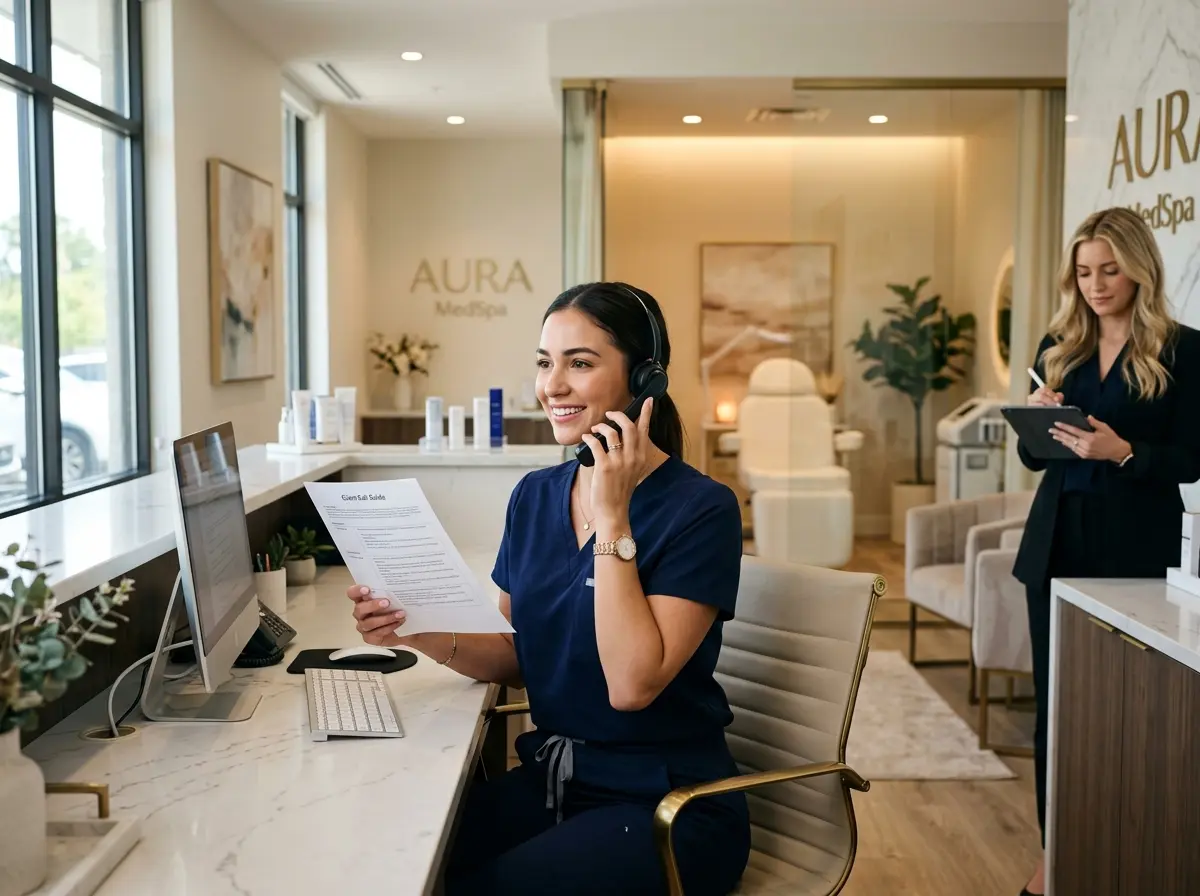
One of the often-overlooked aspects of a strong Yelp strategy is what happens after a customer decides to visit based on your profile. If their first interaction with your restaurant is a missed call, a long hold, or a staff member too busy to answer basic questions, you're already playing from behind. This is where Stella — an AI robot employee and phone receptionist — can quietly make a real difference.
Stella answers your phone calls 24/7, handles questions about hours, menu offerings, specials, and policies, and can even forward calls to your team when needed. For restaurants with a physical location, she also operates as an in-store kiosk, greeting walk-in customers, promoting current deals, and reducing the constant stream of interruptions your staff faces during a rush. At $99/month with no upfront hardware costs, it's the kind of operational support that quietly keeps your reputation intact — because every smooth interaction is one less reason for a frustrated customer to air their grievances online.
Mastering the Review Game (Without Losing Your Mind)
How and When to Ask for Reviews
The restaurants winning on Yelp aren't necessarily the ones with the best food — they're the ones with the most consistent stream of genuine, positive reviews. The key word there is consistent. A burst of five-star reviews followed by six months of silence looks suspicious and doesn't do much for your long-term ranking.
The best time to ask for a review is at the peak of a positive experience. Train your servers to mention it naturally at the end of a great interaction — not in a desperate, clipboard-waving sort of way, but genuinely. Something as simple as, "We're so glad you enjoyed it — if you have a moment, we'd love a Yelp review." Table cards, receipts, and follow-up emails for reservation guests are also effective touchpoints. Just note that Yelp explicitly discourages incentivizing reviews, so keep it organic.
Responding to Reviews — Both Good and Bad
How you respond to reviews tells potential customers far more about your restaurant than the review itself. A gracious, specific response to a five-star review shows personality and appreciation. A calm, professional response to a negative review shows maturity and a genuine commitment to quality — and it can literally change the way a stranger perceives a critical comment.
For negative reviews, resist the urge to respond immediately if you're feeling defensive. Give yourself a few hours, draft your response, and focus on three things: acknowledging the experience, taking accountability where warranted, and offering a path to resolution. Never argue. Never get sarcastic (save that for blog posts, apparently). And never accuse the reviewer of lying, even if everything in you wants to. The internet has a long memory and potential customers are reading every word.
Spotting Patterns and Using Feedback to Improve
Here's a perspective shift that might sting a little: negative Yelp reviews are free market research. If three separate reviewers in the past month have mentioned slow service on Friday nights, that is actionable data — not just internet noise. Make a habit of reviewing your feedback monthly, looking for recurring themes rather than individual complaints. Are people consistently raving about a specific dish? Feature it more prominently. Are multiple guests mentioning that the music is too loud? Maybe it is.
This kind of honest, data-informed reflection is what separates restaurants that grow from restaurants that stagnate while blaming their customers. Use the information. It's being handed to you for free.
A Quick Reminder About Stella
Stella is an AI robot employee and phone receptionist built for businesses of all kinds — including restaurants that are tired of missed calls, overwhelmed staff, and inconsistent customer experiences. She handles phones around the clock, greets in-store customers proactively, promotes your specials, and keeps operations running smoothly whether or not your best employee showed up that day. At $99/month, she's one of the more practical investments a restaurant owner can make in a consistently professional front-of-house presence.
Your Yelp Strategy Starts Today — Not After the Next Bad Review
The biggest mistake restaurant owners make with Yelp is treating it reactively — only paying attention when something goes wrong. A proactive strategy means your profile is always optimized, your response cadence is consistent, your team is gently encouraging genuine reviews, and you're actually using the feedback you receive to make measurable improvements.
Here's where to start this week:
- Claim and audit your Yelp profile — verify every detail is accurate and your photos are current.
- Set up a review response routine — commit to responding to every review, positive or negative, within 48 hours.
- Brief your team on how and when to naturally invite satisfied customers to leave a review.
- Review your last 20 reviews for patterns — write down the top three recurring compliments and the top three recurring concerns.
- Explore Yelp's free business tools — enable Deals, fill out the Q&A section, and make sure your attributes are fully completed.
Yelp can feel like a thorn in your side or it can feel like a competitive advantage. The difference, almost entirely, comes down to how intentionally you manage it. Start treating it like the marketing channel it is — and watch what happens.