A Picture Is Worth a Thousand Words — And Probably a Few Thousand Dollars
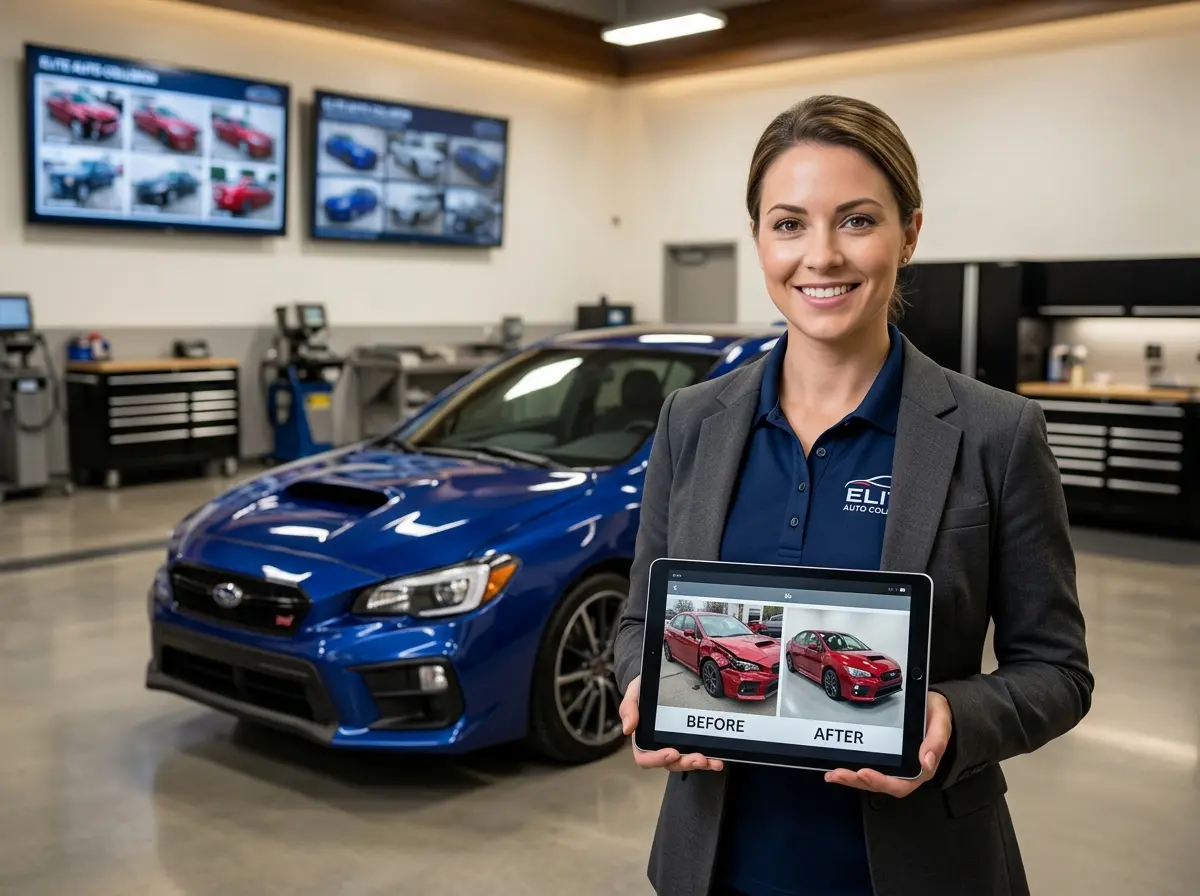
Let's be honest: most people have absolutely no idea what goes into fixing a car. They hand over their keys, wince at the estimate, and hope for the best. What they do understand, however, is the difference between a crumpled fender and a gleaming, perfectly smooth one. That's where before-and-after photos come in — and if your auto body shop isn't using them strategically, you're leaving serious money on the table.
Before-and-after photos are one of the most powerful marketing tools available to auto body shops, and yet most shops treat them as an afterthought — a quick snap on a phone that disappears into a camera roll never to be seen again. The shops that do use them well? They build trust, generate leads, and turn one-time customers into loyal advocates who send their friends and family rolling through the door.
This post is going to show you exactly how to turn your repair work into a visual marketing engine that wins more business — without requiring a photography degree or a massive marketing budget.
Building a Before-and-After Photo Strategy That Actually Works
Capturing the Right Shots (and Not Ruining Them)
The difference between a compelling before-and-after photo and a forgettable one usually comes down to consistency and lighting — two things that cost nothing but a little attention. Before you snap anything, establish a dedicated spot in your shop with good natural or overhead lighting where every vehicle gets photographed upon arrival and again after completion. Same angle, same location, same lighting. This makes the transformation undeniable rather than ambiguous.
For the "before" shot, get up close to the damage. Don't be shy about showing dents, rust, scratches, and collision damage in all their ugly glory. Customers need to see the before clearly to appreciate the after. For the finished shot, clean the vehicle first — a shiny, freshly detailed result alongside a grimly damaged before photo is visual storytelling at its finest.
Consider capturing multiple angles: a wide shot showing the full vehicle, a mid-range showing the damaged panel, and a close-up of the specific repair. This trio of shots gives you flexibility for different platforms and tells a more complete story. And yes, get customer permission — a simple release form (or even a verbal agreement) protects you and keeps everything above board.
Where to Use Your Photos for Maximum Impact
Once you have great photos, the question becomes: where do you put them? The answer is everywhere that makes sense. Your Google Business Profile is a fantastic starting point — shops that regularly post photos to their Google listing consistently see higher engagement and more direction requests. According to Google, businesses with photos receive 42% more requests for directions and 35% more website clicks than those without. That alone should motivate you to start photographing every single job.
Instagram and Facebook are your visual best friends. Before-and-after content performs exceptionally well on both platforms because it's inherently satisfying to scroll through — humans are wired to appreciate transformation. Post consistently, use local hashtags, tag your city, and write captions that explain what was done without going so deep into technical jargon that you lose your audience. "Repaired quarter panel and color-matched paint after a collision" is enough. Your followers don't need a dissertation on metalworking.
Don't overlook your own website. A dedicated gallery page with categorized repairs (collision damage, rust repair, paint correction, bumper repairs, etc.) serves double duty: it shows off your skills and helps with local SEO because search engines love fresh, relevant content.
Turning Photos into Customer Reviews and Referrals
Here's a move that many shops miss entirely: when you send a customer their finished vehicle photos — which you should absolutely do as a courtesy — include a gentle nudge to leave a Google review. Something as simple as, "We're really proud of how your car turned out! If you're happy with the results, a quick Google review would mean the world to us and help other drivers find us." People who receive their before-and-after photos are already in a positive emotional state. Strike while the iron is hot.
You can also encourage customers to share their own photos on social media and tag your shop. User-generated content is word-of-mouth for the digital age, and it carries enormous credibility because it's coming from a real customer rather than the business itself.
How Technology Can Help You Stay Consistent
Keeping Up With Customers While You're Elbow-Deep in Repairs
Running an auto body shop means your hands — and your attention — are rarely free. Calls come in while you're mid-repair, customers walk in with questions while your staff is busy, and follow-ups fall through the cracks because nobody has time to chase them down. This is exactly the kind of operational chaos that Stella, the AI robot employee and phone receptionist, is built to handle.
Stella can greet walk-in customers at your front desk as a physical kiosk, answer their questions about your services, and even promote your current specials — all while your team stays focused on the vehicles. On the phone side, she answers calls 24/7, handles common inquiries about hours, pricing, and repair timelines, and can collect customer information through conversational intake forms so nothing gets lost. At just $99/month with no upfront hardware costs, she's a genuinely practical addition for any shop that's tired of missing calls and losing leads.
Crafting Compelling Captions and Content Around Your Photos
Writing Captions That Convert Scrollers Into Customers
A great photo with a lazy caption is a missed opportunity. Your captions should do a few things: briefly describe the damage and repair, convey your shop's expertise and pride in the work, and include a soft call to action. You don't need to write a novel — two to four sentences is plenty for most social media posts.
Here's a simple formula that works well: Start with the situation ("This SUV came in after a rear-end collision with significant bumper and trunk damage"), describe the solution ("Our team replaced the bumper assembly, pulled the trunk lid, and did a full color-match respray"), and end with the invitation ("If your vehicle needs collision repair, give us a call or stop by — we'd love to help you out"). This structure works across Instagram, Facebook, and even your Google Business Profile updates.
Occasionally, you can add a bit of personality. Before-and-after posts with a hint of humor — "She came in looking like she lost a fight with a parking garage (the garage won). She's leaving looking like new." — tend to get significantly more engagement than dry, clinical descriptions. Know your audience, keep it tasteful, and don't be afraid to show some personality.
Creating a Content Calendar So It Actually Happens
The biggest reason auto body shops don't post consistently isn't lack of material — it's lack of a system. Commit to a realistic posting schedule: even two or three posts per week of before-and-after content will build a compelling portfolio over time. Assign one person on your team to be responsible for capturing photos on every job and another to handle posting, or batch your content creation on a slow day and schedule posts in advance using free tools like Meta Business Suite.
Over time, your social media feed becomes a living portfolio that prospective customers can scroll through before they ever pick up the phone. And when they see page after page of stunning transformations from shops in their area? That's when they stop shopping around and call you.
Using Customer Stories to Add Emotional Weight
Numbers and repairs are compelling, but stories are what people remember. When a customer has a particularly meaningful vehicle — a classic car they've owned for decades, a family minivan they depend on daily, or a truck they use for their small business — ask if they'd be willing to share a few words about their experience. A brief customer testimonial paired with a dramatic before-and-after photo is some of the most persuasive content you can publish. It's not just "look what we fixed," it's "look how we helped someone." That distinction matters more than most shop owners realize.
A Quick Reminder About Stella
Stella is an AI robot employee and phone receptionist designed to help businesses like yours run smoother without adding headcount. She greets customers in person, answers calls around the clock, and handles routine inquiries so your team can focus on the work that actually generates revenue. At $99/month with no upfront costs and easy setup, she's one of those tools that pays for itself quickly — especially if your shop is regularly missing calls during busy hours or after closing time.
Start Snapping — Your Next Customer Is Waiting to Be Impressed
Before-and-after photos are not a nice-to-have for auto body shops — they're a competitive necessity. Every repair your team completes is a marketing opportunity, and right now, most of those opportunities are walking out of your shop undocumented and unshared. That's a fixable problem, and it doesn't require a big budget or a marketing agency to solve.
Here's your action plan to get started:
- Set up a dedicated photo station in your shop with consistent lighting and a marked floor position so every vehicle gets photographed from the same spot.
- Make photo capture part of your intake process — before any work begins, photos get taken. No exceptions.
- Create or update your social media profiles on Google, Instagram, and Facebook if you haven't already, and commit to posting before-and-after content at least twice a week.
- Train one team member to own the photo and posting process so it doesn't fall through the cracks.
- Build a review request into your delivery process — send customers their photos and ask for a Google review in the same message.
The shops that do this consistently don't just win more business — they build a reputation that makes competing on price irrelevant. Your work speaks for itself. It's time to make sure everyone can hear it.