From Apron to Empire: The Personal Chef's Journey to Catering Glory
So, you've mastered the art of preparing a flawless five-course dinner for twelve, your clients rave about your duck confit, and your soufflés have never once collapsed in shame. Congratulations — you're officially too good at your job. Now everyone wants a piece of you, and by "everyone," we mean corporate clients, wedding planners, and that one guy who wants you to cater his kid's birthday party for 200 people. Welcome to the crossroads every successful personal chef eventually faces: stay small and sane, or scale up and build something bigger.
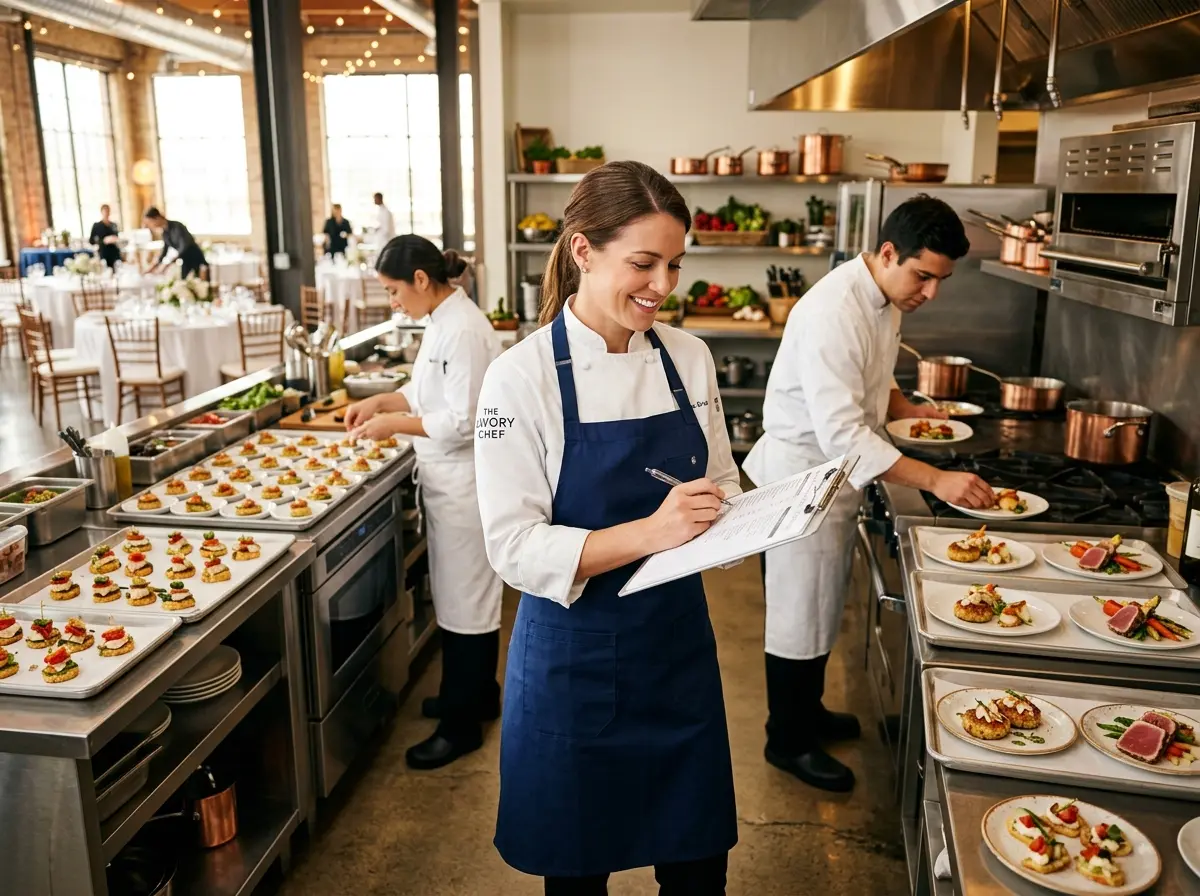
The leap from solo personal chef to full catering operation is one of the most exciting — and terrifying — transitions in the food industry. It's not just about cooking more food. It's about building systems, hiring staff, managing logistics, and somehow keeping the quality that made you famous in the first place. The good news? Plenty of chefs have done it successfully. The better news? You don't have to figure it out entirely on your own.
This guide walks you through the strategic, operational, and practical steps to scale your personal chef business into a thriving catering operation — without losing your mind or your signature recipes along the way.
Building the Foundation Before You Scale
Here's a truth most scaling guides conveniently skip: if your solo operation isn't running smoothly, scaling it will simply create bigger, more expensive chaos. Before you hire a single prep cook or invest in a commercial kitchen lease, you need to make sure your foundation is solid enough to hold the weight of a larger operation.
Systemizing Your Processes
Everything you currently do intuitively needs to be written down. Your recipes need to be standardized with exact measurements and plating instructions. Your client intake process — how you quote, confirm, and communicate — needs to be a repeatable workflow, not a series of text messages you improvise on the fly. Your shopping and prep timelines need to be documented so that someone else could theoretically execute them without you hovering.
This isn't glamorous work. But chefs who skip this step tend to find themselves doing everything themselves forever, because they never created a system that someone else could follow. Think of it as writing the instruction manual for your own business — one that frees you to focus on growth instead of constantly firefighting.
Understanding Your Numbers
Before you can quote a catering event for 150 people, you need to know exactly what it costs you to feed one person profitably. That means tracking food costs as a percentage of revenue (industry standard is typically 28–35%), factoring in labor, transportation, equipment rental, and the very real cost of your own time. Many personal chefs dramatically undercharge because they're thinking like a cook instead of a business owner.
Invest time in building a proper pricing model. Tools like spreadsheet templates or catering-specific software can help you calculate per-head costs quickly. Once you know your numbers cold, scaling becomes much less financially risky — because you'll know exactly when a contract makes sense and when to politely walk away.
Choosing Your Niche Within Catering
Not all catering is created equal, and trying to do everything is a recipe (pun fully intended) for burnout. Corporate lunch catering operates very differently from wedding receptions, which are nothing like high-end private dinner parties or festival food vendors. Each niche has different margin profiles, logistics requirements, and client expectations. The chefs who scale most successfully tend to pick one or two niches and dominate them before diversifying. Figure out where your current clients, skills, and market position naturally point — and build your catering identity around that.
Streamlining Client Communication and Operations
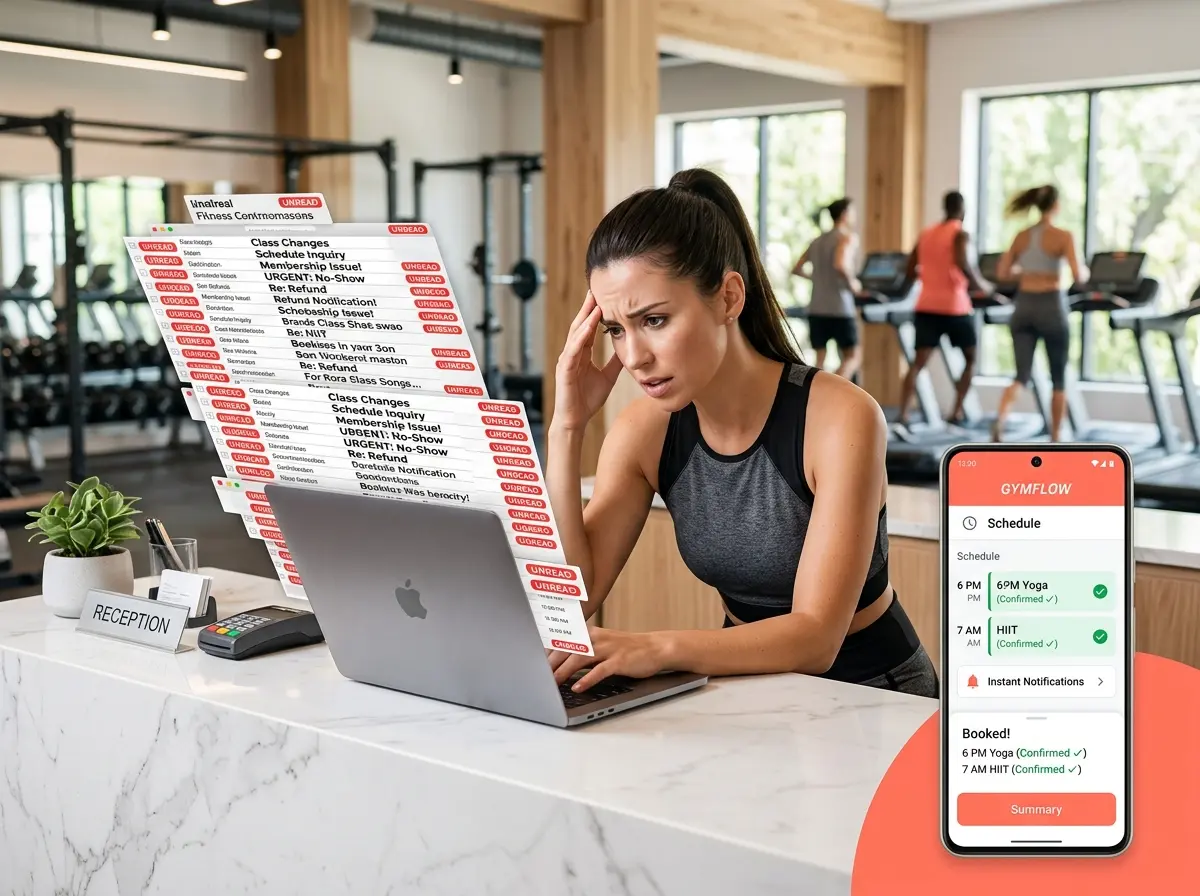
As your business grows, one of the first things that breaks down is communication. Suddenly you're getting inquiry calls while you're elbow-deep in a prep session, missing voicemails from potential clients, and spending half your administrative time answering the same questions about your menu, availability, and pricing. This is where smart tools make a real difference.
Letting Technology Handle the Front Desk
Stella, the AI robot employee and phone receptionist, is worth knowing about here. For a catering business that's growing, Stella answers your phone calls 24/7, handles common inquiries about your services, pricing, and availability, and collects client information through conversational intake forms — so no lead falls through the cracks while you're managing an event. If you eventually open a commercial kitchen showroom or event space, she works as an in-person kiosk too, greeting visitors and promoting your offerings. At $99/month, it's a professional front-of-house presence that doesn't take breaks, doesn't quit, and never puts a potential client on hold indefinitely.
Stella's built-in CRM lets you manage client contacts with custom fields, tags, notes, and AI-generated profiles — keeping your growing client list organized as you scale. That kind of infrastructure matters more than most chefs expect when the inquiries start coming in fast.
Hiring, Training, and Managing a Catering Team
At some point, scaling means hiring people. This is where many talented solo operators hit a wall — not because they can't find workers, but because they've never managed a team before and underestimate how much structure it requires. The transition from "it's just me" to "I run a team" is genuinely one of the harder shifts in small business ownership.
Hiring Smart From the Start
Resist the urge to hire a full-time staff roster the moment you land a big contract. Start with reliable part-time or event-by-event staff that you can test in low-stakes environments before trusting them at a high-profile wedding or corporate gala. Look for people with strong foundational skills who align with your standards — you can teach techniques, but you can't easily teach attention to detail or professionalism under pressure.
When you do bring people on more permanently, invest in proper onboarding. Walk them through your standardized recipes, plating expectations, food safety protocols, and client interaction standards. The businesses that scale successfully in food service are almost always the ones with excellent internal training — the ones that struggle are usually the ones where "training" means watching the owner do it once and hoping for the best.
Building an Operations Calendar
As events stack up, logistics become a serious operational challenge. A shared operations calendar that tracks event commitments, prep days, delivery schedules, equipment needs, and staff assignments is non-negotiable once you're running multiple events per week. Tools like Google Calendar, Trello, or catering-specific platforms like Total Party Planner or Caterease can help you keep the moving pieces from colliding. The goal is to be able to look at any given week and immediately understand what resources are committed where — without having to hold it all in your head.
Delegating Without Losing Quality Control
This is the part that keeps perfectionistic chefs up at night, and honestly, the concern is valid. Your reputation was built on your personal standards, and handing any part of that to someone else feels like handing them something fragile. The solution isn't to never delegate — it's to build quality checkpoints into your workflow. Pre-event tastings, plating spot checks, and clear feedback loops with your team allow you to maintain standards without executing every single task yourself. Over time, as you develop trust with your team, those checkpoints become less intensive. But in the early stages, build them in deliberately.
Quick Reminder About Stella
Stella is an AI robot employee and phone receptionist designed to help businesses like yours handle customer communication professionally and consistently. She answers calls around the clock, manages client intake, and can greet visitors at a physical location — all for $99/month with no upfront hardware costs. As your catering operation grows, she's the kind of infrastructure that keeps your front end running smoothly even when you're deep in event execution.
Your Next Steps Toward a Thriving Catering Operation
Scaling from personal chef to catering operation isn't a single decision — it's a series of intentional ones, made in the right order. The chefs who make this transition successfully share a few common traits: they build systems before they need them, they know their numbers, they hire carefully, they invest in communication infrastructure, and they're willing to let go of doing everything themselves.
Here's a practical starting checklist to move forward:
- Standardize your top 15–20 recipes with exact measurements, prep times, and plating notes.
- Build a proper pricing model that accounts for food cost, labor, transport, and overhead — not just ingredients.
- Choose your primary catering niche and begin marketing specifically to that audience.
- Set up a client management system so inquiries, contracts, and communications are tracked in one place.
- Hire your first part-time event staff member and run them through a real onboarding process.
- Implement a shared operations calendar and get comfortable planning at least 4–6 weeks out.
- Automate your front-end communications so you're not missing inquiries during events or prep days.
The transition won't be perfectly linear, and there will absolutely be a moment — probably during your third simultaneous event booking — where you question every life choice that led you here. That's normal. Push through it. The personal chefs who build lasting catering businesses aren't the ones who never struggled; they're the ones who built systems sturdy enough to handle the struggle gracefully.
Your food is already exceptional. Now it's time to build the business that's worthy of it.