Let's Talk About the Omnichannel Elephant in the Room
Ah, "omnichannel." The retail buzzword that just won't quit. Your customers have heard it, and now they expect it. They want to browse on their phone while binge-watching a show, click "buy" during a commercial, and have their goodies in hand approximately 15 minutes later. Simple, right? Except now you're the one left staring at your stockroom, your POS system, and your already-stretched staff, trying to figure out how to make this logistical ballet happen without losing your mind.
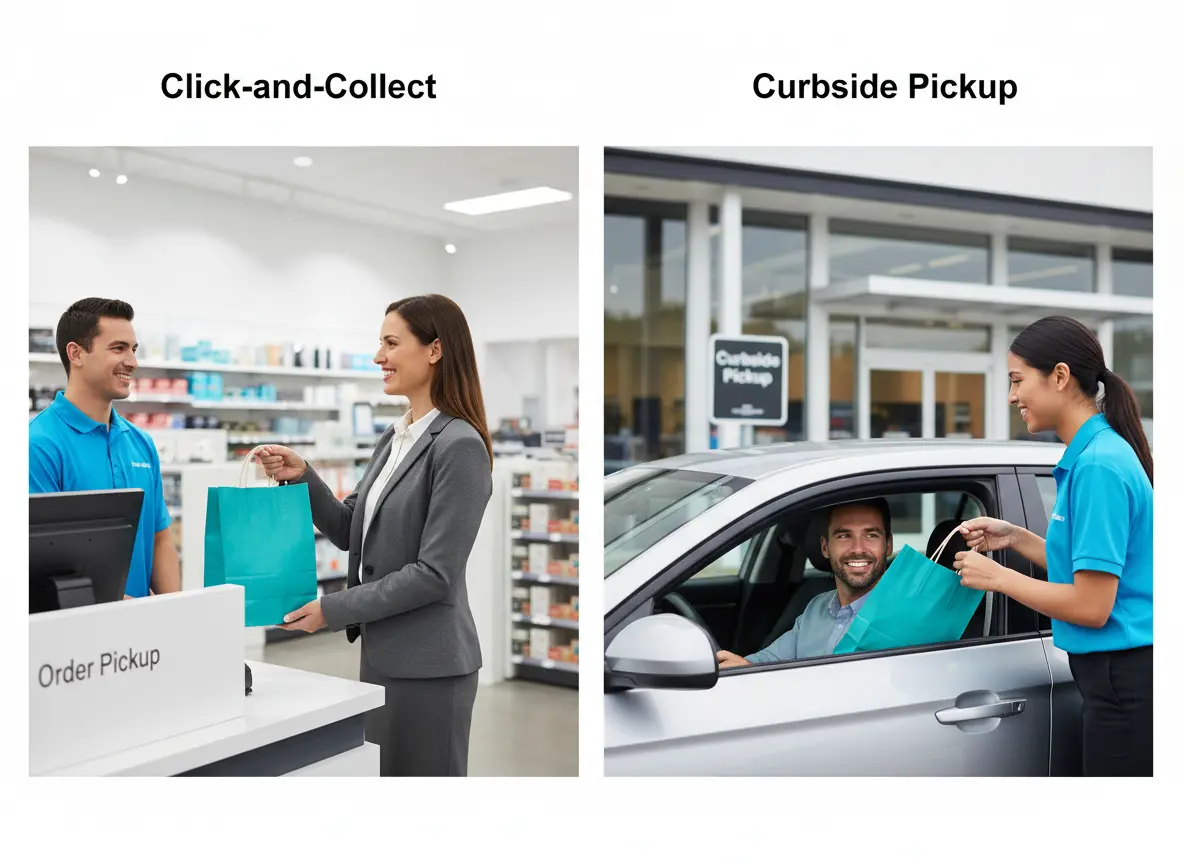
Two of the biggest stars in this convenience-driven show are Click-and-Collect (also known by its less-catchy stage name, BOPIS - Buy Online, Pick-up In-Store) and Curbside Pickup. They sound similar, but choosing the right one for your store—or implementing it poorly—is the difference between a standing ovation of repeat customers and a tragic comedy of errors starring lost orders and grumpy patrons. So, let's pull back the curtain and figure out which pickup strategy deserves to be in your store's spotlight.
Decoding the Options: It's More Than Just a Parking Spot
Before you start buying traffic cones and printing signs, let's be crystal clear on what we're talking about. These two services cater to different needs and create vastly different operational workflows. Underestimate their differences at your own peril.
The Classic: Click-and-Collect (BOPIS)
This is the original. The trailblazer. Customers place an order online and then—prepare for a shock—actually walk into your store to retrieve it from a designated counter, locker, or friendly staff member. The primary goal here is to merge the ease of online shopping with the immediacy of physical retail.
The Wins:
- The Upsell Engine: This is the golden ticket. Getting a customer through your doors is half the battle. Once they're inside to grab their order, they're surrounded by all the other wonderful things you sell. According to the International Council of Shopping Centers, nearly 70% of BOPIS shoppers make an additional purchase. That's not a rounding error; that's a serious revenue stream.
- Simpler Logistics (Relatively): You don't have to worry about the weather, identifying the correct silver sedan in a sea of silver sedans, or sending an employee on a scavenger hunt in the parking lot. The customer comes to a fixed point. It's predictable.
- A Human Connection: It’s a chance to smile, say hello, and remind them that there are real, helpful people behind your brand. This brief interaction can be surprisingly powerful for building loyalty.
The Woes:
- The Space Hog: You need a clearly marked, easily accessible pickup point. If it's shoved in a dark corner in the back, the "convenience" factor evaporates. This can be a challenge for smaller boutiques where every square foot is precious real estate.
- The Congestion Problem: A successful BOPIS program means more foot traffic. That's great, unless it creates a massive line that infuriates both your pickup customers and your regular browsing shoppers.
The Convenience King: Curbside Pickup
The undisputed champion of the pandemic era, curbside pickup is the ultimate low-friction experience. Customers order online, drive to your store, park in a designated spot, and notify you of their arrival (via app, text, or a hopeful honk). An employee then becomes a retail-delivery-angel, bringing the order directly to their car. It's the "I don't even have to put on real pants" of shopping.
The Wins:
- Maximum Convenience: For parents with sleeping kids in the car, shoppers with mobility issues, or anyone on a tight schedule, curbside is a game-changer. You're not just selling a product; you're selling them back time and eliminating hassle.
- Safety & Comfort: The appeal of staying in one's own personal bubble is still very real for many consumers. It’s a safe, private, and efficient way to shop.
- Less In-Store Chaos: By moving the final transaction outside, you can reduce crowding and long lines within the store, allowing your in-store staff to focus on the customers who are there to browse.
The Woes:
- The Logistical Labyrinth: This is where things get tricky. You need a rock-solid system for notifications. What happens when two customers in identical cars arrive at the same time? What's your plan for torrential rain or a snowstorm? It requires impeccable coordination.
- The Upsell Void: The transaction ends at the car window. There is virtually zero chance for that profitable impulse buy. You've fulfilled the order, but you've lost the opportunity to surprise and delight them with anything else.
- The Staffing Shuffle: You need a designated "runner" (or a team that can flex into the role). Pulling an employee off the sales floor to run an order out to the parking lot can leave you short-handed inside, right when you need them most.
The Unsung Hero: Managing the In-Store Experience
Here’s a detail that often gets lost in the shuffle: no matter which pickup option you choose, your regular, walk-in customers can't become collateral damage. When your team is heads-down packing online orders or sprinting through the parking lot, who's greeting the person who just walked in, ready to spend money? Who's helping them find what they need?
Don't Let Pickup Chaos Ruin the Vibe
This is where smart automation can be your secret weapon. While your human staff manages the complex fulfillment dance, you need a reliable presence at the front of the store. An AI-powered retail assistant like Stella is designed for exactly this scenario. She stands near the entrance, greeting every single shopper so no one feels ignored. Is your team in the backroom looking for a BOPIS order? Stella can answer common questions about store hours, return policies, or product locations, freeing up your team to focus on their immediate tasks. She can even promote your latest deals, ensuring that your valuable in-store browsers are still getting a rich, engaging experience, not the leftovers of your staff's attention.
Making the Call: A Practical Guide for Your Store
Okay, theory time is over. How do you actually decide? It comes down to a brutally honest assessment of your reality—your space, your staff, and your customers. Don't choose an option based on what the big-box store down the street is doing; choose what works for you.
Your Store's Physical Layout and Location
First, look around. Do you have a dedicated parking lot? If not, curbside is probably a non-starter. A downtown shop on a pedestrian-heavy street is a natural fit for Click-and-Collect. A suburban store with a sprawling parking lot is prime real estate for curbside. Inside, do you have a logical, low-traffic spot near the front for a pickup counter that won't create a bottleneck? If the only available space is next to the fitting rooms, you might be creating more problems than you solve.
Your Customer and Product Type
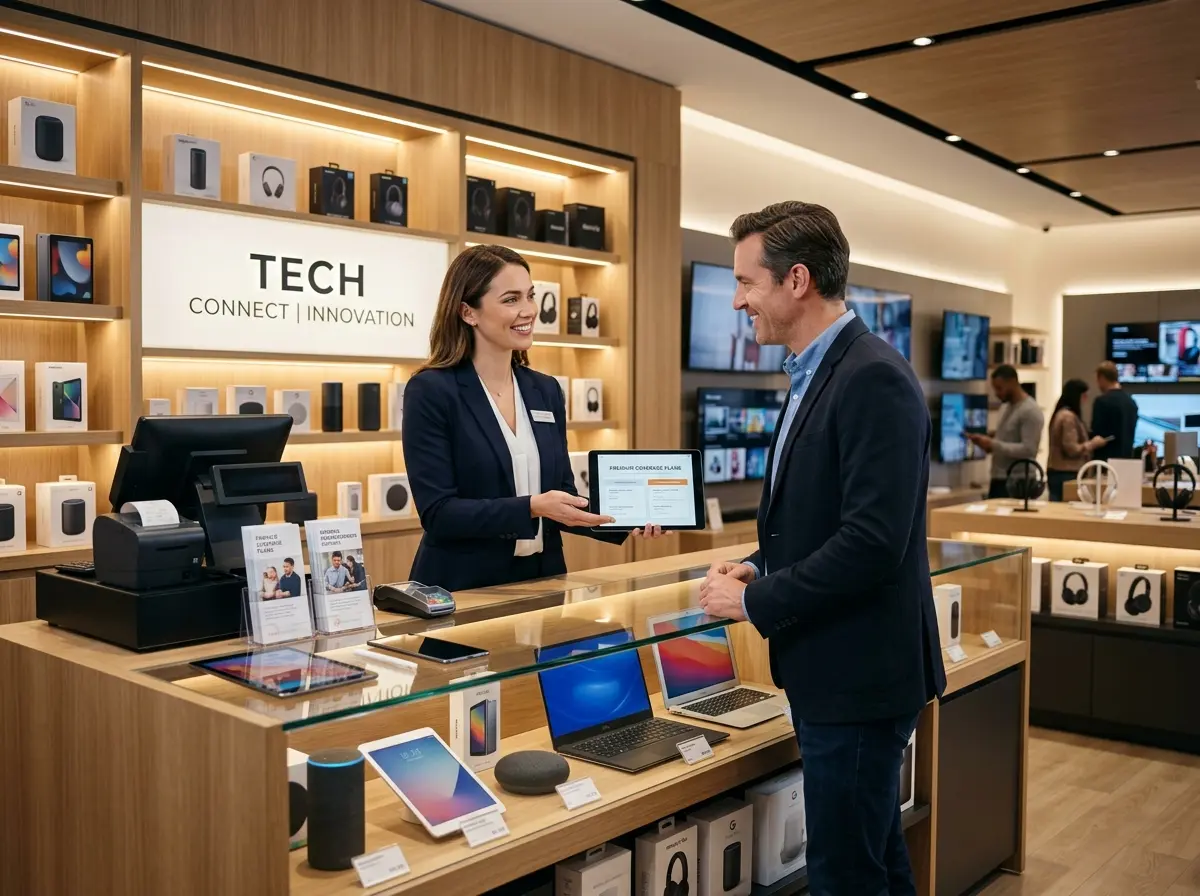
Who do you serve? If your target demographic is young, urban professionals, a quick in-and-out BOPIS experience on their way home from work might be perfect. If you sell primarily to busy suburban families, the ability to get their order without unbuckling a single car seat makes curbside an incredible loyalty-builder. And what are you selling? Heavy, bulky items like pet food or home goods are ideal for curbside. High-end apparel or electronics, where a customer might want a final look or a quick question answered, benefit from the in-person touchpoint of BOPIS.
The Hybrid Approach: Why Not Both? (Proceed with Caution)
Offering both options is the ultimate customer-centric approach, but don't dive into the deep end without learning to swim first. The operational complexity of running two separate fulfillment flows simultaneously is significant. Our advice? Start with one. Choose the one that best fits your current resources and customer base. Nail the process. Perfect the workflow. Get your team comfortable. Once it's running like a well-oiled machine, then you can explore adding the second option. Trying to launch both at once is a bold strategy, best reserved for those with a dedicated operations team and a genuine love for controlled chaos.
A Quick Reminder About Stella
While you're mapping out parking spots and redesigning your checkout counter, don't forget about your front door. Stella can be your store's tireless brand ambassador, ensuring a consistent, friendly welcome for every customer, whether they're there to browse for hours or just pick up an order. She keeps your sales floor alive and engaging, even when your team is focused on omnichannel fulfillment.
Conclusion: Choose Your Own Adventure
At the end of the day, there's no single right answer. Click-and-Collect is a powerful tool for driving in-store traffic and boosting sales through impulse buys. Curbside Pickup is an unparalleled convenience that can build fierce loyalty. The best choice is the one that aligns with your store’s unique identity, capabilities, and, most importantly, your customers' needs.
So, what's next? Here are your action steps:
- Audit Your Reality: Grab a notepad and take an honest walk through your store and parking lot. What is physically possible? Be realistic about your staffing levels and their current workload.
- Ask Your Customers: Don't guess what they want—ask them! A simple email survey, a poll on social media, or just casual conversations in the store can provide a mountain of valuable data.
- Start Small, Think Big: Pick one model and pilot it. Test the technology, train your staff, and gather feedback. Perfect the process on a small scale before you announce it to the world.
The goal isn't just to check a box and say you "do omnichannel." It's to implement a seamless, reliable service that makes your customers' lives easier. Do that, and you won't just be fulfilling orders; you'll be building a modern, resilient business that's ready for whatever comes next.