Your Leads Are Going Cold — And You're Letting It Happen
Here's a fun little business fact nobody likes to admit: most leads don't convert because nobody followed up fast enough. Not because your product wasn't good enough. Not because your price was too high. Because you were busy, distracted, understaffed, or simply human — and by the time you got around to following up, your potential customer had already signed a contract with your competitor.
Studies show that 78% of customers buy from the first business that responds to their inquiry. Seventy-eight percent. That's not a small edge — that's practically a landslide. And yet, the average business response time to a new lead is somewhere around 47 hours. Two days. In lead years, that's basically a geological epoch.
The good news? Text message follow-ups are one of the fastest, most effective, and most underutilized tools in the small business arsenal. SMS messages have an open rate of around 98%, compared to email's optimistic-at-best 20%. People read their texts. They respond to their texts. And if you do it right, they convert from their texts. This guide is going to show you exactly how to build a text message follow-up strategy that moves leads through your pipeline before they have a chance to forget you exist.
Building a Text Message Follow-Up Strategy That Actually Works
Timing Is Everything — Seriously, Don't Wait
The first rule of text follow-ups is embarrassingly simple: send them fast. Ideally, your initial follow-up text goes out within five minutes of a lead coming in — whether that's a form submission, a phone inquiry, a walk-in visit, or a social media message. Research from MIT found that leads contacted within five minutes are 100 times more likely to convert than those contacted after 30 minutes. One hundred times. That's not a typo.
This doesn't mean you need to be glued to your phone at all hours. It means you need a system. Automation tools allow you to trigger immediate SMS responses the moment a lead enters your pipeline, so that first critical message goes out before you've even had a chance to finish your coffee. The message doesn't need to be elaborate — it just needs to arrive. Something as simple as "Hey [Name], thanks for reaching out to [Business]! We'll be in touch shortly, but feel free to reply here if you have questions." does the job beautifully.
Craft Messages That Sound Human, Not Robotic
There is a special circle of marketing hell reserved for text messages that read like they were written by a 2003 autoresponder. "Dear Valued Customer, your inquiry has been received." No. Stop. Nobody wants that.
Effective follow-up texts are conversational, specific, and personalized. Use the lead's first name. Reference what they inquired about. Keep it short — SMS is not the place for your company manifesto. A well-crafted follow-up text is two to four sentences max, has a clear next step, and reads like a real person typed it with their thumbs. Include a soft call-to-action: book an appointment, reply with a question, click a link, or call you back. Give them one thing to do, not five.
Build a Follow-Up Sequence, Not Just One Message
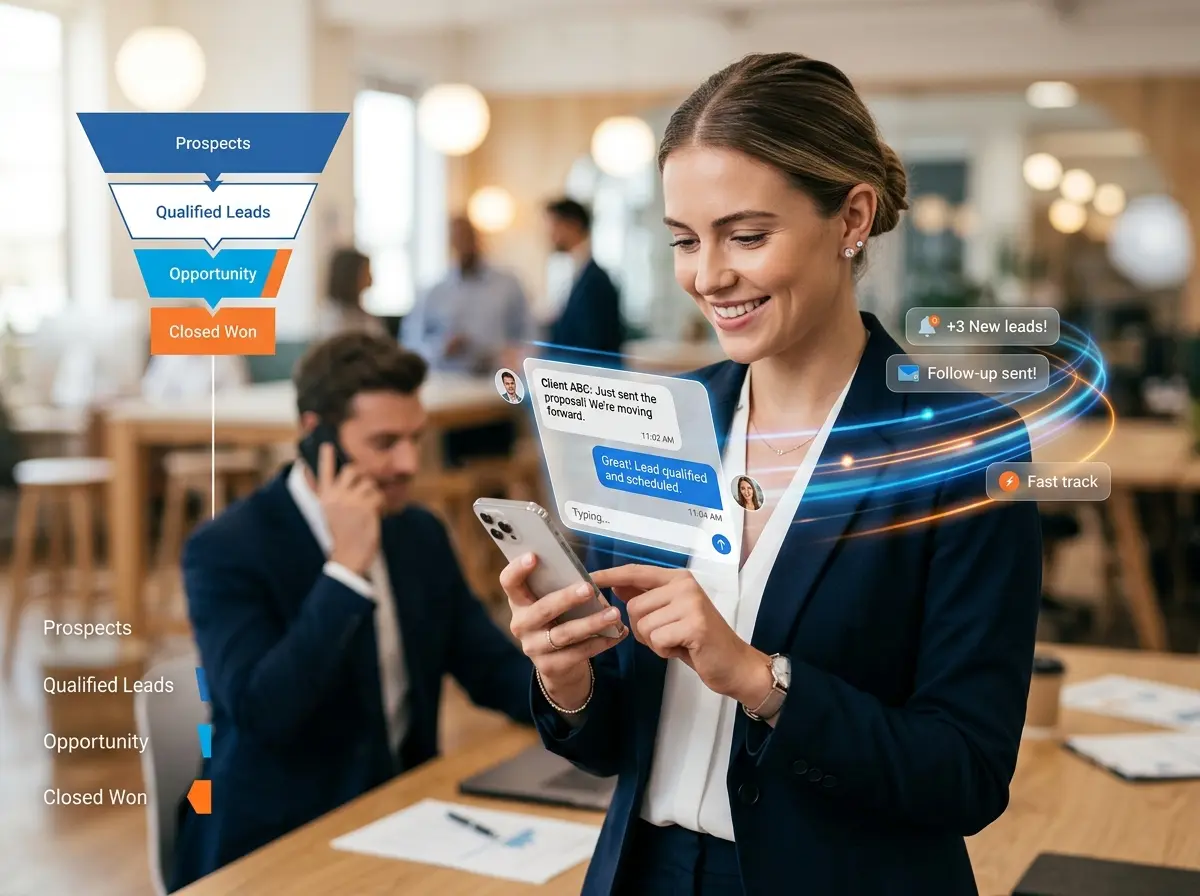
One text is not a strategy — it's a coin flip. A real follow-up sequence nurtures the lead over time without becoming the business equivalent of a stage-five clinger. A solid SMS sequence for most businesses looks something like this:
- Message 1 (Immediately): Acknowledge the inquiry, thank them, set expectations.
- Message 2 (24 hours later): Add value — share a helpful tip, a special offer, or a relevant piece of information about your service.
- Message 3 (3 days later): Light check-in. "Still thinking it over? Happy to answer any questions."
- Message 4 (7 days later): Final nudge with a soft deadline or incentive — a limited-time discount, a scheduling link, or simply a warm close.
After that, move them to a longer-term nurture sequence via email or periodic SMS touches. Not every lead converts immediately, and some of your best future customers are simply not ready yet. Stay visible without being annoying.
Capturing Leads Worth Following Up With in the First Place
How Stella Can Help You Capture and Manage Leads
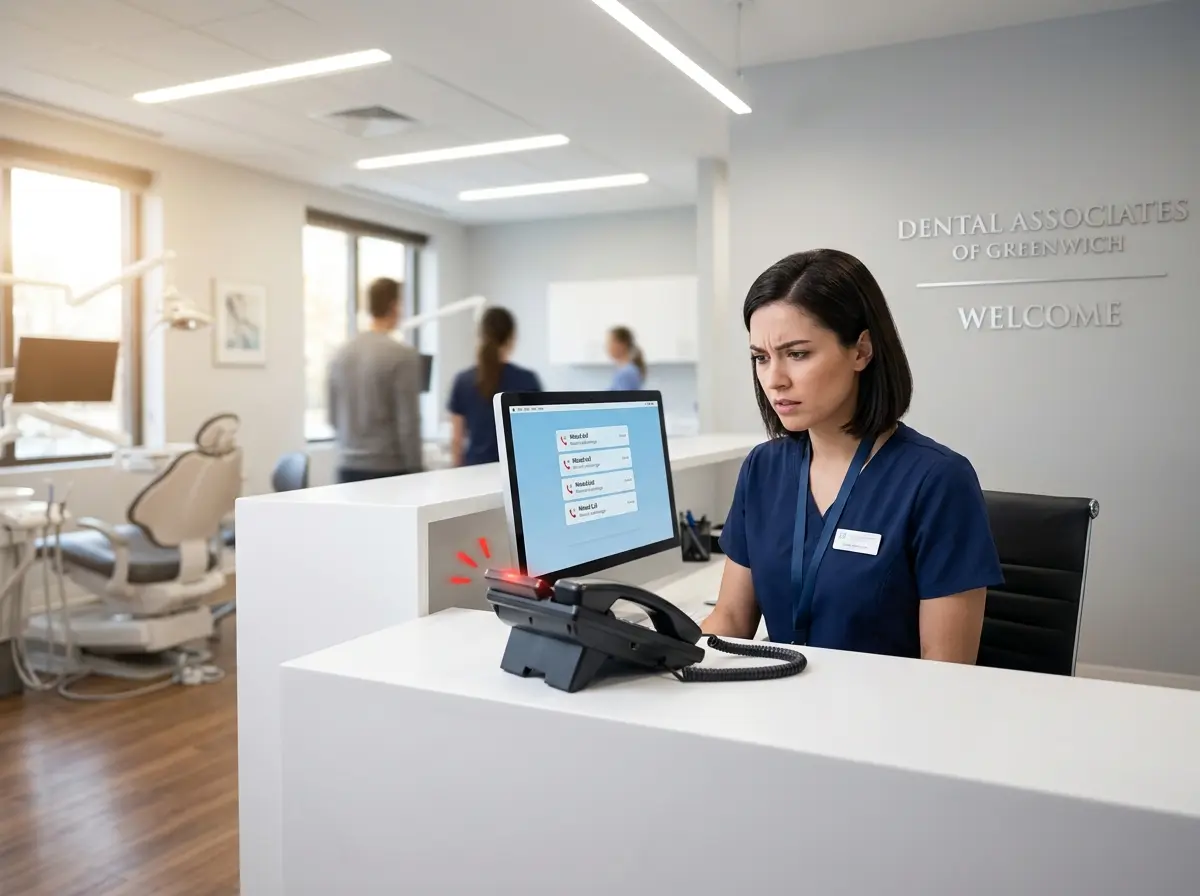
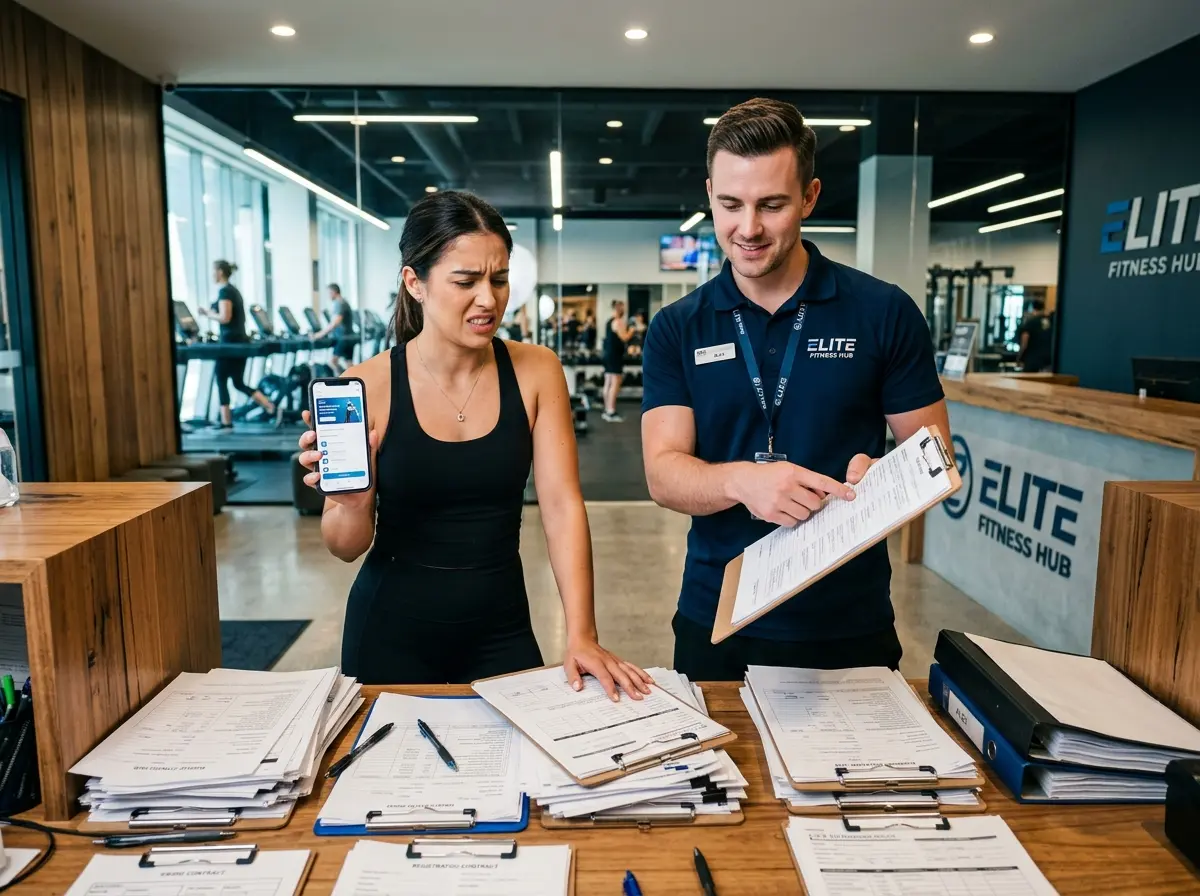
Before you can follow up with a lead, you have to actually capture one — and this is where a lot of businesses silently hemorrhage opportunity. Leads come in at all hours, through multiple channels, and often when your staff is too busy to handle them properly. That's where Stella steps in.
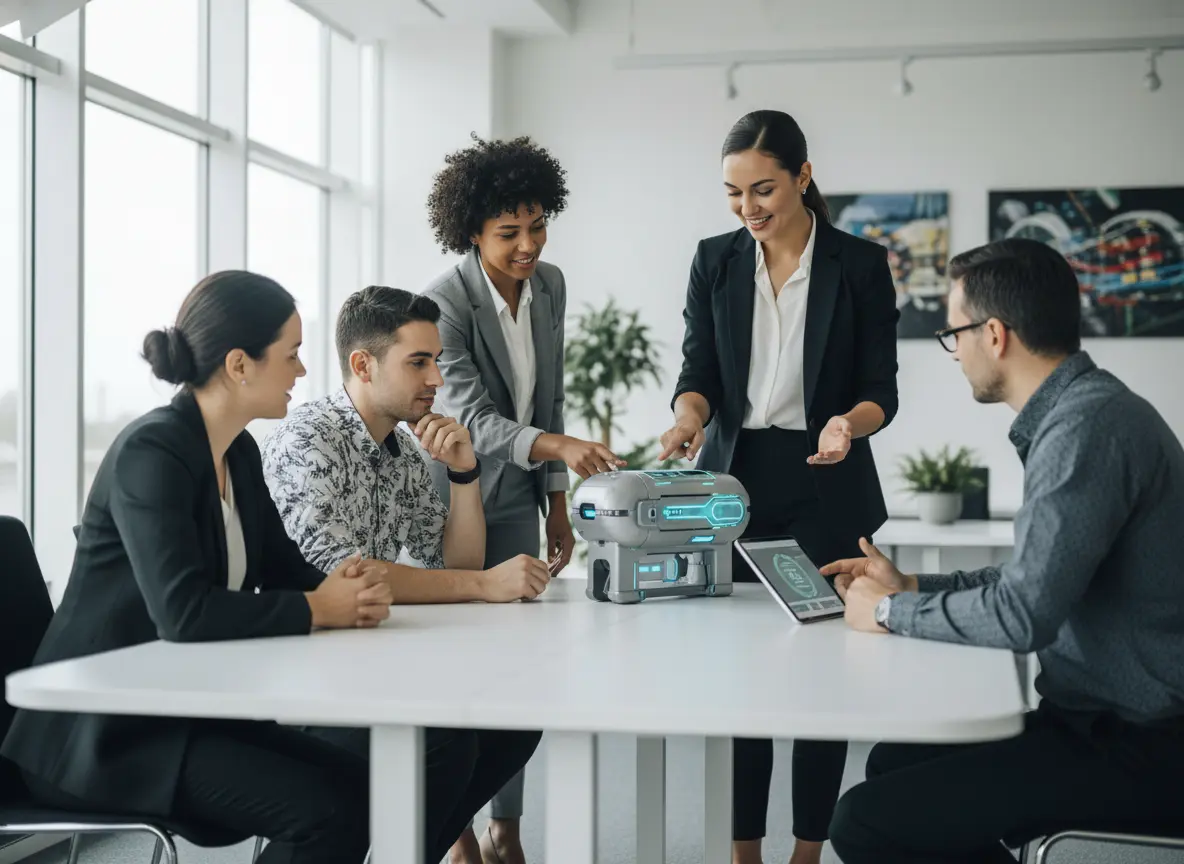
Stella is an AI robot employee and phone receptionist who works around the clock to make sure no lead slips through the cracks. For businesses with a physical location, she greets walk-in customers proactively, answers their questions, and collects their contact information through conversational intake forms right at the kiosk — no awkward clipboard required. For any business, she answers phone calls 24/7, gathers caller details through natural conversation, and feeds everything directly into her built-in CRM. Every contact gets an AI-generated profile with tags, notes, and custom fields, so when it's time to send that first follow-up text, you already have everything you need. No digging through sticky notes or "I think they called Tuesday" moments.
Optimizing Your Texts for Maximum Conversions
Personalization Beyond Just Using Their Name
Basic personalization — using someone's first name — is table stakes at this point. To really stand out, your texts should reference the specific service or product the lead expressed interest in, the channel they came through, or even the timing of their inquiry. "Hey Sarah, saw you were checking out our deep tissue massage packages earlier — we actually just opened a few spots for next week if you'd like to grab one" is infinitely more compelling than a generic "We'd love to help you!"
Segment your leads by interest, location, or stage in the buying process and tailor your messages accordingly. A lead who walked into your store and asked about pricing is in a very different headspace than someone who submitted a contact form at midnight after scrolling your website. Treat them differently, and your conversion rates will thank you.
Use Texts to Drive Specific Actions
Every text in your sequence should have exactly one job. Texts that try to accomplish three things at once accomplish zero things at once. Want them to book an appointment? Give them a direct booking link and nothing else. Want them to call you? Make that the only ask. The more friction you remove from the next step, the more likely the lead is to take it.
Consider using SMS for appointment confirmations and reminders as well — not just initial follow-ups. Businesses that send appointment reminders via text see no-show rates drop by as much as 38%. That's not a follow-up strategy; that's revenue protection.
Know When to Stop Texting
This one is less glamorous but critically important: respect opt-outs immediately and unconditionally. Include a simple opt-out instruction in your initial message ("Reply STOP to opt out") and honor it without delay. Beyond being legally required under TCPA regulations, it's just decent human behavior. Pestering people who don't want to hear from you doesn't convert leads — it creates bad reviews. Keep your list clean, your messages wanted, and your reputation intact.
Quick Reminder About Stella
Stella is an AI robot employee and phone receptionist built for businesses of all types — retail, restaurants, salons, gyms, medical offices, law firms, and more. She works in-store as a friendly kiosk that greets and engages customers, and she answers phone calls 24/7 so no lead ever hits a voicemail and wanders off to Google your competitor. At just $99/month with no upfront hardware costs, she's the always-on, never-complaining team member your follow-up strategy has been waiting for.
Start Converting Leads Before Your Competitors Even Wake Up
Text message follow-ups aren't a secret weapon anymore — but most businesses still aren't using them consistently, strategically, or quickly enough. That gap is your opportunity. By responding within minutes, crafting human-sounding messages, building a multi-touch sequence, and capturing leads properly in the first place, you can dramatically accelerate your conversion rate without dramatically increasing your workload.
Here's your action plan to get started this week:
- Audit your current lead response time. Be honest with yourself. If it's longer than an hour, you have room to improve.
- Write three to four follow-up text templates tailored to your most common lead types. Keep them short, warm, and action-oriented.
- Set up an automation tool (or review what you already have) to trigger that first message within five minutes of a new lead inquiry.
- Review how you're capturing leads — phone calls, walk-ins, web forms — and identify where contacts are falling through the cracks.
- Check your compliance. Make sure your SMS strategy includes opt-out options and that you're not texting anyone who hasn't given consent.
The leads are out there. They're interested, they're searchable, and they're waiting for someone to make the first move. Be the business that shows up in their inbox before they've even finished comparison shopping — and watch your conversion rate tell a much better story.