Your Customers Already Trust You — Why Not Put Them to Work?
Let's be honest: traditional advertising is expensive, increasingly ignored, and about as exciting as reading a terms-of-service agreement. Meanwhile, a friend texting you "you have to check out this place" carries more weight than a thousand banner ads. That's the magic of word-of-mouth — and a well-designed referral program is how you bottle that magic and pour it into a repeatable system.
According to Nielsen, 92% of consumers trust recommendations from people they know over any other form of advertising. Yet most retail businesses either have no referral program at all, or they have one that lives on a dusty flyer near the register that nobody touches. Sound familiar?
The good news is that turning your happy customers into an enthusiastic, self-motivated sales team isn't complicated — it just requires a little strategy, the right incentives, and the infrastructure to actually track and reward it. Here's how to build a referral program that works, without bribing your entire customer base with a free tote bag and hoping for the best.
Building the Foundation of a Referral Program That Actually Works
Start With the Right Customers — Not All of Them
Here's a mistake many business owners make right out of the gate: blasting a referral offer to every single person in their contact list and wondering why the response is lukewarm. Not every customer is equally positioned to refer business your way. Your best referrers are customers who are genuinely enthusiastic, purchase regularly, and already have conversations with people who fit your target demographic.
Think of it this way — a loyal gym member who posts fitness content on social media is worth ten times more as a referral source than someone who bought a single protein shake six months ago. Start by identifying your top 10–20% of customers based on frequency, spend, or engagement. These are the people you personally invite into your referral program first. A soft launch with your inner circle lets you work out the kinks before you scale, and it makes those early participants feel like VIPs — which, frankly, they are.
Make the Incentive Worth Talking About
The incentive is the engine of your referral program, and there's a fine line between "delightfully rewarding" and "cheaply transactional." A $2 discount coupon tells your customer you value their social capital about as much as you value a gas station receipt. On the other hand, you also don't need to give away the store.
The most effective referral rewards tend to follow a double-sided structure — meaning both the referrer and the new customer receive something. This removes the awkwardness of asking a friend to do you a favor with nothing in it for them. For example:
- Spa or salon: Referring customer gets $25 off their next service; new customer gets 20% off their first visit.
- Retail boutique: Referrer earns store credit; new customer gets free shipping or a small gift with purchase.
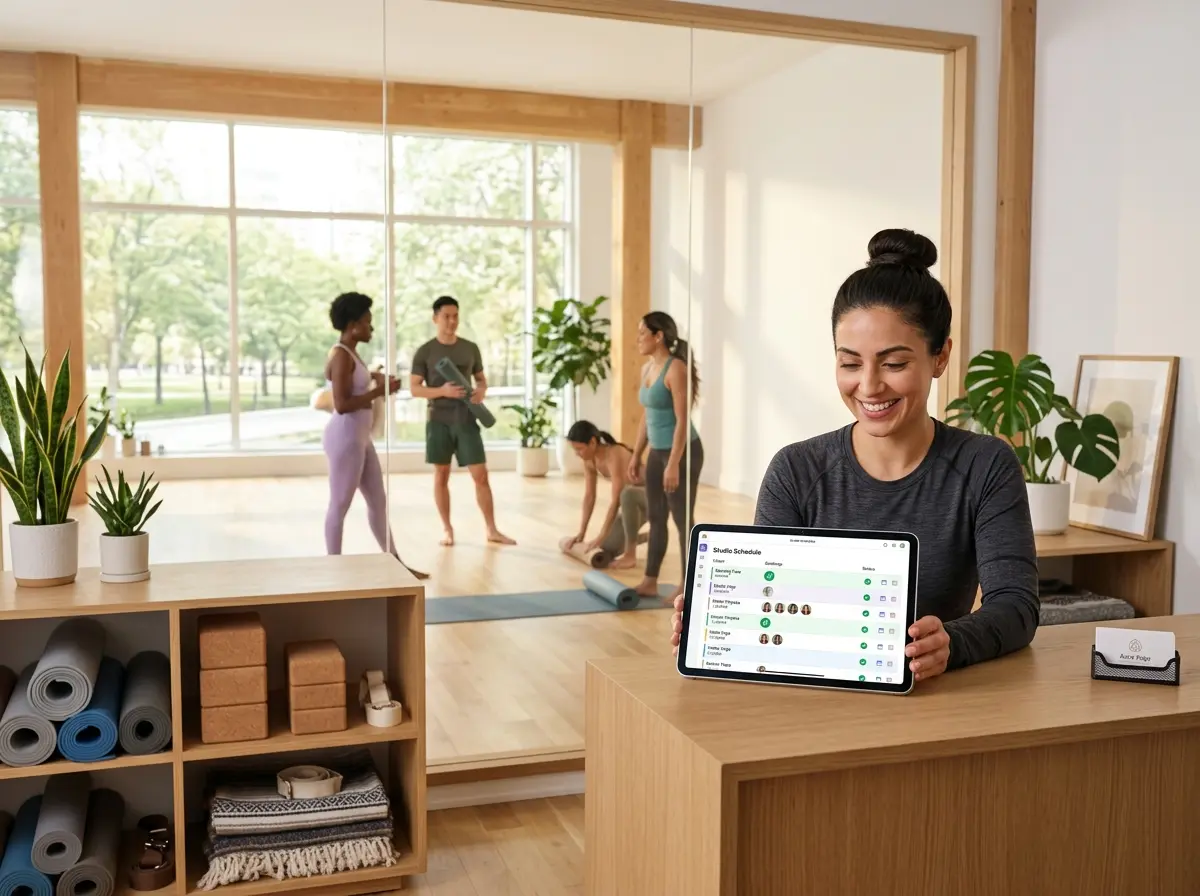
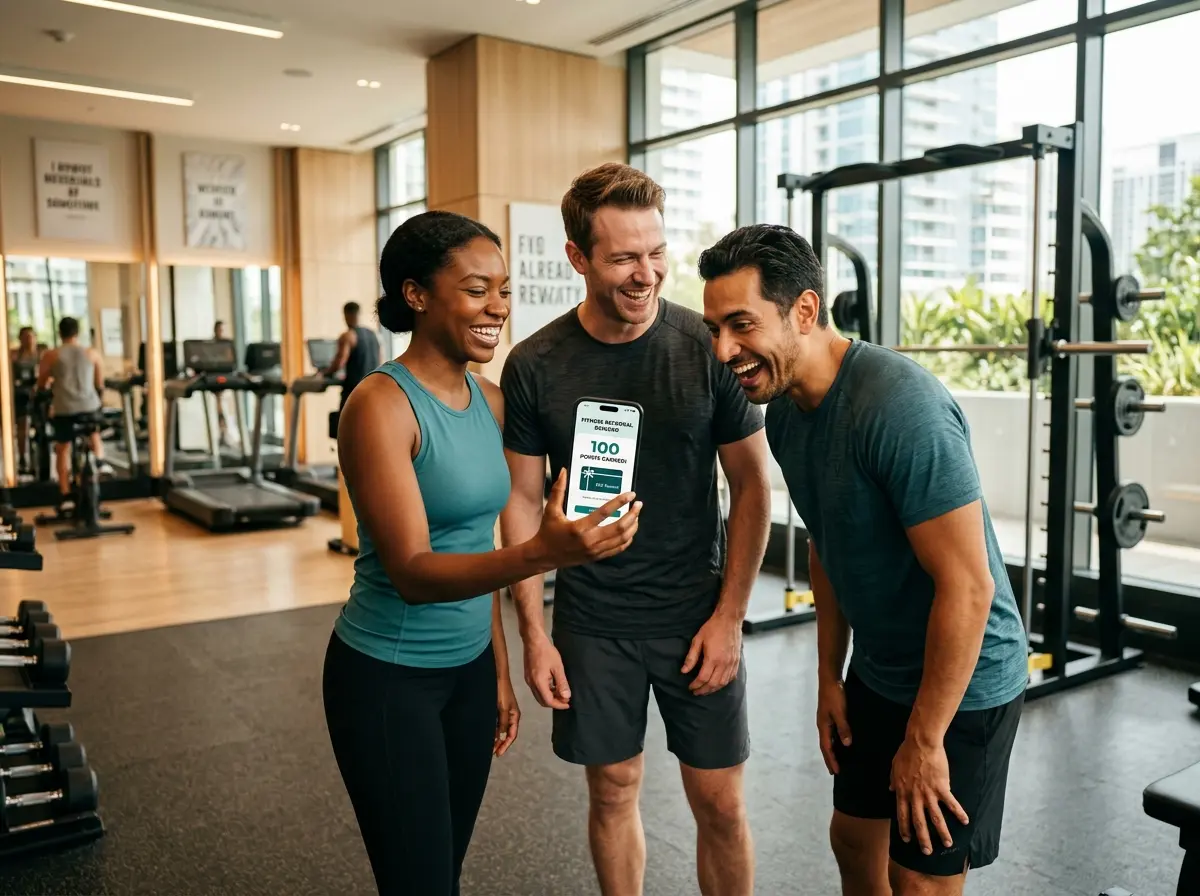
- Gym or fitness studio: Referring member gets a free month; new member gets their first two weeks free.
The key is ensuring the reward is proportional to the customer lifetime value you expect from a new referral. If a new client is worth $500 a year to your business, a $25 reward to the person who sent them your way is an extraordinarily good return on investment.
Keep the Mechanics Simple Enough for a Busy Person to Use
Your referral program can have the most generous incentives in the world, but if it requires filling out a three-page form, logging into a separate portal, and mailing in a receipt — nobody is going to use it. Friction is the enemy of participation. The entire process of sharing a referral should take no more than 30 seconds from a customer's phone.
Options range from simple to sophisticated. At the simple end, a unique referral code tied to each customer (shareable via text or social media) gets the job done for most small businesses. More advanced tools like ReferralCandy, Yotpo, or Friendbuy automate the tracking, reward distribution, and communication — which is well worth it once your program scales. Whatever system you choose, make sure customers can easily check their status, see their rewards, and understand the rules without needing a decoder ring.
Using Technology to Keep Referrals From Falling Through the Cracks
Let Your In-Store and Phone Experience Do the Heavy Lifting
A great referral program doesn't promote itself — you have to weave it into every customer touchpoint. This is where a lot of businesses drop the ball. They set up the program once, mention it in one email, and then wonder why no one is participating three months later. Consistent, natural promotion is the difference between a program that runs itself and one that quietly dies.
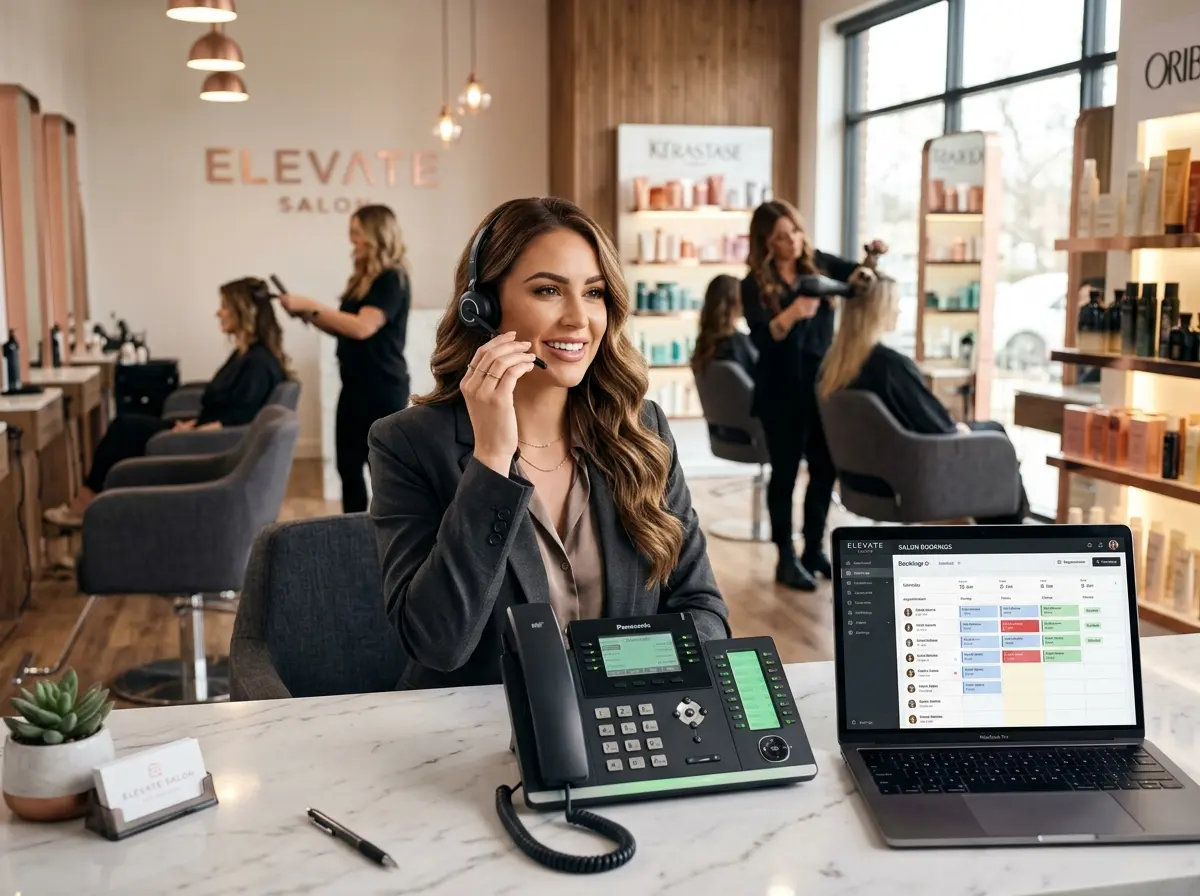
This is exactly where Stella, the AI robot employee and phone receptionist, fits neatly into the picture. In a physical retail location, Stella stands inside your store and proactively engages customers — greeting them, answering questions, and promoting your current deals and programs. She can naturally mention your referral program during conversations, making it feel like a helpful tip rather than a hard sell. On the phone side, Stella answers calls 24/7 and can mention your referral program during intake conversations or routine inquiries, ensuring no lead goes unmentioned regardless of the hour. Her built-in CRM and conversational intake forms also make it easy to capture customer information and tag existing customers as referral program participants — so your follow-up stays organized without adding to your staff's workload.
Measuring Success and Scaling What Works
Track the Metrics That Actually Matter
Running a referral program without tracking results is like planting a garden and never going outside to check if anything grew. You need data to know what's working, what isn't, and where to double down. The core metrics to watch include:
- Referral conversion rate: Of the people who were referred, how many actually became customers?
- Cost per referred customer: Total rewards paid out divided by new customers acquired through referrals.
- Referral participation rate: What percentage of your eligible customers have made at least one referral?
- Lifetime value of referred customers: Research consistently shows referred customers tend to have higher LTV — track whether that holds true for your business.
Set a 90-day review cadence at minimum. Look at which customer segments are referring the most, which incentive structures drive the highest conversion, and which channels (in-person, email, social) are generating the most referral activity. This data tells you where to invest more attention and where to simplify.
Optimize and Expand Over Time
Once your referral program has a few months of data behind it, you have options. You can tier the rewards — offering escalating benefits for customers who refer multiple people. You can introduce seasonal campaigns that give the program a fresh boost ("Refer a friend this month and you both get a holiday bonus"). You can identify your top referrers and treat them like the brand ambassadors they are, giving them early access to new products, exclusive events, or personalized thank-you notes that make them feel genuinely valued.
The businesses that get the most out of referral programs treat them as living systems rather than set-it-and-forget-it campaigns. Small, consistent adjustments compound into dramatically better results over time. A program that generates five new customers a month today can realistically generate fifty a month in a year, if you keep nurturing it with the same care you give your core business.
Avoid the Common Pitfalls That Kill Referral Programs
A few common mistakes deserve a direct callout. First, don't delay reward fulfillment. If a customer refers a friend in January and hasn't received their reward by March, you've just trained them never to bother again. Set clear timelines and honor them. Second, don't forget to say thank you. Automated rewards are great, but a personal acknowledgment — even a brief message — goes a surprisingly long way. Third, don't make eligibility confusing. If customers need a law degree to figure out whether their referral qualifies, they'll give up before they start. Clarity and simplicity aren't optional — they're the foundation.
A Quick Reminder About Stella
Stella is an AI robot employee and phone receptionist designed for businesses of all sizes — from busy retail stores to solo service providers. She greets customers in person, answers phone calls around the clock, promotes your offers, and keeps your customer information organized through her built-in CRM. At just $99/month with no upfront hardware costs, she's the tireless team member who never calls in sick and never forgets to mention your referral program.
Your Next Steps Start Today
A referral program isn't a luxury reserved for big brands with marketing departments. It's one of the highest-ROI growth tools available to any business owner willing to put in a modest amount of upfront effort. You already have satisfied customers — you just need to give them a reason, a mechanism, and a moment to spread the word.
Here's your action plan to get started:
- Identify your top customers and personally invite them to be your first referral participants.
- Design a double-sided incentive that rewards both the referrer and the new customer at a level proportional to your margins.
- Choose a simple tracking method — a spreadsheet works at first, a dedicated tool works better as you grow.
- Integrate the program into every touchpoint — in-store conversations, phone interactions, email, and social media.
- Review your metrics every 90 days and adjust accordingly.
Your happiest customers are already talking about you. A well-built referral program just makes sure that conversation comes with a clear next step — and a reason to keep having it.