Introduction: The Urgent Care Problem You're Probably Ignoring
Picture this: A patient calls your medical practice at 4:45 PM on a Thursday with a sore throat and mild fever. Nobody picks up. They leave a voicemail. They wait. And then — because they're human and humans want answers — they drive to the urgent care center down the street, hand over their copay, and become somebody else's patient for the evening. Maybe forever.
This is patient leakage, and it's quietly bleeding your practice dry. According to the American Academy of Family Physicians, urgent care visits have grown dramatically over the past decade, with many patients citing convenience and accessibility as their primary reasons for choosing urgent care over their established provider. Not because they like the urgent care. Not because they distrust you. Simply because urgent care was there and you, unfortunately, weren't.
The good news? Most patient leakage is entirely preventable. It doesn't require a massive budget overhaul or hiring three more front desk staff members. It requires understanding why patients leave in the first place, and then systematically closing those gaps. Let's dig in.
Why Patients Walk Out Your (Metaphorical) Door
The Accessibility Gap
Patients are not calling urgent care because they prefer fluorescent waiting rooms and strangers handling their care. They're going because they couldn't get through to you. The most common triggers for urgent care visits among established patients include: inability to reach the practice after hours, long hold times during business hours, and difficulty scheduling same-day or next-day appointments.
After-hours calls are a particularly painful leak point. A patient with a question about a medication interaction at 7 PM doesn't need an emergency room — they need a two-minute conversation. When your phones go dark after 5 PM, you're essentially redirecting your own patients elsewhere and paying for it in lost revenue and continuity of care disruptions.
The Scheduling Friction Problem
Even during business hours, scheduling friction drives leakage. If a patient calls, gets put on hold for eight minutes, and still can't secure a same-day appointment for something minor, they're not going to wait patiently. They're going to open Google Maps and tap the first urgent care with available slots.
Practices that have reduced scheduling friction — through better triage protocols, reserved same-day slots, and streamlined intake — consistently report higher patient retention. The fix isn't always adding more staff. Sometimes it's making the existing process smarter and more responsive so patients feel heard the moment they reach out, not fifteen minutes into a hold queue.
The Perceived Indifference Factor
Here's a brutally honest truth: patients who feel like a number on a chart are far more likely to wander. When they call and feel rushed, when their concerns are minimized, or when they simply can't get consistent information about hours, policies, or whether a nurse can call them back — they lose trust. And patients without trust don't wait. They leak. Building a culture of responsiveness, even in small touchpoints like phone greetings and hold messaging, can meaningfully shift how patients perceive your practice's investment in their care.
How Technology Can Tighten the Gaps
After-Hours Coverage and First Impressions
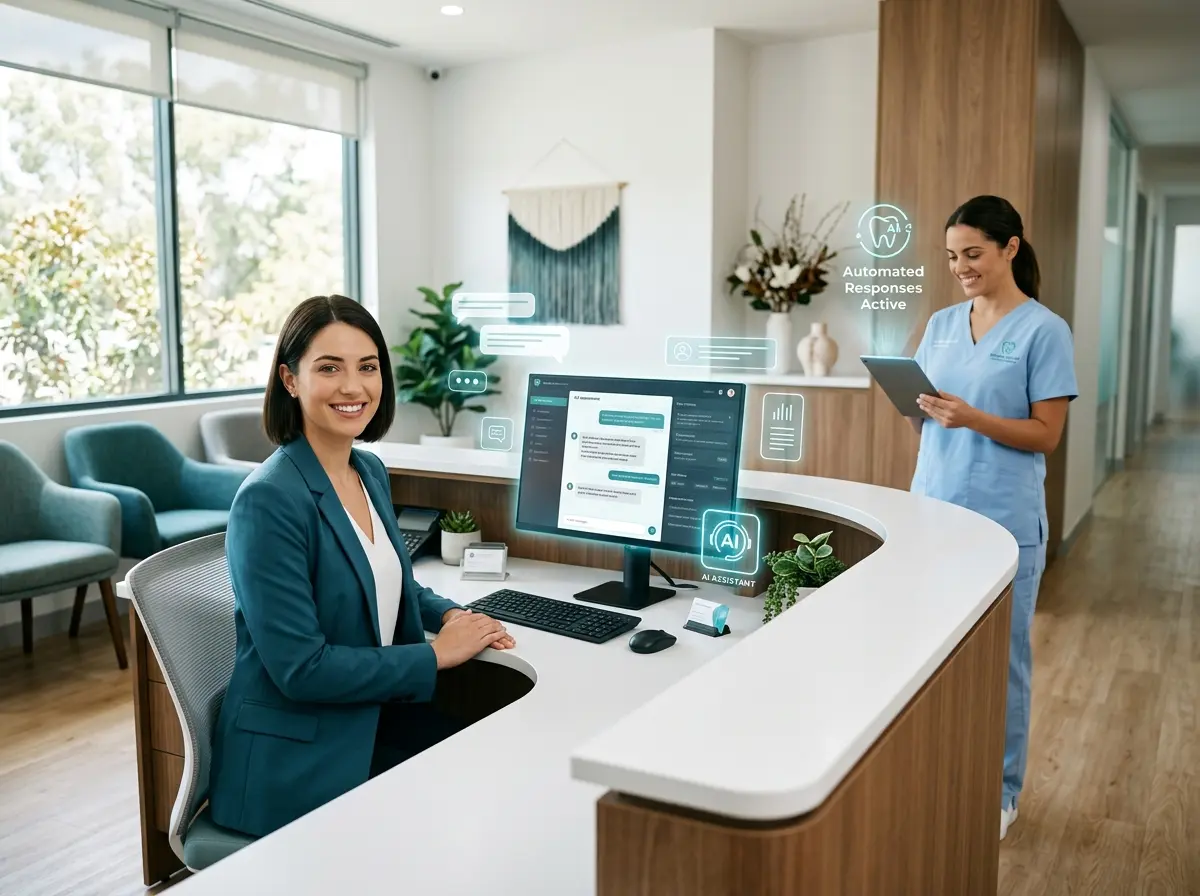
One of the simplest and most overlooked ways to reduce leakage is ensuring that patients always reach something helpful when they call — especially after hours. This is exactly where Stella, an AI robot employee and phone receptionist, makes a tangible difference for medical practices. Stella answers calls 24/7 with the same knowledge your front desk staff uses during business hours. She can provide information about hours, services, after-hours protocols, and when to expect a callback — so patients don't immediately assume you've abandoned them until 9 AM Monday.
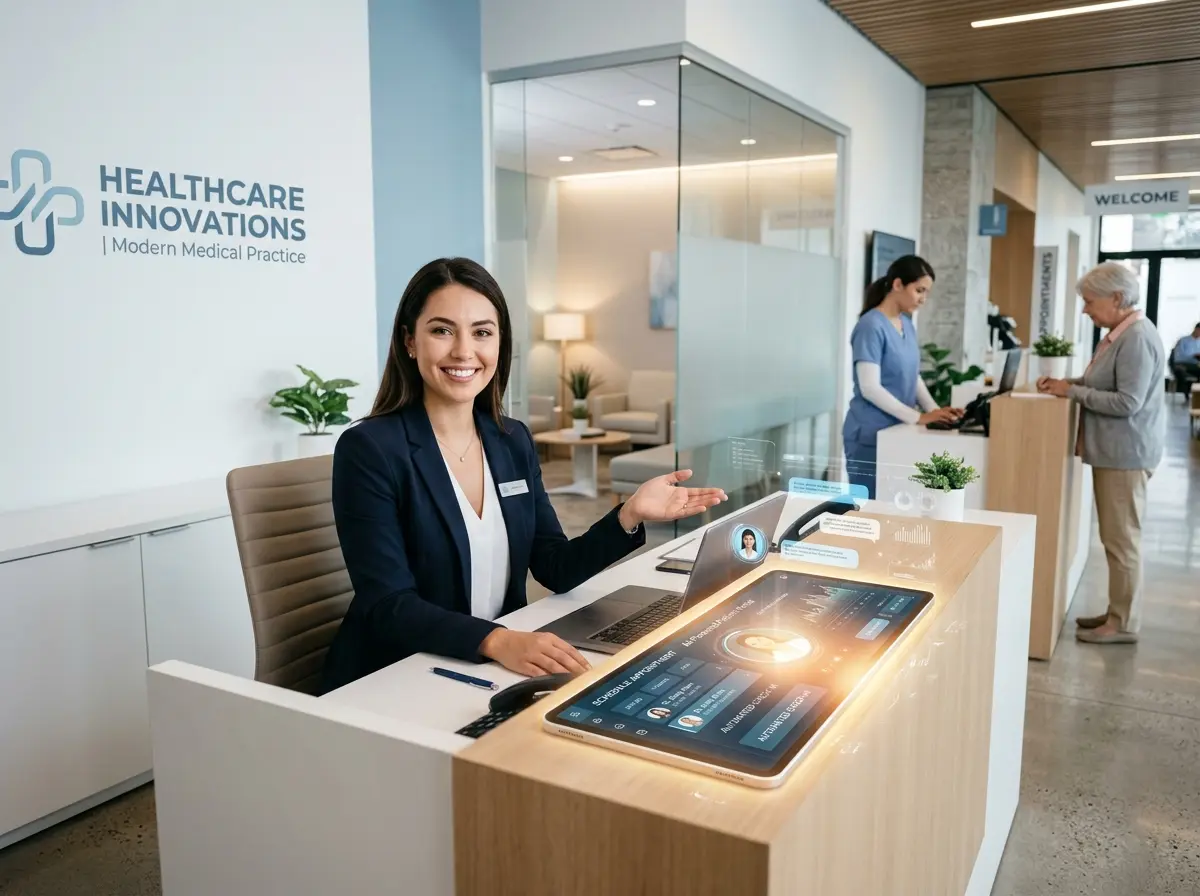
Beyond phones, Stella also operates as a physical kiosk inside your practice, greeting patients as they arrive and answering common questions without pulling your staff away from higher-priority tasks. For patient intake specifically, her built-in CRM and conversational intake forms collect patient information during calls or at the kiosk — keeping everything organized and accessible without the usual clipboard chaos. Fewer frustrated callers means fewer patients heading to the urgent care center across the street.
Operational Strategies That Actually Work
Implement a Same-Day Appointment Protocol
One of the highest-impact changes a practice can make is carving out a portion of each day's schedule specifically for same-day sick visits. The exact percentage varies by practice size and specialty, but many family medicine and internal medicine practices find that reserving 20–30% of daily slots for acute needs dramatically reduces the "I can't get in" patient complaints that drive urgent care visits.
The key is protecting those slots from being filled too early. It sounds counterintuitive to hold appointments open, but training your schedulers to triage morning calls for same-day needs — rather than filling every slot weeks in advance — creates breathing room that keeps patients in your ecosystem. Combine this with a clear after-hours message explaining how to access same-day appointments when the office opens, and you've already closed one of the most common leakage pathways.
Train Staff on Telephone Triage
Not every patient who calls with a complaint needs to come in, and not every patient who doesn't call actually knows to call. Proper telephone triage training for front desk and nursing staff helps your team quickly identify which calls need same-day appointments, which need a nurse callback, which can be handled with brief guidance, and which genuinely require emergency services or urgent care escalation.
When patients feel that their call was taken seriously and handled intelligently — even if the resolution was simply "here's what to watch for and call us if it gets worse" — they don't feel abandoned. Practices that invest in even basic triage scripting and escalation protocols see measurable improvements in patient satisfaction and retention. This isn't medicine; it's communication, and it matters enormously.
Follow Up Before Patients Have a Reason to Leave
Proactive outreach is criminally underused in most practices. Post-visit follow-up calls, prescription check-ins, and reminders about open symptom concerns cost very little in time but create a strong retention signal. When a patient receives a follow-up call two days after a visit asking how they're feeling, they don't go to urgent care for the follow-up — they call you.
Similarly, patients with chronic conditions benefit from periodic check-in touchpoints between visits. Practices that use outreach programs — even simple ones — see higher rates of patients returning to the practice rather than seeking episodic care elsewhere. The message you're sending is simple: we're paying attention to you. That message is more powerful than any marketing campaign.
Quick Reminder About Stella
Stella is an AI robot employee and phone receptionist designed to help businesses — including medical practices — stay responsive, professional, and accessible around the clock. She answers calls after hours, greets patients at your front desk kiosk, collects intake information, and keeps your team from drowning in routine interruptions. At just $99 per month with no upfront hardware costs, she's one of the most practical tools a practice can add to its front-of-house operation.
Conclusion: Stop the Leak Before It Becomes a Flood
Patient leakage isn't a dramatic problem — it's a quiet one. It happens one missed call at a time, one full schedule at a time, one patient who felt like nobody cared at a time. The practices that successfully reduce urgent care leakage aren't necessarily doing anything revolutionary. They're simply being more accessible, more responsive, and more proactive than the urgent care center down the street.
Here's where to start:
- Audit your after-hours experience. Call your own practice after 5 PM and experience exactly what your patients experience. If the answer is silence or an unhelpful voicemail, fix that first.
- Reserve same-day capacity. Even a modest block of same-day appointments can dramatically reduce the "I can't get in" leakage pathway.
- Train your team on triage. A confident, well-handled phone call keeps patients in your practice. A dismissive or fumbled one sends them elsewhere.
- Follow up after visits. Post-visit outreach is one of the simplest loyalty tools available and most practices barely use it.
- Fill the technology gaps. After-hours coverage, intake automation, and consistent communication can all be addressed without hiring additional full-time staff.
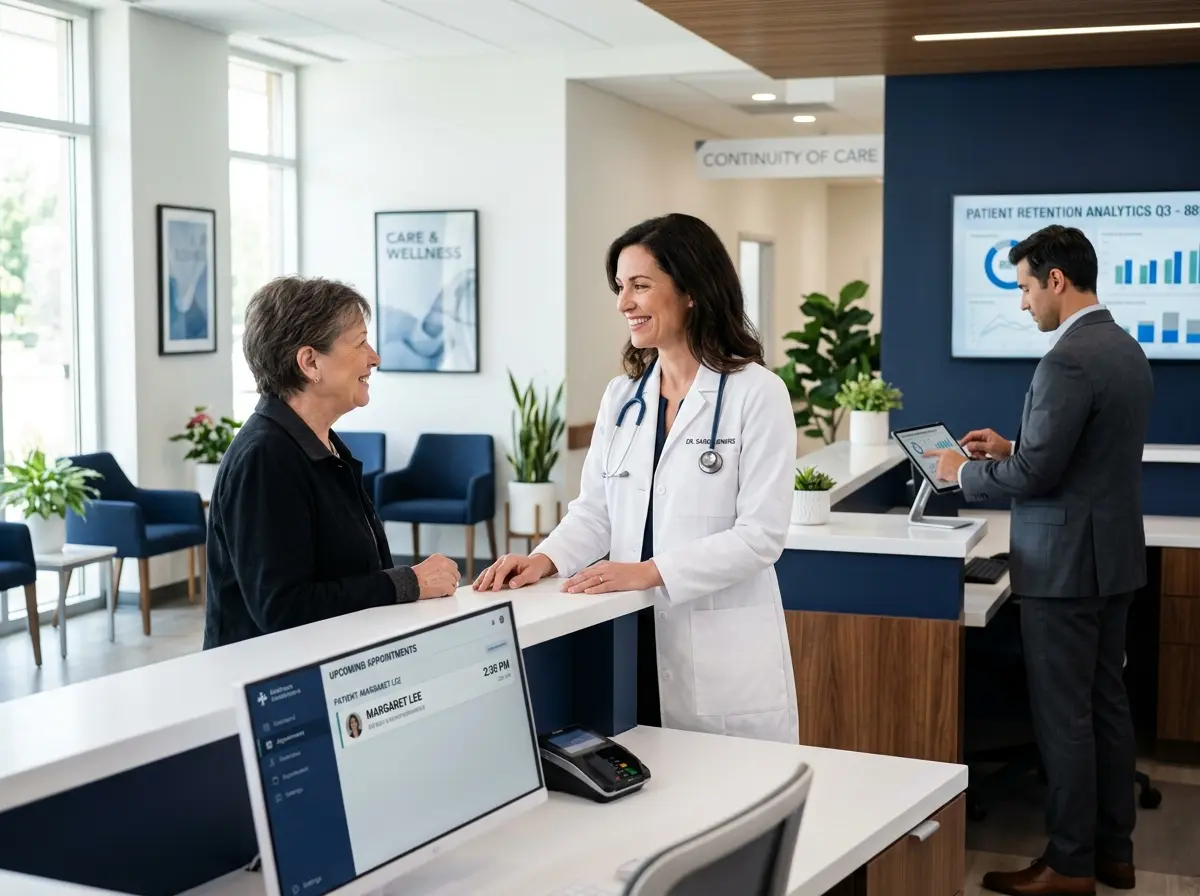
Your patients chose your practice for a reason. They want continuity of care, they want a provider who knows their history, and they want to feel like a person rather than a claim number. Give them the accessibility and responsiveness to act on that preference, and they'll stop leaking — one solved problem at a time.