Let's Be Honest: Your "Grand Opening" Sign from 2017 Isn't a Marketing Strategy
Remember the good old days? When "local search" meant a customer physically craning their neck to read your sign as they drove by? Quaint, wasn't it? Today, that same customer is staring down at their phone, thumbs flying, asking the great and powerful Google: "where can I buy artisanal dog sweaters near me?"
If your store doesn't pop up, you might as well be invisible. You could have the most charming shop on the block, but to the modern, phone-wielding consumer, you're a ghost.
That's where Google Ads for local search comes in. It’s your digital bullhorn, your virtual sign-spinner, your way of grabbing that customer by the digital lapels and saying, "Hey! The artisanal dog sweaters are in here!" But let's be real, it can also feel like a digital money pit if you don't know what you're doing. So, let's pull back the curtain and figure out how to make Google work for you, not the other way around.
The Non-Negotiable Foundations: Before You Spend a Single Dime
Hold your horses. Before you start throwing your hard-earned cash at Google, we need to make sure your digital house is in order. Running ads to a sloppy online presence is like putting up a giant, expensive billboard pointing to a condemned building. It’s not a great look.
Your Google Business Profile is Your Digital Welcome Mat
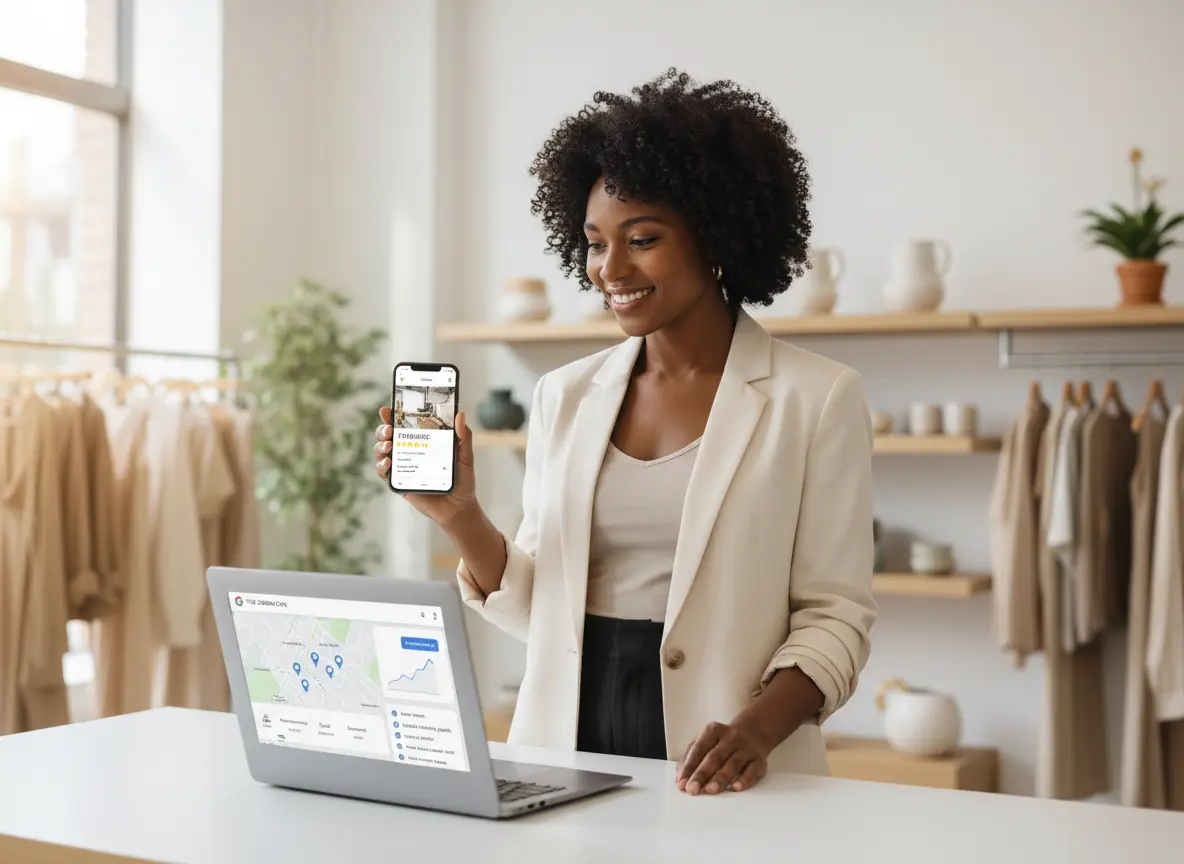
Your Google Business Profile (or GBP, as the cool kids call it) is the single most important tool for local search, and it's free. It's that box that shows up with your hours, photos, and reviews when someone searches for your business. An ad is only as good as the profile it links to. If a potential customer clicks your ad and sees you have two blurry photos from 2015 and your hours are listed as "Call for details," they're going to click away faster than you can say "lost sale."
Your Action List:
- Fill Out Everything: And we mean everything. Address, phone, website, hours, attributes (like "women-owned" or "curbside pickup"), and especially your products and services.
- Upload High-Quality Photos: Show off your beautiful store, your amazing products, and your smiling team. No excuses for grainy, dark photos in the age of smartphones.
- Keep It Current: Are you closing early on Friday? Update your hours. Running a holiday special? Post about it. Yes, people notice if your Christmas hours are still listed in March. It screams, "We're not paying attention."
Landing Pages That Don't Induce Rage-Quitting
So, a customer clicks your shiny, compelling ad. Where do they go? If the answer is "just my homepage, I guess," you're making a rookie mistake. The ad is the handshake; the landing page is the conversation. It needs to be a seamless continuation of the ad's promise.
If your ad promotes "30% Off All Outdoor Gear," the link should take them to a page showcasing—you guessed it—all your discounted outdoor gear. Not your "About Us" page detailing your founder's love of hiking. They don't care about that right now. They care about the deal. Make it easy for them. And for the love of all that is holy, make sure that page loads quickly and looks great on a phone. Over 60% of Google searches happen on mobile devices. If they have to pinch and zoom to read your text, you've already lost.
Bridging the Digital Handshake with a Real-Life Welcome
Okay, let's fast forward. Your Google Business Profile is pristine. Your ad was a masterpiece of local marketing. The customer clicked, they were whisked to a perfect landing page, and they were so impressed they actually got in their car and came to your store. Victory!
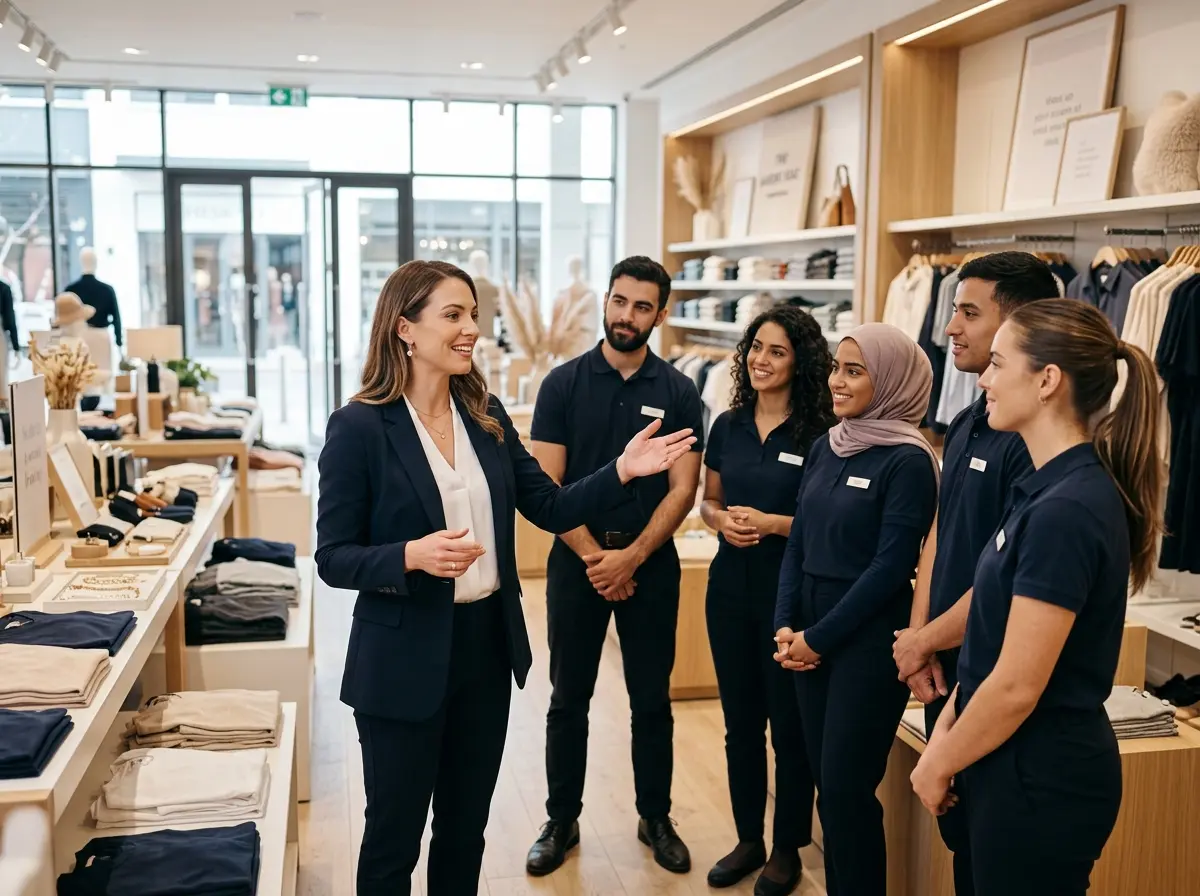
...or is it? They walk through the door, and... crickets. Your team is busy with another customer, stocking shelves, or in the back room. That warm, fuzzy feeling from your brilliant online campaign is quickly replaced by the awkward "Am I in the right place?" shuffle. All that effort and ad spend to get them here, only to fumble the handoff at the one-yard line.
The Handoff: From Ad Click to "Hello!"
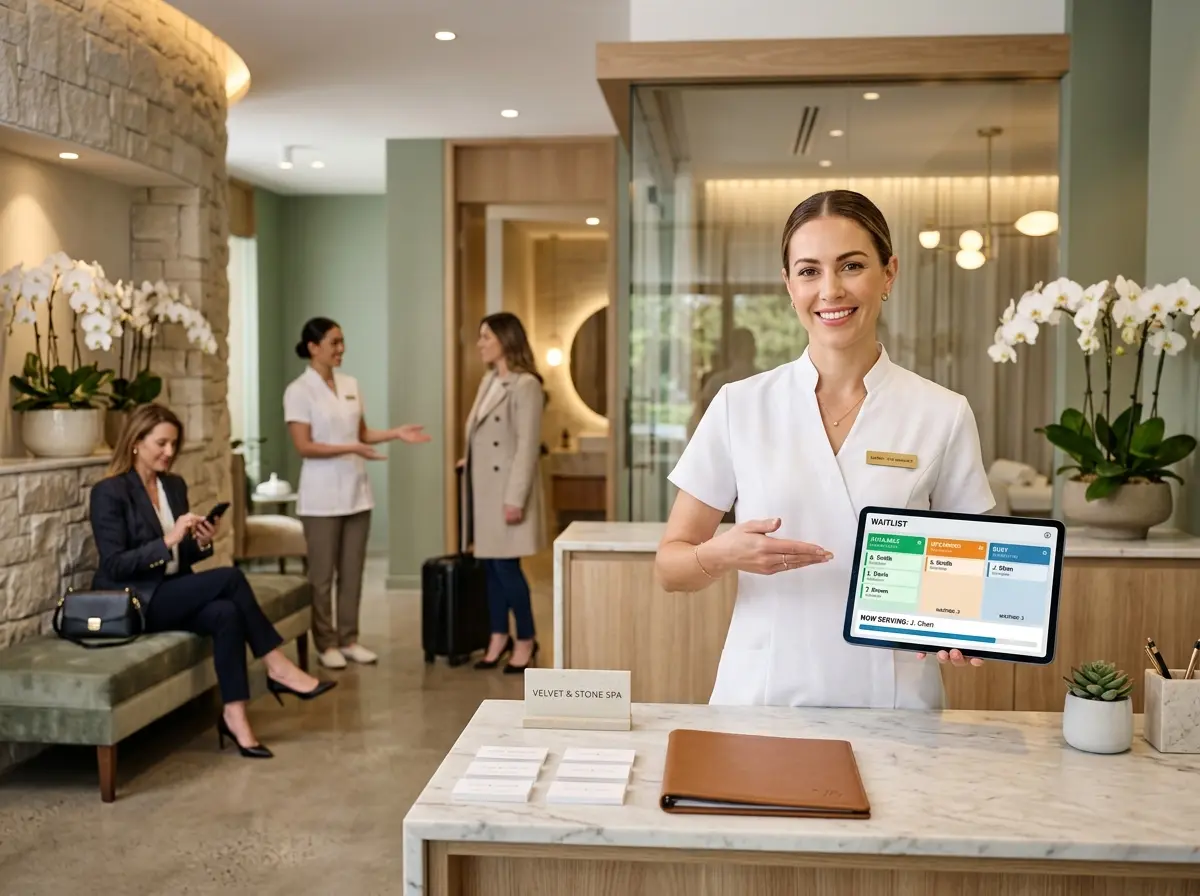
This is where the online and offline worlds must collide gracefully. You need to ensure the customer's journey from their phone screen to your sales floor is one smooth, welcoming experience. How can you guarantee every single one of those hard-won customers gets an immediate, helpful greeting, even during your busiest moments?
This is precisely the problem we built Stella to solve. Imagine a customer who clicked your ad for "New Summer Arrivals" walks in. Instead of silence, they're greeted by a friendly, professional assistant who says, "Welcome! So glad you could make it. If you're here to see our new summer collection you saw online, it's right this way." Instantly, the customer feels seen, their reason for visiting is validated, and they're guided toward the very products you paid to advertise. Stella ensures that your marketing dollars don't just create a click—they create a conversion.
Crafting Local Ads That Actually Work (and Don't Break the Bank)
Now for the main event. You've got your foundation set. You have a plan for the in-store experience. It's time to build some ads that bring people in without requiring you to remortgage your building.
Keywords: Think Like Your Customer, Not Your Inventory Sheet
Your internal name for a product might be "SKU #880-B Blue," but your customer is searching for "men's waterproof jacket downtown." You have to get inside their head. What phrases would they actually type into Google when they need what you sell?
- Be Specific: Instead of "bookstore," try "independent bookstore with cafe," "used sci-fi books," or "children's bookstore near me." The more specific you are, the more qualified the click will be.
- Use Negative Keywords: This is a secret weapon. If you sell premium, high-end products, you should add words like "cheap," "free," "discount," and "used" to your negative keyword list. This prevents your ad from showing up for people who were never going to buy from you anyway, saving you money.
Ad Copy That Clicks: The Art of the Micro-Pitch
You have a tiny amount of space to make a huge impression. Don't waste it on corporate jargon or vague promises. Your ad copy needs to be a concentrated shot of value. A simple, effective formula is: [What You Sell] + [Unique Benefit/Offer] + [Location Clue] + [Call to Action].
Example: "Handmade Leather Bags | Built to Last a Lifetime | Visit Our Workshop in the Arts District | Shop the Collection Today!"
And please, use ad extensions. Location extensions show your address on a map. Call extensions add a "click to call" button. Promotion extensions scream about your current sale. They are free to add, they make your ad bigger and more noticeable, and they give customers more information at a glance. Not using them is just leaving money on the table.
Budgeting Without a Panic Attack
You don't need the marketing budget of a national chain to compete locally. Start with a daily budget you are comfortable with—seriously, even $15 a day can generate clicks and visits. The key is not how much you spend, but how smartly you spend it.
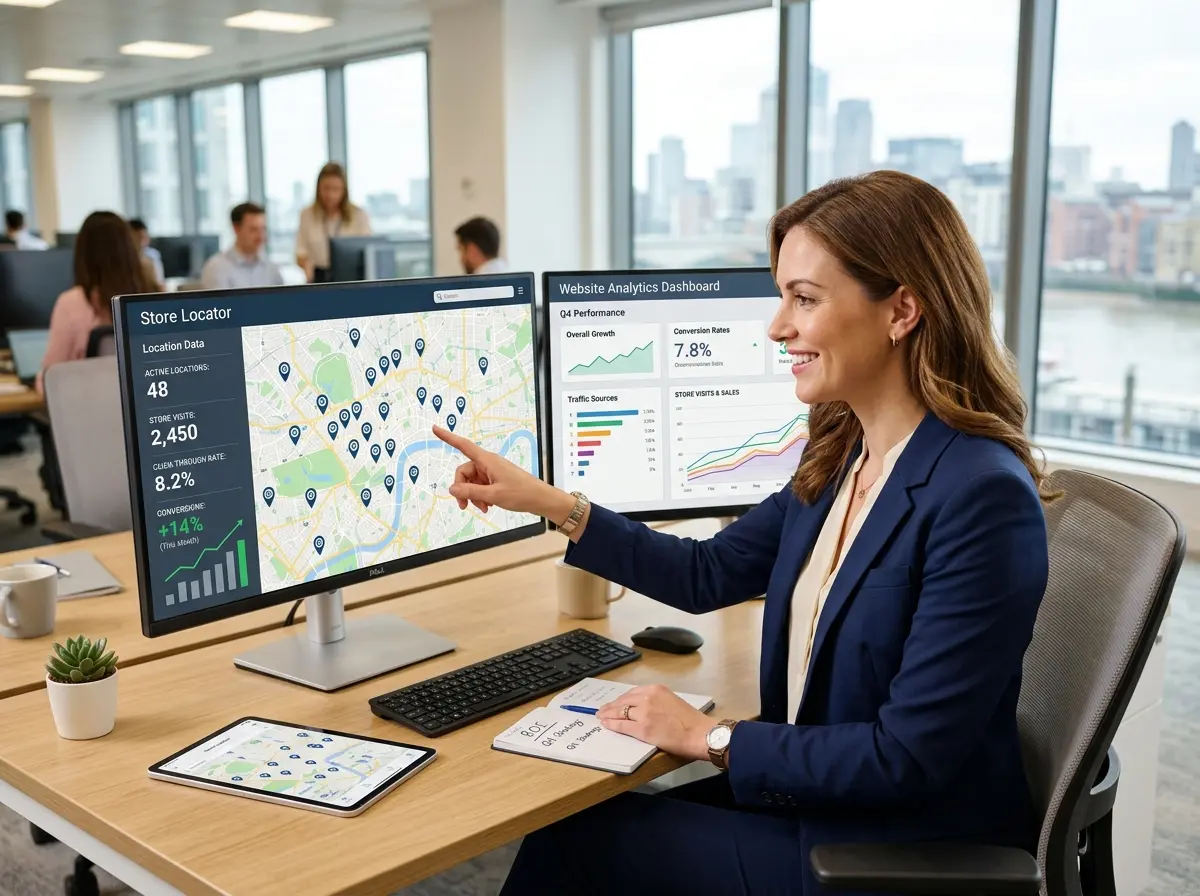
Monitor your campaign. Google Ads provides a mountain of data. Pay attention to what's working. Which keywords are leading to store visits? (Yes, Google can track that for you!). Which ad copy gets the most clicks? Double down on what's effective and ruthlessly cut what isn't. This isn't a slow cooker; it's an active process. Tweak, test, and optimize.
A Quick Reminder About Stella
Getting customers through the door with savvy Google Ads is a huge win, but it's only half the battle. Ensuring every single one of those visitors has a memorable, engaging experience that leads to a sale is the other half. That's where Stella, your tireless AI retail assistant, closes the loop and maximizes the return on your ad spend.
Conclusion: Go Forth and Conquer
Mastering Google Ads for local search isn't black magic; it's a combination of solid fundamentals, customer-centric thinking, and a willingness to pay attention to the data. It's about building a sturdy bridge from a potential customer's phone screen directly to your front door.
So here's your homework. Forget everything else for a moment and go audit your Google Business Profile. Right now. We'll wait. Is every photo crisp and current? Are your hours perfect? Have you responded to all your reviews (both good and bad)? Fixing your GBP is the most powerful, highest-impact, and absolutely free first step you can take.
Now go forth and reclaim your local search territory. Your future customers are out there searching, and it's about time they found you.