Are You Driving Customers Away with Your Dad-Rock Playlist?
Let’s be honest. You love your store. You pour your heart, soul, and an alarming amount of caffeine into it every single day. And when it’s quiet, you probably put on your favorite tunes. A little classic rock, maybe some 90s hip-hop, or—heaven forbid—that one obscure indie band you discovered in college. It’s your store, you can listen to what you want, right?
Wrong. Well, mostly wrong.
Unless you’re exclusively selling vintage band tees to people who also own a van with a wizard airbrushed on the side, your personal playlist might be killing your sales. Music in a retail environment isn't just background noise to fill the awkward silence. It's a powerful, subliminal tool that dictates mood, influences purchasing decisions, and determines how long customers are willing to stick around. Get it right, and you create an inviting atmosphere that encourages browsing and spending. Get it wrong, and you might as well have a flashing neon sign that says, “Please leave immediately.”
So, let's turn down the hair metal for a second and dive into the science and strategy of crafting a store soundtrack that actually works.
The Unspoken Salesperson: The Psychology of In-Store Music
You wouldn't hire a salesperson who grunts at customers and wears mismatched socks (at least, we hope not), so why let your audio ambiance be just as unprofessional? The music you play is constantly communicating with your shoppers on a subconscious level. Here’s what it’s telling them.
Tempo: The Pace of Purchase
The speed of your music directly influences the speed of your customers. It's a phenomenon called "entrainment," where our internal rhythms (like heartbeat and breathing) subconsciously sync up with external rhythms. A landmark 1982 study found that playing slow-tempo music in a supermarket resulted in shoppers moving more slowly, spending more time in the store, and ultimately, a 38% increase in sales volume. Conversely, fast-tempo music makes people move faster—great for a high-turnover environment like a coffee shop during the morning rush, but terrible for a boutique where you want customers to linger and discover hidden gems.
- Slow & Mellow (below 72 BPM): Encourages relaxed browsing. Ideal for furniture stores, high-end fashion boutiques, bookstores, and art galleries.
- Fast & Upbeat (above 92 BPM): Creates a sense of urgency and energy. Useful for clearance sales, fast-food restaurants, and convenience stores.
Think of it as the difference between a leisurely stroll through a park and a frantic dash to catch a train. You decide which journey you want your customers to take.
Genre: It's All About the Vibe (and Your Brand)
Genre is the personality of your soundtrack. It’s the quickest way to communicate your brand's identity without saying a word. Playing the wrong genre is like showing up to a black-tie gala in a clown costume—it’s confusing, off-putting, and makes everyone uncomfortable.
Consider the perception each genre creates:
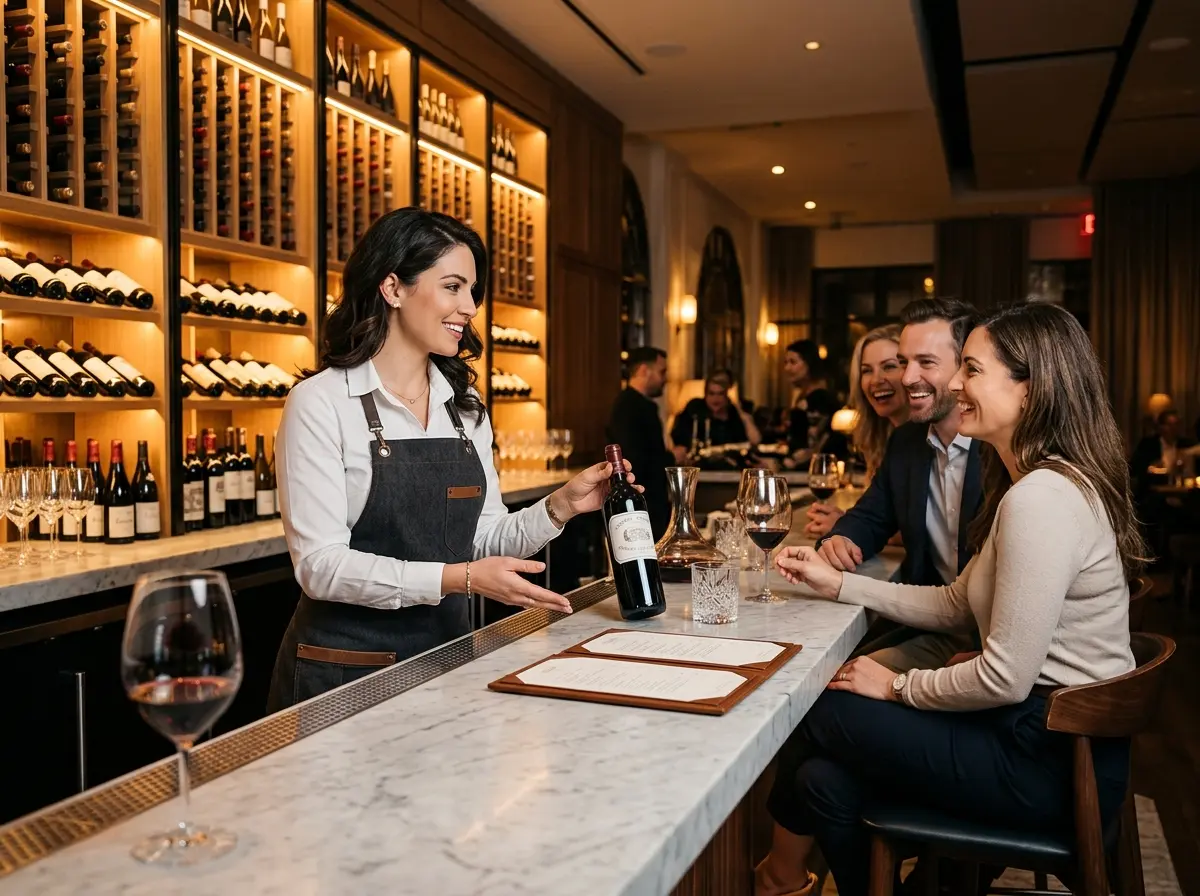
- Classical Music: Conveys sophistication, luxury, and quality. A study showed that a wine shop playing classical music not only saw customers buy more expensive wine but also perceived the store as being more upscale.
- Pop / Top 40: Signals that your brand is current, energetic, and mainstream. Perfect for fast-fashion retailers, mobile phone stores, and brands targeting a younger demographic.
- Jazz / Lofi: Creates a cool, smooth, and intellectual atmosphere. Think independent coffee shops, trendy bars, and upscale barbershops.
- Rock / Alternative: Suggests an edgier, more rebellious identity. It can work wonders for a skate shop or a vintage clothing store, but it might send a… mixed message in a store that sells fine china.
The key is alignment. The music should feel like a natural extension of the products on your shelves.
Volume: The Fine Line Between Ambiance and Annoyance
This one seems simple, but it’s where so many retailers go wrong. Music that’s too loud is physically uncomfortable. It shortens attention spans, makes it hard to think, and causes shoppers to flee for the sweet, sweet sound of silence. On the other hand, music that’s barely audible is just… weird. It can make a store feel dead and makes customers feel like their every footstep is being monitored.
The goal is "background, not foreground." Your soundtrack should be present enough to set a mood but quiet enough that two people can have a normal conversation without shouting. A good rule of thumb is to stand in the furthest corner from a speaker. Can you still comfortably talk to someone next to you? If yes, you're probably in the sweet spot.
Beyond the Playlist: Creating a Cohesive Customer Experience
Your perfectly curated, tempo-appropriate, on-brand music has set the stage. A customer walks in, feeling relaxed and intrigued. Now what? The transition from passive ambiance to active engagement is critical. This first impression is a delicate harmony between what a customer hears and who they see.
Harmonizing Music with Your Store's Greeting
The most amazing soundtrack in the world can be undone in seconds by a less-than-amazing greeting. Or worse, no greeting at all. We’ve all been there: you walk into a store, and the only acknowledgment you get is from a busy employee who might nod in your general direction from behind a stack of boxes. The perfect mood you just created with your music instantly deflates.
Consistency is key. Imagine a customer walks in, hears that ideal, calming instrumental track, and is immediately welcomed by a friendly, helpful presence that points them toward the new arrivals or mentions the 2-for-1 special. That's where a tool like Stella, your in-store robot assistant, can be a game-changer. She ensures every single shopper gets a warm, professional welcome the moment they step through the door. Stella doesn't get distracted, she's never having a bad day, and she’s always ready to engage, perfectly complementing the inviting atmosphere you've so carefully curated with your music. The music sets the mood, and the greeting starts the conversation, creating a seamless and powerfully positive entry experience.
Crafting Your Perfect In-Store Playlist: A Practical Guide
Alright, you're convinced. It's time to retire your "80s Power Ballads" mix. But where do you start? Crafting a strategic soundtrack is easier than you think. It just requires a little less personal preference and a little more customer-centric thinking.
Know Thy Customer (and Their Earbuds)
This is the golden rule. Who are you selling to? A 65-year-old shopping for gardening supplies has vastly different musical tastes than a 19-year-old looking for a new pair of sneakers. Stop playing music for yourself and start playing it for them. You don't have to conduct a massive focus group; just observe. What's the general age range and style of your typical customer? If you’re not sure, ask a few regulars what they like to listen to. They'll appreciate that you care, and you’ll get invaluable data.
Curation vs. Chaos: The Perils of the Radio
Whatever you do, please, for the love of all that is profitable, turn off the local radio station. Using the radio is not only lazy, it’s actively detrimental to your business. Why?
- Competitor Ads: There is absolutely no reason to broadcast an ad for the car dealership down the street or a rival clothing store inside your own four walls. You're literally paying to advertise for someone else.
- Unprofessional Banter: You have zero control over what a DJ will say. Awkward jokes, controversial opinions, or just plain rambling can shatter the professional atmosphere you're trying to build.
- Mood Whiplash: Radio playlists are designed for driving, not shopping. The jarring transition from a somber ballad to a high-energy pop hit to a loud commercial can be incredibly disruptive to the customer's journey.
Instead, invest in a commercial-free streaming service designed for businesses. Services like Soundtrack Your Brand, Mood Media, or Cloud Cover Music are licensed for commercial use and offer expertly curated playlists for virtually any retail environment.
Day-Parting: Your Music Shouldn't Be One-Size-Fits-All
Your store's energy isn't static, so why should your music be? "Day-parting" is the practice of scheduling different types of music for different times of the day to match the flow of traffic and customer energy levels.
- Morning (10am - 12pm): Shoppers are often goal-oriented. Keep it positive but low-key—think mellow indie pop or acoustic tracks.
- Lunch Rush (12pm - 2pm): Foot traffic increases, and people are on a schedule. Pick up the tempo slightly to keep things moving.
- Afternoon (2pm - 5pm): The post-lunch lull. This is a great time for more discovery-oriented, mid-tempo music that encourages lingering.
- Evening / Weekend: This is often your peak social shopping time. Feel free to play more recognizable, energetic, and popular tracks to create a vibrant, exciting atmosphere.
A Quick Reminder About Stella
While the perfect playlist sets the stage for a great shopping experience, it's the personal interactions that build loyalty and close sales. An AI retail assistant like Stella guarantees that every customer is greeted, informed, and assisted, allowing your human staff to focus on providing deeper, more meaningful service. She’s the reliable opening act that gets the crowd ready for your all-star team.
Conclusion: Press Play on Higher Profits
In-store music is not an afterthought; it’s a fundamental part of your brand strategy and customer experience. It’s a subtle, cost-effective lever you can pull to increase dwell time, boost sales, and make your store a place people genuinely enjoy being. By being intentional about tempo, genre, and volume, you can transform your store's ambiance from arbitrary noise into a strategic asset.
Here are your action steps for this week:
- Audit Your Audio: Spend a full hour in your store during a busy period and just listen. What is the music saying about your brand? Does it match the energy of your customers? Be brutally honest.
- Define Your Vibe: Write down three words you want customers to feel when they're in your store (e.g., "calm, sophisticated, inspired" or "fun, energetic, trendy").
- Experiment: Ditch the radio or your personal playlist and try a curated business streaming service for one week. Choose a playlist that aligns with the vibe you just defined and see what happens. Pay attention to how long people stay and the general mood of both customers and staff.
Stop letting your store's soundtrack be an accident. Take control, curate with purpose, and watch as your customers—and your bottom line—start singing a happier tune.