Why Your Customers Actually Want You to Text Them
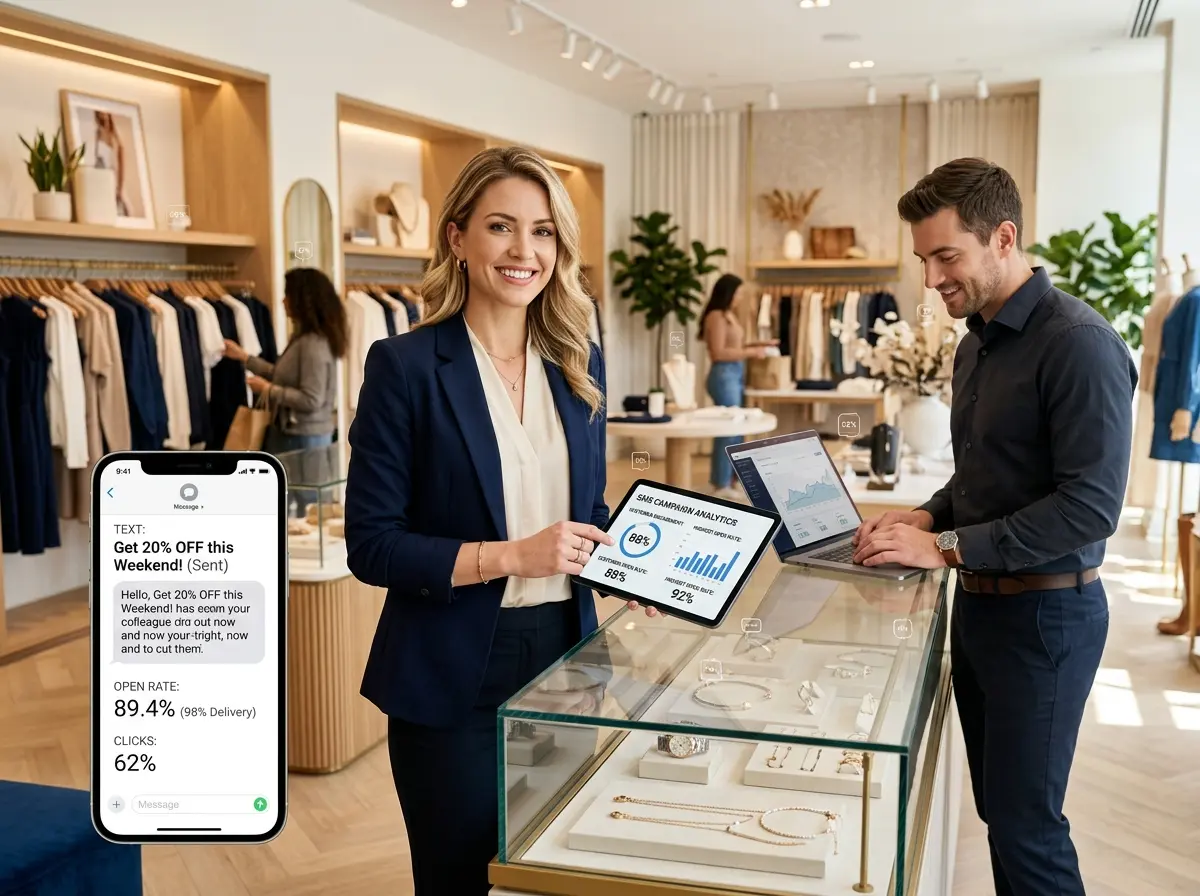
Let's be honest — nobody is eagerly refreshing their inbox waiting for your next email newsletter. Open rates hover around 20% on a good day, your beautifully designed campaign gets buried under seventeen promotional emails from competitors, and half your subscribers haven't opened anything since 2021. Meanwhile, SMS marketing boasts open rates of 98% — and most messages are read within three minutes of delivery. Three minutes. That's faster than your barista can spell your name wrong on a cup.
Building a Solid SMS Marketing Foundation
Getting Compliant: The Rules You Can't Ignore
In the United States, SMS marketing is governed primarily by the Telephone Consumer Protection Act (TCPA) and, for commercial messages, the rules of the CTIA (the Cellular Telecommunications Industry Association). Here's the short version: you need explicit, written consent before texting anyone for marketing purposes. "Written" in this context includes digital opt-ins — a checkbox on your website, a keyword opt-in ("Text DEALS to 55555"), or a sign-up form at your point of sale all qualify.
Every message you send also needs to include your business name, and subscribers must always have an easy way to opt out — typically by replying STOP. Violating TCPA rules can result in fines of $500 to $1,500 per message, so this isn't the area to wing it. Set it up correctly once, and you won't lose sleep over it.
Growing Your Subscriber List the Right Way
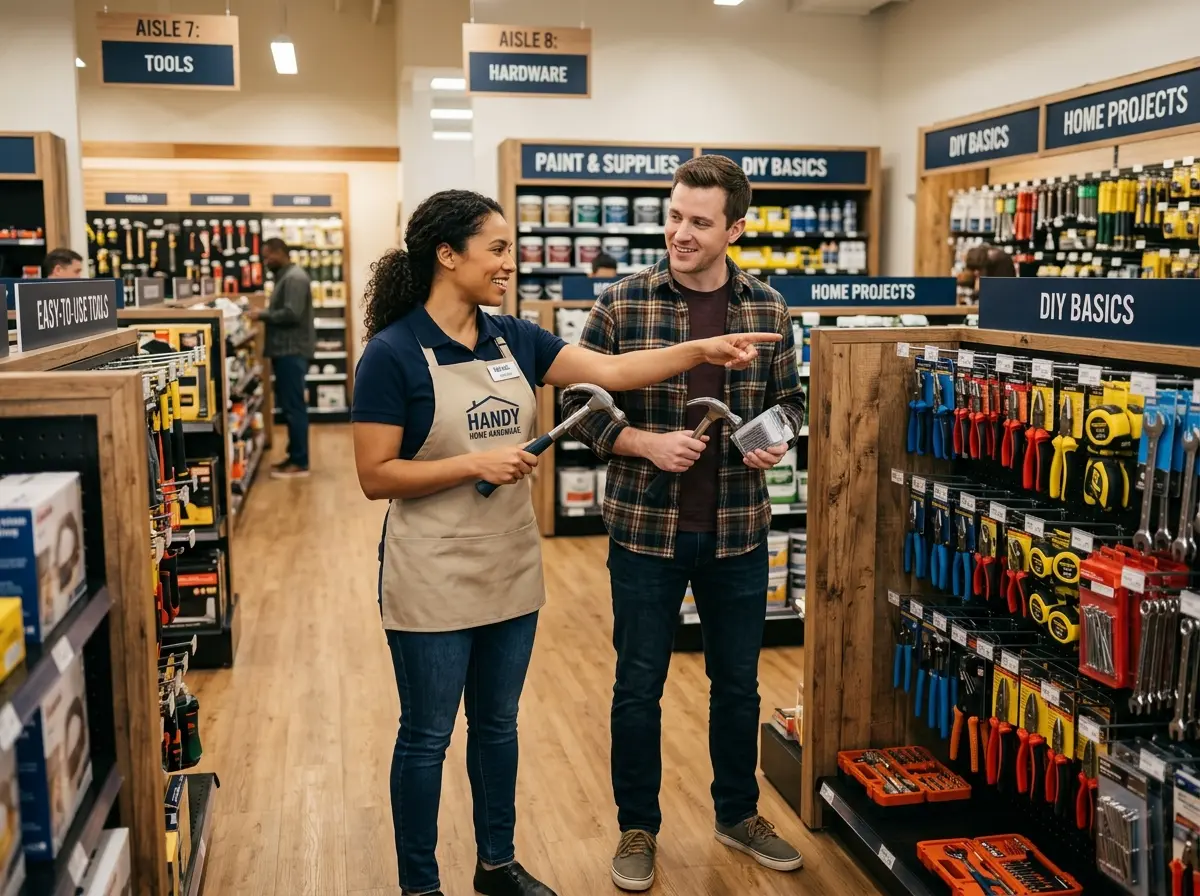
- In-store sign-ups: Train your staff to mention your text club at checkout. A simple "Would you like to get exclusive deals by text?" goes a long way.
- Keyword campaigns: Display a keyword and shortcode on receipts, packaging, signage, or your social media bios.
- Website pop-ups: Offer a first-purchase discount in exchange for a phone number — just make sure the opt-in language is crystal clear.
- QR codes: Place QR codes on product tags, shelves, or fitting room mirrors that link directly to your SMS opt-in page.
Choosing the Right SMS Platform
How Smart Tools Like Stella Can Strengthen Your Customer Relationships
SMS marketing doesn't live in a vacuum. The messages you send should connect to a broader strategy for capturing customer information, personalizing experiences, and responding to interest quickly. This is where having the right infrastructure in place makes all the difference — and where Stella, the AI robot employee and phone receptionist, fits into the picture for retail businesses.
Stella greets customers inside your store, answers their questions about products, services, and promotions, and collects customer information through conversational intake forms — right at the kiosk, on your website, or over the phone. That contact data feeds directly into her built-in CRM, complete with custom fields, tags, notes, and AI-generated customer profiles. In other words, she helps you build the very subscriber list and customer data you need to run smarter, more personalized SMS campaigns. And when customers call after receiving one of your texts? Stella answers 24/7, so no lead ever hits a voicemail dead end during your busiest season.
Writing Texts That Actually Get Results
The Anatomy of a High-Converting SMS
"Hey [First Name]! 🛍️ Our summer sale starts TODAY — 30% off everything in-store and online. Shop now: [link] Reply STOP to opt out."
Simple, warm, specific, and actionable. Compare that to: "Big sale happening! Come check us out!" — which tells the customer nothing useful and gives them no reason to click. Personalization tokens (like first name) consistently boost engagement, so use them when your platform supports it. And don't underestimate the power of a well-placed emoji — it adds personality without wasting character space.
Segmentation: Stop Texting Everyone the Same Thing
Consider segmenting by purchase history, location (especially useful for multi-location retailers), product category interest, loyalty tier, or engagement level. A lapsed customer segment, for instance, is a great candidate for a winback campaign: "We miss you! Here's 15% off your next visit — valid this weekend only." That feels personal because it essentially is, and personal messages convert.
Timing, Frequency, and the Art of Not Being Annoying
Even the best SMS message can backfire if it arrives at 7:00 AM on a Sunday. As a general rule, stick to sending between 10 AM and 8 PM in your customer's local time zone. Most platforms handle time zone delivery automatically — use that feature.
For frequency, the sweet spot for most retail brands is two to four messages per month for general subscribers, with additional transactional or triggered messages (order confirmations, shipping updates, appointment reminders) layered on top. Go beyond that, and you'll see opt-out rates climb. The goal is to be a welcome guest in someone's messages app, not a door-to-door salesperson who won't take a hint.
Quick Reminder About Stella
If you're looking for a way to capture more customer contacts, answer questions about your promotions around the clock, and give your retail business a professional edge without adding headcount, Stella is worth a serious look. She works as a friendly AI kiosk inside your store and as a 24/7 AI phone receptionist — starting at just $99/month with no hardware costs upfront. She's always ready, never calls in sick, and never forgets to mention the sale.
Start Texting Smarter, Not Just More
- Audit your current opt-in process. Do you have a compliant, clear way for customers to subscribe? If not, build one before you do anything else.
- Choose an SMS platform that integrates with your existing tools — your POS system, e-commerce platform, or CRM.
- Define two or three customer segments you can target with distinct, relevant messages.
- Draft your first campaign — a welcome message for new subscribers with a small incentive is always a great place to start.
- Set a send schedule and stick to it. Consistency builds trust and anticipation.