The Checkout Experience: Where Customer Love Goes to Die (Or Thrive)
Picture this: A customer has spent twenty minutes in your store, found exactly what they wanted, and is genuinely excited about their purchase. They're practically glowing. Then they hit your checkout line. Five minutes pass. Then ten. The glow fades. By the time they reach the register, they've mentally composed a one-star review, reconsidered every life choice that led them here, and vowed to order everything online from now on.
Sound familiar? You're not alone. According to research by Waitwhile, 75% of customers believe waiting in line is the worst part of the in-store shopping experience — and roughly one in four Americans will abandon a purchase entirely if the line looks too long. That's revenue walking straight out your door, and it's entirely preventable.
The good news? Re-engineering your checkout process doesn't require a Silicon Valley budget or a PhD in operations management. It requires thoughtful systems, the right tools, and a willingness to actually look at your process from the customer's perspective. Let's get into it.
The Anatomy of a Broken Checkout Process
Before you can fix something, you have to understand why it's broken. Most checkout bottlenecks don't come from one catastrophic failure — they come from a slow accumulation of small friction points that compound into a genuinely unpleasant experience. Here's where things typically go wrong.
The Information Black Hole
One of the most underrated time-killers at checkout is the moment a customer asks a question your staff can't immediately answer. "Is this compatible with the model I already have?" "Do you have a loyalty program?" "What's your return policy?" Each of these questions sends a staff member on a scavenger hunt — checking with a manager, consulting a binder from 2019, or disappearing into the back room entirely. Meanwhile, the line grows.
The fix here is twofold: invest in staff training so frontline employees actually know your products and policies, and create accessible reference resources. A well-organized digital FAQ screen near the checkout area, or a staff tablet with a product database, can eliminate a surprising number of these interruptions before they happen.
Payment and Process Friction
If your payment terminal is older than your youngest employee, it might be time for an upgrade. Outdated POS systems that run slowly, don't support tap-to-pay, or require customers to enter a PIN three separate times are silent killers of checkout speed. Modern payment systems process transactions faster, support more payment types, and often integrate directly with inventory and loyalty programs — reducing manual data entry and the errors that come with it.
Also worth examining: how many steps does your checkout actually involve? Every extra prompt, confirmation screen, or paper form is another second (or ten) added to the process. Map out your checkout flow and ruthlessly cut anything that doesn't serve a necessary purpose.
Staffing and Queue Management
You can have the best systems in the world and still have terrible checkout experiences if you're chronically understaffed during peak hours. Use your transaction data to identify when your busiest windows are — most POS systems can generate this report — and schedule accordingly. A staggered break schedule during lunch rushes, or a designated "express assist" role during peak periods, can make a dramatic difference. One extra body at checkout during a Friday afternoon rush isn't a luxury; it's a revenue-protection strategy.
Technology That Actually Helps (Not Just Looks Impressive)
There's no shortage of tech solutions promising to revolutionize your customer experience. Some of them are genuinely useful. Others are expensive toys that collect dust within six months. The key is identifying tools that reduce friction in your specific context, rather than adopting technology for technology's sake.
Where Stella Fits In
Stella, the AI robot employee and phone receptionist, is particularly useful for reducing the kinds of pre-checkout friction that slow everything down. By standing inside your store and proactively engaging customers — answering product questions, explaining promotions, and even helping with upsells — she prevents the "I have a quick question" pile-up that tends to happen at the register. Customers who arrive at checkout already informed and confident in their choices move through the process significantly faster.
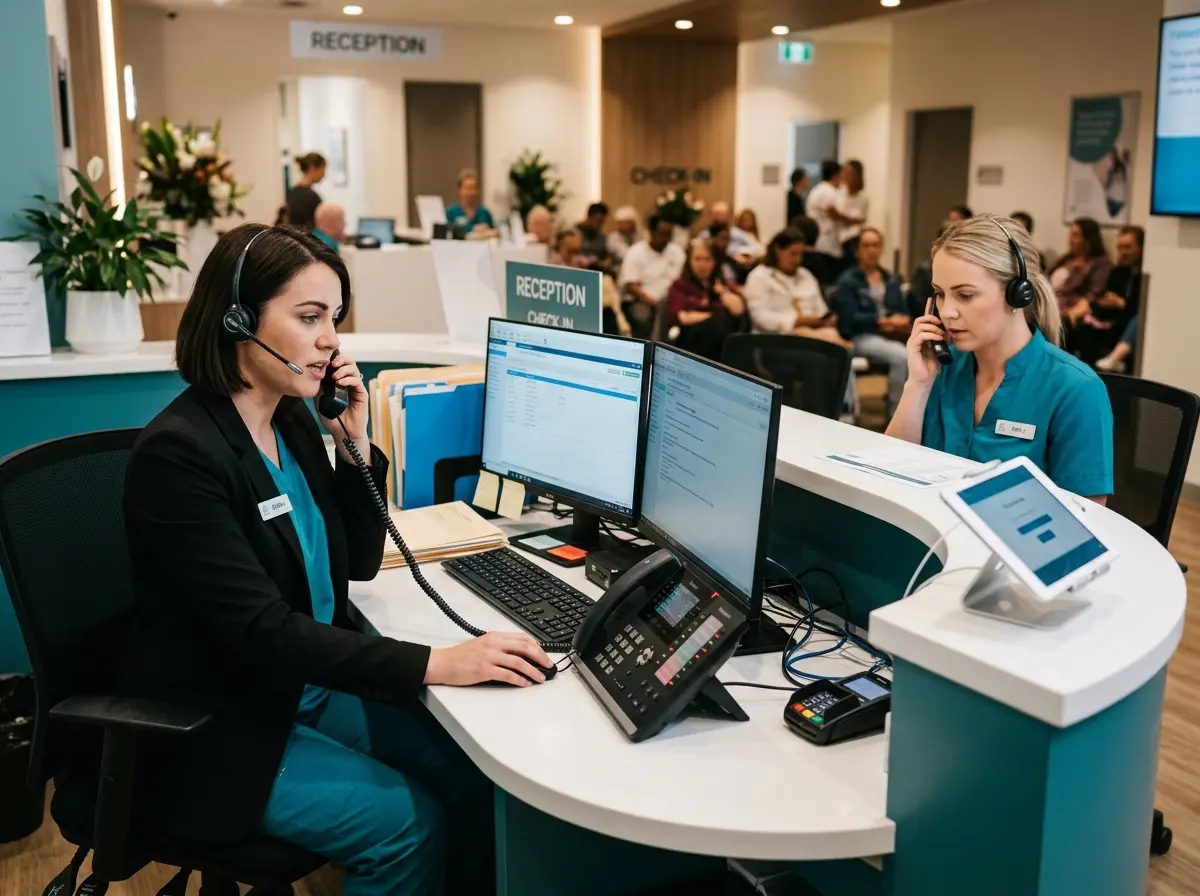
Stella also handles your phone lines, which matters more than you might think. Every time a ringing phone pulls a staff member away from the register, your checkout line gets longer. With Stella answering calls 24/7, fielding questions about hours, policies, and products — and only escalating calls that genuinely need a human — your team stays focused where it counts. At $99/month with no upfront hardware costs, she's a surprisingly affordable fix for a very real operational headache.
Creating a Checkout Experience Customers Actually Remember (Positively)
Speed is important, but it's only half the equation. A checkout that's fast but cold and impersonal doesn't create loyal customers — it creates efficient transactions. The businesses that win long-term are the ones that make the checkout moment feel like a natural, satisfying conclusion to a good experience, not a toll booth at the end of a road trip.
Train for the Last Impression
Psychologists call it the "peak-end rule": people judge an experience based primarily on how they felt at its most intense moment and at its end. Your checkout is the end. That means the staff member handling checkout has an outsized influence on how customers remember their entire visit — even if everything else went perfectly.
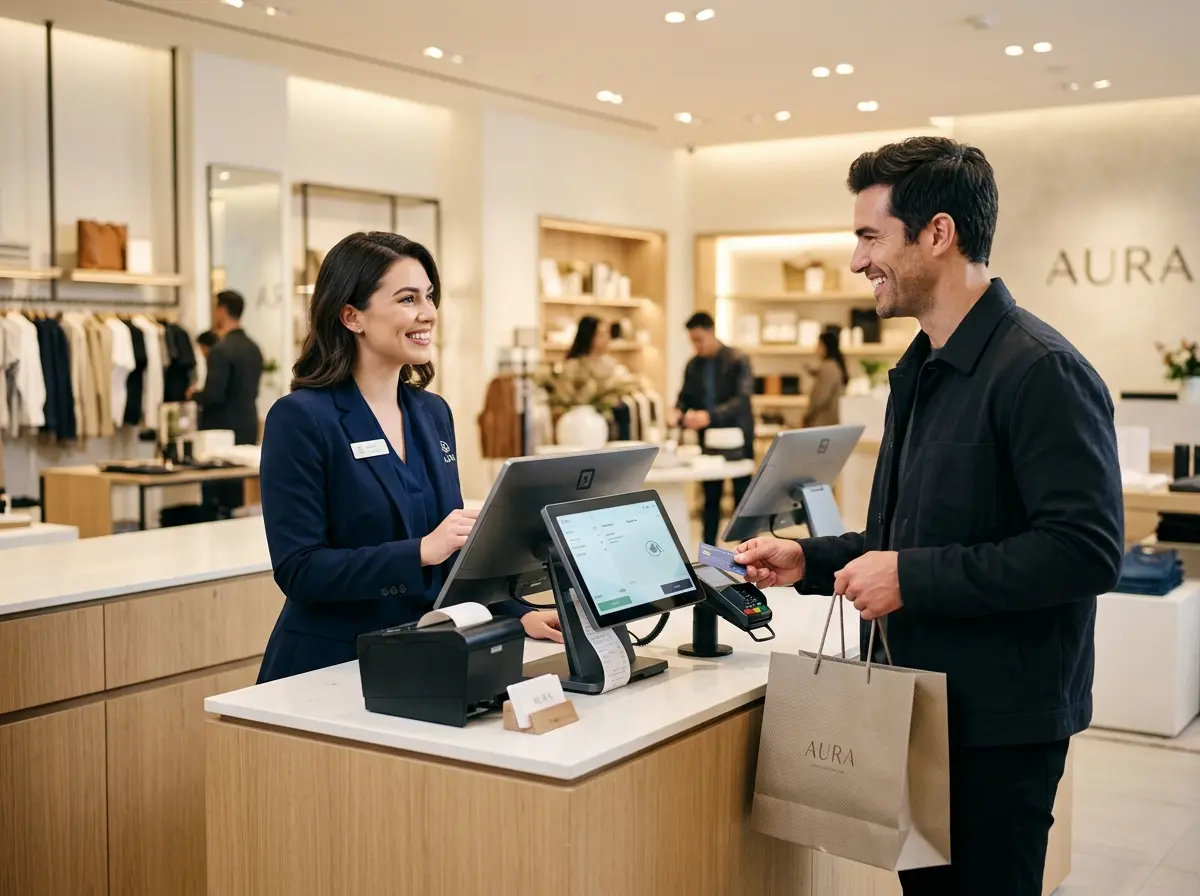
Train your checkout staff to make genuine eye contact, use the customer's name if it's available, and close with something more memorable than a mumbled "have a nice day." A brief, sincere comment — acknowledging a good product choice, mentioning an upcoming promotion, or simply being a real human being for thirty seconds — costs nothing and can be the difference between a one-time visitor and a loyal regular.
Loyalty Programs and Incentive Capture
Checkout is prime real estate for loyalty program enrollment and customer data capture — but only if it's done efficiently. A clunky sign-up process that requires customers to fill out a paper form while twelve people wait behind them is not the move. Digital sign-up via QR code, text-to-join options, or a brief conversational intake at a self-service kiosk can capture the same valuable information without grinding your line to a halt.
Once you have that data, use it. Personalized follow-up, birthday offers, and targeted promotions based on purchase history turn checkout data into actual revenue. Most modern CRM and POS integrations make this more straightforward than it used to be — the barrier is usually not the technology, but actually committing to using it consistently.
Post-Checkout Follow-Through
The experience doesn't end when the receipt prints. A well-timed follow-up — a thank-you message, a review request, or a notification about a related product — keeps your business top of mind and signals to the customer that they matter beyond their transaction. Automated email and SMS sequences triggered by purchase events are widely available through most modern CRM tools and take minimal setup for a meaningful long-term payoff. The businesses that invest in post-checkout communication consistently outperform those that treat the sale as the finish line.
Quick Reminder About Stella
Stella is an AI robot employee and phone receptionist designed for businesses of all sizes — whether you have a bustling retail floor or you're a solopreneur managing everything yourself. She greets customers in-store, promotes your deals, answers questions, and handles phone calls around the clock, all for $99/month with no complicated setup. If checkout friction is partly a staffing and information problem, Stella is worth a serious look.
Start Small, Think Big, Move Fast
Re-engineering your checkout process doesn't have to be a six-month overhaul project with a five-figure price tag. Some of the highest-impact changes cost nothing at all — a shift in staff training, a smarter scheduling approach, or simply removing one unnecessary step from your payment flow.
Here's a practical starting point:
- Time your own checkout process. Stand in line as a customer (or have someone do it for you) and clock every step from queue entry to exit. You'll spot friction points immediately.
- Survey your staff. The people running your register every day know exactly where things break down. Ask them. Then actually act on what they tell you.
- Audit your technology. Is your POS system current? Does it support modern payment methods? Is it integrated with your inventory and loyalty programs? If not, the ROI on an upgrade is likely faster than you think.
- Review your peak-hour staffing. Pull three months of transaction data and identify your five busiest windows. Schedule an extra body during those windows for one month and measure the impact on both transaction speed and customer feedback.
- Invest in the last impression. Build a checkout training module — even a short one — focused specifically on the customer-facing behaviors that turn a transaction into a relationship.
The checkout process is one of the few touchpoints in your business where every single customer shows up. It deserves at least as much attention as your marketing, your product selection, or your store layout. Fix it well, and the smiles your customers leave with will do more for your business than any ad campaign you'll ever run.