So You Want to Be on Local News (Without Doing Anything Embarrassing)
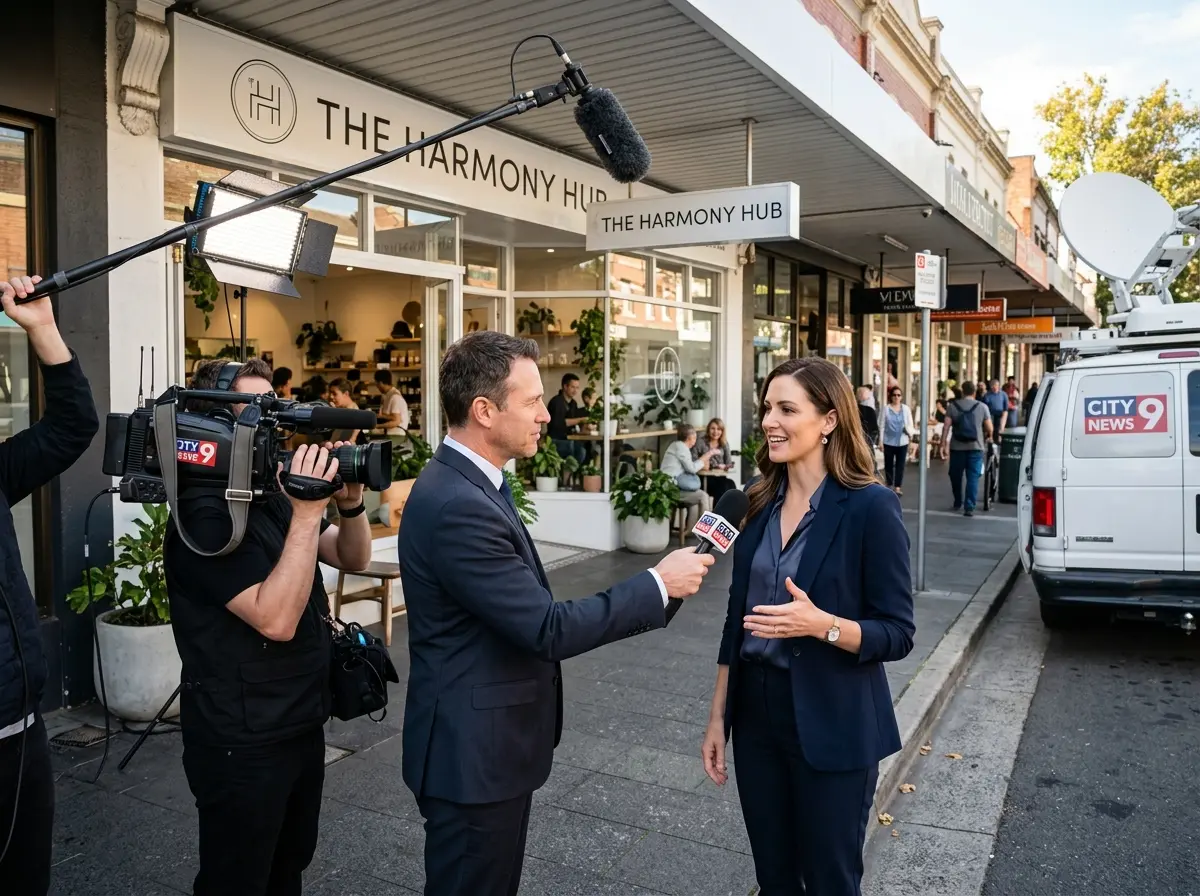
Let's be honest — most business owners secretly dream about the moment a local news crew shows up with cameras, asking them for their expert opinion. Maybe it's the morning show segment on "innovative local businesses." Maybe it's the feel-good Friday feature. Maybe it's just someone finally noticing how hard you've been working. Whatever the fantasy, getting your service business featured on local news is a very real, very achievable goal — and no, you don't need to do anything viral, controversial, or involving a costume.
The truth is, local news outlets are constantly hungry for content. According to a 2022 Pew Research study, local TV news remains one of the most trusted sources of information in America, and reporters are perpetually on deadline, looking for compelling stories to fill their segments. Your job isn't to beg for coverage — it's to make yourself so obviously newsworthy that saying yes becomes the easy choice.
This guide will walk you through exactly how to do that: from building your story angle to pitching reporters like a pro, and making sure your business looks polished enough to survive HD cameras and a live audience.
Building a Story Worth Telling
Before you send a single email to a journalist, you need to answer one brutally honest question: Why would anyone care? Not why your mother would care, not why your best customer would care — why would a random viewer in your city, sipping coffee on a Tuesday morning, lean forward and pay attention? That's the bar. And it's more reachable than you think.
Find Your Human Angle
News, at its core, is about people. It's not about your service menu, your square footage, or your five-star reviews (though those are lovely). The stories that get picked up are the ones with heart — the auto shop owner who started hiring veterans, the salon that offers free services to cancer patients, the gym that launched a free class for seniors. Think about what your business does that changes someone's life, even in a small way. That's your angle.
Dig into your own story, too. Are you a first-generation business owner? Did you pivot during a difficult time and survive? Did you solve a community problem nobody else was addressing? Journalists love origin stories and comeback narratives. Write yours down in plain language and see if it gives you goosebumps. If it does, it just might give a producer goosebumps too.
Tie Your Story to a Trend or Local Event
One of the fastest ways to get local media attention is to attach your business to something that's already in the news cycle. Is your city experiencing a small business revival? Are you doing something innovative with technology? Is there a local event, awareness month, or community initiative you're actively supporting? Reporters are much more likely to feature you when you help them connect the dots to a larger story they're already covering.
For example, if it's National Small Business Week, pitch yourself as a local success story with a unique twist. If your city is talking about workforce challenges, and you've found a creative solution, you're not just a business — you're a data point in a compelling narrative. Position yourself as the human face of a bigger trend, and you'll be far ahead of the competition.
Develop a Clear, Quotable Message
Television, especially local news, moves fast. Producers want guests and subjects who can deliver a clear, confident message in about 20 seconds. Before you pitch anyone, practice your story out loud. Can you explain what your business does, why it matters, and what makes it unique — all in two or three sentences? That's your soundbite. Polish it, practice it, and be ready to deliver it without sounding like you're reading from a teleprompter.
Making Your Business Camera-Ready (And Call-Ready)
You've got a great story. Now let's make sure your business is ready for the spotlight — because nothing undermines a great media feature like a chaotic front desk, unanswered phones, or a staff member who looks mildly panicked on camera.
First Impressions on Screen and on the Phone
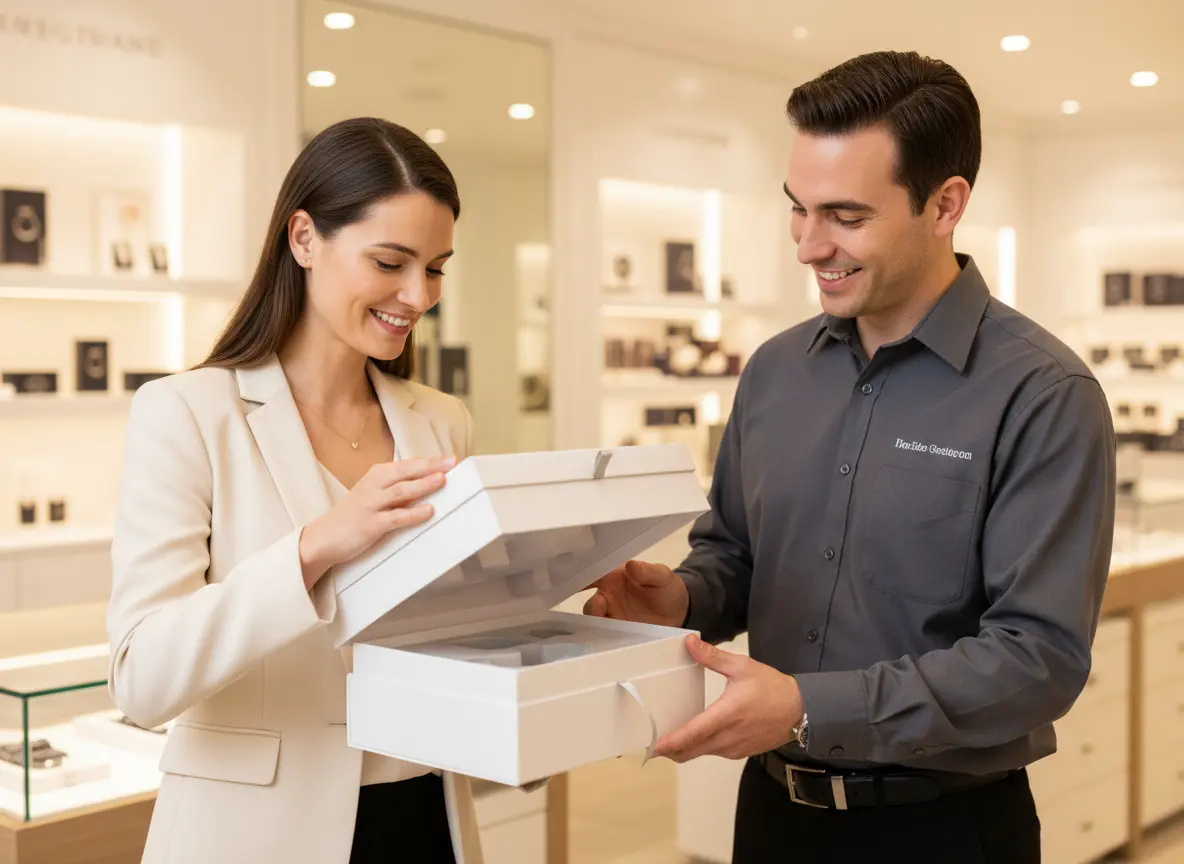
When a news segment airs about your business, two things happen simultaneously: people walk through your door, and people call your phone. Both of those first impressions matter enormously, and both need to be flawless. This is exactly where Stella, the AI robot employee and phone receptionist, can make a real difference. Stella greets every customer who walks in — proactively, professionally, and without needing a coffee break — while also answering every incoming call 24/7 with the same depth of business knowledge she uses in person. When a news segment drives a sudden spike in inquiries, Stella handles the surge so your human staff can focus on delivering the exceptional service that got you featured in the first place.
Think of it this way: your media moment is only as good as what happens next. Stella's built-in CRM, conversational intake forms, and AI-generated customer profiles mean that every lead captured during your moment of fame is logged, organized, and followed up on — not lost in a stack of sticky notes.
Pitching Local Journalists Without Being Annoying About It
Here's a hard truth: most journalists and producers receive dozens — sometimes hundreds — of pitches every week. The ones that get read are short, relevant, and respectful of the recipient's time. The ones that get deleted are the ones that read like press releases written by a committee of robots in 1997. Let's make sure yours gets read.
Research Before You Reach Out
Do not — and this cannot be stressed enough — send a generic pitch to every reporter at every outlet simultaneously. Instead, spend time watching local news segments, reading bylines, and identifying the specific reporters who cover community stories, small business features, or lifestyle segments. Follow them on social media. Understand what kinds of stories they tell and what their audience responds to. When you reach out, you'll be able to say something specific: "I saw your segment on the Riverside Food Co-op and thought my business might fit a similar angle." That one sentence separates you from 90% of the other pitches in their inbox.
Write a Pitch That Gets to the Point
Your pitch email should be no longer than three short paragraphs. The first paragraph should hook them immediately with your story angle — not your business name, not your credentials, the story. The second paragraph should provide a bit of context: who you are, what your business does, and why your story is timely or relevant right now. The third paragraph should be a clear call to action — offer a tour, a brief phone call, or a demo. Make it easy to say yes.
Avoid attachments in your first email (they trigger spam filters and annoy busy people). Include a link to your website, a high-quality photo or two if possible, and your direct contact information. Follow up once — just once — after about a week if you don't hear back. After that, let it go and try again next month with a fresh angle.
Build Ongoing Relationships with Local Media
Getting featured once is great. Becoming a go-to local expert is even better. The businesses that show up repeatedly on local news aren't necessarily the most newsworthy — they're the ones who made it easy and enjoyable to work with them. Send a thank-you note after any coverage. Share the segment enthusiastically on your social media (reporters notice). Offer to be a resource for future stories, even ones where you're just a quoted expert rather than the main feature. Over time, you become part of their mental Rolodex, and when a relevant story comes up, your name is the first one they think of.
Quick Reminder About Stella
Stella is an AI robot employee and phone receptionist designed to handle the front-line work your business needs covered around the clock — greeting walk-in customers, answering calls 24/7, promoting your offerings, and keeping your operations running smoothly for just $99/month with no upfront hardware costs. When your local news feature sends a wave of new customers your way, Stella makes sure not a single one of them slips through the cracks.
Your Next Steps: Go Get That Feature
Getting your service business featured on local news is not a matter of luck — it's a matter of preparation, positioning, and persistence. Start by identifying the most compelling story your business has to tell, whether that's your origin, your community impact, or your unique approach to a familiar problem. Then do the work to tie that story to something timely and relevant to your local audience.
From there, research the right reporters, craft a concise and compelling pitch, and follow up like a professional rather than a pest. In the meantime, make sure your business is ready to handle the attention — because a TV segment that drives traffic to an unresponsive phone line or a chaotic storefront is a missed opportunity of the most frustrating variety.
Here's your action checklist to get started:
- Write down your business story in three sentences or fewer
- Identify one current local or national trend your business connects to
- Research two or three local reporters who cover relevant beats
- Draft a short, story-first pitch email (not a press release)
- Audit your customer-facing experience — phone, in-person, and online
- Set a calendar reminder to follow up in one week and try a new angle in one month
Your story is out there. A journalist somewhere needs it to fill a segment. Go make their day — and yours.