The Silent Killer of Spa Revenue (And No, It's Not the Essential Oils)
You've blocked off the time. Your esthetician is prepped. The aromatherapy candles are lit. The cucumber water is chilled and waiting. And then — nothing. Your 2:00 PM doesn't show. Again.
No-shows are the bane of every spa owner's existence, and if you've been in the industry for more than five minutes, you already know the pain. According to some industry estimates, appointment-based businesses lose anywhere from 5% to 30% of their potential revenue to no-shows and last-minute cancellations. That's not a rounding error — that's a real chunk of your bottom line evaporating while your staff stands around rearranging towels.
The good news? There's a deceptively simple tool that can dramatically reduce no-shows at your spa: the pre-appointment confirmation. It sounds almost too straightforward to be the answer, but the data — and the experience of thousands of service-based businesses — says otherwise. Let's break down why it works, how to do it right, and how to make the whole process nearly effortless.
Why No-Shows Happen (And Why It's Rarely Malicious)
Before we talk solutions, it helps to understand the problem. Most clients who skip their appointments aren't villains twirling their mustaches. They're just... human. Life gets busy, calendars get cluttered, and that facial they booked three weeks ago slips right off their mental radar. Understanding this shifts your mindset from frustration to strategy.
The "Out of Sight, Out of Mind" Problem
When a client books a spa appointment, especially one scheduled weeks in advance, the event exists in your system — but it may barely exist in their world. They booked it during a moment of self-care motivation, confirmed with good intentions, and then went back to answering emails and chasing kids around. Without a reminder, that appointment has to compete with everything else on their plate. Spoiler: it usually loses.
This is why a well-timed confirmation message isn't nagging — it's a genuine service. You're helping your client keep a commitment they actually want to keep. Framed this way, confirmations feel less like administrative busywork and more like part of the client experience.
The Cancellation Window Problem
Another common scenario: the client does remember — but they assume canceling at the last minute (or just not showing up) isn't a big deal. They don't always understand the downstream impact of an empty slot on your schedule and your staff's income. A confirmation message, especially one that gently restates your cancellation policy, serves as a quiet but effective reminder that their appointment has real value attached to it.
Including a clear, friendly note about your cancellation window — "Please let us know at least 24 hours in advance if you need to reschedule" — gives clients the opportunity to act responsibly, and gives you the chance to fill the slot if they can't make it.
Building a Confirmation System That Actually Works
Not all confirmation messages are created equal. A generic, robotic reminder that reads like it was written by a spreadsheet isn't going to inspire confidence or action. Your confirmation touchpoints should feel like an extension of your spa's brand — warm, professional, and worth reading.
Timing Is Everything
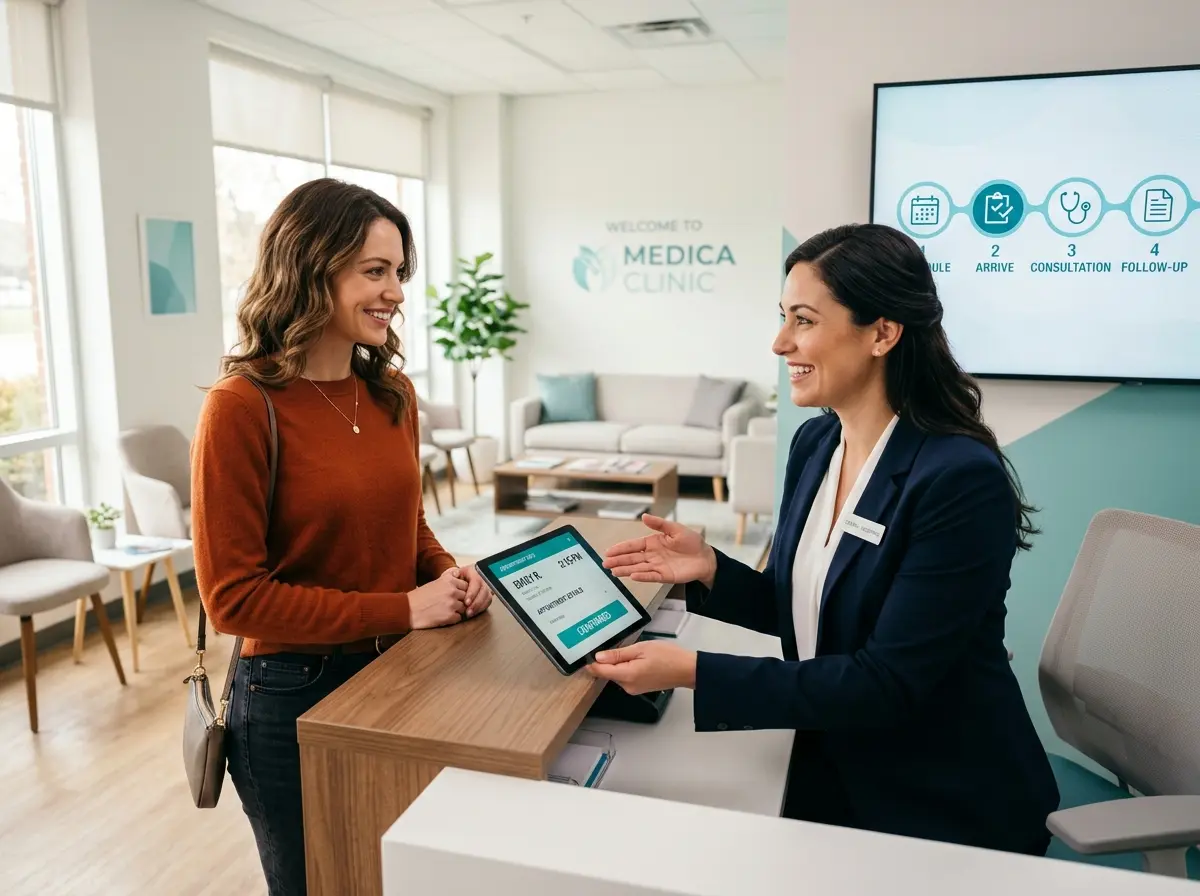
The sweet spot for appointment confirmations typically involves two touchpoints: one sent 48 to 72 hours before the appointment, and a shorter reminder sent the morning of. The first message gives clients enough time to reschedule if something has come up. The morning reminder is the gentle nudge that keeps the appointment top of mind when they're planning their day.
Sending only one reminder — or worse, sending it the night before at 9 PM — significantly reduces its effectiveness. Think of it like watering a plant: one flood and then nothing doesn't work nearly as well as consistent, well-timed care.
What to Include in a Great Confirmation Message
A strong pre-appointment confirmation does more than just restate the date and time. Here's what the most effective ones include:
- The basics: Date, time, service booked, and the name of their service provider (if applicable).
- A clear call to action: A simple way to confirm, cancel, or reschedule — ideally a one-click reply, a link, or a phone number to call.
- Your cancellation policy: Keep it brief and friendly, but make sure it's there.
- Anything they need to prepare: Arrive 10 minutes early, avoid caffeine before a certain treatment, bring a form of payment — whatever applies to their visit.
- A touch of your brand personality: Even one warm sentence ("We can't wait to pamper you!") goes a long way toward making the message feel human.
What you don't need: a wall of text, legal disclaimers longer than a mortgage document, or three different phone numbers to call. Keep it clean and clear.
Multi-Channel Is Your Friend
Some clients live in their email inbox. Others won't see an email for three days but will respond to a text within three minutes. A robust confirmation strategy uses more than one channel — typically a combination of SMS and email — to make sure the message actually lands. SMS confirmations in particular have shown open rates above 90%, compared to around 20–30% for email. That gap matters when you're trying to prevent an empty massage table on a Tuesday afternoon.
Phone calls also still have their place, particularly for high-value appointments or clients who prefer a personal touch. A quick, friendly call the day before can reinforce your spa's commitment to service while ensuring the client is actually coming in.
How Automation (and a Little AI) Can Take This Off Your Plate
Here's the part where we acknowledge reality: you are a spa owner, not a full-time appointment confirmation coordinator. You have facials to oversee, staff to manage, inventory to track, and approximately 47 other things on your to-do list. Manually confirming every appointment by phone or text is not a scalable solution — and it shouldn't be.
Let Technology Do the Heavy Lifting
This is where Stella, the AI robot employee and phone receptionist, becomes genuinely useful for spa owners. Stella handles inbound calls around the clock, meaning when a client calls to confirm, cancel, or reschedule their appointment — even at 8 PM after your front desk has gone home — there's always a professional, knowledgeable presence ready to assist. She can collect client information through conversational intake forms, manage contact details through her built-in CRM, and make sure every interaction is logged and organized so nothing falls through the cracks.
For spas with a physical location, Stella's in-store kiosk presence also means walk-in clients and early arrivals can be greeted and engaged without pulling your staff away from the treatment rooms. It's a small thing that adds up to a noticeably smoother client experience.
What to Do When Clients Still Don't Show
Even the best confirmation system won't achieve a 100% show rate — because, again, humans. Having a clear plan for what happens when someone no-shows protects your revenue and your team's morale.
Have a Waitlist and Actually Use It
A waitlist is only valuable if you're actively maintaining it and reaching out quickly when a slot opens. When a client cancels or doesn't respond to a confirmation, that's your cue to contact the next person on the waitlist immediately. Speed matters here — a slot that opens up 24 hours before the appointment can usually be filled if you move fast. If you're relying on someone to manually manage this process, it will get dropped. Automation tools that send waitlist notifications the moment a cancellation comes in are worth every penny.
Enforce Your Cancellation Policy — Kindly but Consistently
Many spa owners are reluctant to charge no-show fees because it feels confrontational. But here's the thing: a policy that isn't enforced isn't a policy — it's a suggestion. Clients who know there are no consequences for skipping are statistically more likely to skip. Enforcing a reasonable cancellation fee (typically the cost of the service or 50% of it, depending on your market) communicates that your time has value. Most clients who are charged once don't no-show again. And the clients who argue aggressively about the fee? They were probably going to be difficult clients anyway.
The key is to communicate the policy clearly at the time of booking, restate it gently in your confirmation messages, and apply it consistently. Consistency is what transforms a policy into a culture.
Follow Up After a No-Show
A brief, non-accusatory follow-up message after a no-show — something like "We missed you today! We'd love to help you reschedule at a time that works better for you" — can recover clients who simply had a genuinely bad day and are embarrassed to reach out. It also gives you useful data: if certain clients repeatedly no-show and never respond to follow-ups, it may be time to require a deposit for future bookings.
A Quick Reminder About Stella
Stella is an AI robot employee and phone receptionist built for businesses like yours — she greets clients in-store, answers calls 24/7, promotes your services and specials, and handles intake and CRM management with zero days off and no attitude. She runs on a straightforward $99/month subscription with no upfront hardware costs, which means she pays for herself the moment she prevents a couple of no-shows or frees your staff from answering the same questions repeatedly. Not a bad deal for a team member who never calls in sick.
Your No-Show Reduction Action Plan
Reducing no-shows at your spa isn't about adding complexity to your operations — it's about adding intention. The pre-appointment confirmation is one of the highest-return, lowest-effort improvements you can make to your booking process, and the spas that do it consistently see measurable results: fewer empty slots, better revenue predictability, and clients who feel more connected to their appointments.
Here's where to start:
- Audit your current process. Are you sending confirmations at all? How many touchpoints? What channels? Identify the gaps before you try to fill them.
- Set up a two-step confirmation sequence. A 48–72 hour message followed by a morning-of reminder, delivered via SMS and email, is the baseline to aim for.
- Make sure your cancellation policy is visible and enforced. Include it in every confirmation message and on your booking page.
- Build a real waitlist system. Make sure cancellations trigger immediate outreach to your waitlist, not a sticky note on someone's desk.
- Explore automation tools — including AI-powered phone and client management solutions — that can handle the heavy lifting without adding to your team's workload.
Your candles deserve to burn for a paying client. Your team deserves a full schedule. And your revenue deserves to stop disappearing into the void of forgotten appointments. A great pre-appointment confirmation system is how you make all of that happen — one timely text message at a time.