Introduction: Because "Just Clean Their Teeth" Isn't Exactly a Revenue Strategy
Let's be honest — dental health is one of the most chronically underutilized revenue opportunities in veterinary practice. Studies suggest that up to 80% of dogs and 70% of cats show signs of periodontal disease by age three, yet a significant portion of pet owners leave their annual wellness appointments blissfully unaware that their beloved fur baby is essentially walking around with the oral hygiene of a medieval peasant. That's not just a health problem. That's a missed conversation — and a missed revenue opportunity — happening dozens of times a week in your waiting room.
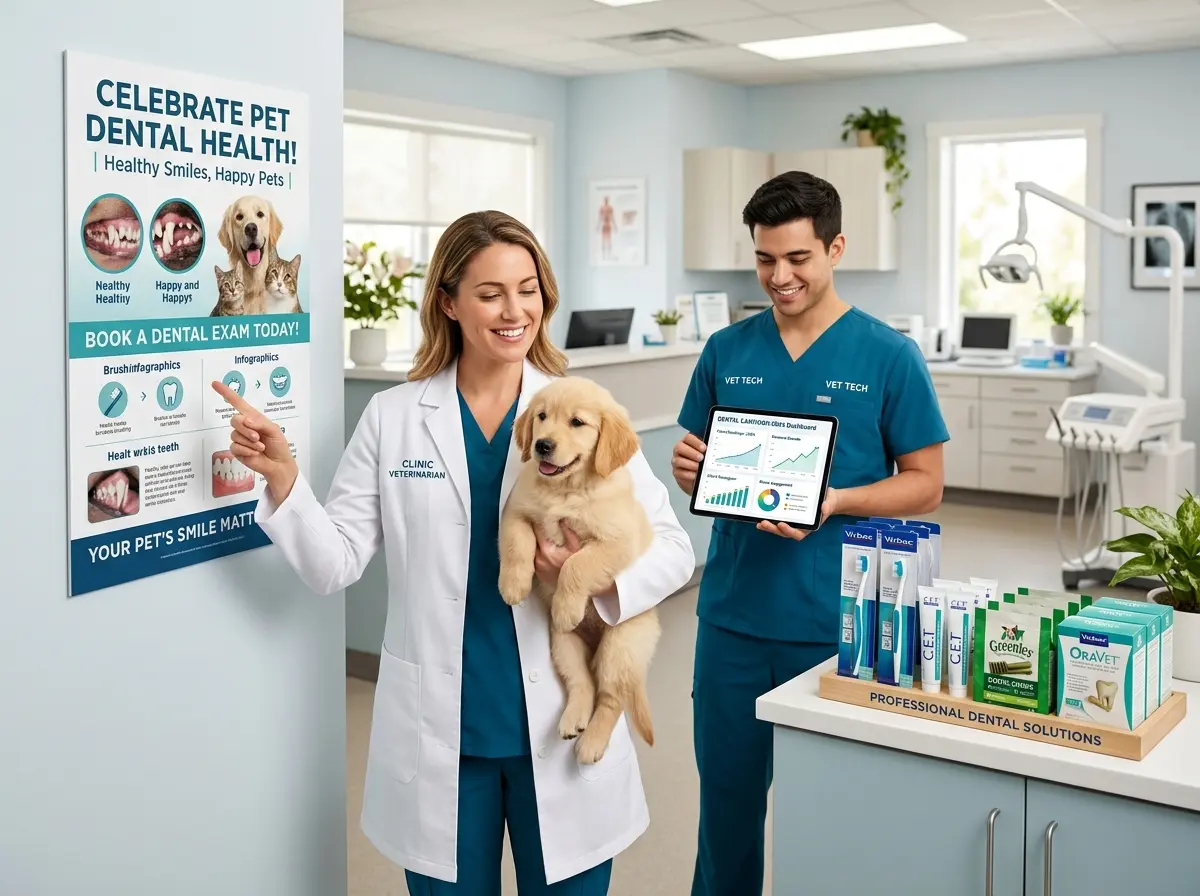
A well-executed dental health campaign isn't just good medicine. It's good business. It creates recurring touchpoints with existing clients, educates pet owners who genuinely want to do right by their animals, and generates meaningful additional annual revenue without requiring you to add a single new service to your menu. The trick is building a campaign that's structured, consistent, and actually reaches people — rather than a laminated poster in your waiting room that nobody reads after the first Tuesday it goes up.
This guide will walk you through exactly how to build that campaign from the ground up, keep it running without burning out your staff, and turn February's National Pet Dental Health Month into a year-round revenue engine.
Building the Foundation of Your Dental Health Campaign
Know Your Numbers Before You Launch Anything
Before you design a single flyer or send a single email, spend an afternoon pulling data from your practice management software. How many patients came in last year for wellness exams? Of those, how many received a dental cleaning? What percentage of your clients have received a dental health recommendation in their visit notes but never followed through with scheduling? These numbers will be uncomfortable. That's the point. They'll also tell you exactly how much revenue is sitting uncaptured in your existing client base, which is far more motivating than any generic industry statistic.
A reasonable benchmark: if dental procedures represent less than 10–15% of your total annual revenue, there's almost certainly room to grow. Many practices that implement intentional dental campaigns report increasing dental revenue by 20–30% within the first year — not by attracting new clients, but simply by doing a better job of following up with the ones they already have.
Create Tiered Dental Health Packages
One of the most effective structural moves you can make is packaging your dental offerings into clear, easy-to-communicate tiers. When a client asks "how much does a dental cleaning cost?" and the answer is a long explanation involving anesthesia variables, pre-op bloodwork, and extraction possibilities, eyes glaze over and wallets stay shut. Simplicity sells.
Consider building something like a Basic Dental Wellness Package (exam, dental assessment, and take-home dental hygiene kit), a Standard Cleaning Package (pre-anesthetic bloodwork, anesthesia, ultrasonic scaling, and polishing), and a Comprehensive Dental Care Package (full standard cleaning plus dental radiographs and a post-care consultation). Give them names, give them prices, put them on your website, and train your front desk team to reference them confidently. Packages also make upselling and cross-selling dramatically easier — more on that shortly.
Build a 12-Month Campaign Calendar, Not Just a February Push
National Pet Dental Health Month in February is a gift — use it as your campaign launch pad. But the mistake most practices make is treating it as the whole campaign rather than the opening act. A true dental health revenue campaign runs all year. February is your awareness blitz and discount window. March through May is your follow-up period for clients who expressed interest but didn't book. Summer is when you tie dental reminders into annual wellness visit communications. Fall is your "don't let the holidays sneak up without addressing this" push. December is a reminder that dental disease doesn't take a Christmas break.
Map this out in advance. Assign responsibility for each communication touchpoint. Build the email templates now so they're not being written at 11pm the night before they need to go out. A campaign that lives on a calendar has a fighting chance. A campaign that lives in someone's head does not.
Streamlining Client Communication With the Right Tools
Let Technology Handle the Repetitive Outreach (So Your Team Doesn't Have To)
Here's a recurring nightmare scenario in veterinary practice: a technician finishes an exam, documents that the patient has Stage 2 periodontal disease and requires a dental cleaning, the doctor verbally recommends it to the client, the client says "let me think about it," and then… nothing. No follow-up call. No reminder email. The case disappears into the ether because your front desk team is juggling check-ins, check-outs, phone calls, and a labrador who has decided the lobby is his personal territory.
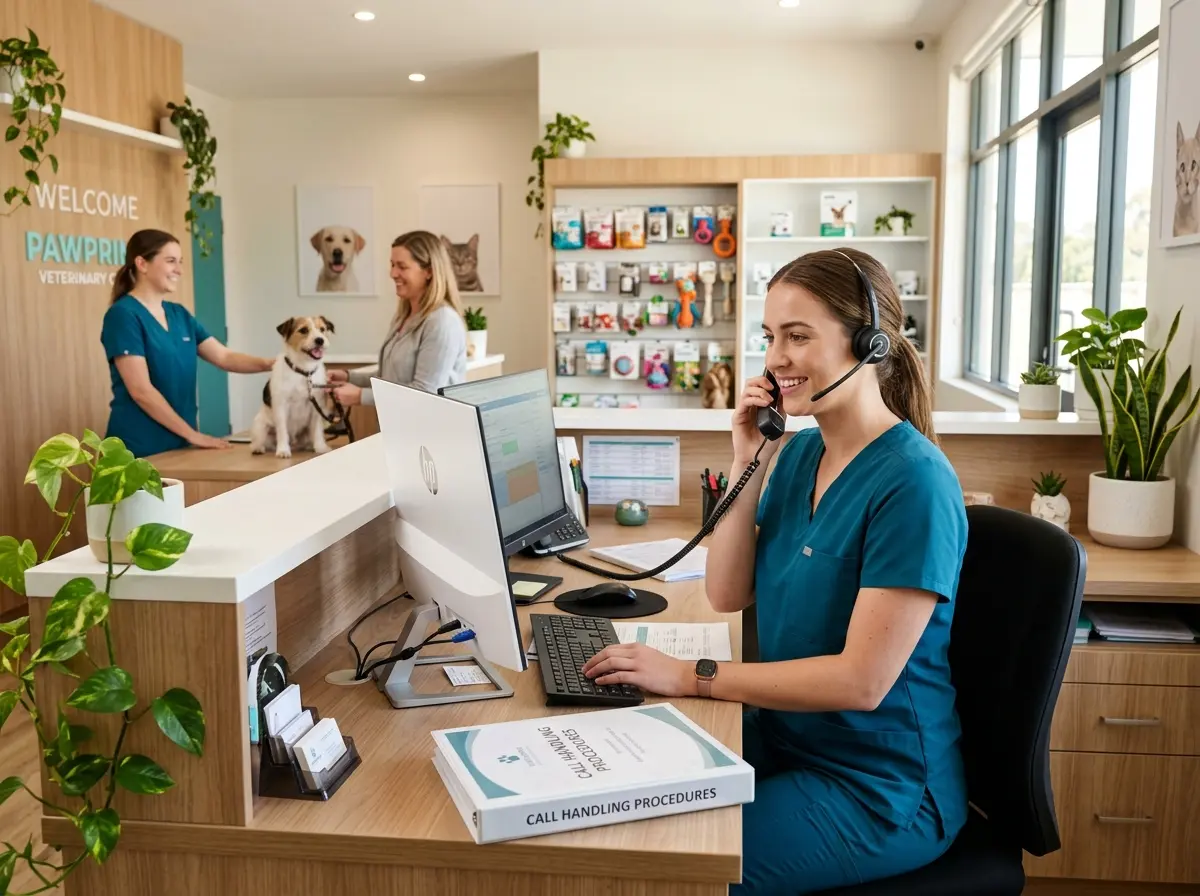
This is exactly where Stella — an AI robot employee and phone receptionist — genuinely earns her keep. For practices with a physical location, Stella operates as a friendly, human-sized AI kiosk right in your lobby, proactively engaging clients about current promotions, seasonal dental specials, and available packages while they're waiting. She doesn't get distracted, she doesn't forget to mention the February dental discount, and she doesn't have bad days. On the phone side, Stella answers calls 24/7, handles routine questions about dental services and pricing, and can collect client information through conversational intake forms — feeding it directly into her built-in CRM so nothing falls through the cracks. For a dental campaign specifically, that means every interested client gets captured, tagged, and followed up with — not just the ones who called during business hours when someone happened to be available.
Converting Interest Into Booked Appointments
Train Your Team to Have the Dental Conversation
Technology and marketing can bring clients to the edge of booking — but your team has to close the gap. One of the highest-leverage investments you can make in your dental campaign is training your veterinary technicians and front desk staff to communicate dental recommendations clearly, confidently, and without accidentally making clients feel judged. "Mr. Whiskers is showing early signs of periodontal disease, and we've actually got a really great dental package that covers everything he'd need" lands very differently than "his teeth are pretty bad and he probably needs a cleaning." Same clinical reality. Completely different client response.
Role-play these conversations in team meetings. It feels awkward. Do it anyway. Staff who practice the conversation once are dramatically more likely to have it comfortably in a real exam room. And consider incentivizing dental booking referrals internally — a small team bonus tied to monthly dental booking numbers creates alignment between your campaign goals and your team's daily behavior.
Remove Friction From the Booking Process
Every extra step between a client's interest and a confirmed appointment is a dropout risk. If your current booking process involves calling during business hours, being placed on hold, navigating through a multi-step scheduling conversation, and then waiting for a confirmation call — you are leaving bookings on the table. Specifically, you're losing the clients who are interested at 9pm on a Sunday, which is when many pet owners are sitting on their couch googling "how bad is dog dental disease" after noticing their dog's breath could strip paint.
Online booking is table stakes at this point. But beyond that, make sure your dental campaign landing page — whether it's a dedicated page or a section of your website — answers the most common objections upfront: Is anesthesia safe? Will it hurt my pet? How do I know if my pet really needs this? A simple FAQ section that addresses these directly will convert more visitors into callers and more callers into booked appointments.
Use Post-Visit Follow-Up as a Revenue Recovery Tool
Not every client will book a dental procedure on the day it's recommended. That's normal. What's not acceptable is letting those clients disappear without a structured follow-up sequence. A well-timed email three days after an exam — mentioning by name that their pet was flagged for a dental recommendation and including a direct booking link — will convert a meaningful percentage of "let me think about it" clients into scheduled appointments. Add a phone call follow-up at the two-week mark for high-priority cases (Stage 2 and above), and you've built a simple but effective recovery system that most practices don't have.
Automate as much of this as your practice management system allows. Tag clients by dental recommendation status. Set triggers. Let the system do the remembering so your team can focus on the clients who are actually in the building.
Quick Reminder About Stella
Stella is an AI robot employee and phone receptionist that works in-store as a lobby kiosk and answers phone calls around the clock — available for just $99/month with no upfront hardware costs. She's built to greet clients, promote your current dental specials, answer common service questions, and collect intake information so your human team can focus on care rather than repetitive administrative conversations. For veterinary practices running seasonal campaigns with high inquiry volume, she's the kind of staff member who never calls in sick during February.
Conclusion: Your Dental Campaign Won't Build Itself (But It Can Run Pretty Close to Automatically)
A dental health campaign that drives meaningful annual revenue isn't a matter of luck or exceptional marketing talent. It's a matter of structure, consistency, and removing the gaps where interested clients slip away unnoticed. You have the patients. You have the clinical expertise. You almost certainly have clients right now whose pets need dental care that hasn't been addressed. The campaign is just the system that connects those dots reliably, month after month, regardless of how busy your practice gets.
Here are your actionable next steps to get started:
- Pull your dental revenue data from last year and identify your baseline and your gap.
- Build two or three dental packages with clear names, inclusions, and prices — and put them on your website this week.
- Map a 12-month campaign calendar with specific communication touchpoints and assigned responsibilities.
- Audit your booking and follow-up process for friction points, and automate wherever your systems allow.
- Train your team on the dental conversation and consider a simple incentive tied to booking outcomes.
- Explore tools like Stella to handle lobby engagement and after-hours phone inquiries so no interested client goes unaddressed.
Periodontal disease is one of the most preventable conditions your patients face. A well-run dental campaign means more pets get the care they need and your practice captures the revenue that was always there — just waiting for someone to organize it properly. That's not upselling. That's just good medicine with a functional business model behind it.